

1 Introduction
In the era of the Covid-19 pandemic, the shift from offline to online learning necessitated adaptation to a learning process that incorporates communication technologies, one of which is the smartphone. According to previous research, in the pandemic era, high school students spent their time from morning to evening playing online games [1]. As a result of the increasing use of smartphones, the purchase of applications in Google's Play Store increased dramatically. Free Fire is an example of a smartphone game that became a very popular in this period; according to the publisher, the Garena company, the increase in the number of
Received January 12 th, 2023, Revised July 21 st, 2025, Accepted for publication December 16th, 2025. Copyright © 2025 Published by ITB Institute for Research and Community Services, ISSN: 2337-5795, DOI: 10.5614/j.vad.2025.17.2.2.X
players of this game was quite significant. During the pandemic, the number of users could reach 80 million daily active players [2]. Most Free Fire players are elementary school pupils and high school students; the game even became part of an e-sports tournament, i.e., the November 2020 Indonesian Student Tournament held by the Ministry of Youth and Sports of the Republic of Indonesia [3].
Rasyah Rasyid is a 10-year-old elementary school pupil, who became a Free Fire idol in Indonesia, judging by his popularity of 3.95 million subscribers via YouTube and 510,010 people following him via the Facebook platform. On both platforms, virtual communities of gamers formed around him. Such communities in cyberspace consist of groups of individuals who are not bound by time, place or physical or material circumstances [4]. In previous research, the use of YouTube media has been positioned as new-media use [5]. This has increased the visibility of 'common people' who turned themselves into media content creators through celebrity culture, especially in online media. On these platforms, Rasyah plays games that are live-streamed and recorded, making him into a celebrity with a large fanbase. In this research, we reviewed the main factors in the formation of celebrity and fandom in the game world, specifically in the case of Rasyah Rasyid as a 10-year-old elementary school pupil, and analyzed the latent messages in his online communication patterns.
2 Literature Study
2.1 Computer-Mediated Communication (CMC)
CMC is a type of communication through computer media that combines social and technological aspects. The use of CMC today not only involves personal computers but also more advanced technology in the form of mini computers on gadgets and smartphones, both personally, interpersonally, and on a mass scale. One of the hallmarks of CMC is communicating with new technologies [6]. CMC also plays a role in the dynamics of communication in online games, serving as the primary bridge for building strategies, coordination, and bonding between players and teams of players [7]. The voice chat feature and third-party applications such as Discord allow for real-time interaction between players. The communication process carried out by Rasyah Rasyid involves additional software for streaming, one of which is OBS. This means there is communication between the players in the form of responses and expressions when carrying out tasks or playing Free Fire. Recorded data was used to document and analyze his expressions.
2.2 Benefits of the Game for Students
Playing the Free Fire game may have a positive impact in terms of interest in learning and active behavior. This game has several benefits when played wisely, including developing training strategies and decision making. Free Fire challenges players to think fast, strategize, and adapt to situations using important capabilities that can also be useful in real life. Teamwork in Squad mode trains communication, tolerance, and cooperation between players. In addition, it trains motor coordination and the game improves eye and hand coordination through fast and accurate movements. As stress-releasing entertainment, this game can be a medium of relaxation from the pressure of studying, as long as it is played for a reasonable duration [8]. Free Fire can spark a child's interest in gaming, esports, or digital technology, which could potentially even be used in a future career. For example, Rasyah can play, communicate, and organize well while creating digital content in the form of streaming Free Fire gameplay with commercial value. One can make friends in the virtual world based on the intention to play repeatedly with certain fellow gamers. Thus, positive relationships can be developed [9]. When there is cooperation with fellow players while playing a game, emotional intelligence is required in dealing with situations and pressure.
2.3 Cyber Culture
Not only the real world but also the virtual world has cultures. The phenomenon of trust that emerges in cyberspace is the result of social construction that occurs through digital interaction. The term cyberspace refers to a conceptual space consisting of interconnected data and information flows, which are visualized in graphical form and can only be accessed through computer devices. This concept implies that cyberspace is not just a technological space but also a social and cultural space formed from activities and communication between individuals facilitated through digital media. In cyberspace, users engage in symbolic exchanges, form communities, and create subcultures that have their own values, norms, behaviors, and even power structures, just like what happens in the real world. In other words, cyberspace is an active arena of social life with complex dynamics. This phenomenon can be analyzed by virtual ethnography, which is important in understanding how humans live, interpret, and shape culture in the digital world, because this space is not only a communication tool but also a social environment that is experienced in real terms by internet users on a daily basis [4]. The idea for the word cyberspace originally came from the phenomenon that arose from children playing video games. Some of the children believed that the video games were real, while reality could not reach them during gameplay.
2.4 Latent Messages
Latent messages are hidden messages that are not explicitly expressed in conversation but can be analyzed to reveal the deeper meaning or intent of the speaker. One approach used to identify latent messages is through association analysis using the USF (University of South Florida Free Association Norms) dictionary, which maps the associative relationships between words based on empirical data. In social research, the concept of association networks is important for interpreting the meaning of a person's verbal expressions more objectively. [10]. This approach allows hidden messages in communication to be systematically modelled and analyzed as representations of deep cognitive processes. This technique is often used in the study of social networks, cognitive psychology, and interaction design to understand the structure and meaning of verbal expressions that appear ordinary but have hidden depths of meaning.
2.5 Parasocial Relationships, Celebrity-Fan Relationships
Popular culture among young adults can take the form of fan activities or fandom on social media and similar platforms. Fans act as recipients and seekers of information from fan activities through social media to find out information related to their idols [11]. Fans serve as information sources and communicators through official social media accounts and they also share this information on social media [6]. A virtual identity is an individual's authentic identity, bridging the real and virtual worlds, often blending their real name with fandom-related names or elements of their interest. In the interaction between idols and fans, fans will continue to try to get closer to their idols through social media to express their emotions. In the interaction between fans, things that are often communicated are rumors or gossip, creating a specific culture of fan communication.
Many media platforms can support fandom,such as Facebook and YouTube, with content that can create a connection between audience members and media figures. With online streaming content, the audience may develop an emotional closeness to their idol as if they have a personal relationship, even when they do not interact directly. This relationship is called a parasocial relationship [11]. In the context of students idolizing gamers like Rasyah Rasyid, this relationship is highly relevant. Students are repeatedly exposed to Rasyah's gaming content through digital media like YouTube or Facebook, which showcase his skills, personality, and daily life, thereby creating an illusion of closeness. Parasocial relationships have a strong correlation with fan loyalty, particularly in the affective and behavioral dimensions, such as the desire to follow the idol's activities or imitate their style and attitudes. For students, Rasyah's young, relatable, and accomplished persona in the gaming world creates a strong emotional appeal. This strengthens the sense of self-identification with their idol, leading to a desire to imitate or support them, even though the relationship is onesided and they do not know each other directly. Parasocial relationships can explain why students form strong emotional bonds with online celebrities like Rasyah Rasyid and why they exhibit loyal fan behavior, including forming a community, actively watching their content, or using them as an inspiration in real life.
3 Object of Research
3.1 Gamer Rasyah Rasyid
From the results of data searches related to game players among high school students, it was found that the most famous Free Fire game player in Indonesia is Rasyah Rasyid, a 10-year-old elementary school pupil from Makassar, South Sulawesi. The reason for choosing him as the research subject was his popularity, which reached 3.95 million subscribers via YouTube [12] and 510,010 people who follow him via the Facebook page platform (data taken at the end of 2020 [13]). Rasyah is an elementary school pupil from Makassar, who is a gamer and YouTuber and is currently in still the pre-adolescent age category. Rasyah's gamer community started on September 7, 2018 and has been growing ever since.
3.2 Student Gamers DRNX ID
A group of game players took part in a small-scale experiment, namely four high school students who are members of DRNX ID, a group of Free Fire players. It was formed in 2019 by the player who calls himself Seven Six Lonely. Its other members are DRNX Linix, PS Ruok and DRNX Yuga.
3.3 Gamer Community
Figure 1 Rasyah Rasyid's page on Facebook [13].
Figure 1 shows Rasyah Rasyid's Facebook page, where a community with 510,010 followers and 47,876 likes had been formed by the end of December 2020. This page brings together gamers with similar interests, allowing them to interact, play together, and showcase their gaming skills. Through this platform, Rasyah livestreams games and communicates directly with his followers using voice chat and comment columns, which serve as the main channels for online gaming communication and audience engagement [13].
4 Research Method
4.1 Virtual Ethnography
Virtual ethnography is a research approach that applies traditional ethnographic methods to digital spaces, such as social media and online communities, to understand the dynamics of communication, identity formation and cultural norms in virtual environments. In this study, this approach was used for students and social media users, because it would help reveal how online interactions shape social behavior, new cultures, and distinctive ways of communicating in the digital world [4].
This study was conducted in accordance with ethical research practices applicable to digital media research involving minors. This study did not involve direct interaction, intervention, or communication with the subjects. All data analyzed was obtained exclusively from publicly accessible platforms, namely YouTube and Facebook, where the content was voluntarily published and intended for public viewing. This study focused on patterns of communication and verbal expressions in the context of game streaming and did not aim to reveal personal, sensitive, or confidential information beyond what is publicly available in accordance with research ethics principles. There was no attempt to manipulate, contact, or influence the subjects or their online activities in terms of communication patterns, focusing only on content analysis rather than a psychological study of a group or individuals.
Data collection was conducted by applying virtual ethnography to Facebook social media, which contained content in the form of live-streamed gaming on YouTube as published on the Facebook page of Rasyah Rasyid (@BocilGantengIdaman) [13]. Virtual ethnography as explained in Digital Ethnography: Principles and Practice is a research approach that combines direct involvement in digital spaces with contextual understanding between online and offline activities [14]. This method is relevant in research to analyze online gamer behavior, in this case, that of Rasyah Rasyid on the YouTube platform and comparing it with the offline behavior of elementary school pupils and high school students. With the principles of embeddedness, multimodal observation, and awareness of the interconnectedness between the digital and real worlds (copresence), virtual ethnography is used to understand how interactions, identity expressions, and digital culture are formed and influence daily life. Digital ethnography can be used to uncover how online personalities influence their followers' behavior in the real world.
The communication patterns in live-streams on the Facebook page of Rasyah Rasyid were analyzed using the thinking-aloud method, based on word use during tasks involving gaming as well as spontaneous utterances [15]. These expressions were collected, but only nouns were processed using the Pajek software to calculate the oriented degree centrality (ODC) score to identify latent messages in the gamer streaming communication [16]. The objects analyzed were communications and the Free Fire game, as the platform is dominated by that game, with the target audience being gamers. The Facebook page of Rasyah Rasyid contains a community of Free Fire game players and his streaming content. Interviews were conducted with four high school students and frequent players of the game to explore the relationship between Free Fire, fans, and the gamer's activities and behavior.
To understand the perspective of gamers among students, this study conducted in-depth interviews with high school students to explore their gaming experiences, motivations for playing, and their level of knowledge about Rasyah Rasyid as a widely recognized online personality among Free Fire players. The interviews were conducted to explore how video streaming content influences high school students, including the actions, communication style, and personality of the streamer, and how these factors impact their interests, preferences, and the formation of their identity as gamers [17], as well as additional information related to the behavior of idolizing gamers.
4.2 Verbalization Modelling with Association Dictionary
Verbalization modelling with Association Dictionary was used in this study for the process of modelling the thought process of streaming games based on expressions uttered while playing, which were spoken directly and spontaneously using the thinking-aloud method. These were then analyzed using the USF association dictionary to construct a concept network based on word associations [16]. The words spoken were processed using the Associative Concept Network Analysis (ACNA) method to reveal latent thought structures with the help of the Pajek software, which visualizes the relationships between concepts using network algorithms. By calculating out-degree centrality (ODC), the most central keywords in the thought process were identified to reveal latent messages or the main focus of the discourse. Additionally, direct verbal expressions derived from gaming experiences as well as Rasyah Rasyid's expressive statements were analyzed to determine the essence of the Free Fire game and identify communication patterns focused on nouns spoken and filtered during gameplay, using publicly available and openly accessible data.
5 Result and Discussion
5.1 Student Free Fire Game Players
The Dranix ID team was formed based on the composition of the team in one match when playing Free Fire with 4 people in Team mode. One of them calls himself Seven Sins. Another player calls himself Dranix Linix and is a 7th grader in junior high school who has been playing the Free Fire game since 2018 and has achieved the rank of Diamond (the 3rd highest rank), with an average game duration of 6 hours during the Covid-19 pandemic. He likes the Free Fire game because of the large number of players that are always present. He knows Rasyah Rasyid through the YouTube platform since 2018-2020, because Rasyah stood out at an early age for having great skills in the game. The third player calls himself PS Ruok and has the rank of Master (second highest rank). He is a Free Fire player since 2019-2020, with an average playing duration of 8 hours. In the pandemic era, he liked to play Free Fire because there were many free events, the application size was not too large, and the game was easy to play. He knows Rasyah as a Free Fire player on the YouTube platform because of his skill in taking headshots (shooting at the head of enemy targets). The last player, DRNX Yuga, has been playing since 2018-2020 and is currently an 11-year-old sixth grader who enjoys playing games for an average of 5 hours per day. The reason he started playing Free Fire was to pass the time he spent at home due to online learning so as to fill his free time. He became acquainted with Rasyah as a Free Fire player on YouTube in 2018. According to this player, he enjoys Rasyah's playing style because of his extraordinary skills in spite of his relatively young age and his good communication skills.
5.2 The Phenomenon of Celebrity Gamers and their Fans
Idolizing someone can stem from admiration or actions that are considered extraordinary from the audience's perspective. In this case, interviews were conducted with the four students, revealing several key phenomena in idolizing the teenage gamer Rasyah Rasyid. They became acquainted with the gamer through YouTube and Facebook and view him as a figure worth emulating due to his skills and playing style. According to them, despite being only 10 years old and attending elementary school, Rasyah Rasyid demonstrated extraordinary gaming skills, on par with adult players. The phenomenon of idolizing Rasyah Rasyid emerged as a form of admiration for a figure they perceived as extraordinary, not only due to his young age but also because of his high
proficiency in playing Free Fire and his widespread recognition as an online personality on platforms like YouTube and Facebook.
Rasyah's success in the competitive gaming world has created an inspiring narrative that children can perform on par with adults, forming an inspirational challenge that motivates students to aspire to similar goals. Social identification further strengthens this connection, as young people feel a sense of shared age, interests, and background, creating an emotional bond despite the absence of direct interaction. Emotional responses such as admiration and enthusiasm further reinforce fandom behavior toward Rasyah, ultimately reflecting the formation of a parasocial relationship—a one-way connection between audience members and admired figures, especially when those figures are age-relevant.
5.3 Visual Persona and Design Construction
In the context of visual design, Rasyah's digital presence across the YouTube and Facebook platforms demonstrates a clear construction of a digital persona. The thumbnail images used in his videos often feature bright colors, expressive facial gestures, game branding elements, and bold typographic overlays. These elements are strategically designed to attract a younger audience and resonate with the fast-paced aesthetic of the Free Fire game. His visual representation through avatar customization, outfit selection, and content framing—acts as an extension of his self-presentation, reflecting the micro-celebrity practices common in digital youth culture. This deliberate visual branding approach plays a central role in cultivating fan attention and engagement, making it a vital aspect of the visual communication design.
One form of appreciation and emotional closeness from fans is the large number of followers and lively communication activity on the platform. Based on monitoring conducted through virtual ethnography, the communication patterns established by Rasyah through his Facebook page featuring YouTube streaming content from September 2018 to December 2020 reached over 500,000 followers, a significant number for a young gamer [13]. One form of communication was through the comment column, which is answered directly via streaming or with a typed reply. These communications contain latent messages, which can be modelled in the form of word associations based on ODC scores.
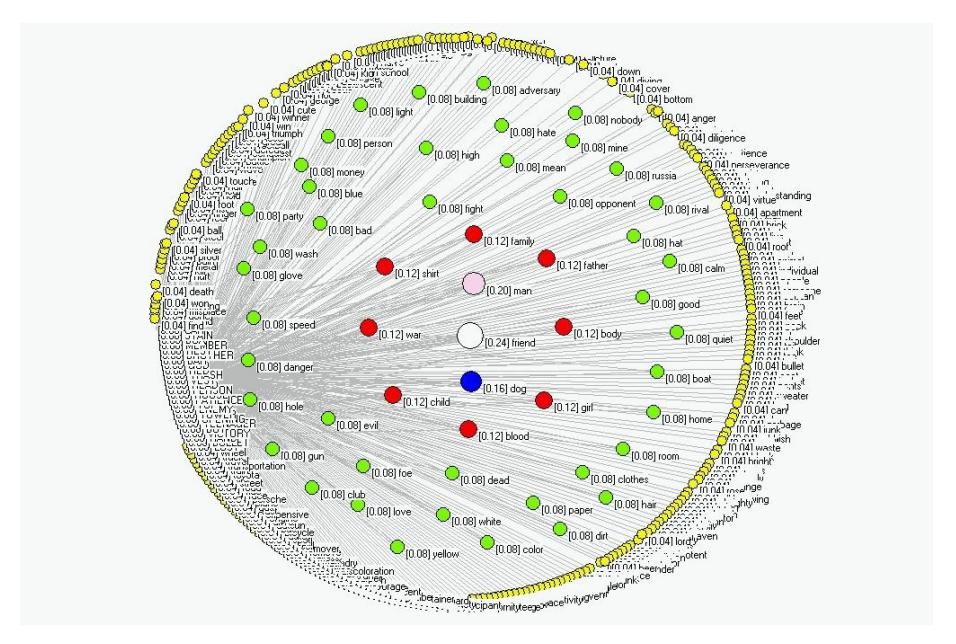
Figure 2 Modelling the communication patterns of Rasyah Rasyid in the Free Fire game.
Figure 2 presents the model of communication patterns observed in Rasyah Rasyid's Free Fire gameplay. The model is derived from verbal interactions recorded during his live-streamed gaming sessions, focusing exclusively on spontaneous expressions produced while performing in-game tasks. The analysis was limited to noun-based gaming vocabulary collected over a duration of 16 minutes and 22 seconds. A total of 37 words were entered into the Pajek software to see their associations:
Lost, bullet, hand, booyah, victory boy, little, barbarian, gaming, opening tower, enemy, up, weapon, patience, knock, house, person, mama, vest head, tong, red, lord, grenade snag, friends, shield, bar, brother junk, leftovers, member, box, awm, airdrop, sniper, stains, others, and cars.
The set of words was input into the USF association dictionary to find out latent messages and continuity between words, so that they could be interpreted objectively (see Table 1). The ODC score indicates how strongly an associative word appears in the network, with the word 'friend' having the highest value of 0.24, followed by 'man' (0.20), and several other words such as 'dog,' 'child,' and 'family' with a score of 0.12. Conversely, words like 'rivals' and 'war' have an ODC value of 0.00, meaning they have no significant association with the verbal words spoken. This process does not involve subjective interpretation but relies solely on data from the association dictionary to statistically demonstrate word connections. Thus, the analysis results depict the cognitive association structure emerging from spontaneous communication within the context of digital gaming.
| No. | In-deep Associate | ODC Score |
|---|---|---|
| 1. | Friend | 0.24 |
| 2. | Man | 0.20 |
| 3. | Dog | 0.16 |
| 4. | Blood | 0.12 |
| 5. | Body | 0.12 |
| 6. | Child | 0.12 |
| 7. | Girl | 0.12 |
| 8. | Shirt | 0.12 |
| 9. | Father | 0.12 |
| 10. | Family | 0.12 |
| 393. | Rivals | 0.00 |
| 394. | Russia | 0.00 |
| 395. | War | 0.00 |
Table 1 Associations of Rasyah's Verbalizations while Playing.
This data shows that the words spoken by Rasyah Rasyid while playing not only reflect competitive and technical elements such as 'bullet', 'weapon', or 'enemy', but also contain social and emotional dimensions, such as 'friend', 'mama', and 'brother'. When analyzed using the Pajek software and the USF dictionary, it was found that the word 'friend' had the highest ODC score, at 0.24, indicating that this word is highly central in the semantic association network.
A high ODC score indicates that the word frequently appears in relational contexts or holds strong meaning in users' social experiences. This suggests that despite playing in an action-packed gaming context, Rasyah continued to use words that reinforce social closeness, familiarity, and interpersonal relationships. This phenomenon supports the understanding of how online personalities like Rasyah form parasocial relationships with their audience, where fans—especially young people—not only admire their gaming skills but also feel emotionally connected through the use of familiar and warm words. Thus, this data reflects how the language used by a child gamer can build a relatable persona and strengthen the one-way emotional bond between the idol and their fans.
5.4 Rasyah Communication Patterns while Playing Games
The interactional features present in Free Fire gameplay—such as live voice chat, in-game indicators, emotes, and tactical map navigation—represent core
elements of interaction design. Rasyah's gameplay streaming integrates these tools while actively engaging with audience members via comment responses and real-time communication. This interplay of mediated conversation and game strategy illustrates the embeddedness of communication design within gaming experiences. The visual overlay of player health, team status, and in-game achievements contributes to the aesthetic and informational quality of the stream, thus acting as a multi-layered interface. These elements together form a cohesive communication system that reflects design intentionality in both form and function.
This paper discusses the results and findings regarding the behavior of high school students playing Free Fire and the phenomenon of idolizing a young online personality, Rasyah Rasyid. Among the students and Free Fire, there were several students, including junior high students and elementary school pupils, who were part of a team called Dranix ID and played the game intensively during the pandemic, for 5 to 8 hours a day. They idolized Rasyah Rasyid, a 10-year-old gamer famous for his skills, such as 'one shot' and 'headshot.' Their interest in Free Fire is driven by its lively atmosphere, attractive features, and the app's lightweight accessibility.
The phenomenon of idolizing Rasyah emerged due to the combination of his young age and extraordinary gaming skills, creating an inspirational challenge that motivates students to strive for similar achievements. This relationship reflects the formation of parasocial relationships, which are one-sided connections where fans feel emotionally close to the figures they idolize despite the absence of direct interaction. Furthermore, Rasyah's digital persona is visually shaped through striking thumbnail designs, attractive facial expressions, and distinctive Free Fire branding elements on the YouTube and Facebook platforms. This image is reinforced by his active engagement with fans through comments and direct responses, enhancing feelings of closeness and emotional involvement. Rasyah has amassed over 500,000 followers on Facebook.
The spontaneous words he utters during gameplay were analyzed using the Pajek software and the USF dictionary, revealing that alongside technical terms like 'bullet' and 'enemy,' he frequently uses social and emotional terms such as 'friend,' 'mama,' and 'brother.' This demonstrates that even within the context of competitive gaming, Rasyah continues to build social connections through language. Ultimately, Rasyah's communication patterns during gameplay involve various interactive design elements such as voice chat, emoticons, and in-game visual overlays. This communication not only serves as a gaming strategy but also creates an interactive experience that fosters an emotional connection with the audience. All these elements work together as a structured
communication system reflecting Rasyah's digital identity as a micro-celebrity among young gamers.
6 Conclusion
This study concludes that the phenomenon of digital celebrities among young students who play Free Fire is influenced by a combination of the celebrity possessing exceptional technical skills in playing the game, the construction of a digital persona, and emotional engagement created through social media. Rasyah Rasyid, known as a talented Free Fire player, has become an inspirational figure and idol for many students. He is recognized for his exceptional skills, already displayed at a young age, his warm communication style, and his active engagement in building interactions through platforms like YouTube and Facebook.
This study successfully uncovered latent messages in the verbal language used by Rasyah while playing, where the word 'friend' emerged as having the highest association score. This indicates that despite being in a competitive gaming context, Rasyah's communication still contains social and emotional values that foster psychological closeness with his audience. This phenomenon reinforces the formation of parasocial relationships, which are one-way connections felt by fans toward digital public figures. Though not direct, these relationships can foster emotional attachment and loyalty.
Overall, this study demonstrated how a young figure in the online gaming world could build a celebrity persona and fan community through communication strategies, visual design, and emotional closeness transmitted digitally. This reflects the transformation of popular culture among elementary school pupils and high school students, where digital media plays a significant role in shaping identity, aspirations, and social relationships through the virtual world. Future research needs to involve more demographically diverse respondents to gain a broader understanding of fan behavior and parasocial relationships in the context of digital games and their conditions after Covid-19. The types of games studied in the future will be diverse and popular among young people, it is also necessary to study the educational and negative values of hidden messages and digital and direct ethnography.
Acknowledgements
The authors would like to express their deepest gratitude to the Lembaga Pengelola Dana Pendidikan (LPDP), under the Ministry of Finance of the Republic of Indonesia, for providing scholarships and research funds to make this research possible. We also express our appreciation to Politeknik Negeri Batam for their support in facilitating and assisting the publication and financing process of this article. Thanks are also given to the Animation Study Program and Informatics Engineering Department for the academic environment that has contributed to this research. The authors are also grateful for the guidance and supervision provided by Institut Teknologi Bandung during the design and development stages of this game-based research. All contributions, both technical and conceptual, were invaluable to the completion of this work.