

ABSTRAK
Penelitian ini mengkaji kedalaman (frekuensi), dan luasnya (jenis-jenis) penggunaan media digital terkait pandemi COVID-19 oleh Generasi Z Indonesia. Responden terdiri dari Gen Z yang lahir antara tahun 1995-2010 dan berasal dari beberapa daerah di Indonesia. Survei terhadap 326 responden menemukan bahwa WhatsApp, Instagram, dan YouTube merupakan platform yang digunakan oleh Gen Z dalam kesehariannya. Sementara itu, generasi ini memilih WhatsApp sebagai platform untuk berbagi informasi tentang COVID-19 dan platform lain seperti Instagram dan Twitter untuk menerima dan memposting informasi, gambar, video, opini, dan pengalaman pribadi terkait COVID-19. Temuan juga menunjukkan bahwa dalam kehidupan sehari-hari, para partisipan termasuk kategori pemakai frekuensi tinggi (heavy user) karena mereka menghabiskan waktu lebih dari empat jam sehari untuk menggunakan media digital. Sebaliknya, mereka hanya menghabiskan waktu kurang dari satu jam per hari untuk mencari dan berbagi informasi tentang COVID-19. Oleh karena itu, penelitian ini berpendapat bahwa terdapat perbedaan preferensi media dalam kehidupan sehari-hari dan terhadap informasi terkait COVID-19.
Kata Kunci: COVID-19, kedalaman, jenis penggunaan media digital, Generasi Z
INTRODUCTION
In the first quarter of 2020, the World Health Organization (WHO) has identified COVID-19 outbreak as a severe pandemic that could threaten people globally. Indeed in Indonesia, since it was found in March 2020, there have been more than 25.000 people contracted with this virus at the end of May 2020 (Nugraheny, 2020). This virus strikes not only the world health system but also almost all systems from political, economic, social, and information system.
Information dissemination during COVID-19 pandemic has become another challenge to overcome, as delivered in a conference by WHO Director-General, Dr Tedros Adhanom Ghebreyesus: "we're not just fighting an epidemic; we're fighting an infodemic" (The Lancet Journal, 2020). A similar expression, also stated by Depoux et al. (2020): "…this crisis is the coincidence of virology and virality… the social media panic travelled faster than the COVID-19 spread". In other words, people had been bombarded with rapid overloaded (mis) information that has been causing information turmoil and mass panic.
Digital media as a user-generated content platform also contributes to the spreading of misinformation (Frenkel, Alba, & Zhong, 2020) and fake news (La et al., 2020). As most digital media platforms are not designed to prioritise the best information, they are designed to show contents most likely to be engaged with first, whether they are accurate or not (Allem, 2020). In the USA context, digital media is less efficient to share information on highly relevant public affairs (Casero-Ripollés, 2020), and people share fake news about COVID-19 partly because they fail to think adequately about whether or not online content is accurate when deciding what to share (Pennycook et al., 2020). Furthermore, the exposure of media during a public health crisis can lead to anxiety and stress (Garfin, Silver, & Holman, 2020) as well as public fear and pessimistic feeling (Huynh, 2020).
However, digital media, on the other side, can play positive impacts during COVID-19. Previous studies about those impacts have been conducted by several scholars, such as digital
media that help people in dealing with social and physical distancing and reducing stigma, prejudice, discrimination, and inequalities (Hussain, 2020). Also, another study by Chan, Nickson, Rudolph, Lee, & Joynt (2020), shares infographic for principles of airway management in COVID-19 on Twitter and WeChat and finds that those platforms can provide effective dissemination routes for crucial information and enhance the medical response during the pandemic. Meanwhile, Li et al., (2020) explores how Weibo has several types of COVID-19-related information, including caution and advice; notifications and measures been taken; donations of money, goods, or services; emotional support; help-seeking; doubt casting and criticising; and counter-rumour. Therefore, digital media could serve to promote public health information to society during the pandemic.
During COVID-19 outbreak, health information system has been a crucial issue within a country. Government, mass media and individuals seek and share information about the outbreak mostly through digital media. Regarding the importance of digital media during Covid-19, several studies of users behaviour have been conducted. Jayasekara (2020) studied 244 Sri Lankans behaviour during the pandemic, and it is showed that they use Facebook (54%) and Youtube (12.3%) to gather information about Covid-19. It is evident that during COVID-19 pandemic media consumption in 2020 has changed (Jones, 2020). A survey conducted by Global Web Index also found that over 80% of consumers in the US and UK say they consume more content since the COVID-19 outbreak, with broadcast TV and online videos (YouTube, TikTok) being the primary mediums across all generations and genders (Global Web Index, 2020), no exception the Gen Z.
At a young age, Gen Z is already using smartphones, social media, and other technologies (Ahmed, 2019). There are several names for Gen Z such as "Post millennials", "Facebook generation", "Digital Natives, "Switchers", "Dotcom children", "Netgeneration", "iGeneration", "C - Connection – generation",
"D - Digital – generation", "R - Responsibility – generation" (Csobanka, 2016, p. 67). Gen Z uses digital media for varied purposes, e.g., "developing and maintaining connections, building self-image, expressing thoughts and emotions, and seeking entertainment" (Nuzulita & Subriadi, 2020, p. 1). Gen Z also makes the internet as their main source of information, and its use is reflected in the large number of social networking sites on which they have accounts and frequently interact with others (Dabija, Bejan, & Tipi, 2018). Gen Z has adopted the internet as their way of life and can be described as mobile natives that have significant differences digital media habits from older generations (Fietkiewicz, Lins, Baran, & Stock, 2016). Gen Z's differences in media habit are important to explore in order to understand the affordance of digital media in youth perspectives.
Additionally, Indonesia is home to 160 million digital media users with Youtube, WhatsApp, Facebook, Instagram, and Twitter as their five primary platforms (Kemp, 2020), with Gen Z as the generation that dominates the use of digital media. Nevertheless, there is little knowledge on the depth (frequency) and width (different types) of digital media use by Indonesian Gen Z during the COVID-19 pandemic. Therefore, an investigation on digital media practice during the pandemic in Indonesia becomes essential to understand Gen Z preferences in posting and sharing information on COVID-19. In this research, digital media use is limited to Facebook, Instagram, Twitter, Youtube, TikTok, WhatsApp, Line, and Blog. These preferences could become recommendations for Indonesian authorities to create more effective communication channels.
Digital Media Use
Pew Research Centre has reported that social media is used in working, politics and political deliberation, communication patterns around the globe, getting and sharing information about health, civic life, news consumption, communities, teenage life, parenting, dating and even people's level of stress (Perrinn, 2015). In the previous study, digital media use is defined
using the term of depth (frequency) and width (different types) with "depth is defined as the amount or frequency of use and width as the number of different uses" (Gatignon & Roberston, 1991 in Correa, 2016, p. 2). Meanwhile, the survey is adapted from Park, Kee, & Valenzuela (2009) and Kim, Wang, & Oh (2016) with this following questions: how frequently they use social network sites for the following activities: "sharing or reposting stories, images, or videos related to school events"; ' 'discuss school events"; "posting personal experiences related to school events"; "sending messages/information to classmates or other colleagues"; "sharing or reposting messages of classmates or other colleagues"; and "sharing experiences about the school's sporting events or activities.
There are many widely opened opportunities for developing countries through digital media, and the government must stand on those opportunities. The high number of Internet users, especially young productive users, is a crucial investment to develop. Pippa Norris (2001) argues that developing countries are at significant advantages to elevate economic development and minimise their poverty numbers with the help of digital technology. Therefore, the government needs to seriously pay attention to developing the country through digital media use. Providing access to all levels of society and improving the literacy of digital media use are some of the examples. However, the area of improvement is not always about infrastructure and distribution only. Paying attention to building the digital access and skills of online users as well as offering pieces of training for young people also become crucial.
Moreover, many scholars argue that some of the basic, yet most important, digital media literacy for civic life in the 21st century, are the ability to understand, analyse, and evaluate online information and online news (Burroughs, Brocato, Hopper, & Sanders, 2009; E. Kim & Yang, 2016; Martens & Hobbs, 2015). Moreover, Martens and Hobbs add that reading and writing abilities are essential to increase young people's critical skill of analysis in a digital age (Martens & Hobbs, 2015). As they recommend that: "In developing programs that support adolescent civic engagement, it will be important to ensure that digital and media literacy programs provide rich and sustained learning opportunities for engagement in reading comprehension, textual analysis, close reading and writing composition activities" (Martens & Hobbs, 2015, p. 134). The digital media literacy skills of reading, analysing, evaluating, and creating online information that is needed during global pandemic like COVID-19. Moreover, active digital media users could serve as bridges between different social media communities as they can help successful public information in the pandemic.
Digital Media Use And Indonesian Young People
Digital media have been increasingly used by Indonesian society. Indonesia is the world's third-largest democracy and an emerging or developing country (Poushter, Bishop, & Chwe, 2018) and is in the top five countries when it comes to the number of social media users, with the fourth-largest number of Facebook and Instagram users respectively (Statista, 2020) (Statista, 2020). Digital platforms like WhatsApp, Facebook and Instagram are now critical sources of news for Indonesians (Freedom House, 2019; Author, 2018). Recent data from We Are Social and Hootsuite shows that YouTube has become Indonesia's most active social media platform (88%), followed by Facebook (82%) and Instagram (79%). In comparison, WhatsApp (84%) has become the most active messenger or chat application (88%), followed by Line (50%) and Facebook Messenger (50%) (Kemp, 2020). Thus, Indonesia has become one of the top countries with the most prominent social media users in the world.
Based on data from the Ministry of Information, Communication and Technology (KOMINFO, 2014) and Indonesian National Survey of Internet Users (APJII, 2018), Indonesian young people are still the majority of Internet and social media users. Indonesia also enjoys a thriving blogosphere among the members of the growing urban middle class (Freedom House, 2019). Digital media
provides a space for Indonesian young people to participate not only as consumers but also as producers of ideas, knowledge and culture (Lim, 2013), to have freedom of expression, citizenship skills, and political mobilisation (Ramli, 2012), and to join communities in discussions for disseminating online (Author, 2018, 2019). Indonesian young people prefer information from the internet (new media) to newspapers and television as they believe online more than conventional media (Author, 2013, 2018), and online sources are more reliable for them (Gazali, 2014; Author, 2018)
Also in Indonesia, even digital media opens an opportunity for public discussions and more freedom compared to traditional media; moreover, online campaigns (blogs, Facebook, and YouTube) have gained much broader awareness, in particular fundraising among students (Weiss, 2014) and Indonesian Muslim women (Baulch & Author, 2018). However, there is still a contradiction between digital media use and Indonesian youth, especially around issues digital access, use and expression. Therefore, young people should be given opportunities to learn and improve their digital media use and literacy, particularly those relating to positive effect from online content. These digital abilities are important as they would enable young people to access, analyze and disseminate truthful information and useful content during global, national, and local crisis during the pandemic of COVID-19.
METHODS
This study is a descriptive quantitative research that queried digital media use among Indonesian Gen Z. Data were collected by posting an online questionnaire link through several platforms including Twitter, Facebook, WhatsApp in the beginning of the pandemic in Indonesia, March 2020. Then, the data were analyzed using SPSS 25 program in order to obtain the depth (frequency) and width (different types) of digital media use. The data were examined by calculating Pearson Chi-square to find significant differences between male and female of Gen Z in using digital media. A cross tabulation
statistical technique then was used to show the differences on media preference and duration on using digital media between genders.
The depth of digital media use is explored through the questions on what digital media users use for receiving, sharing, and posting, information, image, video, opinion, personal experience about COVID-19. In addition, the width of digital media use was examined by asking questions about how long they use digital media to receive, share, and post, information, image, video, opinion, personal experience about COVID-19.
This study applied a non-probability sampling technique. Non-probability sampling is used as a sampling technique where the samples are gathered in a process that does not give all the individuals in the population equal chances of being selected. Designs, elements in the population, do not have any probabilities attached to their being chosen as sample subjects. It means that the finding from the study of the sample cannot be generalised (Sekaran & Bougie, 2015).
A total of 326 participants were gained after the questionnaires were distributed in one month (April 2020). The participants are Indonesian, living in Indonesia and were born between 1995 until 2010, consisting of 123 males and 203 females. Most of the participants are students and live in West Java (see Figure 1 and 2).
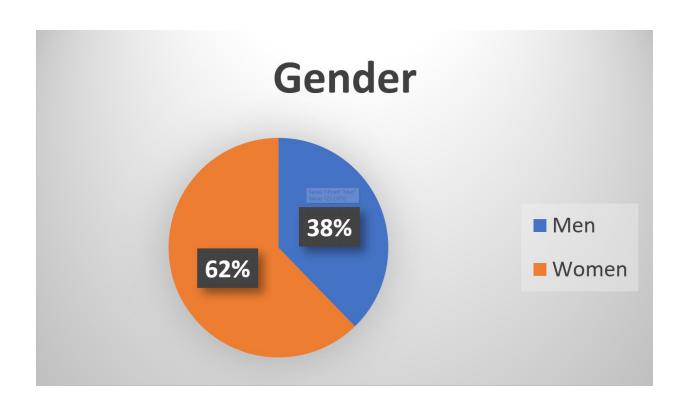
Figure 1. Participant Gender (Source: Data analysis)
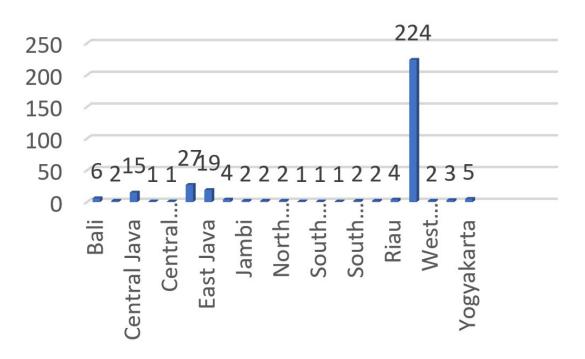
Figure 2. Participant Domicile (Source: Data analysis)
RESULTS AND DISCUSSION
Findings show that WhatsApp is the most used platform in Gen Z daily life (see Figure 3 below). These findings also resonance with Seufert, Hoβfeld, Schwind, Burger, & Tran-Gia's study (2016) that noted: "WhatsApp is a widespread mobile messaging application, which dominates today's mobile communication" (p. 536). They also found the way of human communication has changed because of the feature of group chats in WhatsApp. Moreover, a study on WhatsApp in Argentina shows people of different ages would use WhatsApp differently: "for younger and middle adults, it tends to be the one among other social media options. However, the one they use almost regularly, whereas, for older adults, it is usually the preferred platform, even if they use it more sparingly" (Matassi, Boczkowski, & Mitchelstein, 2019).
Instagram is chosen as the second most used digital media by Indonesian Gen Z. These findings are also in line with Jambulingam, Francis, & Dorasamy's (2018, p.2021) study that found the changing of digital media habit among Gen Z such as the decreasing use of Facebook and Twitter and use of Instagram as their primary digital media. Furthermore, Indonesia has become the fourth-largest number of Facebook and Instagram users, respectively (Statista, 2020). Digital platforms like WhatsApp, Facebook and Instagram are now key sources of news for Indonesians (Freedom House, 2019). Also, another study about
Indonesian higher degree students (Athor, 2019) and Indonesian Muslim young women (Author, 2018) showed that there is the digital migration from Twitter and Facebook to Instagram. This is similar to previous research about Indonesian young people who have shown they are more interested in visual and audiovisual contents (Author, 2018, 2019). The combination of text and visual information in Indonesian digital landscape has been growing to include animations, digital posters, memes, photos, and videos (Lim, 2013; Yasih & Alamsyah, 2014). Therefore, digital media platforms with visual and audiovisual content have become more prevalent in Indonesia. Figure 3 below shows that WhatsApp, Instagram, and YouTube are the most preferred media by male and female of Gen Z in their daily life.
Supratman (2018) explains a similar result about Gen Z preferences of media use. Instagram, Line, YouTube, WhatsApp, and Facebook are ranked as the most popular to the less popular. YouTube is a global platform that can be used actively on a daily basis because it supports people to produce and distribute content. Another study (García Jiménez & Montes Vozmediano, 2019) describes that YouTube becomes a new platform that enables young people to get knowledge and build a relationship with others. Besides, a study about YouTube from Balakrishnan & Griffiths (2017) (2017) shows that content creation and content viewing has a relationship with addiction for users. This study may explain why the majority of young people spend a lot of time on YouTube.
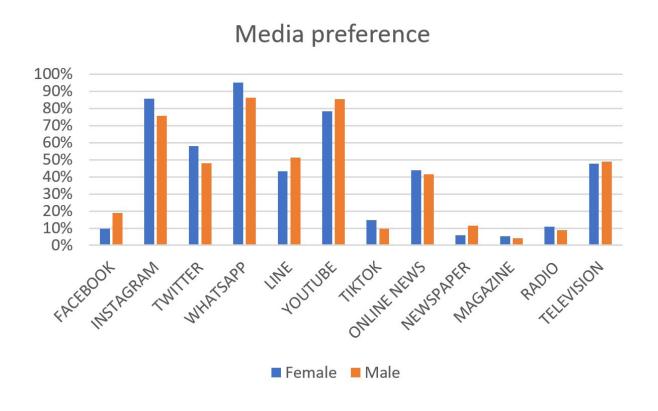
Figure 3. Media Preferences in Gen Z Daily Life
They were also sometimes using Twitter, Line, online news portal. Surprisingly, not many of them are using TikTok daily. This generation spent more than 4 hours a day using WhatsApp, Instagram, and YouTube. The duration of using the other platforms is only between 1-2 hours. There is a familiarity of visual content like young people sharing content with their friends using digital platforms (Tumblr, Facebook, or Instagram) and uploading photos or videos to platforms or YouTube (Hobbs, 2017). Meanwhile, YouTube has been the most popular digital platforms in Indonesia lately (Kemp, 2020)
Gen Z is familiar with technological advances in multimedia. A study from Ahmed (2019) shows that more than 50% of Gen Z use more than 9 hours in their smartphone. Further, Turner (2018) shows that Gen Z interacts and communicates through the internet, and they have a digital bond with high emotional intensity to the internet.
In this study, Gen Z has confirmed they have more time using the internet, and they like to have activity in their smartphone. Regarding COVID-19, Gen Z prefers to use Instagram and Twitter to receive, post, repost information, image, video, opinion, personal experience. This also confirms a study that has revealed that Gen Z has turned their back on Facebook and chose digital photo-sharing platform Instagram (Fietkiewicz, Baran, Stock, & Lins, 2016).
Table 3 below illustrates the participants' preference in consuming twelve different types of media. Among 326 persons who are 62% are women and 38% are men, the differences of consuming media appear in Tiktok and Facebook media based on person chi-square score (sig 0,01 and no cell count less than 5). It is shown that the majority of female never use Facebook; however, 49% of male consumes it rarely. Then, in Tiktok, more than 80% of male never use it. In female respondents, the result is slightly different. Around 60% of female never use it, and 20% of them rarely use it.
According to Table 3, ten media are used by both female and male similarly. Instagram is always used by around 40% of male and female.
In twitter, around 25% of female and male use it often. More than 60% of female always uses Whatsapp, and the majority of male use it always and often. Further, less than 50% of male and female rarely use Line. In youtube, around 40% of male and female use it always.
Besides, in printed news, magazine and radio, it is interesting to note that the majority of female and male do not consume it. Also, online news use rarely by the respondents. In the last, television is used rarely and often use by around 40% female and male, respectively.
TABLE 3. CROSSTABS ANALYSIS OF MEDIA PREFERENCE
| 46% | 40% Often | 32% Always | 26% Often | |||
| Female | 54% | Never use | Always use | use | use | use |
| 42% 33% often | 29% Never | 25% Often | ||||
| Male | 49% | Rarely use | Always use | use | use | use |
| Pearson chi-square | 0,001 | Sig | 0,119 | ins | 0,247 | |
| Cell count less than 5 | 0% | 12,5% | 0% | |||
| Line | Youtube | ||||||
|---|---|---|---|---|---|---|---|
| Always | 43% 28% | 39% Always | 39% often | ||||
| Female | 67% | use | Rarely use | Always | use | use | |
| 43%; | Always; | 34% | 27% often | 45% Always | 40% often | ||
| Male | 43% | often use | Rarely use | use | use | use | |
| Pearson chi-square | 0,000 | Ins | 0,068 | ins | 0,378 | ins | |
| Cell count less than 5 | 25% | 0% | 25% | ||||
| Online | Printed | ||||||
|---|---|---|---|---|---|---|---|
| Tiktok | news | news | |||||
| Female | 64%; never use; | 48% | 36% Often | ||||
| 21% | rarely use | Rarely use | use | 53% | never use | ||
| 83% | never use | 46% | 28% Often | never use | |||
| Male | Rarely use | use | 55% | ||||
| Pearson chi-square | 0,001 | Sig 0,159 | Ins | 0206 | inS | ||
| Cell count less than 5 | 12,5% | 0% | 25% | ||||
| Magazine | Radio | |||||
|---|---|---|---|---|---|---|
| 46% | never use | 44% Rarely use | 34% Often | |||
| Female | 54% | never use | use | |||
| 54% | 28% Rarely | |||||
| Male | 69% | never use | never use | 39% Often use | use | |
| Pearson chi-square | 0,02 | ins | 0,344 | Ins | 0,288 | inS |
| Cell count less than 5 | 25% | 0% | 0% | |||
TABLE 4. CROSSTABS ANALYSIS ON DURATION IN USING MEDIA
| Less than | 38% More | 23% 2-3 | 23% Less | 26% More | |||
| Female | 59% | 1 hour | than 4 hours | hour | than 1 hour; | than 4 hours | |
| Less than 28% More | 28% 1-2 | 37% Less | 20% 2-3 | ||||
| Male | 63% | 1 hour | than 4 hours | hour | than 1 hour | hour | |
| Pearson chi-square | 0,01 | ins | 0,288 | ins | 0,047 | ins | |
| Cell count less than 5 | 20% | 20% | 0% | ||||
| Line | YouTube | ||||||
|---|---|---|---|---|---|---|---|
| Female | 54% | More than 4 hours | 40% Less than 1 hour | 22% 1-2 hour | 36% More than 4 hours | 27% 1-2 hour | |
| Male | 36%; 26% | More than 4 hours; 2-3 hour | 32% Less than 1 hour | 21% 1-2 hour | 37% More than 4 hours | 32% 2-3 hour | |
| Pearson chi-square | 0,003 | Sig | 0,42 | Ins | 0,06 | inS | |
| Cell count less than 5 | 0% | 0% | 20% | ||||
| Tiktok | Online news | Printed news | ||||
|---|---|---|---|---|---|---|
| Female | 62% | never use | 56% | Less than 1 hour | 60% | never use |
| Male | 50% | never use | 55% | Less than 1 hour | 65% | never use |
| Pearson chi-square | 0,384 | ins | 0,662 | Ins | 0,537 | inS |
| Cell count less than 5 | 20% | 20% | 40% | |||
| Magazine | Radio | Television | ||||
|---|---|---|---|---|---|---|
| Female | 60% | never use | 52% | never use | 36% Less than 1 hour | 28% 1-2 hour |
| Male | 63% | never use | 63% | never use | 33% Less than 1 hour | 31% 1-2 hour |
| Pearson chi-square | 0,85 | ins | 0,036 | Ins | 0,329 | inS |
| Cell count less than 5 | 40% | 40% | 0% |
Table 2 illustrates the participants spend time on twelve different types of media. Based on person chi-square score (sig 0,01 and no column less than 5) there is only one significant different case between female and male which is in WhatsApp media. It is shown that the majority of female use WhatsApp for more than 4 hours; on the contrary, male use it in two categories more than 4 hours and 2-3 hours a day. This result is similar to Rungta's (2015) study, which explains that man spent lesser time compared to women in WhatsApp.
Besides WhatsApp, other media is similarly used by male and female. The majority of female and male use social media such as Facebook, Twitter, and Line less than 1 hour. Instagram is used more than 4 hours by 38% of female and 28% of male. Then, Twitter is consumed less than 1 hour by 23% of female and 37% of male. The majority of participants spend less than 1 hour on Line and television. Furthermore, more than 30% of both female and male use WhatsApp for more than 4 hours. Finally, it is interesting to note that the majority of female and male respondents never use Tiktok, printed news, magazine, and radio.
Based on the data, unpopular social media for the respondents is Tiktok. As relatively new media, which was born in 2016, it offers social networking and music video. The majority of respondents in this research do not use Tiktok and prefer other social media. A study from (Dilon, 2020) describes that more people prefer Facebook and Instagram to Tiktok.
Further, this result is supported by the previous survey from Nielsen, which explains the decreasing number of printed media readers. Nielsen shows that 4,5 million population read printed media (newspaper, magazine, and tabloid) and 6 million people read in digital platform in 2017. However, in 2013, the number of printed media reader is 9,5 million people. The survey also implies the preference proportion of information resources for people, which is 43% to the internet, 37% to radio and 8% to printed media. In details, 83% of people read the newspaper, 17% tabloid and 15% magazine.
This present study has found some differences in Gen Z digital media habit from daily life and regarding COVID-19 information. Table 1 below shows the summary of digital media that participants chose COVID-19-related information. As millenials, participants who were born between 1995-2010 would rather use WhatsApp only for sharing information. This Gen Z chose Instagram and Twitter to receive information, share, and post images, videos, opinions, and experiences on COVID-19
TABLE.1 DIGITAL MEDIA PREFERENCES REGARDING COVID-19 INFORMATION
| Activity | Media Platform |
|---|---|
| Receiving information | Instagram, Twitter |
| Sharing Information | |
| Sharing image | Instagram, Twitter |
| Reposting image | Instagram, Twitter |
| Sharing video | Instagram, Twitter |
| Reposting video | Instagram, Twitter |
| Posting opinion | Instagram, Twitter |
| Posting personal | Instagram, Twitter |
| experiences |
They chose WhatsApp for sharing information about COVID-19. They spend less than one hour in receiving and sharing information about COVID-19. WhatsApp uses cell network data or local area network data to transmit and receive messages. In addition to text correspondence, users can also share images, videos, and audio media messages quickly. WhatsApp has created a way of belonging, distance, and intimacy with friends and relatives. The psychological expertise of being shut and caring has been created. WhatsApp is primarily being used by young people to develop, communicate and exchange knowledge (Kumar & Sharma, 2017).
TABLE 2. SIGNIFICANCE SCORE IN RECEIVING AND SHARING ABOUT COVID-19
| Female | Male | Sig Person; count less than 5 | |||
|---|---|---|---|---|---|
| 1 Receiving information | 33% | 30% | 0,013; 25% | ||
| 27% | 23% | ||||
| 2 Sharing Information | 32% | 31% | 0,02; 37,5% | ||
| 24% | 22% | ||||
| 3 Repost information | 32% | 29% | 0,561; 37,5% | ||
|---|---|---|---|---|---|
| 27% | 25% | ||||
| 38% | 37% | 0,081; 37,5% | |||
| 4 Reposting image | 20% | Never | 19% | ||
| 28% | 23% | 0,073; 25% | |||
| 5 Sharing video | Never | 24% | Never | 23% | |
| 21% | |||||
| 30% | 24% | 0,094; 37,5% | |||
| 6 Reposting video | Never | 23% | Never | 24% | |
| 30% | Never | 25% | 0,077; 37,5% | ||
| 7 Posting opinion | Never | 27% | 24% | ||
| 27% | |||||
| Never | 37% | Never | 34% | 0,596; 37,5% | |
| 8 Posting personal experiences | 22% | 19% | |||
| 9 Repost from family and friend | 51% | 45% | 0,147; 16,7% | ||
| Never | 24% |
Additionally, based on the sci-square score, Table 2 shows that there are no significant differences between male and female habit in receiving and sharing about Covid-19 information. It can be seen that Gen Z receive and share information actively. However, it is also interesting to note that most of them never post personal experiences related to COVID-19, and around 25% of them never post opinions about the pandemic.
Moreover, according to James & Cinelli (2003), gender creates differences in communication style. In digital media related to Covid-19, Deckman, McDonald, Rouse, & Kromer (2020) has found that young Americans women express more excellent health and economic concern than men. Based on this research result, it is noticed that Indonesian Gen Z considered as passive users. They receive and share information about COVID-19; however, they rarely express their opinion and experience in their social networking.
CONCLUSION
Using a survey towards 326 participants, this study found that Gen Z could be categorised as light users in term of the frequency and duration in receiving and sharing COVID-19-related information. However, in daily life this Gen Z is a heavy users of social media because spending more than four hours per day using digital media. These differences indicate Gen Z, who was raised by digital technology, is less thoughtprovoking toward COVID-19 information.
In addition, the width (different types) of digital media use of WhatsApp, Instagram, Twitter, Facebook, and YouTube is varied. WhatsApp is the most used platform for Gen Z to share information related to COVID-19. Indeed, WhatsApp, with its user-friendly features, is the second most used communication platform in Indonesia. This platform is an effective medium to convey messages for Indonesian Gen Z. Meanwhile, they also prefer to use Instagram and Twitter to keep informed about COVID-19.
It means Gen Z considers WhatsApp, Instagram, and Twitter as the important platforms in COVID-19 information dissemination. The interactivity and visual ability yet simplicity of those platforms have drawn attention of Gen Z in responding to the COVID-19 information.
More research is needed to explore the rationale and changing of digital media use before and after COVID-19 breakout. These future studies could be useful to advise effective media platforms in informing the pandemic to Indonesian Gen Z. Future studies also can focus on other generation to understand the generational differences in using digital media during COVID-19 pandemic.