

ABSTRAK
Bus Rapid Transit (BRT) merupakan salah satu alternatif transportasi umum di perkotaan yang mulai diterapkan di beberapa kota di Indonesia. Untuk mengetahui efektifitas BRT sebagai sistem transportasi massal perlu dikaji ekspektasi pengguna dan non pengguna BRT Trans Jateng Purwokerto-Purbalingga terhadap dampak sosial, ekonomi, dan lingkungan. Penelitian ini menggunakan metode Text Clustering untuk mengelompokkan opini publik berdasarkan kesamaan sehingga dapat dianalisis lebih lanjut untuk pembuatan kebijakan. Hasilnya, sebagian besar masyarakat memiliki ekspektasi positif terhadap manfaat sosial, ekonomi, dan lingkungan yang dirasakan dari implementasi BRT. Di sisi lain, opini publik tentang keberadaan BRT tidak selalu positif dan berdampak signifikan. Perlu pembenahan di beberapa aspek yang dinilai belum memenuhi harapan masyarakat untuk memaksimalkan fungsi BRT sebagai pengganti angkutan umum kendaraan pribadi.
Kata kunci: Bus Rapid Transit, masyarakat, Trans Jateng, Text Clustering
INTRODUCTION
Bus Rapid Transit (BRT) is an alternative transportation system in urban areas. In Jakarta, the use of BRT reaches 370,000 people per day with a total distance of up to 207 km (Global BRT Data, 2021). The successful implementation of the BRT in Jakarta has encouraged other areas in Indonesia to do likewise, one of which is Trans Jateng with Purwokerto-Purbalingga route. The increasing population, development of tourist attractions, and accesses to trade and education, have resulted in developing economic and social activities in Purwokerto and Purbalingga (Sari & Afriandini, 2020). Therefore, BRT is an alternative solution to fulfil people's mobility needs.
The increasing number of BRT operations show BRT is more efficient as a mode of urban transportation than other public transportation, such as mass rapid transit (Jagiełło, 2017). In developing countries with minimal sources of capital, BRT is an alternative transportation that the government often uses to invest in transportation (Zolnik et al., 2018). In addition, BRT has affected the quality of life, productivity, health, and comfort (Carrigan et al., 2013). This benefit was further explored in some studies such as saving travel time (Oviedo et al., 2019; Venter et al., 2017), reducing the local air pollutant emissions (Bel & Holst, 2015), and increasing road safety impact (Bocarejo et al., 2012).
The objectives of implementing BRT comprise three aspects: social, economic, and environmental (Romadlon & Saintika, 2020). Implementing a public transportation system with a high level of accessibility is an essential element in social and economic aspects (Ogundare & Ndulue, 2019). This also impacts the social and economic benefits for the community, such as reduced travel time, reduced congestion, and increased the trade opportunities (Filippova & Sheng, 2020). At the same time, the goals in environmental aspects can be measured through the impact of technology, users, and systems (Baghini et al., 2014). Technological impact refers to the emission reductions by BRT. The user impact is seen from the increasing number of BRT users as a form of transition from private
vehicles. At the same time, social, economic, and environmental criteria have been effected to BRT implementation (McGreevy, 2021).
The impact of the BRT implementation from the individual perspective is one area of the research. It is based on the user's view that the BRT system shall be viewed as more comprehensive. (Batarce et al., 2015; Nikitas & Karlsson, 2015). For example, not all community groups positively view BRT implementation, especially for the poor (Oviedo et al., 2019; Vermeiren et al., 2015). Even for women, much improvement of the BRT system is still needed, particularly the security aspect to support their mobility and maximize BRT benefits (Malik et al., 2020; Romadlon, 2021). The perspective of local communities as non-BRT users is also an important research point of view to support the implementation and sustainability of BRT in an area (Romadlon, 2020). Several examples of these previous studies show individual expectations and attitudes towards the existence of BRT are still a broad scope of research. In addition, each region has different characteristics, such as urban settings, locations, and routes, accessibility, fare structure, experience, to individual assessments, which affect the attitude and acceptance of the community (Pandit & Das, 2013).
The objective of the study aims at user experience and local community expectations towards the implementation of BRT Trans Jateng Purwokerto-Purbalingga as a public transportation. Many previous studies have focused on finding factors that influence public expectation and acceptance of BRT in Indonesia (Lubis et al., 2018; Safitri et al., 2020). However, few studies examine public expectations and views of BRT implementation based on honest opinions of the community. Therefore, text mining techniques will be used to provide an overview of community opinions as users and non-users. The expectations are needed to shape public engagement by reducing the gap between awareness, expectations, and aspirations of the public (Lindau et al., 2014).
METHOD
The community participatory as ridership is required to support the sustainability of BRT (Nizam et al., 2017). Their expectation towards BRT is that the bus stops should be closer to their residence to simplify their mobility and that is one way to increase public participation (Ingvardson & Nielsen, 2018). Therefore, BRT shall be able to be a solution to the intermodal public transportation, either multimodal or intermodal public transportation (Tabassum et al., 2016; Koling et al., 2018; Venter et al., 2017)
This research was conducted to community that is affected by the BRT operations (ridership and non-ridership). The used methods are survey and field observation with a sample of 302 respondents. Respondents' demographic data obtained comprised gender, address, job, and age.
Data were collected by distributing questionnaires containing open-ended questions regarding the public's expectation of the BRT. This community expectation was elaborated into three questions, i.e. (1) perceived social impacts related to BRT presence and management, (2) perceived economic impacts related to BRT presence and management, and (3) perceived environmental impacts related to BRT presence and management. The questionnaires were distributed to the community, both users and nonusers of the BRT. This research was conducted from April to August 2020.
The collected data were analyzed using text clustering approach. The text clustering technique used is a task of text grouping by creating a structured text representation in a binary form to be processed and analyzed mathematically (Suyal et al., 2014). Text clustering is used in this study to provide a coherent summary of word cluster groups (corpus summarization) obtained from sentences of the community's expectation regarding the implementation of the Trans Jateng Purwokerto-Purbalingga BRT (Figure 1).
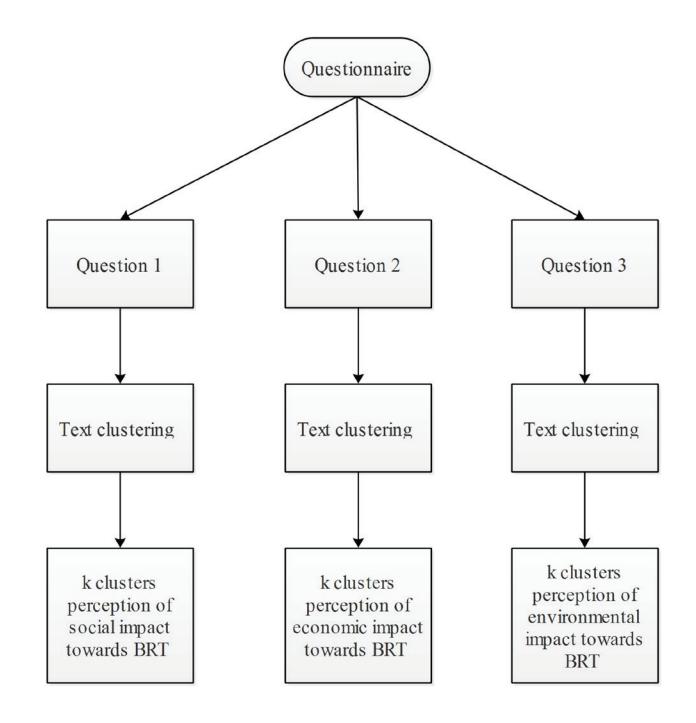
Figure 1 Data Analysis Diagram (2021) (Source: processed data)
The clustering process is carried out using the K-Means algorithm. the clustering stages are as follows.
- 1. Determine the number of clusters (k). In this study, the number of groups in each question varies according to the similarity produced by each cluster. The reason is because there is no certain basis in determining the number of respondents' opinion groups. Therefore, the determination of (k) is carried out through a trial process until the appropriate group of respondents' expectations is obtained.
- 2. Determine the center or centroid of the vector object obtained in the term weighting process randomly. The number of centroids is adjusted to the number of clusters (k) that we created.
- 3. Determine the distance between two vectors, namely the distance between the centroid and the term.
- 4. If there is a change in the centroid, return to stage three using the new centroid.
The clustering process is completed if there is no more change in the centroid. Thus, the grouping of objects is based on the proximity to a certain centroid only.
RESULTS AND DISCUSSION
Respondent Demographics
The BRT is operated from Bulupitu bus station in Purwokerto to Bukateja bus station in Purbalingga (Ridlo, 2018). There are 26 bus stops with a total travel distance of 39 km through business, industry, and education centers. The BRT was inaugurated on August 13, 2018. The BRT links some of public areas in Purwokerto and Purbalingga and become an intermodal transportation between Purwokerto Train Station and Soedirman Airport in Purbalingga. The operation of the BRT is under the Ministry of Transportation of Central Java Province, Indonesia. Moreover, Purwokerto is well known as education and business area, and Purbalingga is recognized as industrial and Small Medium Enterprises (SMEs) area. Therefore, the existence of the BRT will accommodate the ridership mobility of both areas.
The number of respondents is 302, and it is dominated by women (51.36%). The residence of the respondents is from Purbalingga (48.18%), Purwokerto (44.19%), and others (7.64%), i.e., the surrounding districts such as Cilacap, Banjarnegara, and Brebes. According to occupation, the respondents are students, labors, housewives, teachers, and others (food stallers, pedicab drivers, and taxi motor drivers). The age of the respondents varies between 15 and 25, between 26 and 35, older than 35. The majority of the respondents is involved in ridership, and the rest is non-ridership (Table I).
TABLE I RESPONDENT DEMOGRAPHICS
| User variable | N | Percentage | |
|---|---|---|---|
| Men | 147 | 48.64 | |
| Gender | Women | 155 | 51.36 |
| Purwokerto | 133 | 44.19 | |
| Residence | Purbalingga | 145 | 48.18 |
| Others | 24 | 7.64 | |
| Student | 125 | 41.24 | |
| Teacher | 10 | 3.32 | |
| Job | Labor | 39 | 12.97 |
| Housewife | 19 | 6.32 | |
| Others | 109 | 36.15 | |
| 15-25 | 131 | 43.22 | |
| Age | 26-35 | 52 | 17.30 |
| >35 | 119 | 39.49 | |
| Ridership | 130 | 54.30 | |
| Type | Non-ridership | 164 | 45.70 |
(Source: Processed Data)
The Social Impact Expectations
Data cleaning was carried out from all the answers obtained to eliminate incomplete answers that could become noise during data processing. In the clustering process, the number of inputted clusters (k) varies until a group of people's expectations of each group shows a significant difference. After the clustering process, the terms will appear from each cluster, and it will be displayed to be the analysis.
Social impact refers more to the feelings or experiences of the community in physical or perceptual forms (Listifadah, 2019). The social impact of public transportation refers to the transportation system's ability to create more social changes in an area, such as reducing congestion, increasing road safety, and reducing traffic accidents (Pardo & Weinstock, 2018). The social impact of BRT implementation is divided into four statement points: BRT can be a safe and comfortable public transportation, increase ridership mobility, reduce traffic accidents, and provide convenience in accessing other transit (Romadlon & Saintika, 2020). According to the clustering process, six groups were found. The term features can be seen in Table II.
| Cluster | |||||
|---|---|---|---|---|---|
| 1 | 2 | 3 | 4 | 5 | 6 |
| public | affordable | Not | community | transportation | traffic |
| access | price | Social | old | conventional | jam |
| mobility | safe | Affect | people | loss | less |
| easy | travel | Exist | priority | envious | private |
| people | easy | Yet | student | Angkot | vehicle |
TABLE II CLUSTER OF SOCIAL IMPACTS
(Source: Processed Data)
Cluster 1 shows several terms that lead to the conclusion of the community. It means that the BRT can be a solution in facilitating community mobility and access to specific locations. Cluster 2 presents the public's expectation that the BRT is one of the public transportations that provides convenience in traveling and affordable prices. Meanwhile, in cluster 3, several community groups think that BRT has not yet provided a social impact. Cluster 4 illustrates the community's expectation that BRT provides easy transportation by all groups, especially for students. Cluster 4 also reveals the BRT is comfortable for the elderly and pregnant women. Cluster 5 contains a public opinion that focuses on the impact of the existing public modes of transportation such as angkot.
Moreover, cluster 5 shows that there is comparation of conventional public transportation, such as angkot and pedicab. The community see that the BRT is more attractive. The last is cluster 6. It contains terms that refer to the ability of BRT to help reduce the road congestion, and in the future, it will reduce the use of private vehicles. The distribution of expectations by respondents for each cluster can be seen in Figure 2.
There is more than 60% of public opinion that leads to a positive expectation of the social impact of the BRT operations (cluster 1, 2, and 4). As a public transportation, the BRT has been proven to provide a significant increase in mobility (Aquino et al., 2018). In general, clusters 1 and 2 show the BRT has been considered a feasible and convenient transportation alternative to support community mobility at low prices.
Cluster 4 reveals that students are one of the community groups who feel it is easy to use BRT as public transportation to support trips to and from school or university. The BRT is considered easy to use for certain groups, such as elderly, pregnant women, and people with disabilities. It means that the BRT has offered protection, attention, and special facilities for these groups to support their mobility (Wahyuni et al., 2016).
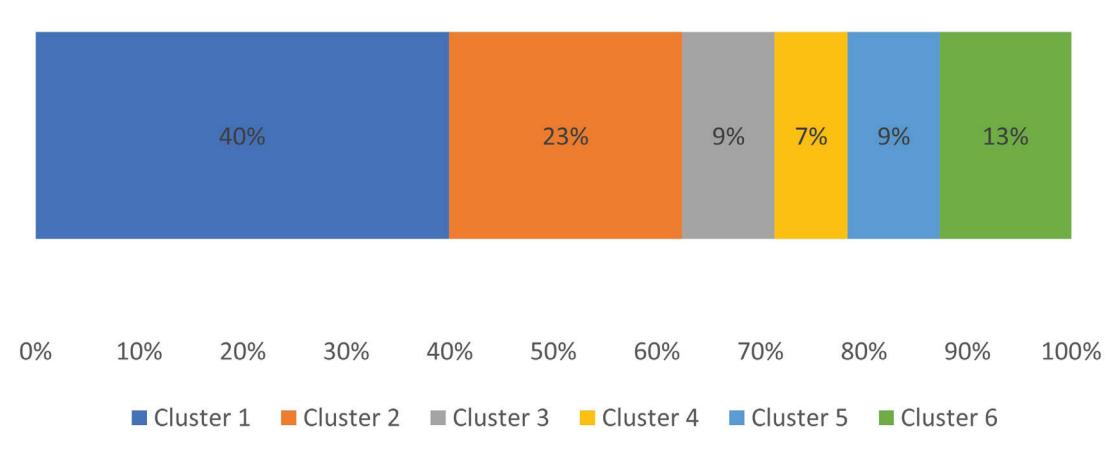
Figure 2 The Percentage of Community Expectation in Social Impact (Source: processed data)
Cluster 6 means the BRT is encourages the use of mass transportation as a substitute for public-private vehicles to reduce road congestion. Meanwhile, cluster 3 thinks that the BRT does not provide significant changes to the social situation of the community; moreover, cluster 5 think that the BRT operation will decrease the income of Angkot and pedicab driver.
The Economic Impact Expectations
The economic impact plays an essential role in improving public transport services. In sustainable development studies, economic aspect is a major concern compared to social and environmental (Mavi et al., 2018). The economic impact of bus services depends on their effect on the industrial economy and on fuel economy (Agarwal et al., 2017). Impacts on the industrial economy include increased property or land values, support to local industry, and job opportunities. In addition, the relatively cheap price is also one of the economic aspects that are the advantages of implementing BRT (Cruz-Daraviña et al., 2021).
There are 5 clusters that we have obtained, which is considered appropriate to represent the users' expectation effectively. The top five term features of each cluster can be seen in Table 3.
Clusters 1 to 4 show a positive expectation from the community about the economic impact of the BRT. The opening of new job opportunities (cluster 1), savings in travel costs, especially for some groups such as students and people with middle to lower economic levels (cluster 2), relatively cheap prices (cluster 3), and improved economy quality of the residents around the BRT stops (cluster 4).
On the other hand, not all people have the same expectation. Some people think that the existence of BRT as an alternative to public transportation does not have a significant economic impact. In addition, BRT is considered a competitor to other existing public transports, such as angkot, minibuses, and pedicab. The term features show this expectation in cluster 5. The percentage of the clusters can be seen in Figure 3.
TABLE III CLUSTER OF ECONOMY IMPACTS
| Cluster | ||||
|---|---|---|---|---|
| 1 | 2 | 3 | 4 | 5 |
| jobs | save | saving | economy | not |
| adding | travel | affordable | improve | less |
| employment | students | prices | community | effect |
| helpful | easy | cheaper | income | transportation |
| increase | people | expenses | surrounding | reduce |
(Source: Processed Data)
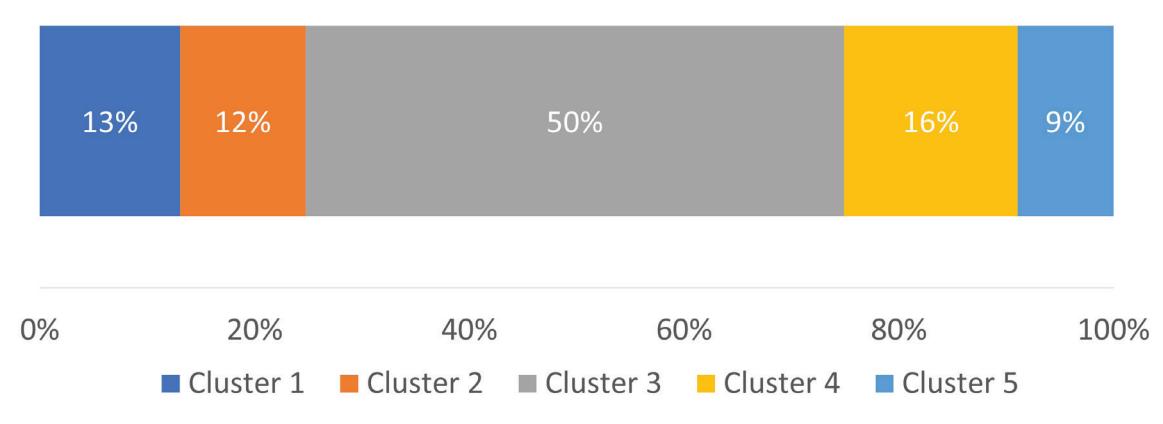
Figure 3 The Percentage of Community Expectation in Economic Impact (Source: processed data)
The Environment Impact Expectations
The increase in the number of vehicles is directly proportional to the increase in fuel consumption. The next implication of excessive fuel consumption is high air pollution. Therefore, the government as a policy maker is required to reduce vehicle traffic to minimize the effects of air pollution. The priority of action to overcome this problem is to provide better transit services by ensuring reliable and comfortable travel, one of which is the introduction of the BRT system (Kim et al., 2019).
The community' expectations of the environmental impact is divided into five clusters. These expectations were analyzed based on the five main terms for each cluster as shown in Table IV.
All the clusters show positive expectations. Cluster 1 shows that 28% of respondents think BRT can reduce air pollution and vehicle exhausts. As many as 21% of respondents in cluster 2 have stated that the BRT can reduce congestion and the dependency on the use of private vehicles. Cluster 3 shows that 14% of respondents think that the BRT is an environmentally friendly transportation system and at a certain level can reduce vehicle noise on the highway due to the reduced number of motorized vehicles. Furthermore, Cluster 5 shows that 3% of respondents think that the BRT helps to reduce carbon emissions and save fuel use. Cluster 4 shows the highest percentage, but the community has stated that there is no significant impact from BRT to the environment.
TABLE IV CLUSTER OF ENVIRONMENT IMPACTS
| Cluster | |||||
|---|---|---|---|---|---|
| 1 | 2 | 3 | 4 | 5 | |
| less | congested | environment | exist | less | |
| pollution | less | friendly | not | carbon | |
| air | vehicle | impact | effect | emissions | |
| smoke | private | good | pollution | saving | |
| clean | motorized | noisy | gasoline | fuel | |
(Source: Processed Data)
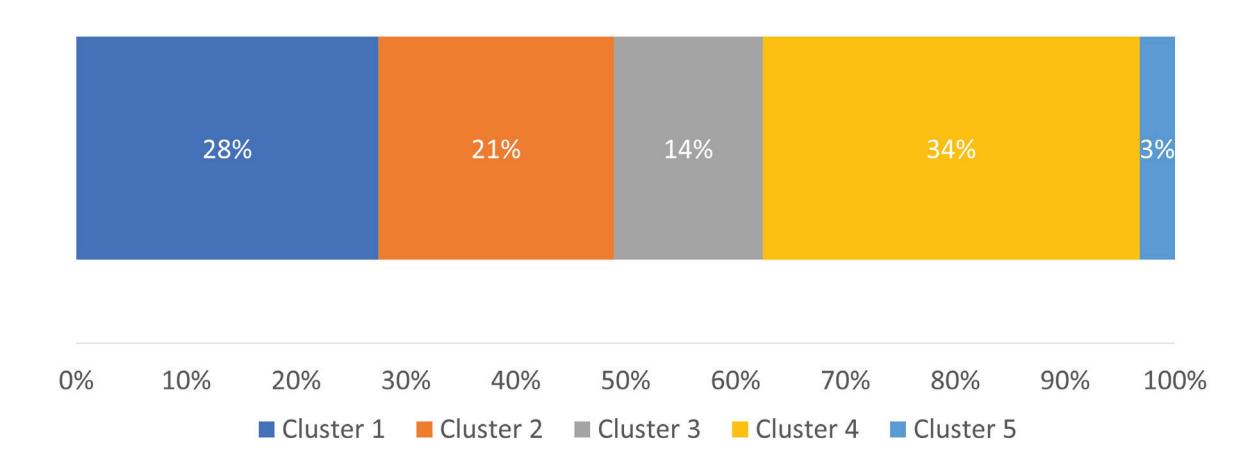
Figure 4 The Percentage of Community Expectation in Environment Impact (Source: processed data)
Implications and Recommendations
The BRT was launched in August 2018. Compared to other BRTs in Indonesia, the operation of the BRT discussed is still new and it needs more improvement and community engagement (Romadlon, 2020). The community engagement is from ridership and surrounding community who live nearby the bus stops (nonridership).
The community expectations towards the BRT operations is an increase in the community participation through public hearings and socialization to all stakeholders, (Angelina et al., 2018; Lindau et al., 2014; Wijaya et al., 2017). It supports the objective of the implementation of BRT to gain non-captive users and to choose an alternative public transportation to reduce the congestion and traffic density.
According to the social impact expectations, the BRT will increase the accessibility of public transportation. Therefore, it can be an alternative in daily mobility (Friman et al., 2020). Furthermore, it has been implemented as an inclusive public transportation. It shows that the BRT has provided priority seats for pregnant women and the elderly. Therefore, one of the goals of sustainable transportation policies is to increase the community engagement to support the BRT operations. The BRT provider has offered comfort, fast, safety driving, and affordable prices in the ridership.
However, the opposite expectations show some community think that the BRT operations do not give significant changes to the social impact. Other opinions prove that the BRT operation reduce the income of existing public transportation such as angkot, pedicab, and public bus.
There is a similarity between this BRT and those implemented in Bandung and Surabaya where the operations received strong opposition from social and political actors, especially from associations of angkot and minibus operators (Wijaya et al., 2017). It is shown that a government policy is compulsory to facilitate all stakeholders.
The expectation towards the economic impacts is the most tangible benefits that the community feels (Zolnik et al., 2018). The BRT gives the affordable price and improves the income of the surrounding community. Moreover, the BRT will open the opportunity for employment by facilitating their mobility (Guthrie & Fan, 2016). However, some community think differently. Therefore, it can be a recommendation for the BRT operator and government to increase the community participation through BRT to increase their economic opportunity.
The environment impact expectations show most of the community think that there are no significant environment impacts. Their opinions indicate that the BRT is not an environment friendly bus; instead, it adds more air pollution. It is a challenge for the BRT to gain more passengers from the educated and high-income groups, and most of them have the private vehicles (Batool et al., 2020).
Moreover, the government shall support the BRT through low emission transportation policy. It will enhance community engagement and in some countries, BRT has been proven to be able to reduce air pollution by up to 80%, save fuel and save energy costs due to the reduction of motor vehicles, and reduce CO, NOX, PM25, and PM10 (Bel & Holst, 2015).
CONCLUSION
Analysis on the expectation of the impact of BRT Trans Jateng Purwokerto-Purbalingga has shown the places as ones of the essential areas of research that measures the extent to which the BRT affects people's lives. Overall, the results of this study indicate that the community has a positive expectation of the social, economic, and environmental effects of the presence of the BRT. The positive social impact felt by the community about the existence of the BRT is the ease of mobility and access to transportation at affordable prices. However, it is undeniable that public expectation is not always positive. There is an opinion that the existence of the BRT does not have any social, economic, or environmental impact at all.
This study was limited to measuring the perceived effects of the BRT operations, where respondents filled out an open-ended questionnaire. Therefore, it can be said that the subjective element of assessing the impact of BRT in this study is still quite high. In addition, the difficulty of validating the number of clusters formed from the K-Means algorithm is also one of the obstacles in this research. Therefore, it is necessary to measure the benefits of implementing BRT quantitatively. Thus, this subjective expectation can be translated into the form of an exact number that can be accounted.
ACKNOWLEDGEMENT
We thank the BRT TransJateng operator for the opportunity to collect data and for respondents who give free time to fulfil our questionnaire. We appreciate to surveyor from the Industrial Engineering and Information System department for the data collection.
REFERENCES
- Agarwal, P. K., Gurjar, J., & Gupta, V. (2017). Evaluation of Socio-Economic Impact of City Bus Services in Developing Countries. Transportation Research Procedia, 25, 4589–4605. https://doi. org/10.1016/j.trpro.2017.05.379
- Angelina, S., Vallée, D., & Louen, C. (2018). The barriers in the implementation process and the operation of innovative Urban transport: The case of BRT Jakarta. WIT Transactions on the Built Environment, 176, 69–80. https://doi.org/10.2495/ UT170071
- Aquino, J. T. de, Souza, J. V. de, Silva, V. de C. L. da, Jerônimo, T. de B., & De Melo, F. J. C. (2018). Factors that influence the quality of services provided by the bus rapid transit system: A look for user's perception. Benchmarking, 25(9), 4035–4057. https:// doi.org/10.1108/BIJ-12-2017-0344
- Baghini, M. S., Ismail, A., Hafezi, M. H., Seifabad, O. K., & Almansob, R. A. (2014). Bus Rapid Transit (BRT) system impacts to environmental quality. Research Journal of Applied Sciences, Engineering and Technology, 7(7), 1158–1164. https:// doi.org/10.19026/rjaset.7.400
- Batarce, M., A, J. C. M., S, J. de D. O., Raveau, S., Mojica, C., & Rios, R. A. (2015). Evaluation of passenger comfort in Bus Rapid Transit Systems. Inter-American Development Bank, March, 1–44.
- Batool, I., Irshad, M., & Abid, M. (2020). A Policy Move towardsSustainable Urban Transport in Pakistan: Measuring the Social, Environmental and Economic Impacts of Lahore BRT System. The Lahore Journal of Economics, 25(1), 27– 57. https://doi.org/10.35536/lje.2020.v25. i1.a2
- Bel, G., & Holst, M. (2015). Evaluation of the Impact of Bus Rapid Transit on Air Pollution. The Research Institute of Applied Economics (IREA), 19, 1–43.
- Bocarejo, J. P., Velasquez, J. M., Díaz, C. A., & Tafur, L. E. (2012). Impact of bus rapid transit systems on road safety: Lessons from Bogotá, Colombia. Transportation Research Record, 2317, 1–7. https://doi. org/10.3141/2317-01
- Carrigan, A., King, R., Velasquez, J. M., Raifman, M., & Duduta, N. (2013). Social, Environmental and Economic Impacts of Brt Systems.
- Cruz-Daraviña, P. A., Sánchez-Díaz, I., & Bocarejo Suescún, J. P. (2021). Bus rapid transit (Brt) and urban freight competition for space in densely populated cities. Sustainability (Switzerland), 13(12), 1–21. https://doi.org/10.3390/su13126611
- Filippova, O., & Sheng, M. (2020). Impact of bus rapid transit on residential property prices in Auckland, New Zealand. Journal of Transport Geography, 86(August 2019), 102780. https://doi.org/10.1016/j. jtrangeo.2020.102780
- Friman, M., Lättman, K., & Olsson, L. E. (2020). Public transport quality, safety, and perceived accessibility. Sustainability (Switzerland), 12(9). https://doi. org/10.3390/SU12093563
- Global BRT Data. (2021). Global BRT Data. Global BRT Data.
- Guthrie, A., & Fan, Y. (2016). Economic Development Impacts of Bus Rapid Transit.
- Ingvardson, J. B., & Nielsen, O. A. (2018). Effects of new bus and rail rapid transit systems–an international review. Transport Reviews, 38(1), 96–116. https://doi.org/10 .1080/01441647.2017.1301594
- Jagiełło, A. (2017). The role of the Bus Rapid Transit in public transport. Transportation Overview - Przeglad Komunikacyjny, 2017(2), 1–9. https://doi.org/10.35117/a_ eng_17_02_01
- Koling, A., Zhang, W.-B., Zhou, K., & Meng, H. (2018). Bus Rapid Transit ( BRT ) Toolbox : Assessing Person Throughput to Measure Transportation Impacts for BRT Projects.
- Lindau, L. A., Hidalgo, D., & de Almeida Lobo, A. (2014). Barriers to planning and implementing Bus Rapid Transit systems. Research in Transportation Economics, 48, 9–15. https://doi.org/10.1016/j. retrec.2014.09.026
- Listifadah, L. (2019). Dampak Sosial Proyek Kereta Api Studi Kasus Mass Rapid Transit (Mrt) Jakarta, Indonesia. Warta Penelitian Perhubungan, 27(1), 19. https:// doi.org/10.25104/warlit.v27i1.771
- Lubis, Y. A., Sirojuzilam, & Lubis, S. (2018). Youth Perception on Features and Accessibility of Bus Rapid Transit Mebidang in Bridging Interconnected Areas in North Sumatera. International Journal of Research and Review, 5(September), 192–200.
- Malik, B. Z., Rehman, Z. ur, Khan, A. H., & Akram, W. (2020). Women's mobility via bus rapid transit: Experiential patterns and challenges in Lahore. Journal of Transport and Health, 17(610), 100834. https://doi. org/10.1016/j.jth.2020.100834
- Mavi, R. K., Zarbakhshnia, N., & Khazraei, A. (2018). Bus rapid transit (BRT): A simulation and multi criteria decision making (MCDM) approach. Transport Policy, 72(September 2017), 187–197. https://doi.org/10.1016/j. tranpol.2018.03.010
- McGreevy, M. (2021). Cost, reliability, convenience, equity or image? The cases
- for and against the introduction of light rail and bus rapid transit in inners suburban Adelaide, South Australia. Case Studies on Transport Policy, 9(1), 271–279. https:// doi.org/10.1016/j.cstp.2021.01.001
- Nikitas, A., & Karlsson, M. (2015). A Worldwide State-of-the-Art Analysis for Bus Rapid Transit: Looking for the Success Formula. Journal of Public Transportation, 18(1), 1–33. https://doi.org/10.5038/2375- 0901.18.1.3
- Nizam, M. T., Astuti, P., & Manan, M. (2017). Preferensi Masyarakat Tentang Alternatif Pemecahan Masalah Transportasi Di Jalan Riau Kota Pekanbaru. Jurnal Teknik Sipil Unaya, 2(1), 1–12.
- Ogundare, B. A., & Ndulue, D. C. (2019). Socio-Economic Importance of Bus Rapid Transit: A Panacea to Sustainable Transport Development in Nigeria. The African in the Competitive 21st Century: Towards an Agenda for Urgent Repositioning, November 2019. https:// doi.org/10.20431/2454-8685.0601004
- Oviedo, D., Scholl, L., Innao, M., & Pedraza, L. (2019). Do Bus Rapid Transit Systems improve accessibility to job opportunities for the poor? The case of Lima, Peru. Sustainability (Switzerland), 11(10). https://doi.org/10.3390/su11102795
- Pandit, D., & Das, S. (2013). A Framework for Determining Commuter Preference Along a Proposed Bus Rapid Transit Corridor. Procedia - Social and Behavioral Sciences, 104, 894–903. https://doi.org/10.1016/j. sbspro.2013.11.184
- Pardo, C., & Weinstock, A. (2018). The BRT Planning Guide. ITDP.
- Ridlo, M. (2018). Ayo, Cek Jadwal dan Rute BRT Gratis Purwokerto-Purbalingga. Liputan6.Com. https://www.liputan6. com/regional/read/3616543/ayo-cekjadwal-dan-rute-brt-gratis-purwokertopurbalingga
- Romadlon, F. (2020). Non-ridership presumption toward new bus rapid transit purwokertopurbalingga execution. Advances in Science, Technology and Engineering
- Systems, 5(4), 795–804. https://doi. org/10.25046/AJ050494
- Romadlon, F. (2021). Layanan Bus Rapid Transit Purwokerto-Purbalingga pada Pengguna Wanita Menuju Kesiapan Dimensi Smart Mobility. Warta Penelitian Perhubungan, 33(1), 29–38. https://doi.org/10.25104/ warlit.v33i1.1480
- Romadlon, F., & Saintika, Y. (2020). Preferensi Pengguna terhadap Layanan Bus Rapid Transit Ridership Preferences on Purwokerto-Purbalingga Bus Rapid Transit ( BRT ) Service. Jurnal Manajemen Dan Transportasi Logistik, 07(02), 58–67. https://doi.org/10.25292/j.mtl.v7i2.359
- Safitri, D. M., Surjandari, I., & Sumabrata, R. J. (2020). Assessing factors affecting safety violations of bus rapid transit drivers in the Greater Jakarta Area. Safety Science, 125(February). https://doi.org/10.1016/j. ssci.2020.104634
- Sari, C. A. N., & Afriandini, B. (2020). Evaluasi Kinerja Bus Rapid Transit Trans Jateng Pada Koridor Purwokerto-Purbalingga. Sainteks, 17(1), 53–60. https://doi. org/10.30595/sainteks.v17i1.7222
- Suyal, H., Panwar, A., & Singh Negi, A. (2014). Text Clustering Algorithms: A Review. International Journal of Computer Applications, 96(24), 36–40. https://doi. org/10.5120/16946-7075
- Tabassum, S., Tanaka, S., & Nakamura, F. (2016). Improving Access considering Commuters ' Perception ( A Case Study of Lahore BRT ) Keywords : International Journal of Innovative Research in Engineering and Management (IJIREM), 3(4), 283–289.
- Venter, C., Jennings, G., Hidalgo, D., & Valderrama Pineda, A. F. (2017). The equity impacts of bus rapid transit: A review of the evidence and implications for sustainable transport. International Journal of Sustainable Transportation, 12(2), 140–152. https://doi.org/10.1080/1 5568318.2017.1340528
- Vermeiren, K., Verachtert, E., Kasaija, P., Loopmans, M., Poesen, J., & Van Rompaey, A. (2015). Who could benefit from a bus rapid transit system in cities from developing countries? A case study from Kampala, Uganda. Journal of Transport Geography, 47, 13–22. https:// doi.org/10.1016/j.jtrangeo.2015.07.006
- Wahyuni, E. S., Murti, B., & Joebagio, H. (2016). Public Transport Accessibility for People with Disabilities. Journal of Health Policy and Management, 01(01), 1–7. https://doi. org/10.26911/thejhpm.2016.01.01.01
- Wijaya, S., Imran, M., & McNeill, J. (2017). Multi-level policy tensions in Bus Rapid Transit (BRT) development in low-income Asian cities. Transportation Research Procedia, 25, 5104–5120. https://doi. org/10.1016/j.trpro.2018.02.040
- Zolnik, E. J., Malik, A., & Irvin-Erickson, Y. (2018). Who benefits from bus rapid transit? Evidence from the Metro Bus System (MBS) in Lahore. Journal of Transport Geography, 71(June), 139–149. https:// doi.org/10.1016/j.jtrangeo.2018.06.019