

Keywords:
industry 4.0, economic globalization, internet, mobile phones, Indonesia
The world is constantly moving and working to revive the hope of improving welfare and quality of life. People's enthusiasm for the sophistication of IT is undoubtful. From this study, our highest determination is to explore how the role of economic globalization as a constructive effort increases the internet users and attracts the attention of mobile phone customers in Indonesia. The analysis technique is supported by multiple linear regression through three patterns including linear, semi-log (natural logarithm), and double-log (Cobb-Douglas) functions. Then, an extra software is applied for a Sobel test. We collected data from The Global Economy report in the period 2013-2020. We concluded that there are direct and indirect relationships regarding objectives, hypothetical frameworks, and conceptual models. It is proven that there has been no variable that has a significant effect because its p> 0.10. From the indirect path, economic globalization also has yet to show a significant effect on mobile phone customers via internet users (p> 0.10). This study recommends novelties that need to be studied intensively for the sustainability of research in the future, where it is necessary to expand indicators outside of this text and time-lag (long term). Lastly, concrete policies are not only concentrated on the theoretical aspect but also on smart actions based on practical outcomes that will help the government, academics, and practitioners move towards all the dynamics of industry 4.0.
INFO ARTIKEL
ABSTRAK
Kata kunci:
indutsri 4.0, globalisasi ekonomi, internet, telepon seluler, Indonesia
Dunia bergerak dan bekerja tanpa henti dalam rangka menghidupkan harapan akan adnya perbaikan kesejahteraan dan kualitas kehidupan. Antusiasme orang-orang akan kecanggihan TI sudah tidak diragukan lagi. Dari kajian ini, tekad tertinggi kami adalah untuk mengeksplorasi bagaimana peran globalisasi ekonomi sebagai upaya konstruktif meningkatkan pengguna internet dan menarik perhatian pelanggan telepon seluler di Indonesia. Teknik analisis didukung oleh regresi linear berganda melalui tiga pola, yaitu fungsi linear, semi-log (logaritma natural), dan doublelog (Cobb-Douglas). Kemudian, software ekstra diterapkan untuk uji Sobel. Data dikumpulkan dari The Global Economy pada periode 2013-2020. Disimpulkan bahwa ada keterkaitan secara langsung dan tidak langsung yang mengacu kepada tujuan, kerangka hipotesis, dan model konsepsional. Hal ini terbukti karena tidak ditemukan variabel yang berpengaruh signifikan karena p> 0,10. Secara tidak langsung, tampak
bahwa globalisasi ekonomi tidak berpengaruh signifikan terhadap pelanggan telepon seluler melalui pengguna internet (p> 0,10). Kajian ini merekomendasikan kebaruan yang perlu ditelaah secara intensif untuk keberlanjutan penelitian di masa mendatang. Selain itudiperlukan perluasan indikator-indikator diluar naskah ini dan penambahan time-lag (jangka panjang). Terakhir, kebijakan konkret tidak saja terkonsentrasi pada segi teoretis, melainkan aksi cerdas berdasarkan luaran praktis yang akan membantu pemrintah, akademisi, dan praktisi bergerak menuju segala dinamika dari industry 4.0.
https://doi.org/10.5614/sostek.itbj.2022.21.1.6
Introduction
Industry 4.0 is not a mere concept, but it is real to face. Likes and dislikes are the other side of the civilization of human progress (Kaasinen et al., 2020; Rojko, 2017). All preparations from aspects of technology, information, communication, to robotic sophistication have become an inseparable part of and side by side with humans (Sima et al., 2020). All attention is not only focused on how all groups, especially various ages, can adapt quickly, but also on how to use it to get various elements (profit, economic, and efficient).
It is reasonable that you include the economic aspect to highlight the intense competition. The reason is that global demands indirectly call for a transformation that must follow the millennial trend (Maiers, 2017). Implementing the response as early as possible is expected to make things easier for technology adoption (e.g., Magotra, 2016; Bukchin & Kerret, 2018; Abidah et al., 2020). In fact, people can control activities, work, transact, and decide from anywhere and anytime with no significant obstacles (Katawetawaraks & Wang, 2011).
Vaidya et al. (2018) informed that there are nine vital pillars in industry 4.0, including cloud computing, system integration, simulation, addictive manufacturing, artificial intelligence (AI), cyber security, augmented reality, big data, and internet of things (IoT). In this phase, there are seven priority sectors to encourage the acceleration of industry 4.0 in Indonesia including the electronics industry, textile and clothing industry, chemical industry, food and beverage industry, medical device industry, automotive industry, and pharmaceuticals (Ellitan, 2020). These sectors were chosen because they consistently contribute to the national economy up to 60% in 2020. In addition, their contribution to the export market is 65% and can absorb workers reaching up to 60% (BPS, 2021).
The influence of industry 4.0 in expanding information and technology (IT) networks in Indonesia highly depends on the availability of good infrastructure facilities. We cannot imagine if the internet connection is bad and disrupts all communication and information networks; all incomes in all sectors will experience a drastic decline, and of course, it has the potential and vulnerability to threaten the national defense. It is not to mention the challenges and opportunities facing society (5.0), started by Japan (Narvaez Rojas et al., 2021). This is a tough choice if there is no prominent push and change in developing countries, especially Indonesia.
As summarized in Figure 1, the global economic flows trigger positive developments for internet service users and mobile phone customers for 8 periods (2013-2020). Although economic globalization (EG) seems to have progressed in a less consistent dynamics in 2017-2020, it does not have significantly impact on the desire of the Indonesian people to continue to subscribe to the internet, so that it is in line with the enthusiasm for using cellular phones. Those who use the internet from year to year always increase; for instance, in 2020 alone there are 53.73% of the total national population. EG's highest peak for 2016 was 52.67 points and although it dropped a few points afterwards, this figure still did not have a significant effect on cellular phone subscribers, which continued to increase dramatically until 2020 to reach 130.1 subscribers per 100 Indonesians.
It should be noted that the internet connections reaching all regions in Indonesia are now supported by five sources including asymmetric digital subscriber line (ADSL), cable TV, Wi-Fi, local area network (LAN), and dial-up (Blank & Groselj, 2014). What users often consume are Wi-Fi, dial-up, and
ADSL. For networks, dial-up and ADSL are usually implemented through a global system for mobile communications (GSM) with certain brands (Salac & Kim, 2016). GSM is easy to get, cheap, practical, and available in the nearest cellular shops, so that GSM cards attract a wide market for various consumers (Jang-Jaccard & Nepal, 2014). GSM has also become an integral part of cellular phones because they come in one package. People could get multi-functions of cellular phones, such as communication tools, information media, and the outside world by exploring through an internet connection.
Tight competition is an important part that also needs attention. How will it lead to global competition, if a country ignores economic instability, such as international cooperation in the share of commodity trade, investment, and tax revenues with various innovative policies and programs? Why should it be in Indonesia? Complicated questions arise that require in-depth exploration of these logical reasons.
There is a gap in the development of facilities and infrastructure in Indonesia, which is far behind other developing countries. Interestingly, this underdevelopment is seen at the ASEAN level, such as Singapore and Malaysia. The two countries are far above Indonesia. As explained by Nasution (2016) and Hadiyat (2014). In the last decade, Indonesia has experienced a digital divide because of geographical factors, where the level of IT development between rural-urban areas is also a major factor. In addition, lack of knowledge, because of the low level of education of the Indonesian population, is also a complement to the problem of lagging in digitization. Therefore, uneven distribution of groups from various locations hinders the achievement of welfare per capita (Pusparisa, 2021). In terms of IT quality, only the western part of Indonesia is considered as good by the central government, but in the central to eastern regions it has not been used optimally.
Referring to the complexity of the problems in Indonesia, to answer the big work on universal magnets and the IT world, it is important to do this study to identify the main determinants of the role of the electronics industry, especially the effects of economic globalization on the internet users and the intensity of cellular phones in Indonesia. It is concentrated on this paper in five parts. The first part discusses the introduction, the second part describes the literature review and hypothesis development, the third part is the method, the fourth part reviews the results and discussion, and the fifth part summarizes the findings.
Industry 4.0
The revival of industry 4.0 continues to be at the center of progress. Now, the importance of spurring industry 4.0 is the adoption of centralized technology with internet networks to create added value for society and companies (Roblek et al., 2016). One of the nine syntheses of industry 4.0 practices is leading to IoT, which is shown in Figure 2. These components have been described in the introductory session.
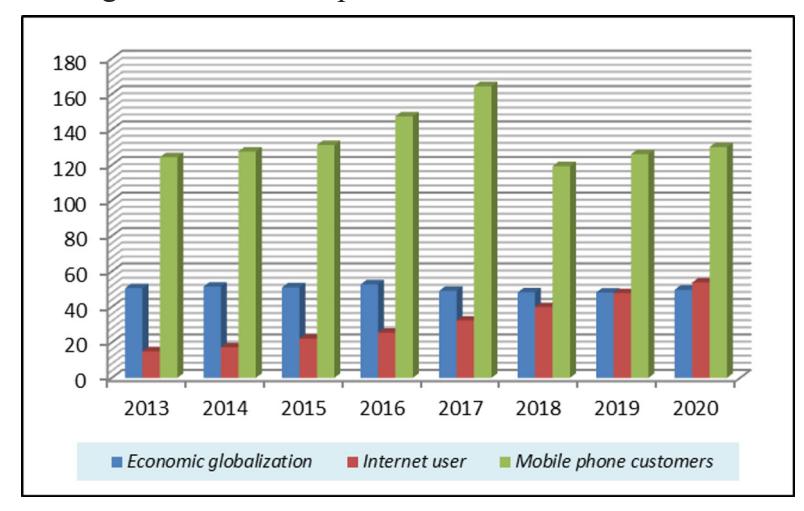
Figure 1 Trend of EG, internet users, and mobile phone customers in Indonesia (2013-2020) (Source: The Global Economy, 2021).
Figure 2 Industry specialization 4.0 (Source: Tay et al., 2018).
There are policy, managerial, and academic conflicts, but apart from that, the industrial revolution has imprinted a clear complexity for clearly conceptualized performance progress (Beltrami et al., 2021). Although Dossou (2019) criticizes formalism and the basis for many theoretical debates from industry 4.0, the consequences of his journey will simulate the company's performance effectively. At least, industry 4.0 implements a change model that targets work quality, environment, and social progress.
Economic Globalization
Economic globalization has strong integration and interdependence, referring to the scale of trade in services, commodities, rapid technological spread, cross-border, and international-scale capital flows. In recent periods, Shangquan (2000) has responded to the changing era of changes in economic development throughout the world. The rapid development of technology and science reflects a significant driving force for an economic system that spreads significantly (Purwanto et al., 2017).
In the economic globalization, Axford (2013) addresses the appeal of globalization, which is neoliberal and the most popular in relation to economic policy. In fact, Everett (2015) believes that economic globalization is one thing that cannot be separated from the theory of capitalism, as an equation, and an economic phenomenon in capitalist expansion that influences global thinking.
In relation to the economic globalization with the internet and cellular telephones, Khiabany (2003) suggests the greatest possibility of a very striking evolution of the internet. The evolution of global information is structured and signifies broad institutional, cultural, and social changes. Economic globalization also promises a steady transformation of access between countries to transform digital communications, media, and knowledge diversity supported by the findings of Rodriguez-Crespo et al. (2019) which identifies the effects of bilateral trade on internet users. The positive impact is seen in high, middle, and low-income countries, which separately formed a positive relationship. The more exports from the global market, the higher the internet users for countries with high economies are. It shows specifically different things for low- and middle-income countries because the internet is still a secondary or tertiary need.
The link between economic globalization and the number of cellular phone usage have attracted the attention of Moretti (2011) and Aker & Mbiti (2010). Indeed, the target of the global economy is the large market in developed countries. Now, economic globalization does not refer to national boundaries, but to economic integration at the global level by involving cultural, political, economic, and government policies, as well as market share for cellular communications. In some periods, even the demand for cell phones becomes real and spreads everywhere with low-cost implementation. The availability of wireless connectivity is a positive expression of the context of globalization. Interestingly, in sub-Saharan Africa, there is still an enormous gap between poor-rich and rural-urban access to mobile phone use. However, information spreads quickly and cheaply, thus affecting comprehensive economic development in Africa.
From the point of view of studies that apply to the research objectives, we propose the escalation in two further hypotheses:
H1–Economic globalization adds positive and significant internet users.
H2–Economic globalization adds positive and significant mobile phone customers.
Internet Users
Recently, various countries are competing to create and present internet channels that can reach all communities. Those who need the availability of a good internet network to produce smart ICT and help digital-based jobs welcome this. The frequency of digitization is a necessity in modern times (Drabowicz, 2010). Lopez-Sintas et al. (2012) discusses the internet use which has a positive impact as a manifestation of the progress of civilization and human sophistication. In Spain, the practice of the internet in social spaces and between social classes is a necessity related to individual consumption to absorb all ICT as an answer to investment for a bright future.
Mukherjee & Sharma (2019) also started an event in the Indian market regarding the effect of services based on retention, loyalty, and customer satisfaction of mobile data services, which is becoming more widespread. In fact, in some areas such as Gurgaon, Noida, Faridabad, and Delhi, the volume increase in mobile subscribers is inseparable from improving the internet services. There is a positive significant relationship between the quality of service obtained by customers with the ease of getting access to information connected to fellow users, which is available whenever it is needed. Cellular service providers highly depend on the capabilities and capacity of the internet in each city.
Responding to the explanation from a logical perspective and reconstruction, we propose the following hypothesis:
H3–Internet users add mobile phone customers positively and significantly.
Mobile Phone Customers
In the 19th century to the 20th century, there have been considerable attention from media science for the breakthrough of the cellular telephone (Lasen, 2002). Besides, access to communication, the consequences, and functions of the telephone are a major effort in encouraging social life to interact with each other. Slide (2004) describes the reflection of modern life as a series of spectacular everyday life.
Saprikis et al. (2018) see the problem from another perspective. The industrial sector is experiencing an increase in revenue and is having an extraordinary opportunity, for example, for cellular services, which can incur additional costs to send products, services, or goods. This is an innovative value-added and long-term solution as it leverages mobility and commerciality. Consumer behaviors and attitudes in the era of modern mobile phones have become important jobs for companies in Greece. They want to learn and understand the reactions of using mobile devices. The main concentration is the development of models that involve the enjoyment of innovation, encouraging relationships and trust, skills, and intention to consumers.
It is very logical if we propose another hypothesis:
H4–the internet users play a positive and significant role in enhancing and mediating the relationship between economic globalization and mobile phone customers.
Method
Data sets and operationalization
The focus of this study lies on a quantitative approach, and it is determined by time-series data (e.g., Johnston, 2017; Martins et al., 2018; Lowry, 2015). Secondary data related to economic globalization, internet users, and mobile phone customers in Indonesia were compiled from a reliable source, namely The Global Economy (2021). These three indicators have different definitions and benchmarks. Researchers only focused on eight years data (2013-2020). It represented the research design in Figure 3.
The boundaries of the three indicators are connected and described according to their respective roles. Economic globalization acts as an independent variable on the internet users and cellular subscribers as dependent variables. Economic globalization also applies to its relationship with mobile phone customers with the use of intervening variables (in this case, internet users). The fourth relay is an extra phase to investigate the role of the internet users (independent) and their relationship to mobile phone subscribers (dependent).
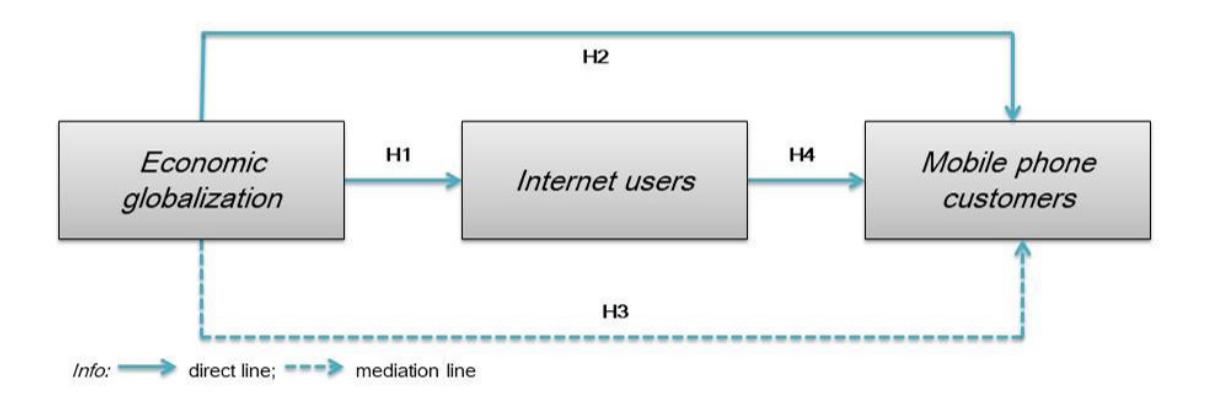
Figure 3 Schematics and visualization (Source: author's modification)
Global Economy (GE) is defined as the restriction of capital and trade, as well as actual economic flows. Actual economic flow includes a sub-section of the index based on data on portfolio investment, private investment, and trade. Limits of GE calculate income barriers from international trade (foreign exchange and customs), capital controls, average tariffs, and hidden imports. The unit of account for GE is the index, where the highest point is 100 and 0 is the lowest point.
Internet users (IU) are defined as the percentage of the population who have internet access in public spaces, at work, or at home. They are individuals who have consumed or used the internet in the last 3 months (in any location and at any time). Smart devices such as digital TVs, game machines, cellphones, and computers are connected to the internet. The standard for internet users is percentage of population. The composition of maximum internet users is 100%, and 0% is the lowest.
Finally, cellular telephone subscribers (MPC) are symbolized by those who have cellular telephones and are available to the public switched telephone network (PSTN). Mobile technology includes the volume of active prepaid accounts and postpaid subscriptions for at least the last 3 months. Subscribers on various cellular phones apply when offering voice communications. Specifically, it excludes telemetry services, radio paging, telepoint, privately owned cellular radio, public cellular, data service subscriptions, USB modems, and members for data cards. The criteria in this indicator are per 100 people, where the lowest was 0 people per 100 customers in 1960 and the highest in 2017 was 164.44 people per 100 customers.
Data Validation
Following collection of data, the next step is to interpret them through multiple linear regression. Here, the analytical instrument applied with the IBM-SPSS program for direct path proportions. Meanwhile, the path is indirectly processed by the Sobel test (Preacher & Hayes, 2004). Another procedure is the harmonization of econometric functions which are quite popular, namely linear, semi-log (natural logarithm), and double-log (Cobb-Douglas) functions as analogized by Olusola et al. (2021) and Wu et al. (2004). In the simple model, it specified the implicit determination function:
\[Y = f(X_1, X_2, e)\] [1]
\(Y = a + b_1X_1 + b_2X_2 + e\) [2] where Y = cell phone customers, \(X_1\) = economics globalization, \(X_2\) = internet user, e = error term, a = constant term, and \(b_1 - b_2\) = estimated of regression coefficients.
The empirical models for semi-log and double log are expressed as follows:
\[Y = \alpha + Ln\beta_1X1 + Ln\beta_2X_2 + \mu\] [3]
\(Y = \alpha + Log\beta_1X_1 + Log\beta_2X_2 + \mu\) [4]
Info: Ln = natural logarithm, Log = double-log, Y = cell phone customers, \(X_1\) = economics globalization, \(X_2\) = internet user, \(\mu\) = error term, \(\alpha\) = constant term, and \(\beta_1 - \beta_2\) = estimated of regression coefficients.
Results and Discussion
Table 1 displays the descriptive statistical analysis. We have confirmed that the three indicators have different mean, range, standard deviation, and variance values. MPC is the most striking variable to achieve the mean, range, standard deviation, and variance compared to IU (lowest) and MPC (2<sup>nd</sup> order). The actualization of the three is intended as an indicator in the global ranking and is often applied as a comparison between countries in projecting trends in a certain period.
The basic assumption after obtaining descriptive statistics is to review the predictions of two-way reciprocity in the relationship between variables through Pearson correlation. In Table 2, we summarize the correlation analysis by applying three references (linear, semi-log, and double-log functions).
Table I Summary of descriptive statistics
| Mean | Range | Std. Dev. | Variance | |
|---|---|---|---|---|
| EG | 50.0738 | 4.57 | 1.61959 | 2.623 |
| IU | 31.6563 | 38.79 | 14.31043 | 204.788 |
| MPC | 133.8125 | 45.10 | 14.82329 | 219.730 |
(Source: calculation using IBM-SPSS).
Table II Correlation with functional form
| Linear | |||||
|---|---|---|---|---|---|
| EG | IU | MPC | |||
| EG | 1 | -0.674 (0.067) * | 0.193 (0.646) * | ||
| IU | -0.674 (0.067) * | 1 | -0.078 (0.854) * | ||
| MPC | 0.193 (0.646) * | -0.078 (0.854) * | 1 | ||
| Covariance | 2.623 | -15.611 | 32.515 | ||
| N | 8 | 8 | 8 | ||
| Semi-log | |||||
| EG | IU | MPC | |||
| EG | 1 | -0.671 (0.068) * | 0.224 (0.595) * | ||
| IU | -0.671 (0.068) * | 1 | 0.014 (0.974) * | ||
| MPC | 0.224 (0.595) * | 0.014 (0.974) * | 1 | ||
| Covariance | 0.001 | -0.010 | 0.001 | ||
| N | 8 | 8 | 8 | ||
| Double log | |||||
| EG | IU | MPC | |||
| EG | 1 | -0.671 (0.068) * | 0.224 (0.595) * | ||
| IU | -0.671 (0.068) * | 1 | 0.014 (0.974) * | ||
| MPC | 0.224 (0.595) | 0.014 (0.974) * | 1 | ||
| Covariance | 0.000 | -0.002 | 0.000 | ||
| N | 8 | 8 | 8 | ||
(Source: calculations using IBM-SPSS; *10% probability rate each).
There is no crucial difference in the correlation values, either from simple linear functions, semilogs, or double logs. The purpose of applying Pearson correlation is to get information on the direction of the linear relationship and the strength between variables. The terms and characteristics of r always lie between +1 and -1 (Schober, 2018). It must be remembered, if there is a strong linear relationship between variables, it does not mean that there is causation (Danacica & Babucea, 2007). Consistently, there is a close causality between EG to MPC and vice versa. The causation of EG to IU, and IU to MPC, and vice versa, does not seem tight.
There are similarities in the regression results with semi-log or double-log approaches. The overall value of each path is similar. However, what makes the difference is the performance of the constants (see Table 3). The partial effect of these two functions confirmed that EG had a negative but significant impact on IU (β= -0.671 and p = 0.068 <0.10). The other two relationships, from the EG pathway to MPC and IU to MPC, were positive but they are not significant (β = 0.024 and p = 0.595> 0.10; β = 0.014 and p = 0.974> 0.10).
In addition to the linear approach, there is one relationship that is concluded to be negative and insignificant. Causality that does not match the design hypothesis is IU with MPC (β = -0.078 and p = 0.854> 0.10). Then, the other two pathways showed that there was a negative but significant relationship between EG with IU (β = -0.674 and p = 0.067> 0.10) and EG with MPC (β = 0.193 and p = 0.646> 0.10).
The good news is that simultaneous testing of all three analytical approaches is workable, because the F-ratio appears positive (F = 156.479 and 59.549; p = 0.000 <0.10), so the conclusion is positive and significant. Although the coefficient of determination is classified as moderate (R2 = 49.7% and 50%), this model also deserves appreciation and development. The achievement of the R2 value in this group was achieved because of the interval 0.41–0.60 (e.g., Iskandar et al., 2016).
Table III Path analysis composition
| Linear | Semi-log | Double log | |
|---|---|---|---|
| Constant | 511.179 | 48.566 | 21.092 |
| EG IU | -0.674 (0.067) * | -0.671 (0.068) * | -0.671 (0.068) * |
| EG MPC | 0.193 (0.646) * | 0.224 (0.595) * | 0.224 (0.595) * |
| IU MPC | -0.078 (0.854) * | 0.014 (0.974) * | 0.014 (0.974) * |
| F-ratio | 156.479 | 59.549 | 59.549 |
| F. Sig. | 0.000 | 0.000 | 0.000 |
| R2 | 0.497 | 0.500 | 0.500 |
| Adjusted R2 | 0.080 | 0.085 | 0.085 |
(Source: calculations using IBM-SPSS; *10% probability rate each)
None of the hypotheses is accepted because the beta and probability coefficients are below the conditions. Interestingly, when we look at the dominant effect of the four causalities, only the pathway that connects EG to MPC should be considered. At least, with constant addition of EG, it will impact increasing MCP up to 19.3% in linear models and 22.4% for semi-log or double-log models.
In the mediation pathway, the causality between EG and MPC through the IU effect was positive, but it was not significant. The multiplication of the coefficients of EG explains the evidence with MPC and IU with MPC (β = 0.052 and p = 0.149> 0.10). Therefore, no path is eliminated because there is a positive effect.
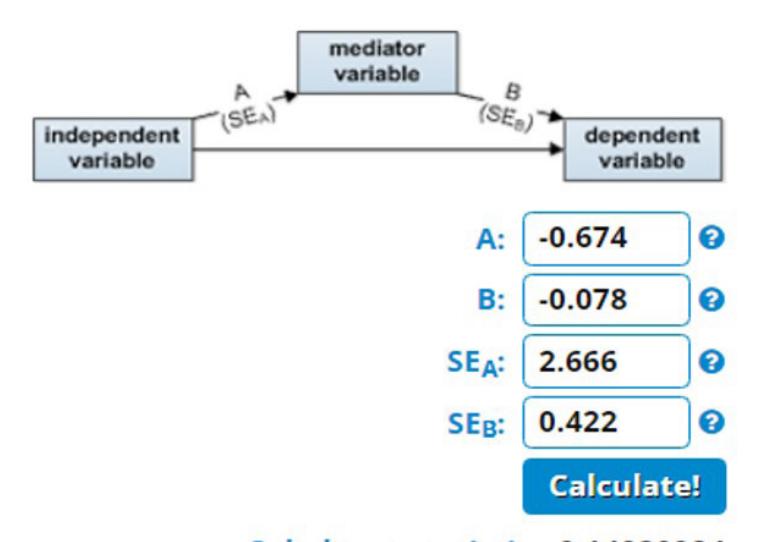
Fig 4 Determinants at the intervening stage (Source: https://www.danielsoper.com/statcalc/calculator.aspx?id=31).
To address and win industry 4.0, Indonesia must be oriented and spur the digital framework. Sophisticated systems and the digital economy can provide sustainable goals. This capability can also put pressure on institutions in all aspects, resulting in rapid adoption (Gupta et al., 2020). Upstream and downstream companies should also understand this momentum. We consider its presence as a comprehensive change, involving automation and digitization of every part of the company to develop, improve and make it more competitive in the industrial market (Tay et al., 2018; Fernández-Miranda et al., 2017).
Kamsu et al. (2004) pioneered a positive study of global trade relations in electronics and information and communication technology (ICT). To combat poverty by utilizing the potential of ICT in developing countries, there are still gaps in socio-economic factors to access ICT. Group differences in location, economic status, and demographics, expand the economies of developing countries, but they have minor impact on improving the well-being of the population. Dramatically, there is still a gap in the internet users between the rich and the poor. The internet service connectivity only reaches those with large and middle incomes, while it is exceedingly difficult for the poor to get ICT eligibility.
Another issue was addressed by Ifigeneia & Dimitrios (2018), that uncertain globalization brings a situation of cultural and social influence gradually. They associate the business agenda with the agenda of social media as a social service that allows every user to benefit without exception. Navigating social networks expands society in a globalized era and its practice relies heavily on the ability of individuals to filter and operate relationships across generations.
In socio-cognitive theory, Larose et al. (2001) have applied gratification and usability to describe internet users. As a result, there is a positive correlation between the internet user behaviors and satisfaction. Using the internet is very promising, as seen by a study of Lin et al. (2018) that has enriched this significant prospect, i.e., that internet users bring a very meaningful balance to human life. The internet is deemed an integral dimension to unify the principles of communication, social, behavioral, and cognitive functions, psychological relationships, interpersonal, and knowledge transfer.
Most recently, Gerpott & Meinert (2016) innovated in their study of the behavior of cell phone usage, i.e., the effects of the internet network in Germany. The rapid development of the internet browsing power becomes a supplement for mobile devices. People in Germany feel helped by communication
services with the proliferation of various cell phone sales. As a complement, the internet is more stable and faster; it also contributes to the cross-border need for cellular telephone services.
Regarding countries that are members of the European Union (such as Poland, Hungary, Czech Republic, Croatia, Bulgaria, Slovenia, Lithuania, and Latvia), Pay et al. (2021) focuses on investigating their determination of technology adoption towards formal financial services. During 1996-2017, innovative technologies solved managing and improving financial institutions. We have met customer expectations. With no significant obstacles, the increase on the internet and mobile phone penetration has been commensurate with the facilities implemented through the transaction platform security. Financial inclusion makes financial services easier, saves time, minimizes errors, provides a competitive business framework, and reduces transaction costs or administrative burdens.
It is plausible as in the education system in the future, mobile phone subscribers are increasingly widespread. Ya'u & Idris (2015) pioneered a study focusing on academic management in Nigerian schools to introduce mobile phones, so that they can apply it to the education system. Subjective norms, behavioral control, and student attitudes are still in a reasonable stage in expanding the horizons of knowledge. Not only that, McGuigan (2005) thinks that cultural and social phenomena have progressed since the mobile phone existence. In use, the issue surrounding the transition from 2G to 3G, and now 4G, is a contemporary process of change to address the sociality of mobile phones.
Conclusion
This study seeks to identify whether economic globalization has a significant effect on the internet users and mobile phone customers in Indonesia. In the period 2013-2020, we find that there has been an important signal and great work because the 1st hypothesis, 2nd hypothesis, 3rd hypothesis, and 4th hypothesis have been rejected. This study represented that economic globalization has no significant impact on the internet users, although the probability shows that it is significant. It is only the internet users who have got a positive impact, even though the probability is not significant for mobile phone subscribers (semi-log and double-log models). Meanwhile, in the linear approach, it is negative and not significant. Interestingly, economic globalization plays a positive role for mobile phone customers and indirectly through the internet users, although in the short term, the results are not significant.
The logic of thinking is that it is a sharp critique that refers to this vital finding as feedback to accelerate consistently from Indonesia. Moving towards industry 4.0 is a challenge, but not impossible, if various elements take it seriously, including the government.
The achievement of an economic development in a developing country (such as Indonesia), especially regarding the element of digitalization, has become a priority to eliminate and reduce socioeconomic problems. The superiority of IT is not an exaggeration considering that Indonesia is still a region that is still in the process of metamorphosis from a caterpillar to a butterfly and needs to be transformed like a cocoon.
This study contributes maximally to reveal the objectives designed, hence weaknesses can become opportunities for more varied studies for future agendas.
Acknowledgement
We are grateful to the Faculty of Economics and Business–Universitas Mulawarman for internal help in this research. The authors also appreciate the reviewers who have been willing to give positive comments to correct and improve the quality of the manuscript.
References
- Aker, J. C., & Mbiti, I. M. (2010). Mobile phones and economic development in Africa. Journal of Economic Perspectives, 24(3), 207-32. https://doi.org/10.1257/jep.24.3.207
- Abidah, A., Hidaayatullaah, H. N., Simamora, R. M., Fehabutar, D., & Mutakinati, L. (2020). The impact of Covid-19 to Indonesian education and its relation to the philosophy of "merdeka belajar". Studies in Philosophy of Science and Education, 1(1), 38-49. https://doi.org/10.46627/sipose.v1i1.9
- Axford, B. (2013). Theories of globalization. Cambridge: Polity Press.
- Bayar, Y., Gavriletea, M. D., & Păun, D. (2021). Impact of mobile phones and internet use on financial inclusion: empirical evidence from the EU post-communist countries. Technological and Economic Development of Economy, 27(3), 722-741. https://doi.org/10.3846/tede.2021.14508
- Beltrami, M., Orzes, G., Sarkisb, J., & Sartor, M. (2021). Industry 4.0 and sustainability: towards conceptualization and theory. Journal of Cleaner Production, 312, 127733. https://doi.org/10.1016/j. jclepro.2021.127733
- BPS. (2021). Statistik Indonesia 2021 [Statistics of Indonesia 2021]. Retrieved from https://www.bps. go.id/publication/2021/02/26/938316574c78772f27e9b477/statistik-indonesia-2021.html
- Blank, G., & Groselj, D. (2014). Dimensions of Internet use: amount, variety, and types. Information, Communication & Society, 17(4), 417–435. https://doi.org/10.1080/1369118X.2014.889189
- Bukchin, S., & Kerret, D. (2018). Food for hope: the role of personal resources in farmers' adoption of green technology. Sustainability, 10(5), 1615. https://doi.org/10.3390/su10051615
- Danacica, D-E., & Babucea, A-G. (2007). Methodological aspects in using Pearson coefficient in analyzing social and economic phenomena. European Research Studies, XI (3-4), 89-98. Retrieved from https://core.ac.uk/download/pdf/159922478.pdf
- Drabowicz, T. (2017). Social theory of internet use: corroboration or rejection among the digital natives? correspondence analysis of adolescents in two societies. Computers & Education, 105, 57-67. https://doi.org/10.1016/j.compedu.2016.10.004
- Dossou, P-E. (2019). Using industry 4.0 concepts and theory of systems for improving company supply chain: the example of a joinery. Procedia Manufacturing, 38, 1750-1757. https://doi.org/10.1016/j. promfg.2020.01.093
- Everett, C. (2015). Recent trends in globalization scholarship [Review of the book theories of globalization, by Barrie Axford]. Global Education Review, 2(2), 117-119. Retrieved from https://ger.mercy.edu/ index.php/ger/article/view/189/135
- Ellitan, L. (2020). Competing in the era of industrial revolution 4.0 and society 5.0. Jurnal Maksipreneur: Manajemen, Koperasi, dan Entrepreneurship, 1(1), 1-12. http://dx.doi.org/10.30588/jmp.v10i1.657
- Fernández-Miranda, S. S., Marcos, M., Peralta, M. E., & Aguayo, F. (2017). The challenge of integrating industry 4.0 in the degree of mechanical engineering. Procedia Manufacturing, 13, 1229-1236. https://doi.org/10.1016/j.promfg.2017.09.039
- Gerpott, T. J., & Meinert, P. (2016). The impact of mobile Internet usage on mobile voice calling behavior: a two-level analysis of residential mobile communications customers in Germany. Telecommunications Policy, 40(1), 62-76. https://doi.org/10.1016/j.telpol.2015.09.004
- Geser, H. (2004). Towards a sociological theory of the mobile phone. In: Sociology in Switzerland: Sociology of the Mobile Phone. Online Publications, Zuerich. Retrieved from http://socio.ch/ mobile/t_geser1.htm
- Gupta, S., Modgil, S., Gunasekaran, A., & Bag, S. (2020). Dynamic capabilities and institutional theories for Industry 4.0 and digital supply chain. Supply Chain Forum: An International Journal, 21(3), 139-157. https://doi.org/10.1080/16258312.2020.1757369
- Hadiyat, Y. D. (2014). Digital divide in Indonesia (case study in Wakatobi-Regency). Jurnal Pekommas, 17(2), 81-90. http://dx.doi.org/10.30818/jpkm.2014.1170203
- Ifigeneia, M., & Dimitrios, A. (2018). Globalization, social media, and public relations: a necessary relationship for the future? KnE Social Sciences, 3(10), 309–325. https://doi.org/10.18502/kss. v3i10.3546
- Iskandar, D., Suprapto, Y. K., & Purnama, I. K. (2016). Determination of priority parameter for classification of poverty using Chi-square method and Crammer's V correlation. International Seminar on Application for Technology of Information and Communication (ISemantic), 247-252. https://doi.org/10.1109/ISEMANTIC.2016.7873846
- Jang-Jaccard, J., & Nepal, S. (2014). A survey of emerging threats in cybersecurity. Journal of Computer and System Sciences, 80(5), 973-993. https://doi.org/10.1016/j.jcss.2014.02.005
- Johnston, M. (2017). Secondary data analysis: a method of which the time has come. Qualitative and Quantitative Methods in Libraries, 3(3), 619-626. Retrieved from http://www.qqml-journal.net/ index.php/qqml/article/view/169
- Kaasinen, E., Schmalfuß, F., Özturk, C., et al. (2017). Empowering and engaging industrial workers with operator 4.0 solutions. Computers & Industrial Engineering, 139, 105678. https://doi.org/10.1016/j. cie.2019.01.052
- Kamssu, A. J., Siekpe, J. S., & Ellzy, J. A. (2004). Shortcomings to globalization: using internet technology and electronic commerce in developing countries. The Journal of Developing Areas 38(1), 151- 169. https://doi.org/10.1353/jda.2005.0010
- Katawetawaraks, C., & Wang, C. L. (2011). Online shopper behavior: influences of online shopping decision. Asian Journal of Business Research, 1(2), 66-74. https://doi.org/10.14707/ajbr.110012
- Khiabany, G. (2003). Globalization and the internet: myths and realities. Trends in Communication 11(2), 137-153. https://doi.org/10.1207/S15427439TC1102_05
- Larose, R., Mastro, D., & Eastin, M. S. (2001). Understanding internet usage: a social-cognitive approach to uses and gratifications. Social Science Computer Review, 19(4), 395–413. https://doi. org/10.1177/089443930101900401
- Lasen, A. (2002). The social shaping of fixed and mobile networks: a historical comparison. DWRC, University of Surrey.
- Lin, X., Su, W., & Potenza, M. N. (2018). Development of an online and offline integration hypothesis for healthy internet use: theory and preliminary evidence. Frontiers in Psychology, 9, 492. https:// doi.org/10.3389/fpsyg.2018.00492
- López-Sintas, J., Filimon, N., & García-Álvarez, M. E. (2012). A social theory of internet uses based on consumption scale and linkage needs. Social Science Computer Review, 30(1), 108–129. https:// doi.org/10.1177/0894439310390611
- Lowry, L. (2015). Bridging the business data divide: insights into primary and secondary data use by business researchers. IASSIST Quarterly, 39(2), 14-25. https://doi.org/10.29173/iq779
- Magotra, I., Sharma, J., & Sharma, S. K. (2016). Assessing personal disposition of individuals towards technology adoption. Future Business Journal, 2(1), 81-101. https://doi.org/10.1016/j. fbj.2016.05.003
- Maiers M. (2017). Our future in the hands of millennials. The Journal of the Canadian Chiropractic Association, 61(3), 212–217. Retrieved from https://pubmed.ncbi.nlm.nih.gov/29430050/
- Martins, F., da Cunha, J., & Serra, F. (2018). Secondary data in research uses and opportunities. Iberoamerican Journal of Strategic Management, 17(4), 01-04. https://doi.org/10.5585/ijsm. v17i4.2723
- McGuigan, J. (2005). Towards a sociology of the mobile phone. Human Technology, 1(1), 45-57. https:// doi.org/10.17011/ht/urn.2005125
- Moretti, M. (2011) Globalization of mobile and wireless communications: bridging the digital divide. In: Prasad R., Dixit S., van Nee R., Ojanpera T. (eds) Globalization of Mobile and Wireless Communications, Signals and Communication Technology. Springer, Dordrecht. https://doi. org/10.1007/978-94-007-0107-6_3
- Mukherjee, N. K., & Sharma, S. (2019). Effect of mobile data service on customer loyalty, retention, and satisfaction in Indian industry. Journal of Advanced Research in Dynamical and Control Systems, 11(10), 1260-1271. https://doi.org/10.5373/JARDCS/V11SP10/20192971
- Narvaez Rojas, C., Alomia Peñafiel, G. A., Loaiza Buitrago, D. F., & Tavera Romero, C. A. (2021). Society 5.0: a Japanese concept for a superintelligent society. Sustainability, 13(12), 6567. https:// doi.org/10.3390/su13126567
- Nasution, R. D. (2016). Effect of digital divide on rural development. Jurnal Penelitian Komunikasi dan Opini Publik, 20(1), 31-44. Retrieved from https://library.ui.ac.id/detail?id=20440603&lokasi=lokal
- Olusola, A. T., Kamila, A. O., Lawrence, B. O., et al. (2021). Effects of anchor borrowers' programme on rice production in Irepodun/Ifelodun Local Government Area, Ekiti State. Journal of Life &Physical Sciences, 13(1), 13-25. Retrieved from https://www.researchgate.net/publication/354313378_ Effects_of_anchor_borrowers'_programme_on_rice_production_in_IrepodunIfelodun_Local_ Government_Area_Ekiti_State
- Preacher, K. J., & Hayes, A. F. (2004). SPSS and SAS procedures for estimating indirect effects in simple mediation models. Behavior Research Methods, Instruments, & Computers, 36, 717-731. https:// doi.org/10.3758/BF03206553
- Purwanto, Y., Taufik, M., & Jatnika, A. W. (2017). Peran teknologi informasi dalam perkembangan dakwah mahasiswa [The role of information technology in the development of student da'wah]. Jurnal Sosioteknologi, 16(1), 94-109. https://doi.org/10.5614/sostek.itbj.2017.16.1.8
- Pusparisa, Y. (2021). Ketimpangan ekonomi Indonesia ada di berbagai sisi [Indonesia's economic inequality exists on various sides]. Retrieved from https://katadata.co.id/muhammadridhoi/ analisisdata/600ae1cc246d2/ketimpangan-ekonomi-indonesia-ada-di-berbagai-sisi
- Roblek, V., Meško, M., & Krapež, A. (2016). A complex view of industry 4.0. SAGE Open, 6, 1-11. https://doi.org/10.1177/2158244016653987
- Rodriguez-Crespo, E., Billon, M., & Marco, R. (2019). Impacts of internet use on trade: new evidence for developed and developing countries. Emerging Markets Finance and Trade, 57(10), 3017-3032. https://doi.org/10.1080/1540496X.2019.1676225
- Rojko, A. (2017). Industry 4.0 concept: background and overview. International Journal of Interactive Mobile Technologies, 11(5), 77-90. https://doi.org/10.3991/ijim.v11i5.7072
- Salac, R. A., & Kim, Y. S. (2016). A study on the internet connectivity in the Philippines. Asia Pacific Journal of Business Review, 1(1), 67-88. https://doi.org/10.20522/apjbr.2016.1.1.67
- Shangquan, G. (2000). Economic globalization: trends, risks, and risk prevention. Economic & Social Affairs, CDP Background Paper No. 1. Department of Economic and Social Affairs Economic Analysis, United Nations. Retrieved from https://www.un.org/development/desa/dpad/publication/ cdp-background-paper-no-01/
- Saprikis, V., Markos, A., Zarmpou, T., & Vlachopoulou, M. (2018). Mobile shopping consumers' behavior: an exploratory study and review. Journal of Theoretical and Applied Electronic Commerce Research, 13(1), 71-90. http://dx.doi.org/10.4067/S0718-18762018000100105.
- Schober, P., Boer, C., & Schwarte, L. A. (2018). Correlation coefficients: appropriate use and interpretation. Anesthesia and Analgesia, 126(5), 1763–1768. https://doi.org/10.1213/ANE.0000000000002864
- Sima, V., Gheorghe, I. G., Subić, J., & Nancu, D. (2020). Influences of the industry 4.0 revolution on the human capital development and consumer behavior: a systematic review. Sustainability, 12(10), 4035. https://doi.org/10.3390/su12104035
- Tay, S. I., Chuan, L. T., Aziati, A. H., & Ahmad, A. N. (2018). An overview of industry 4.0: definition, components, and government initiatives. Journal of Advanced Research in Dynamical and Control Systems, 10(14), 1379-1387. Retrieved from https://simbotix.com.au/wp-content/uploads/2020/06/ I4.0-Defintiions.pdf
- The Global Economy. (2020). Indonesia economic indicators. Retrieved from https://www. theglobaleconomy.com/Indonesia/
- Vaidya, S., Ambad, P., & Bhosle, S. (2018). Industry 4.0 a glimpse. Procedia Manufacturing, 20, 233- 238. https://doi.org/10.1016/j.promfg.2018.02.034
- Wu, J. J., Adams, R. M., & Plantinga, A. J. (2004). Amenities in an urban equilibrium model: residential development in Portland, Oregon. Land Economics, 80(1), 19-32. https://doi.org/10.2307/3147142
- Ya'u, L., & Idris, B. (2015). Theory of planned behaviour and the use of cell/mobile phone in the classroom. International Research Journal of Electronics and Computer Engineering, 1(1), 1-6. https://doi.org/10.24178/irjece.2015.1.1.01
*https://www.danielsoper.com/statcalc/calculator.aspx?id=31