

INFO ARTIKEL
Kata kunci:
Orang Indonesia, Makanan Korean, Naïve Bayes, Analisis Sentimen
ABSTRAK
Sebagian besar produk budaya Korea (Korea Selatan) meningkat di seluruh dunia, seperti film drama, lagu, fashion, dan makanan. Budaya Korea diterima secara luas oleh masyarakat dunia dan memunculkan fenomena Korean Wave atau Hallyu. Di Indonesia khususnya anak muda tertarik dengan budaya Korea, yaitu dari media sosial. Fenomena tersebut menciptakan bisnis baru khususnya untuk makanan Korea. Banyak orang Indonesia yang penasaran untuk mencoba makanan tersebut setelah menonton Drama Korea atau artis Korea melakukan vlog melalui media sosial mereka. Tujuan penelitian ini adalah untuk mengetahui perspektif orang Indonesia terhadap makanan Korea dari media sosial seperti Twitter dan YouTube. Penelitian ini mengukur analisis sentimen dari perspektif Indonesia. Metode yang digunakan adalah algoritma Naïve Bayes untuk klasifikasi data. Hasil penelitian menunjukkan masyarakat Indonesia memiliki minat positif dan negatif terhadap makanan Korea. Hal ini berarti peluang untuk memulai bisnis makanan Korea di Indonesia terbuka lebar. Oleh karena itu, Hal ini dapat menjadi peluang baik untuk mengembangkan bisnis kuliner berbasis budaya Korea yang sedang booming.
Introduction
Indonesia's economic growth is experiencing rapid growth due to the large number of human resources owned by Indonesia. GDP per capita increased from USD 700 in 2000 to USD 4,000 in 2020 (Kemenkeu, 2021). Indonesia is the largest market in ASEAN (Jeong & Choi, 2019). It has the most people, the most land, and the most natural resources, so its economy is growing at a rate of 5% per year.
Indonesians' higher incomes have led to more spending, which has led many foreign companies, including South Korea, to enter the Indonesian market (Bappenas RI, 2021). The Indonesian people's enthusiasm for Korean products stems from the Korean wave, also known as Hallyu, which has influenced people all over the world, beginning in Asia and spreading to America, Europe, and Africa (Pratiwi & Wijayanto, 2014). Online media and social media like YouTube, Facebook, and Twitter are also making Korean culture very popular in Indonesia (Simbar, 2016).
Many people worldwide come to learn about, know about, and love South Korean culture, ranging from music, movies, and dramas to their unique drinks and food (Tjoe & Kim, 2016). Hallyu has become more popular around the world, and people are becoming more interested in and fond of Korean culture. This has led Indonesians to buy more Korean products, including Korean specialties (Jeong & Choi, 2019).
Indonesia is the fourth country that uses the most South Korean products. This includes transportation, drugs, drinks, and food. Indonesia's total production percentage is 53%, which is lower than Brazil's (54.4%). The percentage can be seen in Figure 1 (Lidwina, 2021). Because of this, the popularity index for Korean culture in Indonesia is higher than in Japan, India, China, or Thailand. According to an infographic from the Korea Herald, Indonesia is the Southeast Asian country with the most new Korean restaurants opening (Shertina, 2021). It is also the fourth fastest growing country in the world. Indonesian people's strong interest in Korean food is inspired by the Korean artists they watch in dramas, films, and soap operas. Furthermore, some of these phenomena are also influenced by the influencers who taste Korean food (Patricia, 2021). Furthermore, the popularity of Korean contents, especially food, has reached 52.5%, after Korean fashion and Korean music (Figure 2) (Adawiyah, 2019).
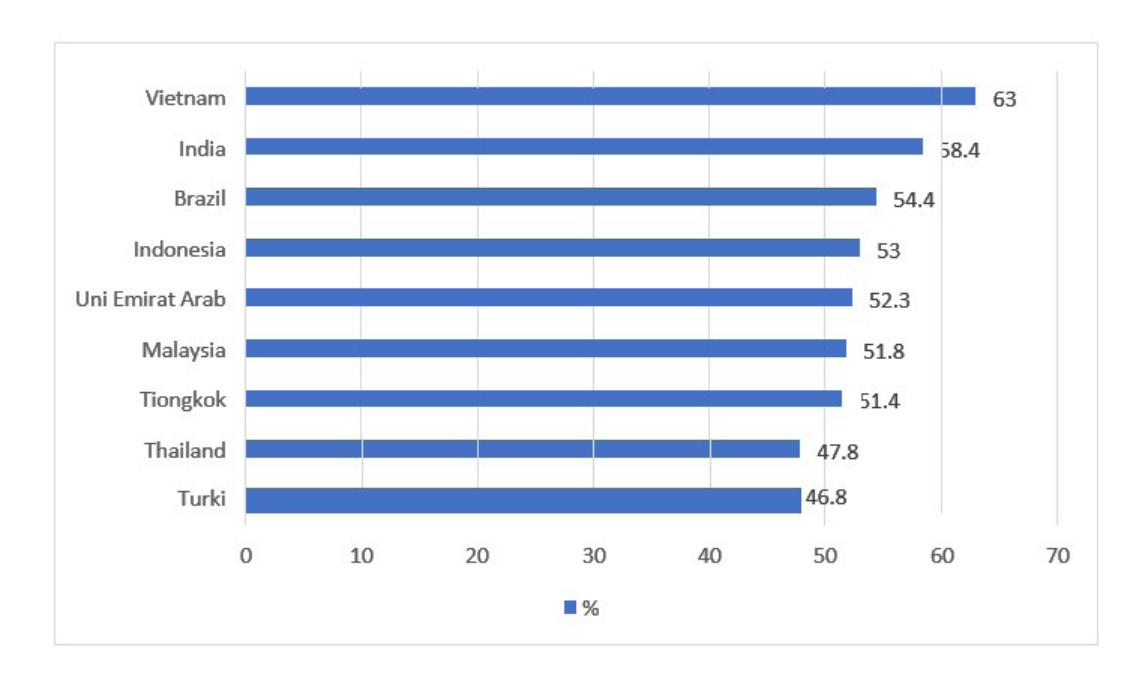
Figure 1 Percentage the interested customer for Korean Products based on countries (Source: Lidwina (2021))
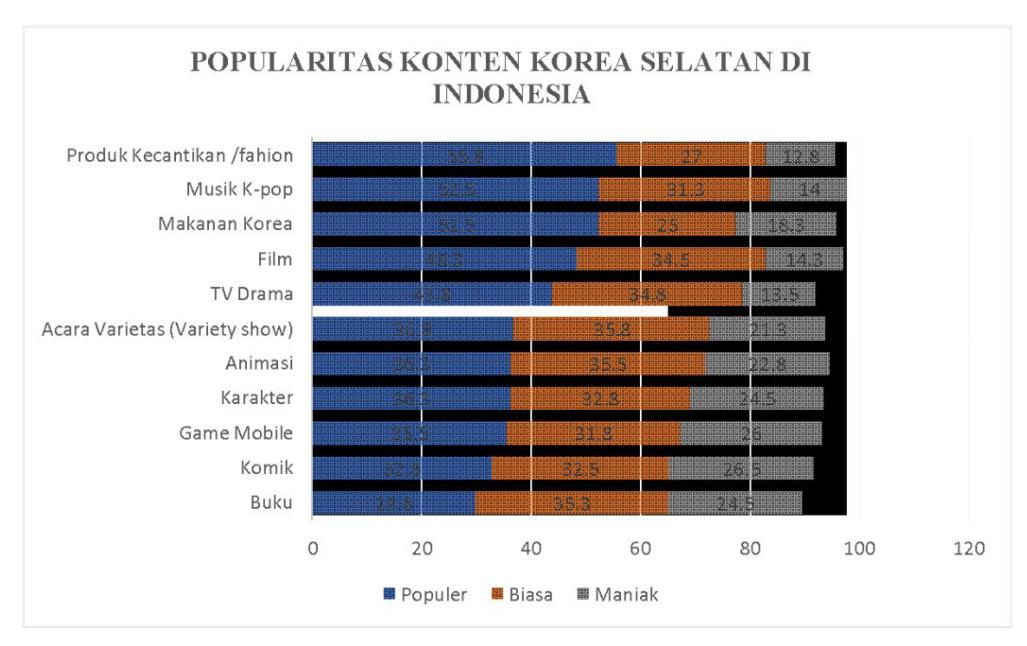
Figure 2 Popularity Korean content in Indonesia (Source: Adawiyah (2019))
At this time, the food business will increase following the increasing purchasing power of the people and the activity and mobility of a person, which cause the habit of eating outside the home to increase. Non-traditional snacks are commonly seen in this modern era. Non-traditional snacks are foods that are processed with modern tools. Therefore, the fast-paced, practical, and current development of people's lifestyles makes businesspeople interested in opening a culinary business to improve the economy (Prasatya et al., 2018).
Gojek, as a start-up company, has shown many new businesses related to food and beverages. Around 40% of culinary businesses are managed by young people, such as millennials and Z generations (Genady & Michellita, 2021). According to the Association of Indonesian Food Service Companies (APJI), the Indonesian culinary industry grew by 12.7% in 2018 and is expected to continue to grow annually (Trihendrawan, 2019). The growth was influenced by culinary creativity and some innovations. Changes in taste and food safety, as well as changes in digital technology, will be led by education and training. This situation makes the culinary sector pay more attention to the government (Untari, 2019).
The rapid growth of social media, such as Twitter and YouTube, has raised public perceptions of the emergence of South Korean specialties in Indonesia (Kamhar & Lestari, 2019). One of the typical South Korean foods is tteok, or rice cakes, in the shape of a long, dense cylinder made of rice flour. Tteok is made by steaming rice flour and adding other additives. Fusion food is food that combines spices, ingredients, and techniques to combine foods from one region with another to create new flavors and characteristics in terms of taste, color, aroma, and texture. The type of fusion food used is regional fusion, a combination of cuisines from various countries that are still on one continent (Juliana et al., 2021). Based on comments or responses from the public, the fast flow of information, especially on social media, can be used as a way to measure market trends (Rahmi, 2021). Therefore, sentiment analysis is used to measure this phenomenon.
Sentiment analysis is a process for classifying and determining the polarity of a text in a document or sentence so that it makes it easier for someone to determine its category as positive, negative, or neutral (Ardhiansyah et al., 2019). Sentiment analysis is often used to see and determine the perceptions made by the public on various social networks such as Google, YouTube, Twitter, Instagram, and Facebook (Franklin, 2019). Sentiment analysis can be equated with opinion mining because its task is to focus on comparing positive or negative opinions (Saputra et al., 2019). In sentiment analysis, data collection is done by analyzing, processing, and extracting textual data about an entity, such as services, products, people, phenomena, or topics, from certain trends (Liu, 2012). Likewise, Tokopedia uses sentiment analysis to improve the value of information by turning customers' views and opinions into criticism, suggestions, and recommendations (Pajri et al., 2020). This makes the services they offer more satisfying to their customers. Furthermore, sentiment analysis is used to help companies know public perceptions and opinions when assessing a product that they make and sell through social media (Indrayuni, 2017).
Therefore, a study was needed to capture the enthusiasm and interest of the Indonesian people toward Korean food by analyzing public sentiment. This study analyzes sentiment by classifying opinions, perceptions, and reviews as positive or negative. The reviews will help new food entrepreneurs analyze the market, especially South Korean food trends, which can be used as new business opportunities (Indrayuni, 2017). Considering that Indonesia is a Muslim-majority country, people tend to intend to buy food based on religion and concern for halal food labels, especially the millennial generation (Astuti & Asih, 2021).
Method
This study used the Naive Bayes algorithm for data classification. The data used were generated from Twitter and YouTube from 2020 to 2021, including 700 comments, opinions, and reviews from Twitter and YouTube using Rapid Miner software. Naive Bayes is a method used to classify data in sentiment analysis using text mining. This method has the potential to improve classification accuracy and data computation. Naive Bayes is a method for classifying data that is often used when mining data, especially on Twitter and YouTube (Samsir et al., 2021). The Naive Bayes method can predict the probability of membership in a data class; each attribute in a data set is separate or independent (Rahmi, 2021). In addition, processing and classifying data that can be adjusted to their nature and needs makes it very easy for business actors to analyze market demands and determine customer satisfaction levels (Gunawan et al., 2018). There were many stages to classify the data, including data retrieval, preprocessing, feature extraction, classification using Naive Bayes, and concluding. The stages of this study can be seen in Figure 1 (Iskandar & Nataliani, 2021).

Figure 3 The Process of Stages in Research (Source: processed data)
Figure 3 depicts the stages of this study. Data collection is a technique to gain data from Twitter and YouTube (Salsabila & Trianasari, 2021). The following step was preprocessing, which means that the data was cleaned of irrelevant information. The preprocessing stage included data cleaning, filtering, case folding, tokenizing, and stemming. As part of the feature extraction stage, the cleaned data were assigned a value for each word or vector using the term frequency-inverse document frequency (TF-IDF) calculation.
Moreover, the Naive Bayes algorithm was used at the classification stage to test and evaluate the data to gain sentiment results. The final step was to draw the conclusion after checking the level of accuracy obtained. The data classification stage using the Naive Bayes algorithm can be seen in Figure 4.

Figure 4 Classification Model using Naive Bayes Algorithm (Source: processed data)
Results and Discussion
Results
The results of the sentiment classification can be seen in Table I. Table I displays the number of data points with positive categories that were identified as true positives: 278. The amount of data with negative types detected as true positives was 147. Also, 55 positive category data points were seen as true negatives, and 216 negative category data points were seen as true positives. All the information came from Twitter and YouTube comments, reviews, opinions, and perceptions.
This study's accuracy value is 70.97%, which means the model is entirely accurate. The precision value is 83.48%, which means the model level is exact in predicting positive or negative words or sentences. Furthermore, the recall number is 65.41%. It indicates that the sensitivity level of the model's prediction is entirely accurate.
Table I Confusion Matrix Model for Naïve Bayes Algorithm
| Variable | True Positive | True Negative |
|---|---|---|
| Positive Prediction | 278 | 55 |
| Negative Prediction | 147 | 216 |
| Accuracy | 70.97% | |
| Precision | 83.48% | |
| Recall | 65.41% |
(Source: processed data)
Table II Sentiment Classification Result
| Text | Sentiment |
|---|---|
| Better go to Thailand and Korea want to try the street food | Negative |
| Snacks Korean pentol, tofu, and cuttlefish if street food is the best | Positive |
| I want to eat korean food | Positive |
| I want to add more but my stomach is not enough I feel like all you can eat at your place you can take as much as you want wkwk | Negative |
| There's a Korean food festival, so I want to eat it with my friend, it's okay | Positive |
| I want to eat Korean food, but I don't have money | Negative |
(Source: processed data)
Table II shows that the Naive Bayes algorithm used to classify sentiments gave two results: positive and negative. Positive means there is a good response from Indonesians toward Korean food, and negative means vice versa. Positive shows statements like "I want to eat Korean food," and negative shows statements like "I want to eat Korean food, but I don't have money."
Table III Positive Result Modeling Topic
| Positive Texts | ||
|---|---|---|
| There is | Get Over Here | |
| Younger brother | Content | |
| Good | Korea | |
| Jajangmyeon | K-poppers | |
| Honest | Culinary | |
| Miss | Customer | |
| Curry | Eat | |
| Love | Public | |
| Out of Stock | Pick up | |
| There | Try | |
(Source: processed data)
Table III shows that Indonesians (netizens) have a positive reaction towards Korean food on Twitter and YouTube. The comments are younger brother, good, jajangmyeon, honest, miss, culinary, customer, eat, public, pick up, and try.
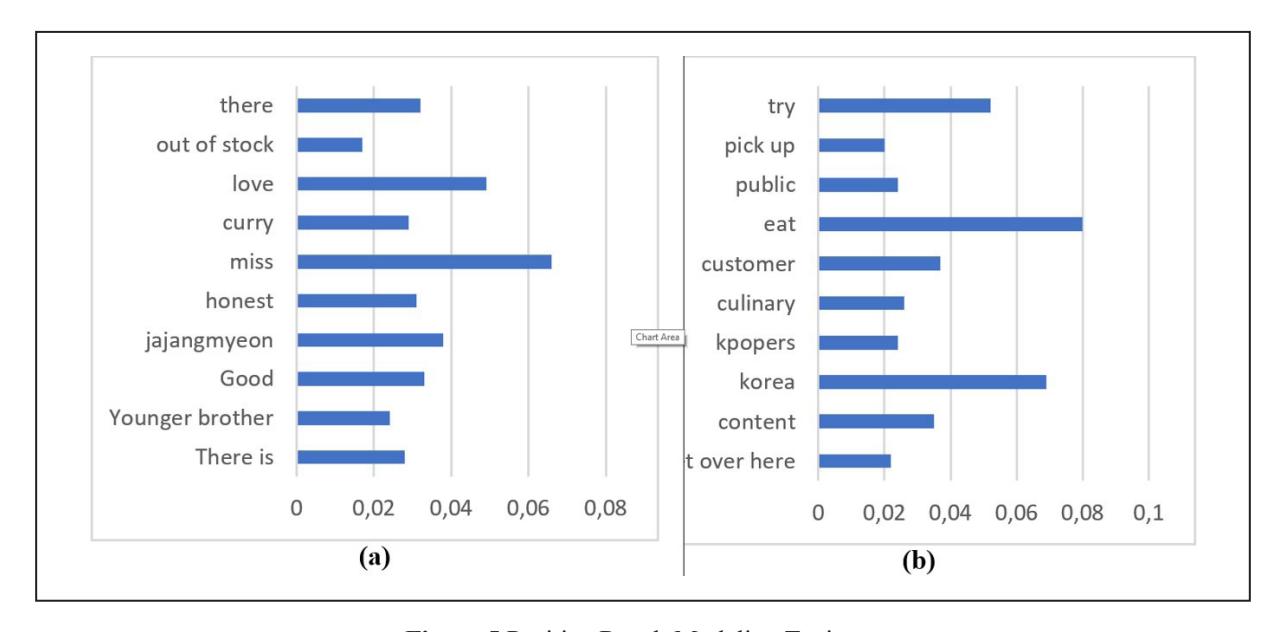
Figure 5 Positive Result Modeling Topic (Source: processed data)
Figure 5 depicts two positive topics of impressions or comments that Twitter and YouTube users often use. The first impression shows that Indonesians like it. They want to eat it again, most of them are curious to try it, and they are afraid if the products run out (Figure 5(a)). Furthermore, the second impression shows that Indonesians are starting to love and learn about Korean food due to K-pop, Korean dramas, and other Korean cultures (Figure 5(b)).
Table IV Negative Result Modeling Topic
| Negative Texts | ||
|---|---|---|
| Do not Want | Alcohol | |
| Acidity | Drunk | |
| Saltiness | mushy | |
| Most | Strange | |
| Spiciness | Not Good | |
| Choking | Pork | |
| Hungry | Bored | |
| Sour | no | |
| Salty | Fail | |
| Expensive | Regret it | |
(Source: processed data)
Table IV shows the classification results of negative words in Indonesian. There are, Don't Want, Acidity, Saltiness, Most, Spiciness, Choking, Hungry, Sour, Salty, Expensive, Alcohol, Drunk, mushy, Strange, Not Good, Pork, Bored, no, Fail, and Regret it.
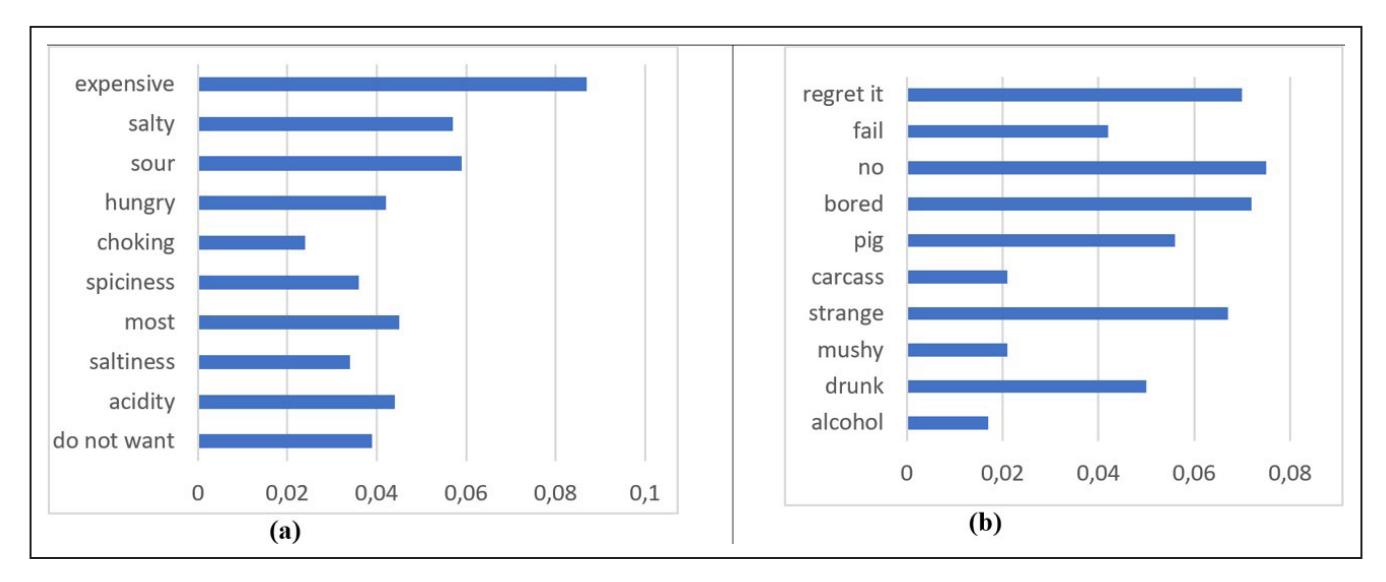
Figure 6 Negative Result Modeling Topic (Source: processed data)
Figure 6 depicts there are two negative topics of conversation. First, most Indonesians dislike the food because of the flavors and price (Figure 6(a)). The second is about food content issues such as pork and alcohol and the texture (Figure 6(b)).
Word Cloud
Word cloud is a visualization of data with different sizes. The bigger and bolder the word, the more frequent the data is mentioned and necessary (Krum, 2013). The word cloud is depicted in Figure 5.
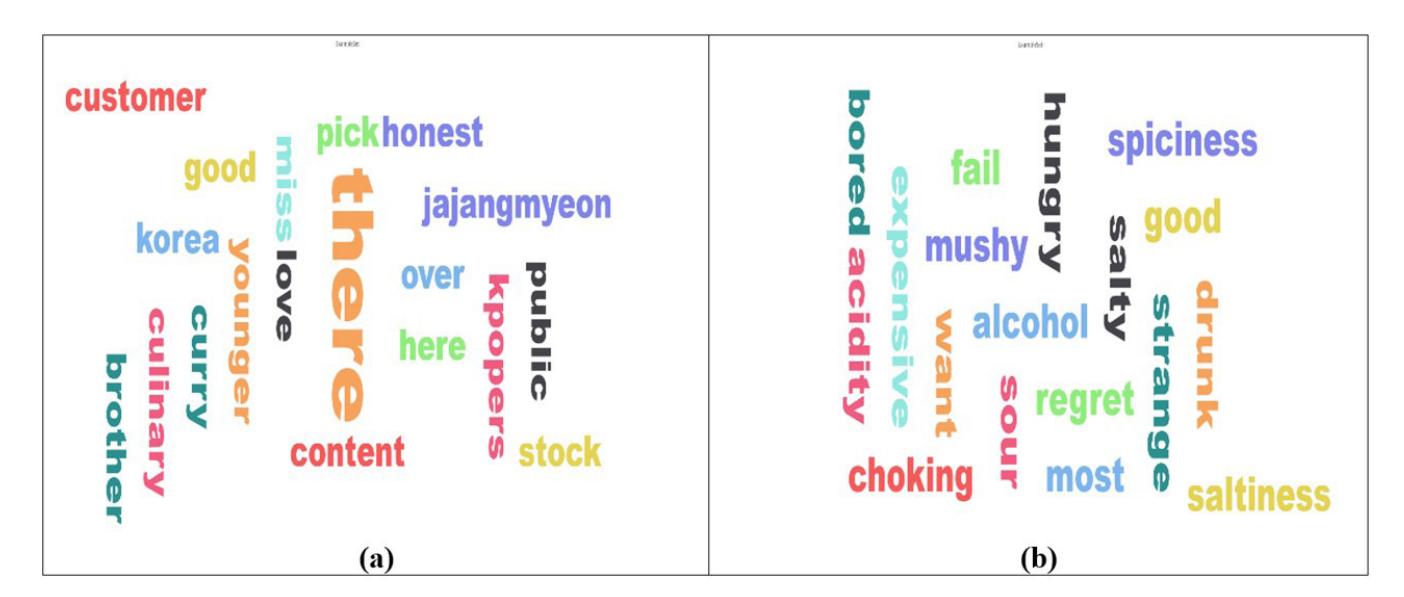
Figure 7 Word Cloud Positive (a) and Negative (b) (Source: processed data)
Figure 7(a) represents the positive word associated with feelings of love, pleasure, and happiness towards entering Korean Indonesia. Because there are so many Korean foods in Indonesia, Figure 7(b) shows that negative comments are often linked to disappointment, sadness, and anger.
Moreover, these words can help people who will open Korean food stalls compose copywriting for their media promotions and advertisements. It shows that the Korean Wave presents a significant cultural experience for young Indonesians and creative industries in the country (Ri'aeni, 2019).
The Korean food business opportunity in Indonesia looks quite promising. Most MSMEs in Indonesia currently promote Korean street food such as Tteokbokki, Hweori Gamja or Kentang Tornado, Hottang, Corndog, and Korean-style seafood meatballs. It is due to Korean culture spreading in Indonesia through K-drama and K-pop. People who often watch K-drama or follow K-pop idol variety shows are concerned and want to try Korean food. Therefore, similar to the Korean wave phenomenon around the world, the opportunity for the Korean food business will grow in Indonesia.
Also, because most people in Indonesia are Muslims, Korean food must meet the halal requirements. Some people in the culinary industry modify Korean food ingredients, such as alcohol, with other ingredients to keep halal standards (Astuti & Asih, 2021). In Indonesia, finding halal food is not difficult. The majority of Indonesian people focus on high-quality hygiene products. Therefore, to maintain the culinary industry's existence, it must be adapted to the tastes mostly in demand by the Indonesian people (Susilawati et al., 2019).
Conclusion
This study aims to determine the opinions and responses of the Indonesian people to Korean food and whether the reactions are positive or negative. Positively, this study demonstrates excellent public responses to and impressions of Korean food. Furthermore, some Indonesian foods have a negative reputation due to taste or the halal standard. The recommendation of this research is to engage new entrepreneurs to open Korean restaurants. It also gives them new perspectives to improve and create innovations toward positive and negative impressions of Korean food.
Future research can be done by expanding non-Indonesian food to gain a new perspective on and comparison with Indonesian food. The comparison will strengthen Indonesia's bargain food position toward the others.
Acknowledgment
We thanks to LPPM ITTP as a funder for publication and Indonesian netizen for your valuable comments in Twitter and YouTube toward Korean foods.
References
- Adawiyah, R. (2019). Fesyen, makanan, dan musik K-Pop terpopuler di Indonesia. Lokadata.Id. https:// lokadata.id/artikel/fesyen-makanan-dan-musik-k-pop-terpopuler-di-indonesia
- Ardhiansyah, M. N., Rusydi, U., & Sunardi. (2019). Analisis Sentimen pada Twitter Menggunakan Metode Support Vector Machine. Seminar Nasional Teknologi Fakultas Teknik Universitas Krisnadwipayana, 509–512. https://journal.teknikunkris.ac.id/index.php/semnastek/article/ download/547/485
- Astuti, Y., & Asih, D. (2021). Country of Origin, Religiosity and Halal Awareness: A Case Study of Purchase Intention of Korean Food. Journal of Asian Finance, Economics and Business, 8(4), 0413–0421. https://doi.org/10.13106/jafeb.2021.vol8.no4.0413
- Bappenas RI. (2021). Perkembangan Ekonomi Indonesia Dan Dunia. Bappenas RI. https://www. bappenas.go.id/updateekonomiindonesiaduniashow
- Franklin, J. R. (2019). Information Technology BT Operations, Logistics and Supply Chain Management (H. Zijm, M. Klumpp, A. Regattieri, & S. Heragu (eds.); pp. 165–190). Springer International Publishing. https://doi.org/10.1007/978-3-319-92447-2_8
- Genady, M. A., & Michellita, C. (2021). Persepsi Generasi Z Terhadap Pengaruh Media Sosial dalam Intensi Pembelian Makanan Vegetarian ala Korea Pada Bisnis Rice Bowl In.yo. Journal of Food and Culinary, 4(1), 38. https://doi.org/10.12928/jfc.v4i1.4128
- Gunawan, B., Pratiwi, H. S., & Pratama, E. E. (2018). Sistem Analisis Sentimen pada Ulasan Produk Menggunakan Metode Naive Bayes. Jurnal Edukasi Dan Penelitian Informatika (JEPIN), 4(2), 113. https://doi.org/10.26418/jp.v4i2.27526
- Indrayuni, E. (2017). Text Mining dalam Analisis Sentimen Review Restoran. III (2), 109–114.
- Iskandar, J. W., & Nataliani, Y. (2021). Perbandingan Naïve Bayes, SVM, dan k-NN untuk Analisis Sentimen Gadget Berbasis Aspek. Jurnal RESTI (Rekayasa Sistem Dan Teknologi Informasi), 5(6), 1120–1126. https://doi.org/10.29207/resti.v5i6.3588
- Jeong, J., & Choi, Y. M. (2019). Faktor-Faktor yang Mempengaruhi Niat Konsumen Indonesia untuk Membeli Makanan Korea. 34(5), 543–552.
- Juliana, Lemy, M. D., & Shiombing Oktaria, S. (2021). Pelatihan Kreasi Tteok Dengan Variasi Menu Sate Maranggi dan Gulai Ayam. 4(021), 82–90.
- Kamhar, M. Y., & Lestari, E. (2019). Pemanfaatan Sosial Media YouTube Sebagai Media Pembelajaran Bahasa Indonesia DI Perguruan Tinggi. Inteligensi: Jurnal Ilmu Pendidikan, 1(2), 1–7. https://doi. org/10.33366/ilg.v1i2.1356
- Kemenkeu. (2021). Wamenkeu: Terus Kerja Keras, Optimis PDB Per Kapita Indonesia Naik 5 Kali Lipat. Kementrian Keuangan.
- Krum, R. (2013). Cool Infographics: Effective Communication with Data Visualization and Design. Wiley. https://books.google.co.id/books?id=7ZesAQAAQBAJ
- Lidwina, A. (2021). Korean Wave dorong orang Indonesia beli produk Korea Selatan. Databoks. https:// databoks.katadata.co.id/datapublish/2021/02/08/korean-wave-dorong-orang-indonesia-beliproduk-korea-selatan
- Liu, B. (2012). Sentiment Analysis and Mining of Opinions. In Studies in Big Data (Issue May). https:// doi.org/10.1007/978-3-319-60435-0_20
- Pajri, D., Umaidah, Y., & Padilah, T. N. (2020). K-Nearest Neighbor Berbasis Particle Swarm Optimization untuk Analisis Sentimen Terhadap Tokopedia. Jurnal Teknik Informatika Dan Sistem Informasi, 6(2), 242–253. https://doi.org/10.28932/jutisi.v6i2.2658
- Patricia, P. (2021). Inovasi Lumpia Samyang Pada Bisnis Icil's Kitchen. SKRIPSI.
- Prasatya, F. A., Muhandri, T., & Cahyadi, E. R. (2018). Faktor Keberhasilan Usaha UMKM Jajanan Asing Kaki Lima di Kota Serang. MANAJEMEN IKM: Jurnal Manajemen Pengembangan Industri Kecil Menengah, 12(2), 187. https://doi.org/10.29244/mikm.12.2.187-193
- Pratiwi, Ratih, A., & Wisnu Wijayanto, A. (2014). The Effect of Korean Wave on Young Generation and Creative Industry in Indonesia. 현대사회와 다문화, 4(2), 65–89.
- Rahmi, K. M. (2021). Text Mining Analysis dan Sentiment Analysis Dengan Menggunakan Metode Naïve Bayes Classifier.
- Ri'aeni, I. (2019). Pengaruh Budaya Korea (K-Pop) Terhadap Remaja Di Kota Cirebon. In Communications (Vol. 1, Issue 1, pp. 1–25). https://doi.org/10.21009/communications.1.1.1
- Salsabila, K. D. A., & Trianasari, N. (2021). Analisis Persepsi Produk Kosmetik Menggunakan Metode Sentiment Analysis dan Topic Modeling (Studi Kasus: Laneige Water Sleeping Mask). Jurnal Teknologi Dan Manajemen Informatika, 7(1), 1–9. https://doi.org/10.26905/jtmi.v7i1.5593
- Samsir, Ambiyar, Verawardina, U., Edi, F., & Rona, W. (2021). Analisis Sentimen Pembelajaran Daring Pada Twitter di Masa Pandemi COVID-19 Menggunakan Metode Naïve Bayes. Jurnal Media Informatika Budidarma, 5(1), 157–163. https://doi.org/10.30865/mib.v5i1.2604
- Saputra, C. B., Muzakir, A., & Udariansyah, D. (2019). Analisis Sentimen Masyarakat Terhadap #2019Gantipresiden Berdasarkan Opini Dari Twitter Menggunakan Metode Naive Bayes Classifier. Bina Darma Conference on Computer Science, 403–413.
- Shertina, R. dan A. B. U. (2021). Strategi Gastrodiplomasi Pemerintah Korea Selatan Dalam Program Global Hansik Campaign di Indonesia Pada Tahun 2012-2017. Pendidikan, Sosial Dan Keagamaan, 19(April), 187–211.
- Simbar, F. K. (2016). Fenomena Konsumsi Budaya Korea Pada Anak Muda di Kota Manado. Jurnal Holistik, 10(18), 1–12.
- Susilawati, W., Aulia, R. N., Alamanda, D. T., & Ramdani, A. (2019). Analisis Persepsi Warganet Mengenai Halal Menggunakan Twitter. In Seminar Nasional Teknologi Informasi, 2, 49–56.
- Tjoe, F. Z., & Kim, K. T. (2016). The Effect of Korean Wave on Consumer's Purchase Intention of Korean Cosmetic Products in Indonesia. Journal of Distribution Science, 14(9), 65–72. https://doi. org/10.15722/jds.14.9.201609.65
- Trihendrawan, N. (2019). Sektor Kuliner Indonesia Tumbuh 12,7%. Sindonews.Com.
- Untari, D. T. (2019). The Development Strategy of Betawi Eco-Culinary Tourism as a Potential Business in DKI Jakarta, Indonesia. African Journal of Hospitality, Tourism and Leisure, 2019(Special Issue), 1–9.