

INFO ARTIKEL
Kata kunci:
pemesanan makanan daring, Generasi Z, layanan online, potongan harga, biaya pemesanan, ulasan online, loyalitas
ABSTRAK
Penelitian ini bertujuan untuk mengetahui e-loyalty Generasi Z terhadap pembelian makanan melalui layanan online. Diskon, biaya pengiriman, dan ulasan online adalah variabel independen penelitian. Variabel biaya peralihan berfungsi sebagai variabel perantara studi. SEM adalah teknik analisis yang digunakan dengan bantuan perangkat lunak smartPLS. Sebanyak 265 sampel berasal dari Generasi Z, mulai usia 15 sampai 26 tahun, digunakan dalam penelitian ini. Sampel berasal dari Bandung dan Jabodetabek. Hasil penelitian menunjukkan sebagian besar variabel independen berdampak pada variabel intervening dan dependen, termasuk variabel yang memengaruhi biaya peralihan dan loyalitas, seperti diskon, biaya pengiriman, dan ulasan online. Namun, loyalitas tidak terpengaruh oleh diskon yang berfluktuasi dan biaya peralihan. Variabel independen yang menentukan loyalitas Generasi Z merupakan keterbatasan penelitian, sehingga disarankan untuk dilakukan penelitian lebih lanjut dengan menggunakan variabel independen dan metodologi alternatif.
https://doi.org/10.5614/sostek.itbj.2023.22.2.1
Introduction
Since COVID-19 was announced, restaurants could not serve food at all since COVID-19 could be avoided by maintaining a safe distance between patrons, and many restaurants at the time had not set up a space that could keep patrons apart from one another. All industries, including the restaurant industry, have experienced an acceleration in digital transformation because of the epidemic. Restaurants have finally moved their jobs to online enterprises to satisfy the demands of customers who were affected by the lockdown during the epidemic and as a step to stop the spread of COVID-19 (Kumar & Shah, 2021). Since they used to just provide direct service, restaurants now need to concentrate on services for online meal delivery to improve their services.
The restaurant business has largely relied on mobile technology, which is now assisting with online food delivery, where it is also helping to drive consumers to even higher levels (Kumar & Shah, 2021). Customers can order and buy the food they want online and then have it delivered to the address of their choice using services like Go-food from Gojek, Grabfood from Grab, Shopeefood from Shopee, and food delivery services from other applications. Additionally, the client placed an order. Customers can use this online service to order meals, which are then delivered right to their door (Ray et al., 2019).
More individuals order food through food delivery services like GoFood, Grab food, Shopeefood, and others as technology for online food ordering services develops. Examining online consumer behavior is significant since it is thought to be more difficult to maintain online consumers (Mutum et al., 2014). Particularly if those who use online meal delivery services to purchase food are members of Generation Z, which, according to Bassiouni & Hackley (2014), are people who were born after 1995. Online meal delivery services are favored by Generation Z in addition to the simpler ordering process through smartphones since there are a lot of discounts available. It can be claimed that consumers are particularly sensitive to price promotions or discounts (Gong et al., 2015).
When using online meal delivery services, customers often have numerous demands, from discounts to delivery costs to online reviews. According to Alzate et al. (2022), generation Z finds it a little challenging to prioritize loyalty due to the intense competition among restaurants for customers, which results in costs like shipping and online reviews. According to Liang et al. (2021), changing prices to be less expensive is easier and faster than trying to decrease production costs or increase market share to increase competitiveness. The pace of the discount heightens the promotion's potency (Eisenbeiss et al., 2015). It is common for retailers to use price promotions to attract customers (Grupta & Cooper, 1992).
The three key criteria that influence a product's shipping cost are the product's weight, its delivery distance, and the amount of time it takes to deliver the product (Jiang et al., 2013). Lewis (2006) also discovered that transportation expenses have a considerable impact on future spending costs and have a genuine impact on the volume of orders. Jiang et al. (2013) claim that consumers or buyers of any generation, even Generation Z, believe shipping costs to be crucial since they analyze both pricing and shipment alternatives before deciding whether or not to purchase the product.
Online reviews serve as an information channel where consumers share their experiences and opinions regarding recently popular products, thus playing a crucial role in shaping consumer perception and decision-making (Chen & Xie, 2008). The effectiveness of an online review can be evaluated based on six dimensions: usefulness, reviewer expertise, timeliness, volume, value, and comprehensiveness (Zhao et al., 2015).
E-loyalty encompasses various factors, including the provision of exceptional customer service, timely delivery, attractive product presentation, efficient and affordable distribution and management systems, as well as a transparent and trustworthy privacy policy (Gommans et al., 2001). Kim et al. (2009) describe e-loyalty as the commitment and positive attitudes exhibited by customers towards online merchants, leading to repeated purchasing behaviors. Another perspective on loyalty is that it manifests as recurring purchases, occasionally motivated by a favorable perception of a particular product or service
(Oliver, 1999). Furthermore, e-loyalty can be defined as the result of customers' perception of online stores that instigate repeat purchases (Anderson & Srinivasan, 2003).
According to Porter (1997), switch costs occur when customers migrate from existing products to alternative products due to compatibility issues or cost considerations, indicating that customers favor alternative products for obvious reasons. Thus, it may be inferred that Generation Z is less loyal to brands that do not offer discounts and are located far away and more concerned with discounts, delivery costs, and online reviews when purchasing meals from online food delivery services. Therefore, the goal of this study is to evaluate Generation Z's brand loyalty in the face of switching costs between competing restaurants that provide greater discounts, are located nearby, and have better online evaluations. The decision-making process of Generation Z when making online purchases can be explained in the following framework based on the preceding description:
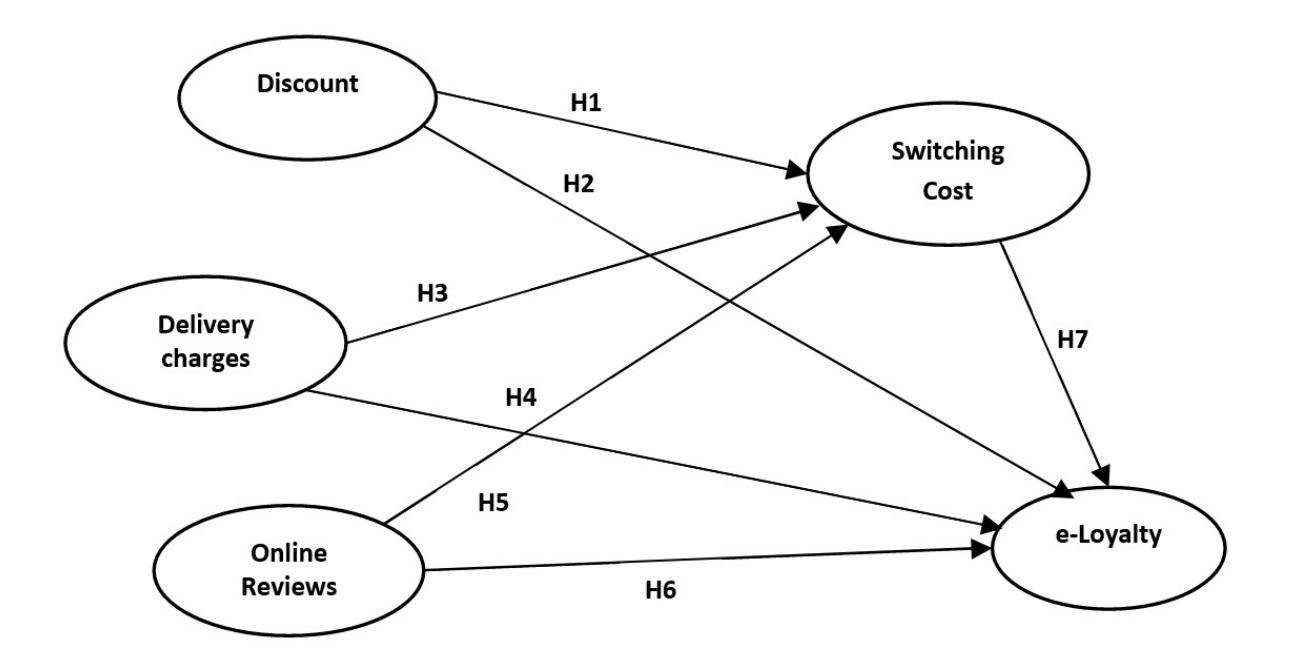
Figure 1 Framework (Source: Authors, 2022)
Method
In this study, descriptive statistics were utilized as the research approach, and SEM (Structural Equation Model) was used for data analysis. Testing for reliability, convergent validity, and discriminant validity is done when evaluating a model. The next stage is to compare the t-values to evaluate the structural model and the parameters' relevance (Wijayanto, 2007; Ghozali, 2016; Yamin, 2014).
Generation Z participants in this study were those born between 1996 and 2011 (Bassiouni & Hackley, 2014). Purposive sampling, namely respondents who belong to the Z generation, was the sampling strategy used. Google Forms was used to distribute the survey via WhatsApp and Instagram. As many as 265 respondents participated in the survey, with some coming from cities other than Jakarta, Bogor, Depok, Tangerang, Bekasi, Bandung, and Yogyakarta.
Results and Discussion
According to the respondent profile, 49.1% of respondents are women and 50.9% of respondents are men. This demonstrates that both men and women are interested in making online food purchases. A value of 54% of respondents was between the ages of 21 and 26 years, followed by a value of 30.9% for respondents between the ages of 18 and 20, and a value of 15.1% for respondents under the age of 17 years.
Description of Respondents
Table I Demographic Data
| Characteristics | Amount | Percentage | |
|---|---|---|---|
| Gender | |||
| Man | 135 | 50.9 | |
| Woman | 130 | 49.1 | |
| Age | |||
| <17 Years Old | 40 | 15.1 | |
| 18-20 Years Old | 82 | 30.9 | |
| 21-26 Years Old | 143 | 54 | |
| Profession | |||
| College Student | 149 | 56.2 | |
| Student | 39 | 14.7 | |
| Employee | 37 | 14 | |
| Housewife | 2 | 0.8 | |
| TNI/POLRI | 38 | 14.3 | |
| Residence | |||
| Jakarta | 70 | 26.4 | |
| Bogor | 68 | 25.7 | |
| Depok | 44 | 16.6 | |
| Tangerang | 8 | 3 | |
| Bekasi | 19 | 7.2 | |
| Bandung | 24 | 9 | |
| Yogyakarta | 6 | 2.3 | |
| Others | 26 | 9.8 | |
| Frequency | |||
| Everyday | 26 | 9.8% | |
| Once A Day | 11 | 4.2% | |
| Once A Week | 130 | 49% | |
| Once A Month | 98 | 37% | |
| Total | 265 | 100% | |
(Source: authors, 2022)
According to status, students made up the majority (56.2%) while the other groups had values that were nearly identical: 14.7% students, 14% employees, 0.8% housewives, and 14.3% TNI/POLRI. This suggests a connection between being a student and being between the ages of 21 and 26. 49% of consumers make one weekly purchase, 37% make one monthly purchase, followed by 9.8% making one daily purchase, and 4.2% making one daily purchase.
Structural Models
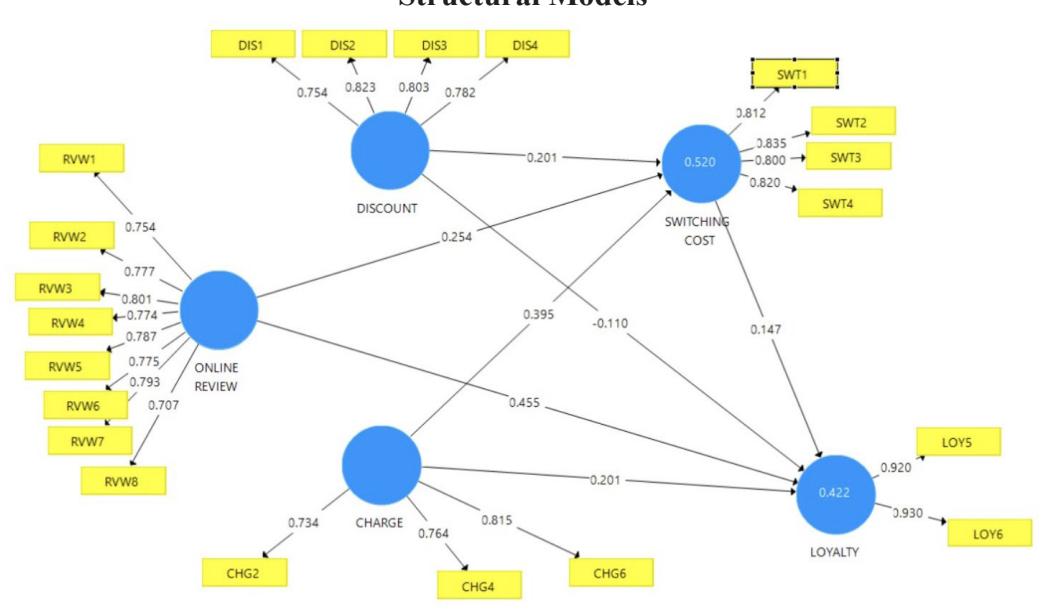
Figure 2 Modeling the initial structure (Source: authors, 2022)
One exogenous variable—the discount, online review, and shipping fee—is used in the modeling for this study, whereas switching costs and e-loyalty are endogenous variables. Outer loading, often known as the load factor, is used to verify convergent validity. If the outer loading value is > 0.05, an indicator can be said to satisfy the conditions of convergent validity in the good category. The information in Figure 2 demonstrates that none of the variable indicators have an outer loading value below 0.05, making all of them suitable for use in further research.
Table II Measurement Model Evaluation
| Variable | Indicator | Items | Loading Factor | AVE | |
|---|---|---|---|---|---|
| Discount | 1. Voucher | DIS1 | 0. 754 | ||
| 2. Special Price Discount | DIS2 | 0. 823 | |||
| (Liu et al., 2021), | DIS3 | 0. 803 | 0.625 | ||
| DIS4 | 0. 782 | ||||
| Delivery Charge | 1. Product's Weight | CHG2 | 0. 734 | ||
| 2. Delivery Distance | CHG4 | 0. 764 | |||
| 3. Amount Of Time To Deliver The Product | CHG6 | 0. 815 | 0.596 | ||
| (Jiang et al., 2013) | |||||
| 1. The Usefulness Of An Online Review | RVW1 | 0. 754 | |||
| 2. Reviewer Expertise | RVW2 | 0. 777 | |||
| Online Review | 3. Timeliness Of An Online Review | RVW3 | 0. 801 | ||
| 4. Volume Of An Online Review | RVW4 | 0. 774 | |||
| 5. Value Of An Online Review | RVW5 | 0. 787 | 0.595 | ||
| 6. Comprehensiveness Of An Online Review | RVW6 | 0. 775 | |||
| (Zhao et al., 2015) | RVW7 | 0. 793 | |||
| RVW8 | 0. 707 | ||||
Generation Z's Trigger Motives in... | Vika, Meylani
| Switching Cost | 1. Economic & Financial | SWT1 | 0. | 812 | |
| 2. Procedural | SWT2 | 0. | 835 | ||
| 3. Relational & Emotional | SWT3 | 0. | 800 | 0.667 | |
| (Burnham et al., 2003) | SWT4 | 0. | 820 | ||
| e-Loyalty | 1. Repurchase | LOY5 | 0. | 920 | |
| 2. Additional Purchase | LOY6 | 0. | 930 | ||
| 3. Referrals | 0.856 | ||||
| (Cahill, 2007). | |||||
(Source: authors, 2022)
Other than examining the cross-loading value, discriminant validity values can also be determined by examining the average variable extract (AVE) value for each indicator variable, with the stipulation that it must have a value of > 0.05 to produce a sound model. It is clear from the AVE data in Table II that the average variable exact (AVE) values for the variables discount (X1), delivery fee (X2), online review (X3), switching cost (Y1), and e-loyalty (Y2) have an AVE value greater than 0.05. As a result, each variable has strong discriminant validity.
Table III Data R-Square
| R Square | |
|---|---|
| e-Loyalty | 0.422 |
| Switching Cost | 0.520 |
(Source: authors, 2022)
The amount of influence that exogenous variables have on the variables is measured using the R-square value (R2). The R2 Loyalty value is 0.422 and the Switching cost is 0.520, as it is shown in Table III. This means that discounts, delivery fees, online reviews, and switching prices all have an impact on the 42.2% e-loyalty variable. Online reviews, the shipping fee, and the variable discount all have an impact on the switching cost, which is 52%.
Table IV Data F-Square
| Variable | F-Square | Result |
|---|---|---|
| Discount (X1) → Switching Cost (Y1) | 0.055 | LOW |
| Discount (X1) → e-Loyalty (Y2) | 0.013 | LOW |
| Delivery Charge (X2) → Switching Cost (Y1) | 0.167 | HIGH |
| Delivery Charge (X2) → Loyalty (Y2) | 0.031 | LOW |
| Online Review (X3) → Switching Cost (Y1) | 0.082 | LOW |
| Online Review (X3) → e-Loyalty (Y2) | 0.201 | HIGH |
| Switching Cost (Y1) →e-Loyalty (Y2) | 0,018 | LOW |
(Source: authors, 2022)
The F-square value is used to gauge how strong the exogenous variable construct has an impact on the endogenous variable. As it is shown in Table IV, it is understandable why the online review variable, which has an impact size of F-Square = 0.201 for e-loyalty with a big category, has the highest effect size. While the online review variable has a tiny F-square of 0.082 for switching costs, the delivery
charge variable has a high F-square of 0.167 for switching costs with a large or strong category. The discount variable similarly has a negligible impact on switching costs (F-square = 0.055). The delivery fee variable has a negligible F-square = 0.031 size influence on e-loyalty. The influence of switching costs is also negligible (F-square = 0.018), while the e-loyalty variable's smallest value is the discount (F-square = 0.018).
Table V Multicollinearity Results – Inner VIF Value
| Charge | Discount | Loyalty | Online Review | Switching Cost | |
|---|---|---|---|---|---|
| Delivery Charge | 2.270 | 1. 946 | |||
| Discount | 1.10 | 1. 526 | |||
| e-Loyalty | |||||
| Online Review | 1. 776 | 1. 642 | |||
| Switching Cost | 2. 085 |
(Source: authors, 2022)
Based on VIF values, multicollinearity between the constructs was investigated. According to Table V, delivery charges are a predictor of switching costs (VIF = 1.946) and e-loyalty (VIF = 2.270). Discount as a predictor of switching costs and e-loyalty (VIF = 1.562 and 1.610), respectively. Both online reviews' predictive power for e-loyalty (1.776) and their predictive power for switching costs (VIF = 1.642) are demonstrated. Finally, switching costs as a predictor of e-loyalty come in last (VIF = 2.085).
Table VI Path coefficient
| Original Sample (O) | Sample Mean (M) | Standard Deviation (STDEV) | T Statistics (|O/ STDEV|) | P Values | Information | |
|---|---|---|---|---|---|---|
| Delivery Charge → e-Loyalty | 0.201 | 0.193 | 0.097 | 2.078 | 0.038 | Accepted |
| Delivery Charge → Switching Cost | 0.395 | 0.392 | 0.072 | 5.472 | 0.000 | Accepted |
| Discount → e-Loyalty | -0.110 | -0.109 | 0.076 | 1.446 | 0.149 | Rejected |
| Discount → Switching Cost | 0.201 | 0.197 | 0.069 | 2.905 | 0.004 | Accepted |
| Online review → e-Loyalty | 0.455 | 0.454 | 0.090 | 5.051 | 0.000 | Accepted |
| Online review → Switching Cost | 0.254 | 0.258 | 0.065 | 3.912 | 0.000 | Accepted |
| Switching Cost → e-Loyalty | 0.147 | 0.159 | 0.088 | 1.658 | 0.098 | Rejected |
(Source: authors, 2022)
If the path coefficient t-statistic is higher than the t-table of 1.96 and the p-value is lower than 0.05, the results of the hypothesis can be accepted. The relationship between delivery charge and e-loyalty has a t-statistic value of 2.078 (> 1.96) and a p-value of 0.038 (> 0.05), which indicates that this hypothesis has a positive and significant effect, so the hypothesis is accepted. Table VI displays the results of testing the path coefficient hypothesis. This hypothesis is accepted based on the t-statistic value of 5.478 (>1.96) and the p-value of 0.000 (0.095) for the association between delivery fee and switching cost. The t-statistic for the link between discount and e-loyalty is 1.446 (1.96), and the p-value is 0.149 (>0.05), indicating that there is no evidence to support this hypothesis. As a result, the hypothesis is rejected.
This hypothesis is supported by the t-statistic of 2.905 (>1.96) and the p-value of 0.004 (0.05) for the link between discount and switching cost. With a t-statistic of 5.051 (> 1.96) and a p-value of 0.000 (0.05), the association between online reviews and e-loyalty is accepted as a theory. With a t-statistic of 3.912 (>1.96) and a p-value of 0.000 (0.05), the hypothesis that there is a relationship between online reviews and switching costs is accepted. With a t-statistic of 1.658 (1.96) and a p-value of 0.098 (>0.06), the association between switching costs and e-loyalty is not supported.
Discussion
The findings demonstrate that shipping expenses have an impact on switching expenses. When ordering meals online, buyers must factor in the cost of delivery. The distance between the buyer's and seller's locations determine shipping prices, allowing the buyer to select the store based on the expenditures incurred. Lewis (2006) also found that the volume of orders and future spending costs are both significantly impacted by transportation prices.
Guandalini et al. (2019) state that switch costs, or the expenditures incurred while changing a specific plan, are significant factors in the decision-making process. The customer modifies the purchase's intent after taking the total cost into account. This implies that the cost of shipping has an impact on customer loyalty to a specific grocery store or brand. Customers will migrate to retailers that provide comparable goods for a lower price or even at no cost. This is consistent with the idea that loyalty may be used to assess the connection between brand and consumer relationships (Munnukka et al., 2015).
Liang et al. (2021) define discount as changing prices to be less expensive, which is easier and faster than trying to decrease production costs or increase market share to increase competitiveness. In addition to price reductions, internet food vendors often offer product bundles as discounts. The findings indicate that promotions have little bearing on customer loyalty. This indicates that a devoted customer will continue to shop at the same retailer, with or without a discount. An abstract bond exists between a customer and a seller when someone is loyal to a brand or retailer (Cahill, 2007). On the other hand, discounts affect switching costs. Customers will be enticed to shop at different shops or sellers if other food vendors with similar products do not provide price discounts. Fornell (1992) contends that switching expenses typically include transaction fees, customer habits, and loyalty discounts, and he also contends that when customers choose to move providers, their habits also change.
One of the things shoppers look for before choosing is online reviews. Customers are accustomed to reading reviews and ratings from prior customers. Loyalty to a specific brand or retailer and switching costs are influenced by trust in past customer reviews. Xu (2021) gives customers a public forum to express their shopping experiences, which can also prompt product owners to assess their offerings. Online reviews are a channel of information from consumers about products that have recently become more popular and are thought to be important (Chen & Xie, 2008). The usefulness of an online review, reviewer expertise, timeliness of an online review, value of an online review, and comprehensiveness of an online review are the six dimensions of an online review (Zhao et al., 2015).
Additionally, the findings of this study demonstrate that switching costs have little bearing on loyalty. Coverage of switching costs includes procedural, relational, and emotional expenses (Burnham et al., 2003). This perspective demonstrates that consumers may not always adjust their preferences due to discounts, shipping costs, or online reviews since there are other considerations, such as an emotional attachment to a certain product brand or retailer. Customer loyalty is the strength of the relationship with repeat consumers, where factors such as motivation, perception, and behavior all play a role (Dick & Basu, 1994).
Conclusions
The findings of the study provide evidence that certain factors, such as elements present in online reviews that influence the decision-making process for purchasing a product and determining shipping costs, have a significant impact on Generation Z's inclination to maintain loyalty while making online purchases. It is crucial to recognize that these elements can easily sway their loyalty, which consequently affects not only their loyalty itself but also the associated switching costs.
In line with the influence of online reviews, consumers tend to shift their preferences to other food companies when attractive discounts are provided, but this does not significantly affect their loyalty. Additionally, it is noteworthy that the presence of switching expenses does not seem to have any substantial impact on their loyalty.
References
- Alzate, M., Arce-Urriza, M., & Cebollada, J. (2022). Mining the text of online consumer reviews to analyze brand image and brand positioning. Journal of Retailing and Consumer Services, 67(January), 102989. https://doi.org/10.1016/j.jretconser.2022.102989
- Anderson, R. E., & Srinivasan, S. S. (2003). E-Satisfaction and E-loyalty: A Contingency Framework. Psychology and Marketing, 20(2), 123–138.
- Bassiouni, D. H., & Hackley, C. (2014). x2 'Generation Z' children's adaptation to digital consumer culture: A critical literature review. Journal of Customer Behaviour, 9(1), 37–53.
- Burnham, T. A., Frels, J. K., & Mahajan, V. (2003). Consumer switching costs: A typology, antecedents, and consequences. Journal of the Academy of Marketing Science, 31(2), 109–126. https://doi. org/10.1177/0092070302250897
- Cahill, D. L. (2007). Customer Loyalty in Third Party Logistics Relationships. Physica-Verlag.
- Chen, Y., & Xie, J. (2008). Online consumer review: Word-of-mouth as a new element of marketing communication mix. Management Science, 54(3), 477–491. https://doi.org/10.1287/mnsc.1070.0810
- Dick, A. S., & Basu, K. (1994). Customer loyalty: Toward an integrated conceptual framework. Journal of the Academy of Marketing Science, 22(2), 99–113. https://doi.org/10.1177/0092070394222001
- Eisenbeiss, M., Wilken, R., Skiera, B., & Cornelissen, M. (2015). What makes deal-of-the-day promotions really effective? The interplay of discount and time constraint with product type. International Journal of Research in Marketing, 32(4), 387–397. https://doi.org/10.1016/j.ijresmar.2015.05.007
- Fornell, C. (1992). Satisfaction Barometer : Journal of Manufacturing Technology Management, 56(January), 6–21.
- Gommans, M., Krishnan, K. S., & Scheffold, K. B. (2001). From Brand Loyalty to E-loyalty : A Conceptual Framework. 3(1), 43–58.
- Gong, J., Smith, M. D., & Telang, R. (2015). Substitution or Promotion? The Impact of Price Discounts on Cross-Channel Sales of Digital Movies. Journal of Retailing, 91(2), 343–357. https://doi. org/10.1016/j.jretai.2015.02.002
- Guandalini, I., Sun, W., & Zhou, L. (2019). Assessing the implementation of Sustainable Development Goals through switching cost. Journal of Cleaner Production, 232, 1430–1441. https://doi. org/10.1016/j.jclepro.2019.06.033
- Jiang, Y., Shang, J., & Liu, Y. (2013). Optimizing shipping-fee schedules to maximize e-tailer profits. International Journal of Production Economics, 146(2), 634–645. https://doi.org/10.1016/j. ijpe.2013.08.012
- Kim, J., Jin, B., & Swinney, J. L. (2009). The role of retail quality, e-satisfaction, and e-trust in online loyalty development process. Journal of Retailing and Consumer Services, 16(4), 239–247.
- Kumar, S., & Shah, A. (2021). Revisiting food delivery apps during COVID-19 pandemic? Investigating the role of emotions. Journal of Retailing and Consumer Services, 62(November 2020), 102595. https://doi.org/10.1016/j.jretconser.2021.102595
- Lewis, M. (2006). The effect of shipping fees on customer acquisition, customer retention, and purchase quantities. Journal of Retailing, 82(1), 13–23. https://doi.org/10.1016/j.jretai.2005.11.005
- Liang, Z., Yuan, H., & Du, H. (2021). Two-stage pricing strategy with price discount in online social networks. Theoretical Computer Science, 882, 1–14. https://doi.org/10.1016/j.tcs.2021.05.035
- Munnukka, J., Karjaluoto, H., & Tikkanen, A. (2015). Are Facebook brand community members truly loyal to the brand? Computers in Human Behavior, 51(PA), 429–439. https://doi.org/10.1016/j. chb.2015.05.031
- Mutum, D., Mohd Ghazali, E., Nguyen, B., & Arnott, D. (2014). Online loyalty and its interaction with switching barriers. Journal of Retailing and Consumer Services, 21(6), 942–949. https://doi. org/10.1016/j.jretconser.2014.08.012
- Oliver, R. L. (1999). Whence consumer loyalty? Journal of Marketing, 63(SUPPL.), 33–44. https://doi. org/10.2307/1252099
- Porter, M. E. (1997). Competitive strategy. Measuring Business Excellence, 1(2), 12–17. https://doi. org/10.1108/eb025476
- Ray, A., Dhir, A., Bala, P. K., & Kaur, P. (2019). Why do people use food delivery apps (FDA)? A uses and gratification theory perspective. Journal of Retailing and Consumer Services, 51(March), 221– 230. https://doi.org/10.1016/j.jretconser.2019.05.025
- Xu, X. (2021). What are customers commenting on, and how is their satisfaction affected? Examining online reviews in the on-demand food service context. Decision Support Systems, 142. https://doi. org/10.1016/j.dss.2020.113467
- Zhao, X. (Roy), Wang, L., Guo, X., & Law, R. (2015). The influence of online reviews to online hotel booking intentions. International Journal of Contemporary Hospitality Management, 27(6), 1343– 1364. https://doi.org/10.1108/IJCHM-12-2013-0542