

Keywords:
virtual experiental marketing (VEM), brand trust, brand loyalty
The purpose of this study is to analyze the role of virtual experiential marketing and brand trust in brand loyalty among virtual try-on cosmetic filter users in Indonesia. An online tool made using Google Forms and shared on social media was used to perform the research. SEM-PLS was the statistical method employed to examine 287 convenience sample data. The results showed that virtual experiential marketing has a positive impact on brand loyalty, and brand trust has a positive impact on brand loyalty. The study recommends the most effective indicators of virtual experiential marketing, identifying external factors that influence a cosmetics brand's strategy in Indonesia in forming trust and loyalty, and using the virtual try-on filter feature to build trust through positive virtual experiences.
INFO ARTIKEL
ABSTRAK
Kata kunci:
virtual experiental marketing (VEM), brand trust, brand loyalty
Tujuan penelitian ini adalah untuk menganalisis peran virtual experiental marketing dan brand trust pada brand loyalty pengguna virtual try-on filter kosmetik di Indonesia. Penelitian ini dilakukan menggunakan instrumen online yang dibuat melalui google formulir dan dipublikasikan di media sosial. Teknik statistik yang digunakan adalah SEM-PLS untuk menganalisis 287 data yang diperoleh dengan menggunakan convenience sampling. Hasil penelitian menunjukkan virtual experiental marketing berdampak positif pada brand loyalty, sedangkan brand trust memiliki dampak positif pada brand loyalty. Studi ini merekomendasikan indikator pembentuk virtual experiential marketing yang paling efektif serta mengidentifikasi faktor-faktor eksternal yang memengaruhi strategi sebuah brand kosmetik di Indonesia dalam membentuk kepercayaan dan loyalitas. Penggunaan fitur virtual try-on filter dalam membangun kepercayaan melalui pengalaman virtual yang positif.
https://doi.org/10.5614/sostek.itbj.2024.23.1.2
Submitted: October 26, 2023 Accepted: March 21, 2024 Published: March 30, 2024
Introduction
In recent years, online activities have increased significantly due to the COVID-19 pandemic, which encourages people to seek online experiences that mimic the real world (Guo et al., 2023). The internet can be considered a platform that allows users to easily creating certain results (Rijal & Rufaidah, 2023). Today's technological innovation and digital transformation require companies to undergo significant changes in their strategies and accept new business models as a must (Ben Saad & Choura, 2022). The cosmetics industry in Indonesia has experienced rapid expansion in the last few years (Hasibuan, 2022). Growing consumer awareness of the value of good looks and self-care is fueling this expansion (McKinsey, 2023). With an increasingly competitive market, cosmetic companies in Indonesia need to continuously innovate and develop effective marketing strategies to maintain and increase their share of the market.
One important aspect of a marketing plan is cultivating brand loyalty. Brand loyalty is the dedication of consumers to repeatedly use or buy the brand in the future and to be willing to give recommendations to others after feeling satisfied and having confidence in the brand (Aisyah, 2023). Brand loyalty is influenced by individual evaluations of product quality (Heng Wei et al., 2023). Loyalty is defined in general terms as a positive attitude shown by customers towards a brand, service, or activity (Alanazi, 2023).
Brand loyalty reflects the tendency of consumers to choose a brand over competing brands without considering price differences (Maroufkhani et al., 2022). Even though there are many brands available, consumers will still consistently choose and buy brands they already recognize (Zhang et al., 2023). Consumers who are loyal to a brand will remain committed to buying the product in the future (Nguyen et al., 2023). Loyalty in affective aspects occurs when a consumer develops emotional engagement with the brand (Hosseini et al., 2015). According to Şahin et al. ( 2011), loyalty is used in the context of operational definitions or measurements such as repeat purchases, preferences, commitment, and loyalty. Affective loyalty is the kind of loyalty that results from a customer connecting emotionally with a brand (Vera & Trujillo, 2017). In the context of the cosmetics industry, brand loyalty is crucial because consumers often have a strong preference for certain brands of beauty care products.
Virtual experiential marketing is the user experience of products, services, or brands through a world that delivers virtually but can be accepted as a real experience (Rijal & Rufaidah, 2023). In general, the internet is considered a place where people can explore their creativity or a three-dimensional conversation space for community interaction (Faiola et al., 2013). The Virtual World and Social Network Platform encourages interaction and communication between users in unique ways, such as through 3D environments, the ability to create different identities, and the experience of being part of the fully virtual world (Paul et al., 2022).
Virtual experiential marketing combines virtual and interactive elements to create an immersive experience for consumers. Utilizing both virtual reality (VR) and augmented reality (AR) technologies has enabled cosmetic companies to provide more interactive and personalized experiences to consumers, for example, by enabling them to try the product virtually before buying it. In an increasingly advanced digital era, technology has become an important tool in running a business, including in the cosmetics industry. One of the recent technological innovations that has influenced the industry is the "virtual tryon filter," abbreviated as VTOF, which is available on popular social media platforms like Instagram. VTOF is a feature that allows users to try various cosmetic products virtually through their smartphone camera. These filters allow users to change the look of their faces in real-time by applying different types of cosmetic products, such as lipstick, eyeshadow, and blush-on. This provides an interactive and more immersive experience for consumers shopping for cosmetic products.
In the context of the cosmetics industry in Indonesia, VTOF on Instagram has become an increasingly important tool in marketing strategies. Cosmetic companies large and small are increasingly adopting this technology to bring their products closer to potential consumers. This not only means providing a platform for users to try the product virtually but also providing more in-depth information about how the product will look on their skins before deciding to buy it. This can increase consumer confidence and encourage sales of cosmetic products. However, it is still unclear to what extent the role of virtual experiential marketing influences brand loyalty in the context of the cosmetics industry in Indonesia.
In addition, brand trust in a brand is also a key factor in building brand loyalty. Customers' opinions of a brand's value are derived from their familiarity with and understanding of its attributes, advantages, and other products; these perceptions are mirrored in their favorable attitudes toward the brand. This perception is known as brand trust (Marmat, 2023). According to Aisyah (2023), brand trust, which is demonstrated by consumers' positive attitudes toward a brand, is their assessment of a company's value based on their familiarity with and experience with its features, advantages, and other products. Brand trust has a very significant role in shaping the interaction between brands and consumers. When consumers have the view that the brand is more trustworthy, the risk they feel in buying products from the brand will be reduced (Bae & Kim, 2023). Customers are more inclined to remain loyal to a business if they believe it can fulfill their needs and consistently deliver high-quality products. In light of this, it's critical to comprehend how brand trust influences brand loyalty in the context of Indonesia's cosmetics market.
By understanding the role of virtual experiential marketing and brand trust in forming brand loyalty, cosmetic companies in Indonesia can develop more effective and sustainable marketing strategies. This study will analyze the role of virtual experiential marketing and brand trust limited by brand loyalty (Figure 1). The variables of the study are measured by the numbers of indicators. Virtual experiential marketing is tested using 24 indicators; brand trust is examined using 12 indicators, and brand loyalty is investigated using 8 indicators.
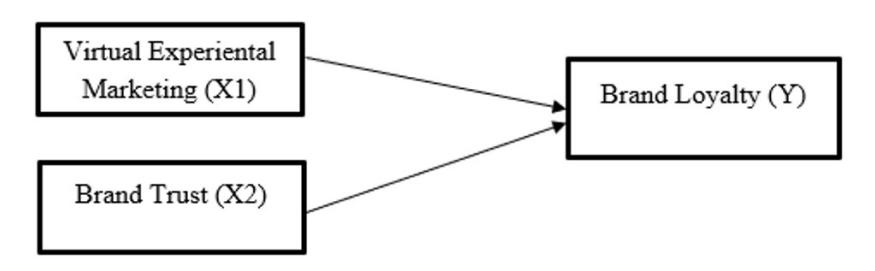
Figure 1 Research Model Source: Personal research, 2024
Method
This research is descriptive and applies quantitative methods. A descriptive approach is used to accurately describe market conditions, including population proportion, consumer evaluation, and social characteristics (Kumar et al., 2018). The study focused on users who were active VTOFs on the Instagram platform as the study population. Sampling is carried out by the non-probability convenience sampling method, namely by contacting research units that are easily accessible (Kumar et al., 2018).
We distributed the questionnaire by connecting to the Instagram platform and sending the link to active users who use social media and VTOF on Instagram, aiming to reach a total of 210 respondents based on the sample size calculation using the formula (Hair et al., 2014). This formula considers the number of observed indicators (42) in a ratio of 1:5 so that the minimum number of respondents needed is 210. This is important because there is no information available regarding the exact number of VTOF users on Instagram, either in terms of the number of registered accounts or the number of active users. The questionnaire used in this study was a survey compiled independently through the Google Forms platform. The Likert scale, with values ranging from 1 to 4 (strongly disagree, disagree, agree, strongly agree), is used to measure respondents' responses to questions in the questionnaire. This study uses the statistical analysis of SEM-PLS. It begins by evaluating the loading factor, Cronbach alpha, composite
reliability, and outer model with convergent validity tests, which must all be greater than or equal to 0.7, and the average variance extracted (AVE) must be greater than or equal to 0.5.
Respondents
Table I describes the profiles of respondents among the 287 study participants. Based on the data analyzed, the majority of VTOF users are women, with the majority in the age range of 21-30 years (86.8%) and 31-40 years (6.3%). Educationally, most of them are undergraduate graduates (70%), and the majority work as private employees (56.1%). The main users of the VTOF are those who have been using the platform for more than 6-12 months (42.6%), with an average playtime of around >1 hour (50.7%) or 2- 4 hours (34.6%) per day. It is clear from the data that most VTOFs fall into the adult category.
Profile Frequency % Profile Frequency Percent Gender Male 14 4,9 VTOF <6 months 88 32,4% Female 273 95,1 6-12 months 116 42,6% Age <20 19 6,6 1-3 years 62 22,8% 21-30 249 86,8 3-5 years 6 2,2% 31-40 18 6,3 >5 years 0 0% 41-50 1 0,3 Online time < 1 hours 138 50,7% >51 0 0.0 (per day) 1-2 hours 94 34,6% Education High School 76 26,5 2-4 hours 27 9,9% Undergraduate Degree 201 70 4-6 hours 10 3,7% Postgraduate Degree 10 3,5 >6hours 3 1,1% Doctoral Degree 0 0 Cosmetic 1-2 times 14 4,9% Occupation High School Student 10 3,5 purchases 3-6 times 162 56,4% College Student 64 22,3 (per year) 6-10 times 71 24,7% Postgraduate Student 10 3,5 > 10 times 40 13,9% Private Employee 161 56,1 Public sector employee 15 5,2 Business owner 10 3,5 Other 17 5,9
Table I Respondent Profile
Results and Discussions
This section describes the results of the study using SEM-PLS software. When the loading factors, Cronbach's alpha value, and composite reliability are equal to or greater than 0.7, the SEM-PLS model's convergent validity test findings are valid, and the AVE value is greater than 0.5. Every object displays accurate data, and every construct's cross-loading is greater than that of any other construct.
In the discriminant validity cross-loading test on the virtual experiential marketing (X1) variable, has a value of 0.4 and the greatest value is 0.966 above 0.7. In addition to conducting cross-loading tests, we can also assess the validity of discriminants by observing the average value of the extracted variable (AVE) of each indicator, provided that the AVE value must be greater than 0.05 for the model to be valid. From the AVE data in Table 2, it can be highlighted that the average AVE value in the virtual experiential marketing variable (X1) has an AVE value of 0.653, brand trust (X2) has an AVE value of 0.800, and brand loyalty (Y) has an AVE value of 0.720, where the AVE result of all variables is greater than 0.05. As a result, each of these variables has strong discriminant validity.
Table II Convergent Validity & Discriminant Validity
| Virtual Experiental Marketing (X1) | Brand Trust (X2) | |||
|---|---|---|---|---|
| ITEM | Loading Factor Convergent | ITEM | Loading Factor Convergent | |
| Validity | Validity | |||
| DIMENSION, | DIMENSION, | |||
| Cronbach Alpha (α), CR and AVE | Cronbach Alpha (α), CR and AVE | |||
| 〈=0,973, CR=0,972, ℑV⊕=0,653 | α=0,976, CR=0,976, ΑVΕ=0,800 | |||
| DIMENSION-1: SENSE | DIMENSION-1: BENEVOLENCE | |||
| X1.SENS1 This VTOF caught my visual attention | 0,878 | X2.BEN1 Through the VTOFs used by this cosmetic brand, I believe, this brand tries to prioritize consumer interests | 0,806 | |
| X1.SENS2 This VTOF appeals to my sense of sight | 0,875 | X2.BEN2 Through the VTOFs used by this cosmetic brand, I believe, this brand provides quality products for consumer satisfaction | 0,845 | |
| X1.SENS3 This VTOF gives a positive impression on my sense of sight | 0,903 | DIMENSION-2: INTEGRITY | ||
| DIMENSION-2: FEEL | X2.INT1 Through the VTOF used by this cosmetic brand, I believe, this brand as a high quality product | 0,852 | ||
| X1.FEEL1 Using this VTOF makes me feel connected to this product brand | 0,901 | X2.INT2 Through the VTOF used by this cosmetic brand, I believe, this brand as a trusted product compared to similar cosmetic brands | 0,853 | |
| X1.FEEL2 Using VTOFs of this product brand makes me respond emotionally (happy) | 0,897 | DIMENSION3: COMPETENCE | ||
| X1.FEEL3 Using VTOFs this brand of product makes for a pleasant emotional atmosphere | 0,878 | X2.COMP1 Through the VTOF used by this cosmetic brand, I believe, this brand has a high ability to produce quality products | 0,951 | |
| X1.FEEL4 Using VTO brand this product arouses better arousal | 0,87 | X2.COMP2 Through the VTOF used by this cosmetic brand, I believe, this brand has a good reputation in terms of competence and ability | 0,943 | |
| X1.FEEL5 I get positive emotions when using the VTOF | 0,883 | DIMENSION-4: DEPENDABLE | ||
| DIMENSION-3: THINK | X2.DEP1 Through the VTOF used by this cosmetic brand, I believe, this brand has product quality that can be relied on by consumers | 0,957 | ||
The Role of Virtual Experiential Marketing... | Alvi, Popy
| X1.THINK1 Using VTOFs made me think about cosmetic features | 0,952 | ||
|---|---|---|---|
| X1.THINK2 When using the VTOF I think about cosmetic features | 0,892 | X2.DEP 3 Through the VTOF used by this cosmetic brand, I believe, this brand can maintain the consistency of product quality | 0,966 |
| X1.THINK3 Using the VTOF stimulates curiosity about the VTOF features | 0,896 | DIMENSION-5: SUBJECTIVE PROBABILITY | |
| X1.THINK4 This Virtual Try-On filter made me understand Brand Characteristics | 0,877 | X2.SUB1 Through VTOF used by this cosmetic brand, I am willing to find information about products from this cosmetic brand | 0,930 |
| X1.THINK5 This Virtual Try-On filter stimulated me to buy the product | 0,887 | X2.SUB2 Through the VTOF used by this cosmetic brand, I believe that this cosmetic brand is able to respond well to the problems experienced by consumers | 0,954 |
| DIMENSION-4: ACT | X2.SUB3 Through the VTOF used by this cosmetic brand, I believe that this brand is able to fulfill the promises, expectations and expectations of consumers | 0,672 | |
| X1.ACT1 I want to take a screenshot when I'm using the VTOF | 0,897 | Brand Loyalty (Y) | |
| X1.ACT2 I am interested in buying a product that I tried in the VTOF | 0,621 | ITEM | Loading Factor |
| X1.ACT3 I would like to recommend my experience when using VTOF | 0,494 | α=0,9436, CR=0,943, AVE=0,720 | Convergent Validity |
| DIMENSION-5: RELATE | Y.BL1 Through the VTOF that this cosmetic brand uses, I am interested in making repurchases for cosmetic products of this brand regularly | 0,755 | |
| X1.REL1 The features available in the VTOF created a sense of identity in me | 0,511 | Y.BL2 Through the VTOF used by this cosmetic brand, I am willing to buy new products of this cosmetic brand | 0,918 |
| X1.REL2 This VTOF keeps me connected by the brand | 0,736 | Y.BL3 Through VTOF used by this cosmetic brand, I am interested in buying other product categories of this cosmetic brand | 0,760 |
| X1.REL3 This VTOF keeps me in touch with other users | 0,654 | Y.BL4 Through the VTOF used by this cosmetic brand, I am interested in buying new products of this cosmetic brand | 0,788 |
| DIMENSION-6: TELEPRESENCE | Y.BL5 Through the VTOF that this cosmetic brand uses, I am happy to recommend products from this brand of cosmetics to other users | 0,873 | |
| X1.TEL1 I don't pay much attention to the surrounding environment when using VTOF | 0,737 | Y.BL6 Through the Virtual Try On filters that this cosmetic brand uses, I am happy to promote the products of this cosmetic brand to other users | 0,888 |
|---|---|---|---|
| X1.TEL2 I feel cool and seem to forget where I am when using the VTOF | 0,74 | Y.BL7 Through the Virtual Try On filters that this cosmetic brand uses, I have and never considered switching to another brand | 0,917 |
| X1.TEL3 When using VTOF, it 0,616 doesn't feel like time flies | Y.BL8 Through the Virtual Try On filters used by this cosmetic brand , I always buy products from this cosmetic brand even though there are many cheaper products in other brands | 0,867 | |
Note: Dimension of VEM was adapted from (Rijal & Rufaidah, 2023), (Chen & Wu, 2022), (Xu et al., 2022); (Khan & Rahman, 2014) and (Yuan & Wu, 2008); (Telepresence: (Rijal & Rufaidah, 2023); (Jahn et al., 2022); (Peng & Ke, 2015). The dimension of brand trust and brand loyalty was adapted from (Aisyah, 2023).
Table III Fornell-Larcker Criterion
| VEM(X1) | BT(X2) | BL(Y) | |
|---|---|---|---|
| Virtual Experiential Marketing (X1) | 0,808 | ||
| Brand Trust (X2) | 0,674 | 0,894 | |
| Brand Loyalty (Y) | 0,793 | 0,758 | 0,848 |
The Fornell-Larcker criterion test findings (Table III) likewise demonstrate higher values when comparing one build to another. Brand trust (X2) has an impact on brand loyalty, and virtual experiential marketing (X1) has an impact on brand loyalty (Y), according to Table 3's direct impact results. Based on investigations and studies by Nguyen et al. (2023) and Heng Wei et al. (2023), brand trust is important to influence brand loyalty. The results of this study are in line with the research of Şahin et al. (2011) where an increased degree of trust in a brand will have an impact on increasing purchase loyalty to the brand. Meanwhile, according to research (Konuk, 2023), brand trust contributes to brand loyalty, and from a constituent point of view, the transparency of a brand is an important indicator of brand trust. Based on research (Kwon et al., 2020), brand loyalty can be formed through building brand trust. The conclusions of the research (Samarah et al., 2022) additionally demonstrate how establishing brand trust can facilitate the behavioral component of brand loyalty.
Table IV Path Coefficient - Direct Impact
| Original Sample | Sample Mean | Standard Deviation | T Statistics | P Values | ||
|---|---|---|---|---|---|---|
| VEM▼ | Brand Loyalty | 0.517 | 0.520 | 0.054 | 9.547 | 0.000 |
| Brand Trust▼ | Brand Loyalty | 0.409 | 0.407 | 0.056 | 5.439 | 0.000 |
When testing a hypothesis using statistical and probability values, the t-statistics value for alpha 5% is 1.96 when testing with statistical values. Therefore, when the t-statistic > 1.96, the hypothesis is considered accepted (Ha) and rejected (Ho). Ha is accepted if the value is p<0.05 to reject or accept a hypothesis using probability. Table IV above illustrates the relationship between virtual experiential marketing and brand trust and loyalty. This is consistent with studies (Atulkar, 2020), which say that brand trust has a direct impact on brand loyalty, which has a crucial role in creating a customer propensity to make repeat purchases. Based on research (Tran Xuan et al., 2023), brand trust has a strong impact, and with involvement and trust, it can increase brand loyalty.
Discussions
The outcomes of this investigation show important connections between the use of virtual experiential marketing and the level of brand trust and brand loyalty. The statistical study that was done produced reliable and good results, indicating that brand loyalty is significantly impacted by virtual experiential marketing and brand trust. According to the analysis's findings, virtual experiential marketing has a strong positive relationship with brand trust; the more frequently consumers engage with a brand through virtual experiential marketing, the more trust they place in that brand. Customers who strongly believe in a brand are inclined to become loyal customers and make repeat purchases. The findings of this research align with the concept of loyalty as emphasized by Alanazi (2023), which indicates that loyalty plays a crucial role alongside industry competition.
The study's findings highlight the significance of virtual experiences in building brand loyalty. Brands that are able to create positive and convincing virtual experiences can expect higher levels of loyalty from consumers. If cosmetics brands are looking to increase customer loyalty, they need to consider an effective experiential virtual marketing strategy. The research also provides a deeper look at how brand loyalty is influenced by brand trust, which is an important contribution to the theoretical and practical understanding of marketing. In the context of virtual experiential marketing, the sense dimension includes the experience of stimulating the five senses of consumers, involving compelling visual and auditory elements. The think dimension focuses on providing content that stimulates consumers' thinking, encouraging deeper reflection on the brand and its products. Dimensions of feel explores the emotional impact generated by virtual experiences, forming a positive emotional bond with brands. The act dimensions guide consumers to take specific actions through clear calls to action. Relate forms an emotional and personal connection between brands and consumers through strong narratives. Telepresence creates the impression of a real presence in the virtual experience, ensuring consumers are fully engaged.
Meanwhile, the elements of brand trust form the foundation of consumer trust in the brand. The benevolence dimensions emphasize the perception of brand goodness and its contribution to consumer well-being. Integrity highlights the consistency and honesty of the brand in carrying out the announced promises and values. Competence reflects consumer confidence in the ability and credibility of the brand. Subjective probability and reliability assess the degree of awareness of a brand as reliable and trustworthy in a variety of situations. The importance of these elements lies in their involvement in the formation of brand loyalty. In the context of brand loyalty, the focus of research involves analyzing concrete consumer actions, such as repeat purchases, purchases within the product range, brand recommendations, and the indisposition to switch brands. With this approach, research is directed to thoroughly understand how the interaction between virtual experiential marketing, customers, and brands can build a solid and longlasting relationship through brand loyalty and trust.
Conclusion
To maximize the impact of virtual experiential marketing, companies are advised to further explore the most effective types of virtual campaigns, monitoring external factors that influence a cosmetic brand's strategy. To understand consumer behavior and maintain customer loyalty, companies need to keep up to date with trends and understand the importance of building trust through positive virtual experiences, such as online platforms and augmented reality applications, to increase consumer engagement and strengthen their emotional bonds with brands. Additionally, ongoing efforts to build and maintain consumer trust, such as providing transparent information about product ingredients and safety certifications, can support measures to increase long-term consumer loyalty. Thus, this research provides important insights that can
help companies design more effective marketing strategies and focus on building strong brand trust and loyalty.
References
- Aisyah, M. (2023). The impact of a regional brand ambassador and social media advertising on brand trust and brand loyalty of Lazada in Indonesia. International Journal of Data and Network Science, 7(4), 1929–1940. https://doi.org/10.5267/j.ijdns.2023.6.019
- Alanazi, T. M. (2023). Impact of social media marketing on brand loyalty in Saudi Arabia. International Journal of Data and Network Science, 7(1), 107–116. https://doi.org/10.5267/j.ijdns.2022.11.012
- Atulkar, S. (2020). Brand trust and brand loyalty in mall shoppers. Marketing Intelligence and Planning, 38(5), 559–572. https://doi.org/10.1108/MIP-02-2019-0095
- Bae, B. R., & Kim, S. E. (2023). Effect of brand experiences on brand loyalty mediated by brand love: the moderated mediation role of brand trust. Asia Pacific Journal of Marketing and Logistics. https:// doi.org/10.1108/APJML-03-2022-0203
- Ben Saad, S., & Choura, F. (2022). Effectiveness of virtual reality technologies in digital entrepreneurship: a comparative study of two types of virtual agents. Journal of Research in Marketing and Entrepreneurship, 24(1), 195–220. https://doi.org/10.1108/JRME-01-2021-0013
- Chen, A. H., & Wu, R. Y. (2022). Mediating effect of brand image and satisfaction on loyalty through experiential marketing: A case study of a sugar heritage destination. Sustainability (Switzerland), 14(12). https://doi.org/10.3390/su14127122
- Faiola, A., Newlon, C., Pfaff, M., & Smyslova, O. (2013). Correlating the effects of flow and telepresence in virtual worlds: Enhancing our understanding of user behavior in game-based learning. Computers in Human Behavior, 29(3), 1113–1121. https://doi.org/10.1016/j.chb.2012.10.003
- Guo, Y., Yuan, Y., Li, S., Guo, Y., Fu, Y., & Jin, Z. (2023). Applications of metaverse-related technologies in the services of US urban libraries. Library Hi Tech, 18. https://doi.org/10.1108/LHT-10-2022- 0486
- Hair, J.., Black, W. C., Babin, B. J., & Anderson, R. E. (2014). Multivariate data analysis (seventh edition). Pearson Education Limited.
- Hasibuan, L. (2022). Industri kecantikan tahan krisis, laris manis meski pandemi. 4 November 2022. https://www.cnbcindonesia.com/lifestyle/20221104104902-33-385138/industri-kecantikan-tahankrisis-laris-manis-meski-pandemi
- Heng Wei, L., Chuan Huat, O., & Arumugam, P. V. (2023). Social media communication with intensified pandemic fears: evaluating the relative impact of user- and firm-generated content on brand loyalty. Asia-Pacific Journal of Business Administration, 15(2), 161–187. https://doi.org/10.1108/ APJBA-07-2021-0319
- Hosseini, R. S., Zainal, A., & Sumarjan, N. (2015). The effects of service performance of hotel customers on quality of experience and brand loyalty in Iran. Procedia - Social and Behavioral Sciences, 201, 156–164. https://doi.org/10.1016/j.sbspro.2015.08.163
- Jahn, K., Oschinsky, F. M., Kordyaka, B., Machulska, A., Eiler, T. J., Gruenewald, A., Klucken, T., Brueck, R., Gethmann, C. F., & Niehaves, B. (2022). Design elements in immersive virtual reality: The impact of object presence on health-related outcomes. Internet Research, 32(7), 376–401. https://doi.org/10.1108/INTR-12-2020-0712
- Khan, I., & Rahman, Z. (2014). Influence of experiential marketing on customer purchase intention: A study of passenger car market. Management and Labour Studies, 39(3), 319–328. https://doi. org/10.1177/0258042X15572411
- Konuk, F. A. (2023). Trustworthy brand signals, price fairness and organic food restaurant brand loyalty. Management Decision, 61(10), 3035–3052. https://doi.org/10.1108/MD-07-2022-0889
- Kumar, V., Aaker, & D.A. (2018). Marketing research (Thirteenth Edition). Wiley.
- Kwon, J. H., Jung, S. H., Choi, H. J., & Kim, J. (2020). Antecedent factors that affect restaurant brand trust and brand loyalty: focusing on US and Korean consumers. Journal of Product and Brand Management, 30(7), 990–1015. https://doi.org/10.1108/JPBM-02-2020-2763
- Marmat, G. (2023). A framework for transitioning brand trust to brand love. Management Decision, 61(6), 1554–1584. https://doi.org/10.1108/MD-04-2022-0420
- Maroufkhani, P., Asadi, S., Ghobakhloo, M., Jannesari, M. T., & Ismail, W. K. W. (2022). How do interactive voice assistants build brands' loyalty? Technological Forecasting and Social Change, 183. https://doi.org/10.1016/j.techfore.2022.121870
- McKinsey. (2023). The beauty market in 2023: New industry trends.
- Nguyen, D. T., Le, D. H. A., Truong, L. G., Truong, N. G., & Vu, V. V. (2023). The effect of generation Z's perceptions of brand activism on brand loyalty: Evidence from Vietnam. Asia Pacific Journal of Marketing and Logistics, 35(6), 1494–1512. https://doi.org/10.1108/APJML-02-2022-0165
- Paul, I., Mohanty, S., & Sengupta, R. (2022). The role of social virtual world in increasing psychological resilience during the on-going COVID-19 pandemic. Computers in Human Behavior, 127. https:// doi.org/10.1016/j.chb.2021.107036
- Peng, Y., & Ke, D. (2015). Consumer trust in 3D virtual worlds and its impact on real world purchase intention. Nankai Business Review International, 6(4), 381–400. https://doi.org/10.1108/NBRI-03- 2015-0009
- Rijal, M., & Rufaidah, P. (2023). Testing virtual experiential marketing: Scale measurement. Jurnal Sosioteknologi, 22(2). https://doi.org/10.5614/sostek.itbj.2023.22.2.10
- Şahin, A., Zehir, C., & Kitapçi, H. (2011). The effects of brand experiences, trust and satisfaction on building brand loyalty; empirical research on global brands. Procedia - Social and Behavioral Sciences, 24, 1288–1301. https://doi.org/10.1016/j.sbspro.2011.09.143
- Samarah, T., Bayram, P., Aljuhmani, H. Y., & Elrehail, H. (2022). The role of brand interactivity and involvement in driving social media consumer brand engagement and brand loyalty: The mediating effect of brand trust. Journal of Research in Interactive Marketing, 16(4), 648–664. https://doi. org/10.1108/JRIM-03-2021-0072
- Tran Xuan, Q., Truong, H. T. H., & Vo Quang, T. (2023). Omnichannel retailing with brand engagement, trust and loyalty in banking: The moderating role of personal innovativeness. International Journal of Bank Marketing, 41(3), 663–694. https://doi.org/10.1108/IJBM-07-2022-0292
- Vera, J., & Trujillo, A. (2017). Buscando las variables con mayor influencia en mediciones de lealtad: un estudio exploratorio. Contaduria y Administracion, 62(2), 600–624. https://doi.org/10.1016/j. cya.2016.04.007
- Xu, W., Jung, H., & Han, J. (2022). The influences of experiential marketing factors on brand trust, brand attachment, and behavioral intention: Focused on integrated resort tourists. Sustainability (Switzerland), 14(20). https://doi.org/10.3390/su142013000
- Yuan, Y. H. E., & Wu, C. K. (2008). Relationships among experiential marketing, experiential value, and customer satisfaction. Journal of Hospitality and Tourism Research, 32(3), 387–410. https://doi. org/10.1177/1096348008317392
- Zhang, P., Shi, X., Liu, W., Li, K., Zhao, L., & Zhou, J. (2023). The impact of extended product fit on brand loyalty: The road to durability and success for long-established enterprise. Economic Analysis and Policy, 77, 1055–1075. https://doi.org/10.1016/j.eap.2023.01.006