

INFO ARTIKEL
Kata kunci:
penerimaan teknologi, wearable device, operator crane, risiko tinggi
ABSTRAK
Penelitian ini bertujuan untuk mengungkap faktor-faktor yang menunjukkan penerimaan karyawan terhadap perangkat wearable. Penelitian ini menggunakan Technology Acceptance Model (TAM). Model ini diperluas dari kerangka Davis dengan menambahkan enam variabel tambahan untuk mendapatkan wawasan yang mendalam, seperti pengaruh sosial, kecemasan teknologi, kepercayaan, risiko yang dirasakan, kondisi fisik yang dirasakan, dan resistensi terhadap perubahan. Setelah tinjauan literatur, kuesioner tertutup dibuat untuk menjalankan penelitian ini. Sebanyak empat puluh satu operator crane Ship-to-Shore (STS) di PT Terminal Teluk Lamong berpartisipasi dalam survei. Mereka menggunakan perangkat wearable untuk pekerjaan selama lima bulan. Komponen model dianalisis menggunakan analisis faktor eksplorasi dan konfirmatori dalam lingkungan operator terminal peti kemas. Model ini dikonfirmasi menggunakan pemodelan persamaan struktural (SEM). Hasil penelitian menunjukkan korelasi kuat antara variabel independen dan dependen yang mengungkap dinamika kompleks yang memengaruhi sikap dan niat pekerja berisiko tinggi. Meskipun beberapa korelasi lain tidak signifikan secara statistik, penelitian ini menyoroti pengaruh penting karakteristik sosial sikap pengguna terhadap adopsi teknologi. Penelitian ini memperluas TAM dan memberikan panduan praktis untuk memperkenalkan perangkat wearable kepada operator STS crane untuk meningkatkan penerimaan teknologi pada industri berisiko tinggi.
https://doi.org/10.5614/sostek.itbj.2024.23.2.6 Submitted: February 20, 2024 Accepted: July 5, 2024 Published: July 31, 2024
Introduction
Container terminals, especially seaport terminals, integrate sea and land transit, boosting global economic growth by handling over 80% of merchandise traffic (International Labour Organization, 2018). Heavy machinery, massive cargo volumes, and dangerous commodities make these terminals high-risk industries (Khan et al., 2021). Ship-to-shore (STS) cranes have improved cargo handling efficacy and safety, while terminal container cranes facilitate cargo transport between ships and operational areas. Despite advances in cargo-handling equipment, port worker safety remains an issue, underscoring the necessity for strict safety precautions. STS cranes, which require skilled operators to operate remotely, emphasize the necessity of precision and safety in container terminals (Cobo, 2016).
For high-risk jobs like STS operators, Occupational Health and Safety (OHS) is crucial, and monitoring of fitness levels is necessary. Container port workers face high heat, heavy machinery, and toxic chemicals (Schulte et al., 2022). Their occupations also present ergonomic, chemical, biological, and physical health concerns (Edforss & Hansson, 2019). As a result of these working conditions, employees may experience emotional and physical fatigue, which can compromise their safety. Worker well-being prioritizes the quality of life. Worker well-being addresses internal and external workplace issues to help employees realize their maximum potential (Edforss & Hansson, 2019). Baka & Uzunoglu (2016) state that occupational accidents continue to happen, even with advancements in occupational safety technology. In industrial workplaces, potential accidents arise due to intricate and perilous conditions as well as weariness (Abdalla et al., 2017). Multiple studies undertaken by researchers and managers have consistently acknowledged that the health and well-being of individuals can have adverse effects on both employees and organizations (Danna & Griffin, 1999). Companies frequently incur substantial financial losses due to their personnel's illness and bad health (R. J. Mitchell & Bates, 2011). Baka & Uzunoglu (2016) asserted that costs encompass several factors, such as decreased productivity, adverse effects on employee morale, negative publicity, expenses related to legal matters, and the costs associated with replacing personnel or equipment. Establishing a favorable safety culture within the organization is essential, as it promotes employees' physical and mental well-being and encourages them to report any health issues or workplace-related concerns (Y. Fang et al., 2018). Hence, enhancing health and safety measures is imperative to yield advantages for the organization and its workforce.
Companies have started integrating financial incentives, information, and communication technology strategies into their health and safety promotion programs (Baka & Uzunoglu, 2016). These strategies aim to enhance workers' well-being and safety while decreasing healthcare expenses (Loeppke et al., 2015). Organizations are shifting their focus toward transforming healthcare technology into "wearable" forms to redefine their understanding of well-being (Khakurel et al., 2018). In recent years, wearable technology has become increasingly popular for monitoring and collecting data on daily activities and physical health for personal purposes. Similarly, wearable technology has the potential to be immediately beneficial in professional settings. Wearable devices are smart devices that are worn on the human body and come in a variety of forms. They detect and analyze physiological and psychological data (X. Liu et al., 2016), such as emotions, sleep patterns, physical movements, heart rate, and blood pressure (Y.-M. Fang & Chang, 2016). This data can be accessed through applications installed on wearable devices or external devices like smartphones connected to the cloud (Muaremi et al., 2013). Wearable sensors in certain wearable technologies enable continuous monitoring of human activities, presenting novel possibilities (X. Wang et al., 2023). Wearable technology can enhance productivity, efficiency, connectivity, health, and wellness (Khakurel et al., 2018).
Wearable technology in the workplace is being developed for several purposes, such as monitoring productivity, identifying and intervening in safety hazards or dangers, providing augmented teaching to enhance job management, and facilitating health and wellness (Kalantari, 2017). Research on utilizing and adopting wearable devices in container terminal sector contexts is scarce, despite their potential benefits for occupational health and safety. However, recent consumer research revealed that consumers are not embracing wearable technologies as much as expected (Liang et al., 2018). Furthermore, the sustained use of these devices over a lengthy period appears to need improvement (Sullivan & Lachman, 2017). Furthermore, there is a need for additional longitudinal research to systematically examine the patterns of wearable technology adoption and usage over an extended period. Pal et al. (2020) have recently identified aspects that could lead to the seldom use of wearable devices. These authors argue that a disparity exists between the anticipated level of usability that individuals had before using a smartwatch, for instance, and the determining elements that would result in sustained usage based on their experiences with the technology. This study examines whether the anticipation of utilizing the wearable device or its direct encounter is the primary factor influencing sustained usage among STS operators in the container terminal. Factors affecting the usability, acceptance, and continued use of wearable biosensor devices include the accuracy, reliability, and validity of the information provided, the comfort of the devices, the feedback offered, and how it is provided (Liang et al., 2018).
To enhance the appeal, desirability, and efficiency of user interfaces and wearable devices, assess their functionalities and desirability (Sullivan & Lachman, 2017). Future research should explore additional factors that influence the adoption of wearable devices and the impact of control variables on their ongoing use and acceptability, as stated by Kim & Shin (2015). An important issue regarding the implementation of wearable technology in the workplace is the willingness and commitment of employees to use it (Schall et al., 2018). The problems above may harm a worker's perspective on the anticipated value of wearable devices, despite the worker acknowledging the potential advantages of wearable technology (Choi et al., 2017). Hence, the main aim of this study is to determine the elements that can predict the extent to which employees will embrace wearable technology used by STS crane operators. The expressed readiness of the respondents to utilize work-related wearable technology in the specified scenarios outlined in the research indicates their acceptability.
Research Model
The study of wearable device technology acquisition has been conducted from multiple perspectives, and diverse ideas have been examined. Several scholars have provided important and perceptive insights into the technology acceptance model from organizational and personal standpoints. The managerial perspective examines how technology is integrated within an organization. Researchers such as Rogers (1995) noted the diffusion of breakthrough technology throughout the organization. The authors used the factors from the "technology acceptance model" (TAM) and "diffusion of innovation theory" to describe the behavioral inclination of consumers (J.-H. Wu et al., 2007). The "diffusion of innovation theory" can be divided into five components: "relative advantage, compatibility, complexity, trialability, and observability" (Tung et al., 2008). The individual's acceptance of technology was investigated from two angles. How do a user's attributes impact a certain technology? Furthermore, how do the features and capabilities of technology inspire consumers to embrace them? (Porter & Donthu, 2006). Parasuraman
(2000), did influential research on technology acceptance and developed the Technology Readiness Index (TRI). The hypothesis elucidates the correlation between personal preferences and the inclination to utilize technology. Conversely, the Technology Acceptance Model (TAM) investigates how an individual's perspective changes about a technology, ultimately influencing their decision to accept it.
The initial Technology Acceptance Model (TAM), introduced by Davis (1989), consists of five dimensions: perceived usefulness (PU), perceived ease of use (PEOU), attitude (ATT), behavioral intention (BI), and actual use. The technology acceptance model (TAM) was successfully implemented in several scenarios to facilitate the adoption of diverse technologies (Venkatesh & Davis, 2000). The Technology Acceptance Model (TAM) is a well-established and resilient framework, as its components have undergone multiple validations in various settings (López-Nicolás et al., 2008; Ortega Egea & Román González, 2011; Wallace & Sheetz, 2014). Various technological applications extensively use the Technology Acceptance Model (TAM) as a theoretical framework. Assessing the functionalities and incorporating the evaluation findings is crucial for the adoption of logistic information systems, clinical information systems, and mobile technology. It also enhances the acceptance of electronic health care records (HER) systems, the adoption of software measures, the adoption of information technology, the adoption of online tax, the adoption of technology among physicians, the acceptance of telemedicine technology among physicians, and the understanding of academics' behavioral intentions (Ortega Egea & Román González, 2011; Tung et al., 2011). In the regions mentioned above, authors have incorporated external elements into the TAM model to address their respective domains. Nevertheless, research on wearable technology is somewhat restricted, particularly in the context of developing nations such as Indonesia. Although the technology acceptance model (TAM) is often strong, it may not always explain user behavior sufficiently (Djamasbi et al., 2010).
Various disciplines employ the Technology Acceptance Model (TAM) to predict consumer behavior patterns. In addition, the efficacy of the Technology Acceptance Model (TAM) is evident in the results obtained by Davis (1989). He proposed enhancing the theory by adding more variables, as long as they align with the research topic. In their investigation of the usage pattern of online learning, I.-F. Liu et al. (2010) discovered that the model is very predictable. Similarly, Melas et al. (2011) found that the idea was quite useful for their investigation of the information needs of medical personnel. Building upon prior research, this study incorporates technology anxiety (TA), social influence (SI), perceived risk (PR), trust (TR), resistance to change (RC), and perceived physical condition (PPC) as additional factors to examine the user's willingness to adopt wearable devices.
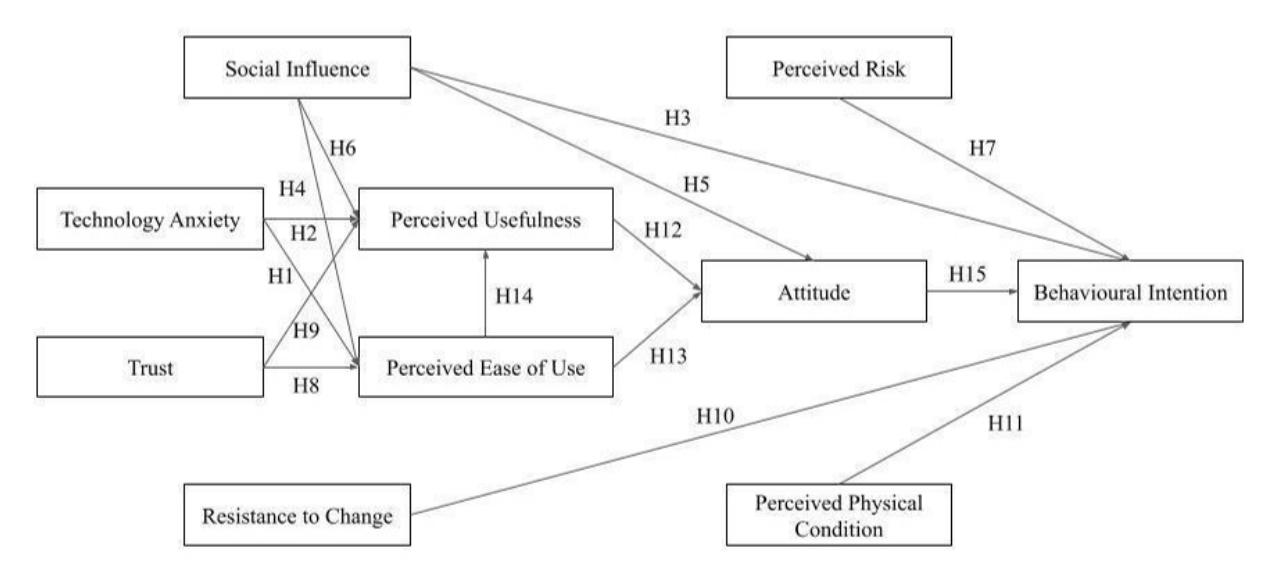
Figure 1 Research Framework Source: Authors Analysis
Technology Anxiety (TA)
Technology anxiety refers to the degree to which an individual experiences difficulties when using a new technology (Deng et al., 2014; Meuter et al., 2003). Technology anxiety can be assessed by examining emotional indicators such as frustration, apprehension, fear (Venkatesh & Davis, 2000), elevated heart rate, and negative thoughts (Glass & Knight, 1988; Kelley & Charness, 1995; Torkzadeh & Angulo, 1992). It represents a form of adverse reaction towards the utilization of novel technologies. Guo et al. (2013) found that technology anxiety frequently impedes the adoption of innovative technologies such as freshly released software or computer apps (Özdemir-Güngör & Camgöz-Akdağ, 2018). Multiple researchers have noted that computer anxiety has a detrimental impact on perceived ease of use (PEOU) and perceived usefulness (PU) (Igbaria, 1993; Venkatesh & Davis, 2000). Campbell (2006) has also conducted another study on the teleconferencing system. The researchers' discovery paralleled the implementation of the computer system. The age of the user also correlates with technology anxiety. Technology anxiety typically arises when an individual feels tension while using an application. Elevated levels of technological anxiety can result in a decline in performance. Several researchers have noted that elderly individuals have higher levels of technological anxiety than younger individuals due to their relatively lower technical competence and interest (Zhang, 2023). Therefore, lacking proficiency in emerging technologies leads to frustration and tension. Consequently, elderly individuals exhibit diminished enthusiasm toward utilizing cutting-edge technology. Researchers have identified a favorable correlation between the user's age and their apprehension towards technology. Additional studies have found that older individuals have anxiety when it comes to technology, which poses significant obstacles to their adoption of new technological advancements (Yusif et al., 2016). The user's concern frequently intensifies as the technology's intricate process accelerates. Based on the literature, the following theories can be postulated:
H1. Technology anxiety (TA) negatively impacts perceived ease of use (PEU) when using a wearable device.
H2. Technology anxiety (TA) negatively impacts perceived usefulness (PU) when using a wearable device.
Social Influence (SI)
Social influence refers to the impact that the preferences and opinions of one's environment have on an individual's perspective (Holden & Karsh, 2010). One's social environment can help one better comprehend the significance of technology in daily life. Multiple research studies on technology adoption have examined the impact of social influence on the decision to embrace a particular technology (López-Nicolás et al., 2008). Society's influence instills confidence in individuals to utilize technology, which is a positive signal for embracing it based on perceived utility (Lu et al., 2005). The usability of a technology depends on both the user's proficiency and the technology itself, while external opinions can also influence it. Bouwman et al. (2007) found that social networks persuaded most individuals to utilize various services. The information gained from social network access significantly impacts a person's attitude, perception, and behavior. Social influence plays a significant role in shaping and modifying an individual's viewpoint regarding technology acceptance. Future consumers may perceive that adopting this service and technology is effortless if the individuals around them demonstrate ease in its utilization (Chen et al., 2007; Griffy-Brown et al., 2011). Taylor & Todd (1995) found that peer influence from friends and classmates and superiors' influence from professors indirectly affected behavioral intention using subjecting norms. Social circles significantly influence individuals' conduct when embracing new technologies, which also has an indirect effect. In our environment, we anticipated that social impact would be particularly essential. It might be hypothesized that STS operators can easily accept wearable devices through social influence. Social influence has a beneficial effect on perceived ease of use (PEOU)
and perceived usefulness (PU) (Cheung & Vogel, 2013). Considering all of the information provided, it is suggested:
H3. Social influence (SI) positively impacts perceived ease of use (PEU) when using a wearable device. H4. Social influence (SI) positively impacts perceived usefulness (PU) when using a wearable device.
Social influence and an individual's inclination to use wearable technology directly correlate and depend on personal creativity. Personal innovativeness in information technology refers to the user's inclination and enthusiasm to utilize new technology services (Agarwal & Prasad, 1998). Technological advancements introduce unknown factors that can affect expected results, and individuals who are unsure about these uncertainties should seek input from their social network before making a decision. Adopting new technology is typically considered a public activity that people can influence in the immediate vicinity (Hong & Tam, 2006; López-Nicolás et al., 2008). Taylor & Todd's (1995) research reveals that the influence of society significantly shapes the behavior and intentions of individuals lacking experience. Venkatesh & Davis (2000) have stated that social influence is important in deciding behavioral intention. Multiple researchers have found that social influence has a significant impact on fostering positive attitudes and behavioral intentions (Deng et al., 2014; López-Nicolás et al., 2008). Following the discussion, a hypothesis has been formulated as follows:
H5. Social influence (SI) positively impacts attitude (AT) when using a wearable device.
H6. Social influence (SI) positively impacts behavioral intention (BI) when using a wearable device.
Perceived Risk (PR)
Perceived risk, as identified by consumer researchers, refers to the uncertainty associated with buying a new product (Miller & Griffy-Brown, 2018). Perceived risk arises from the multitude of uncertainties associated with using information technology. Researchers have revealed that individuals express apprehension regarding numerous categories of risks linked to internet activities (Miller & Griffy-Brown, 2018). Users who have doubts about online services are primarily concerned about the efficacy of the technology and the potential issues that may arise (Ba & Pavlou, 2002). The notion of perceived danger has been seen to change throughout time. Diverse experts have proposed distinct definitions in the literature from various viewpoints. Previously, perceived risk was commonly associated with concerns about fraud and the quality of products. Some research on perceived risk has proposed multiple aspects of risk (Im et al., 2008; Martins et al., 2014). In literature, the risk is quantified as a "multi-dimensional construct." In consumer behavior, risk is measured by evaluating consumers' adverse experiences in uncertain situations (Mayer et al., 1995; V. Mitchell, 1999). Perceived risk was divided into two main dimensions: performance and psychological (Hoover et al., 1978). Cunningham (1967) further analyzes performance risk by dividing it into economic, temporal, and effort categories. Additionally, he categorizes psychosocial risk into two groups: psychological and social. Consumer behavior research has defined risk as the subjective perception of the likelihood of encountering unfavorable consequences or losses in uncertain settings (Featherman & Pavlou, 2003). Given the uncertainty surrounding the desire to use a wearable device, perceived risk is the factor that influences the intention to utilize the technology. Therefore, the subsequent hypothesis has been formulated:
H7. Perceived risk (PR) negatively impacts behavioral intention (BI) towards wearable devices.
Trust (TR)
In the field of literature, trust is defined as "a psychological state characterized by the willingness to be vulnerable based on positive expectations or behaviors exhibited by others" (Rousseau et al., 1998). Vulnerability is crucial in establishing trust, as trust is inherently linked to unknown circumstances
(Pavlou & Gefen, 2005). The concept of trust has been employed in several contexts to address problems related to uncertainty and risk (Gefen et al., 2003). Trust enables users to engage in unmanageable and hazardous activities (Jarvenpaa et al., 2000). Trust is a cognitive tool that mitigates the potential for losses by bolstering an individual's mental resilience through a heightened capacity for optimistic thinking. Trust can be categorized into four types: knowledge-based, personality-based, cognition-based, and institution-based.
According to Luhmann (1979), trust can be established when separate parties are familiar with each other's behavior. This occurrence is referred to as knowledge-based trust. It mitigates the likelihood of social ambiguity by enhancing manual comprehension. Cognition-based trust refers to the trust that is formed based on the initial perception. Brewer & Silver (1978) described cognitive-based trust as an individual's reliability, dependability, and competency beliefs. Calculative-based trust refers to a trust that is established solely based on financial gain. This form of trust is cultivated by distributing earnings to stakeholders. Institutional trust can be assessed by evaluating the level of assurance and security an organization provides. Furthermore, trust based on personality can be evaluated by gauging others' inclination to trust or distrust.
H8. Trust (TR) will positively impact a wearable device's perceived ease of use (PEU).
H9. Trust (TR) positively impacts the perceived usefulness (PU) when using a wearable device.
Resistance to Change (RC)
Continuity theory suggests that individuals often strive to maintain their established activities, a phenomenon particularly relevant to preserving one's lifestyle and habits (Atchley, 1989). Research indicates that resistance to change is closely linked to a diminished inclination to embrace new technologies (Dai et al., 2020). This resistance is observed more prominently among older individuals and is often characterized by a reluctance to adapt (Hoque & Sorwar, 2017). Resistance to change (RC) assumes significance in a diverse nation where people from various communities are dispersed across different regions. This variable underscores that individuals sometimes find it challenging to relinquish their established habits, ideas, beliefs, and the associated stress when adopting new technology (Guo et al., 2013). When confronted with introducing a novel service, users may hesitate to transition from their current service to an alternative one. Bhattacherjee & Hikmet (2007) define resistance to change as a "generalized opposition to change engendered by the expected adverse consequences of change."
H10. Resistance (RC) positively impacts Behavioral Intention (BI) when using a wearable device.
Perceived Physical Condition (PPC)
The aging process is regarded as a highly intricate phenomenon that cannot be well accounted for by conventional psychological theories (Mathur & Moschis, 2005). The aging process can occur and is connected to alterations in biophysical and psychosocial circumstances. The conditions of human beings change as they age (Kaufman & Elder, 2002). A biophysical condition refers to modifications in an organ's sensory and cognitive function and reduced mobility and physical strength. The biological and behavioral changes in older adults profoundly impact their cognitive and physical capacities, including vision, hearing, and mental functioning. Consequently, elderly individuals encounter greater challenges when utilizing a computer or modern mobile applications (Phang et al., 2006). Moreover, research suggests that elderly individuals are commonly perceived as resistant to change, yet they may embrace new technological advancements if they perceive them as suitable and user-friendly (Xue et al., 2012). Previous research has demonstrated that the perception of one's physical condition can diminish the inclination to embrace novel technology (Phang et al., 2006). In their study, Ryu et al. (2009) examined the impact of perceived physical condition on the intention to participate and discovered a direct negative
correlation between the two variables. After thoroughly reviewing the literature, the hypothesis formulated is:
H11. The perceived physical condition (PPC) has a negative impact on behavioral intention (BI) towards using a wearable device.
Perceived Usefulness (PU)
The concept of "perceived usefulness" (PU) plays a significant role in driving the adoption of any technology (Schepers & Wetzels, 2007). Perceived utility and attitude are the key factors determining technology acceptance in the current technology acceptance model (TAM). Research has shown that perceived ease of use (PEOU) has a favorable impact on the perceived usefulness (PU) of technology (Dünnebeil et al., 2012). The term "job performance improvement belief" is defined as the extent to which an individual feels that utilizing a specific system would enhance their performance at work (Davis et al., 1989). Several academics have employed the "perceived usefulness" aspect to assess the adoption of different technologies. Some examples are e-ticketing (Sulaiman et al., 2008) and mobile learning (Bao et al., 2013). The study highlighted the favorable impact of "Perceived usefulness" on consumers' attitudes toward adopting real technology (López-Nicolás et al., 2008; Wallace & Sheetz, 2014). The following hypothesis is proposed:
H12. Perceived usefulness (PU) positively impacts attitudes (AT) toward using a wearable device.
Perceived Ease of Use (PEU)
This research study defines "perceived ease of use" as the extent to which a user believes that utilizing a wearable device requires minimal exertion. Prior research has identified a direct correlation between the perceived ease of use and the attitude toward utilizing information technology (Griffy-Brown & Chun, 2006). Furthermore, it has been found that the perception of simplicity of use has a beneficial impact on the perception of usefulness, as supported by multiple studies (Bouwman et al., 2007; Wallace & Sheetz, 2014). The correlation between the "perceived ease of use" of the technology and the "behavioral intention" of the user is influenced by several aspects, including the user's familiarity with the system, mental qualities, and the nature of the tasks to be performed using the technology (Chau & Hu, 2002; King & He, 2006; Yarbrough & Smith, 2007). Prior research has demonstrated that perceived ease of use (PEOU) plays a pivotal role in comprehending and forecasting the attitudes and behaviors of users who utilize digital resources (Chau & Hu, 2002; P. J. Hu et al., 1999). Empirical evidence supports a relationship between "perceived usefulness" and "perceived ease of use" (I.-F. Liu et al., 2010; Tung et al., 2008; I.-L. Wu & Chen, 2005). The adoption of wearable devices indicates that the perception of how easy they are to use is strongly linked to their perceived usefulness and users' attitudes.
- H13. The perceived ease of use (PEU) positively influences attitudes (AT) toward wearable devices.
- H14. The perceived ease of use (PEU) positively impacts wearable devices' perceived usefulness (PU).
Attitude (AT)
Attitude combines good and negative feelings associated with a specific behavior (Lu et al., 2005). Tung et al. (2008) defined attitude as a perception of behavior control. The authors postulated that a strong perception of behavioral control could result in the intention to engage in a behavior and the actual utilization of a technology (Tung et al., 2008). The theory of reasoned action (TRA) posited that subjective standards and attitudes might influence an individual's involvement in a specific situation (Ajzen, 1991). Attitude refers to the emotional disposition towards a particular task or responsibility (Ajzen, 1991). The impact of one's attitude on one's intention to behave in a certain way is a significant part of the
Theory of Reasoned Action (TRA) and the Theory of Planned Behavior (Ajzen, 1991). Hence, the initial Technology Acceptance Model (TAM) incorporated a favorable direct correlation between attitude and behavioral intention (Davis et al., 1989). The relationship between attitude, behavioral intention, and oral intention implies that users are inclined to utilize information technology when they perceive it positively (Davis et al., 1989). The correlation between attitude and behavioral intention has been considerable over time. In addition, several empirical investigations have demonstrated that the attitude toward utilizing information technology mediates prominent beliefs and behavioral intentions (Yang & Yoo, 2004). Prior research has also shown the correlation between attitude and behavioral intention (Chau & Hu, 2002; L. Hu & Bentler, 1999). Therefore, it is important to cultivate favorable attitudes to guarantee users' acceptance and utilization of wearable devices.
H15. Attitude (AT) will positively impact a wearable device's behavioral intention (BI).
Behavioral Intention (BI)
Behavioral intention is the motivational factor that influences a specific activity. The stronger the intention to engage in the behavior, the higher the likelihood of performing it. Ajzen & Fishbein (1980) define behavioral intention as the individual's probability or inclination to engage in a specific behavior. This concept originated from the Theory of Planned Behavior (TPB). The TPB states that behavioral intentions are influenced by attitude towards the behavior, the subjective norm for the behavior, and perceived behavioral control. The current formulation of the theory posits that a positive attitude and a supportive subjective norm serve as motivating factors for engaging in the activity. However, a definite purpose to take action is only formed when there is a strong sense of perceived control over one's behavior (Ajzen, 2020). Behavioral intention has been employed in several contexts with differing interpretations. TAM employs the concept of behavioral intention to gauge the level of intention to embrace new technologies. The current study has defined the adoption of wearable devices as the result of attitude, social influence, perceived risk, reluctance to change, and perceived physical conditions. Behavioral intention has been applied in diverse contexts with different interpretations. TAM employs the concept of behavioral intention to gauge the level of intention to embrace new technologies.
Method
This study aims to adopt the Technology Acceptance Model (TAM) to investigate the willingness of STS crane operators in a container port to use wearable gadgets. The conventional Technology Acceptance Model (TAM) has been revised by incorporating additional components such as social influence, technology anxiety, and perceived physical condition.
Procedures and Participants
The assessment of the concepts of "perceived usefulness" and "perceived ease of use" has been conducted using items proposed by S. Wang et al. (2023). Technology anxiety, social influence, behavioral intention, and attitude will be assessed using the items suggested by Dai et al. (2020). The dimensions of perceived physical condition, resistance to change, trust, and perceived risk were measured (Hoque & Sorwar, 2017). While developing a survey instrument, the standard items concerning wearable devices are adjusted. For instance, the conventional technological term has been substituted with "wearable device." A questionnaire was created by incorporating the established constructs from preexisting research. The utilization of the standard construct frequently enhances the credibility of the investigation. Given that the constructs were established in various contexts by different academics, it was crucial to do a factor analysis on the identified variables.
The research was granted ethical approval with certificate number 2895/KEP-UNISA/V/2023. This study included a sample size of N = 41, representing the complete population of STS crane
operator employees at PT. Terminal Teluk Lamong Surabaya. The individuals were tracked using wearable devices, namely smartwatches. Smartwatches are commonly employed as wearable gadgets. The increasing prevalence of smartwatches can be attributed to their capacity to track multiple health parameters, including heart rate, sleep patterns, and physical activity (Masoumian Hosseini et al., 2023). Technological use occurred during five months, specifically from June to November 2023. The main obstacle in deciding the sample size was the limitation imposed by the scarce availability of the tested devices, which hindered the possibility of gathering a larger sample. Notwithstanding this constraint, the study maintained its dedication to attaining satisfactory precision by meticulously considering the existing characteristics and situational variables. Despite the limited sample size, the analyses that were conducted contributed to understanding the elements influencing the intention to use technology in this situation. Within the framework of Partial Least Squares Structural Equation Modeling (PLS-SEM) theory, a reduced sample size may be deemed appropriate, depending on the features of the population and its specific circumstances. Research scenarios, particularly in business-to-business environments, may entail constraints on the size of the population being studied. Under the condition that other situational characteristics remain the same, an increase in population diversity necessitates a larger sample size (Hair et al., 2019).
This study effort creatively designed a self-administered online survey using the user-friendly platform Google Forms (GForm) to collect data. The meticulous selection of measuring scales for all construct items included a 5-point Likert scale from 1 to 5 (Rajak & Shaw, 2021), ensuring a strong basis for evaluating different concepts inside the survey. The deliberate strategy was designed to uphold strict methodology and ensure that the questionnaire content was consistent with the key goals of the study. During the ensuing testing phase, the survey was thoroughly scrutinized by a select set of participants who were explicitly identified as persons with high-risk profiles inside the STS crane operators. The study becomes more complex and relevant by including high-risk individuals, such as employees within this business. It allows for a more detailed knowledge of how effective the survey is in different situations. The testing process confirmed the validity of the survey instrument and yielded significant insights that prompted essential adjustments and enhancements in the question structure. Based on the survey, there is a demographic profile of respondents:
Table I Demographic Profile of Respondents
| Categories | Frequency | Percentage | ||
|---|---|---|---|---|
| Gender | ||||
| Male | 41 | 100% | ||
| Female | 0 | 0% | ||
| Age | ||||
| <30 Years | 2 | 5% | ||
| 31-40 Years | 34 | 83% | ||
| >41 Years | 5 | 12% | ||
| Education | ||||
| High School | 25 | 61% | ||
| Diploma | 2 | 5% | ||
| Undergraduate | 14 | 34% | ||
| Work Duration | ||||
| < 6 Years | 14 | 34% | ||
| 6-7 Years | 18 | 44% |
|---|---|---|
| > 7 Years | 9 | 22% |
Table I illustrates the frequency distribution of respondent characteristics based on several categorical variables. 100% (41 respondents) of the research participants were male since the STS operators were all male, and none were female due to their high-risk jobs. Out of the 41 respondents, the majority (83%) were in the 31 - 40 age group, with a significant portion holding a high school equivalent education (61%). Specifically, respondents under 30 constituted 5% of the total, while those over 41 accounted for 12%. Regarding education, respondents with a high school equivalent background reached 61%, those with a diploma were only 5%, and those with a bachelor's degree were 34%. An analysis of work duration indicates that most respondents (44%) had work experience ranging from 6 to 7 years.
Data Analysis
An analysis was performed to examine the relationships between hidden variables using structural equations to test the conceptual structural equation model (SEM). Structural Equation Modeling (SEM) was utilized to investigate causal models and concurrently estimate interconnected dependency relationships. Before the research model was developed, Microsoft Excel 2019 displayed crucial descriptive data on demographic factors, encompassing participant attributes such as age, employment position, and educational background. The model was evaluated using the Smart PLS version 4.1.0.0 software to analyze the data. To achieve this objective, the author first developed a measurement model using confirmatory factor analysis to evaluate its appropriateness. Then, the author produced the structural equation model (SEM) and examined the proposed causal relationships between constructs through a simultaneous test. This procedure facilitated examining whether the conceptual framework demonstrated a satisfactory alignment with the empirical evidence.
Result
The results of the PLS-SEM, as shown in Table 2, indicate that the loading values for each item exceed the required threshold of ≥ 0.708, as suggested by Muhaimin et al. (2020). The Cronbach's alpha (α) and composite reliability (CR) tests produced values > 0.700, confirming the reliability of the model used (Fazriansyah et al., 2022). The average variance extracted (AVE) values confirm the model's validity, with AVE values over 0.500 for every variable used in the model (Muhaimin et al., 2020).
Table II Reflective Indicator Loadings and Internal Consistency Reliability
| Item | Loading | a | CR | AVE | |
|---|---|---|---|---|---|
| TA1 | 0.94 | ||||
| Technology Anxiety | TA2 | 0.773 | 0.812 | 1.097 | 0.706 |
| TA3 | 0.797 | ||||
| BI1 | 0.912 | ||||
| Behavioral Intention | BI2 | 0.929 | 0.92 | 0.923 | 0.862 |
| BI3 | 0.945 | ||||
| TR1 | 0.944 | ||||
| Trust | TR2 | 0.953 | 0.917 | 0.927 | 0.86 |
| TR3 | 0.905 | ||||
| PPC1 | 0.975 | ||||
| Perceived Physical Condition | PPC2 | 0.981 | 0.931 | 0.934 | 0.879 |
| PEU1 | 0.961 | ||||
| Perceived Ease of Use | PEU2 | 0.954 | 0.927 | 0.935 | 0.873 |
| PEU3 | 0.898 | ||||
| PU1 | 0.899 | ||||
| Perceived Usefulness | PU2 | 0.863 | 0.955 | 0.971 | 0.957 |
| PU3 | 0.923 | ||||
| Perceived Risk | PR1 | 0.995 | 0.067 | 1.661 | 0.062 |
| Perceived Risk | PR2 | 0.967 | 0.967 | 1.661 | 0.962 |
| SI1 | 0.863 | ||||
| Social Influence | SI2 | 0.969 | 0.878 | 0.89 | 0.802 |
| SI3 | 0.946 | ||||
| Designation of the Change | RC1 | 0.95 | 0.922 | 0.994 | 0.926 |
| Resistance to Change | RC2 | 0.974 | 0.922 | 0.994 | 0.920 |
| AT1 | 0.809 | ||||
| Attitude | AT2 | 0.931 | 0.86 | 0.862 | 0.783 |
| AT3 | 0.911 |
Table III displays values for each variable close to 1, suggesting a significant association. The primary variables exhibit values that are not lower than those of other variables, indicating their strong capacity to clarify their respective items compared to other variables (Sukendro et al., 2020). The close correlation values highlight a strong relationship, and the similar magnitudes of the key variables show their ability to explain their connected items compared to other factors.
Table III Fornel Larcker
| Technology Anxiety | Behavioral Intention | Social Influence | Perceived Ease of Use | Trust | Perceived Physical Condition | Perceived Risk | Perceived Usefulness | Resistance to Change | Attitude | |
|---|---|---|---|---|---|---|---|---|---|---|
| Technology Anxiety | 0.840 | |||||||||
| Behavioral Intention | 0.689 | 0.929 | ||||||||
| Social Influence | 0.664 | 0.836 | 0.927 | |||||||
| Perceived Ease of Use | 0.621 | 0.881 | 0.884 | 0.938 | ||||||
| Trust | 0.633 | 0.842 | 0.83 | 0.838 | 0.934 | |||||
| Perceived Physical Condition | 0.084 | -0.177 | -0.055 | -0.092 | -0.026 | 0.978 | ||||
| Perceived Risk | -0.077 | -0.136 | 0.05 | 0.042 | -0.065 | 0.627 | 0.981 | |||
| Perceived Usefulness | 0.463 | 0.769 | 0.851 | 0.848 | 0.752 | -0.227 | -0.166 | 0.896 | ||
| Resistance to Change | 0.211 | 0.229 | 0.15 | 0.14 | 0.156 | 0.417 | 0.314 | -0.012 | 0.962 | |
| Attitude | 0.473 | 0.806 | 0.774 | 0.734 | 0.817 | -0.152 | -0.064 | 0.719 | 0.199 | 0.885 |
The cross-loading values for each item, as shown in Table IV, are higher than those of other items, providing a clearer understanding of their particular factors (Sukendro et al., 2020).
Table IV Cross Loading
| Technology Anxiety | Behavioral Intention | Social Influence | Perceived Ease of Use | Trust | Perceived Physical Condition | Perceived Risk | Perceived Usefulness | Resistance to Change | Attitude | |
|---|---|---|---|---|---|---|---|---|---|---|
| AT1 | 0.94 | 0.777 | 0.716 | 0.705 | 0.694 | -0.111 | -0.171 | 0.564 | 0.132 | 0.533 |
| AT2 | 0.773 | 0.411 | 0.401 | 0.234 | 0.343 | 0.144 | -0.202 | 0.141 | 0.196 | 0.273 |
| AT3 | 0.797 | 0.374 | 0.418 | 0.405 | 0.4 | 0.384 | 0.207 | 0.25 | 0.274 | 0.264 |
| BI1 | 0.698 | 0.912 | 0.767 | 0.764 | 0.739 | -0.152 | -0.258 | 0.699 | 0.291 | 0.709 |
| BI2 | 0.609 | 0.929 | 0.717 | 0.824 | 0.736 | -0.192 | -0.056 | 0.659 | 0.246 | 0.707 |
| BI3 | 0.612 | 0.945 | 0.839 | 0.867 | 0.864 | -0.152 | -0.061 | 0.779 | 0.107 | 0.825 |
| SI1 | 0.594 | 0.714 | 0.863 | 0.734 | 0.652 | 0.115 | -0.005 | 0.74 | 0.228 | 0.591 |
| SI2 | 0.645 | 0.804 | 0.969 | 0.874 | 0.825 | -0.082 | 0.075 | 0.827 | 0.098 | 0.757 |
| SI3 | 0.609 | 0.805 | 0.946 | 0.845 | 0.819 | -0.165 | 0.063 | 0.797 | 0.106 | 0.791 |
| PEU1 | 0.629 | 0.874 | 0.854 | 0.961 | 0.801 | -0.089 | 0.003 | 0.813 | 0.174 | 0.724 |
| PEU2 | 0.592 | 0.854 | 0.81 | 0.954 | 0.801 | -0.149 | 0.02 | 0.824 | 0.085 | 0.693 |
| PEU3 | 0.522 | 0.747 | 0.824 | 0.898 | 0.754 | -0.017 | 0.101 | 0.747 | 0.134 | 0.646 |
| TR1 | 0.541 | 0.799 | 0.779 | 0.784 | 0.944 | 0.017 | -0.063 | 0.745 | 0.193 | 0.78 |
| TR2 | 0.589 | 0.831 | 0.844 | 0.826 | 0.953 | -0.015 | 0.001 | 0.752 | 0.122 | 0.832 |
| TR3 | 0.654 | 0.722 | 0.694 | 0.735 | 0.905 | -0.081 | -0.132 | 0.599 | 0.121 | 0.666 |
| PPC1 | 0.116 | -0.159 | -0.067 | -0.111 | -0.039 | 0.975 | 0.599 | -0.26 | 0.419 | -0.154 |
| PPC2 | 0.053 | -0.185 | -0.044 | -0.072 | -0.013 | 0.981 | 0.626 | -0.189 | 0.399 | -0.145 |
| PR1 | -0.111 | -0.162 | 0.031 | 0.035 | -0.072 | 0.611 | 0.995 | -0.17 | 0.294 | -0.092 |
| PR2 | 0.012 | -0.064 | 0.097 | 0.061 | -0.044 | 0.641 | 0.967 | -0.149 | 0.35 | 0.008 |
| PU1 | 0.294 | 0.544 | 0.65 | 0.676 | 0.619 | -0.299 | -0.222 | 0.899 | -0.2 | 0.574 |
| PU2 | 0.548 | 0.848 | 0.875 | 0.903 | 0.798 | -0.071 | -0.041 | 0.863 | 0.222 | 0.718 |
| PU3 | 0.36 | 0.622 | 0.72 | 0.652 | 0.563 | -0.275 | -0.212 | 0.923 | -0.118 | 0.612 |
| RC1 | 0.238 | 0.181 | 0.068 | 0.051 | 0.093 | 0.376 | 0.18 | -0.069 | 0.95 | 0.134 |
| RC2 | 0.178 | 0.25 | 0.2 | 0.196 | 0.193 | 0.422 | 0.391 | 0.03 | 0.974 | 0.233 |
| AT1 | 0.299 | 0.637 | 0.655 | 0.679 | 0.626 | -0.213 | -0.152 | 0.841 | -0.048 | 0.809 |
| AT2 | 0.422 | 0.727 | 0.671 | 0.661 | 0.764 | -0.054 | 0.071 | 0.524 | 0.273 | 0.931 |
| AT3 | 0.527 | 0.771 | 0.724 | 0.61 | 0.773 | -0.139 | -0.09 | 0.551 | 0.291 | 0.911 |
Based on Table V, the VIF values are less than 10, indicating the absence of multicollinearity among variables (Setiawati, 2021).
Table V VIF values
| VIF |
|---|
| 2.042 |
| 1.86 |
| 2.567 |
| 6.324 |
| 3.578 |
| 5.498 |
| 5.411 |
| 3.511 |
| 3.341 |
| 1.912 |
| 1.686 |
| 4.073 |
| 4.267 |
| 1.335 |
| 2.735 |
Figure 2 illustrates the model, showing the connections between the variables studied in the context of technological acceptance. Perceived ease of use is positively affected by social influence, technology anxiety, trust, and perceived usefulness, with minor impacts. The model is considered robust since it can explain 84.4% of the components, with the remaining 15.6% being influenced by additional factors despite their poor contributions. Social influence strongly and positively affects the perceived usefulness variable, while technology anxiety weakly and negatively influences it, and trust weakly and positively impacts it. The model can account for about 75.4% of the variance, with the remaining 24.6% attributed to external factors.
Social influence has a significant positive impact on attitude variables, whereas perceived usefulness has a minimal effect. These factors can account for 61.6% of the variance, leaving 38.4% impacted by unmodeled factors. Social influence positively impacts the behavioral intention variable, while attitude, resistance to change, perceived physical condition, and perceived risk have minimal effects. 80.1% of the behavioral intention to use technology is influenced by these factors, with the remaining 19.9% being impacted by additional unmodeled factors.
The model indicates that social influence, technology anxiety, trust, perceived usefulness, perceived ease of use, attitude, resistance to change, perceived physical condition, and perceived risk can impact people's behavioral intention to utilize technology. This conclusion can be used as a foundation for creating more efficient strategies to improve technology adoption in the workplace, with a focus on the important elements that have been identified.
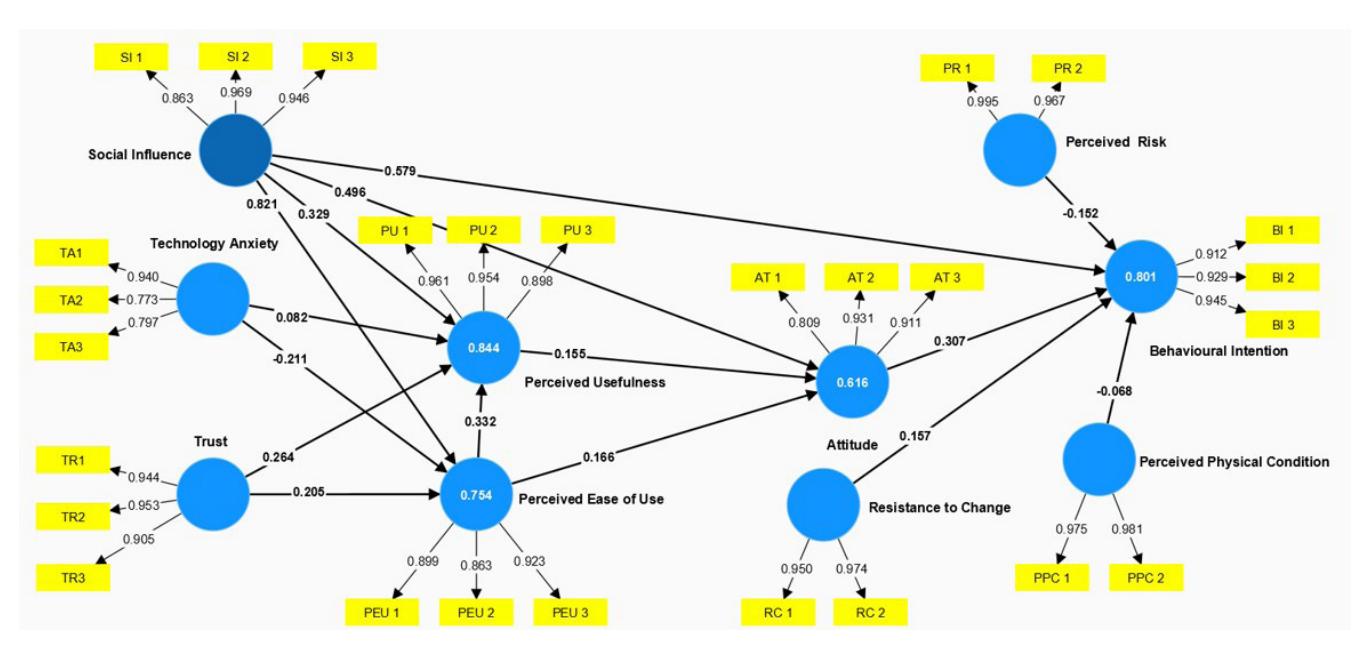
Figure 2 Final Model Source: Authors Analysis
As shown in Table VI, the research findings suggest a significant and positive correlation between independent and dependent variables. Exceptions exist in the relationships between "perceived physical condition -> behavioral intention (β = 0.222, p = 0271)," "perceived risk -> behavioral intention (β = 0.283, p = 0.228)," and "resistance to change -> behavioral intention (β = 0.330, p = 0.173)," indicating non-significant results. The study concludes that high-risk workers' behavioral intention to use wearable devices is influenced by their views, which are shaped by their social conditions. User attitudes are shaped by perceived ease of use, usefulness, and social influence. Perceived ease of use is affected by the perceived usefulness of the device, social influence, technology anxiety, and trust. Workers' opinions about the device's utility are influenced by social factors, technological concerns, and trust in the wearable technology.
Table VI Final Result
| H | β | σ | t-statistic | p-values | significance | |
|---|---|---|---|---|---|---|
| 1 | Technology Anxiety -> Perceived Ease of Use | 0.564 | 0.154 | 3.659 | P<0.05 | Yes |
| 2 | Technology Anxiety -> Perceived Usefulness | 0.922 | 0.099 | 9.311 | P<0.05 | Yes |
| 3 | Social Influence -> Behavioral Intention | 0.775 | 0.082 | 9.462 | P<0.05 | Yes |
| 4 | Social Influence -> Perceived Ease of Use | 0.889 | 0.077 | 11.611 | P<0.05 | Yes |
| 5 | Social Influence -> Perceived Usefulness | 0.889 | 0.077 | 11.611 | P<0.05 | Yes |
| 6 | Social Influence -> Attitude | 0.757 | 0.102 | 7.419 | P<0.05 | Yes |
| 7 | Perceived Ease of Use -> Attitude | 0.718 | 0.107 | 6.718 | P<0.05 | Yes |
| 8 | Trust -> Perceived Ease of Use | 0.868 | 0.091 | 9.579 | P<0.05 | Yes |
| 9 | Trust -> Perceived Usefulness | 0.686 | 0.101 | 6.767 | P<0.05 | Yes |
| Perceived Physical Condition -> Behavioral | ||||||
| 10 | Intention | -0.222 | 0.199 | -1.116 | 0.271 | No |
| 11 | Perceived Risk -> Behavioral Intention | -0.283 | 0.231 | -1.224 | 0.228 | No |
| 12 | Perceived Usefulness -> Perceived Ease of Use | 0.922 | 0.099 | 9.311 | P<0.05 | Yes |
| 13 | Perceived Usefulness -> Attitude | 0.765 | 0.124 | 6.170 | P<0.05 | Yes |
| 14 | Resistance to Change -> Behavioral Intention | 0.330 | 0.237 | 1.389 | 0.173 | No |
| 15 | Attitude -> Behavioral Intention | 0.757 | 0.089 | 8.526 | P<0.05 | Yes |
Table VII displays the coefficient of determination (R2 ) for each variable in the regression model. The analysis indicates that the regression model explains the variability in technology-related perspectives. The ease of use and technical usefulness factors demonstrate high levels, with R2 values of 0.844 and 0.754, respectively. The model has a high level of accuracy in forecasting individual intentions to use technology, with an R2 value of 0.801. The model provides a reasonable explanation for individual attitudes towards technology, although its predictive power is not as strong as other components, with an R2 value of 0.616. The findings indicate that technology anxiety, social influence, and trust are crucial in determining how individuals perceive, react to, and plan to use technology. The high R2 values for behavioral intention, perceived ease of use, and technology usefulness suggest that the model consistently provides a robust depiction of how independent variables influence dependent variables (Sukendro et al., 2020). Although the R2 level for attitudes may be weaker than other elements, the model greatly improves understanding of technology adoption in the workplace.
Table VII Coefficient of Determination (R2 )
| R2 | Consideration | |
|---|---|---|
| Behavioral Intention | 0.801 | Higher |
| Perceived Ease of Use | 0.844 | Higher |
| Perceived Usefulness | 0.754 | Higher |
| Attitude | 0.616 | Moderate |
Table VIII presents the analytical results of effect sizes (f²) for each relationship in the model. The results demonstrate the relative influence of each variable on the variance in the intention to use technology. In this situation, social influence significantly impacts perceptions of technology utility (f² = 0.767 - large) and individual decisions to adopt technology (f² = 0.655 - large) (Sukendro et al., 2020). Some variables have a minimal effect on shaping individual intentions to use technology, as they contribute very little to the variation in behavioral intention. A thorough understanding of social dynamics and individual attitudes is crucial for devising strategies to enhance technology adoption in the workplace. Emphasis should be given to the social influence variable as a key factor influencing individual attitudes toward the usefulness of technology in this context.
Table VIII f2 Result
| 2 f | Effect Size |
|---|---|
| 0.021 | No |
| 0.098 | Small |
| 0.655 | Large |
| 0.11 | Medium |
| 0.767 | Large |
| 0.117 | Medium |
| 0.012 | No |
| 0.127 | Medium |
| 0.051 | Small |
| 0.012 | Small |
| 0.069 | Small |
| 0.174 | Medium |
| 0.017 | No |
| 0.093 | Small |
| 0.173 | Medium |
The research findings indicate that the intentions of high-risk workers to utilize wearable devices are mostly driven by social influence, perceived usefulness, and ease of use. The model demonstrates high reliability and validity, as evidenced by considerable correlations that indicate its excellent explanatory power. The impact of social influence is particularly profound, exerting a large effect on perceived usefulness and behavioral intention. While technology anxiety has a negative impact on perceived usefulness, trust has a favorable influence on ease of use and usefulness. However, it is important to note that these impacts are only mild. Perceptions of physical condition, risk, and resistance to change have negligible and statistically insignificant effects on behavioral intention.
Discussion
This study aims to enhance the existing technology acceptance model (TAM) for adopting wearable gadgets by STS crane operators. The basic technology acceptance model (TAM) suggests five elements: perceived ease of use, perceived usefulness, attitude, behavioral intention, and actual use. The ongoing study has incorporated six further variables into the established technology acceptance model (TAM) to assess users' inclination to embrace wearable technology. The factors include technology anxiety (TA), social influence (SI), perceived risk (PR), trust (TR), resistance to change (RC), and perceived physical condition (PPC).
Heightened technology anxiety has greatly diminished perceived usefulness (PU) and perceived ease of use (PEU). It indicates that the respondents experience anxiety and discomfort when using wearable devices. Technological anxiety can result from an insufficient understanding of the technology and the risk of exposing private information (Jeon & Lee, 2022). Users are more inclined to embrace new technologies with assurance when their skill level or knowledge seems stable and advanced (Mitzner et al., 2019). This feature often hinders the proliferation of wearable devices. The current study discovered that identifying specific technological, organizational, and individual traits is crucial for enhancing users' behavioral intentions to utilize wearable gadgets.
The study findings also indicate that social influence significantly impacts the adoption of wearable gadgets by STS crane operators. This influence has a beneficial impact on important aspects such as perceived ease of use, perceived usefulness, attitude, and behavioral intention. In Indonesia, a nation with robust social values, social influence is a potent means of recommending adopting new
technology, particularly where keeping up with technology is equated with advancement. Establishing a conducive atmosphere that promotes the utilization of wearable devices is crucial for increasing overall adoption. Social circles can impact on how society perceives technology adoption, with a need for more understanding about new technology often being seen negatively (Orben, 2020). The study emphasizes the impact of social influence on promoting a positive attitude towards using wearable services among STS operators, attributing it to the high-risk nature of their work (Sunaryo & Hamka, 2017) and how social influence affects compliance with policies promoting wearable device usage. The data also underscores the significance of trust. Trust in both the technology and its developers has a favorable effect on how easy and beneficial the technology is regarded to be. The respondents are persuaded by the benefits and features of the wearable gadget, which increases their confidence in using the system.
The results confirm that perceived ease of use and usefulness are crucial factors influencing attitudes and subsequent behavioral intentions towards adopting wearable technology. Prioritizing user-friendly interfaces and emphasizing practical benefits is essential to ensuring a positive reaction. In this scenario, the efficient process for introducing wearable devices includes STS operators going to the clinic to pick up designated gadgets according to their shifts and returning them to the corporate clinic once they are done. This process's simplicity enhances its perceived user friendliness. Furthermore, wearable devices have practical value beyond just the procedural features of the real-time monitoring of vital indicators. Smartwatches and similar devices are valuable tools for STS operators since they may measure blood pressure, temperature, heart rate, sleep patterns, and physical activity (Masoumian Hosseini et al., 2023).
The study shows that perceived physical condition, perceived risk, and resistance to change do not directly impact behavioral intention. Put simply, alterations in users' physical states do not affect their tendency to use wearable gadgets. Users do not perceive any substantial risks linked to the devices; hence, their intentions to utilize them remain unaffected. STS professionals believe that incorporating wearable devices will not affect their work routines or procedures, resulting in a minimal influence on their willingness to use the technology. This research could have an important influence on improving business services. To create a better environment for technology adoption, companies should consider crucial factors such as technology anxiety, social influence, trust, and user friendliness. Hence, STS operators would be able to feel at home in the devices, thus raising their safety, operational efficiency, and overall productivity. Therefore, successfully integrating wearable technology could lead to innovation within high-risk industries, highlighting the significance of well-formulated approaches to enhancing business services.
Similarly, it is important to note that businesses can also greatly improve their services by considering the factors affecting technology acceptance. Companies can promote ease of use and usefulness through reduced technology anxiety using targeted training and support, harnessing the strong social influence in Indonesia to foster a culture of technological acceptance, and creating trust in the reliability and safety of devices. Making interfaces user-friendly and highlighting practical benefits such as real-time health monitoring guarantees a good user experience. It is worth noting that perceived risk or resistance to change are not major obstacles, but attending to underlying concerns may facilitate adoption.
Conclusion
The study shows a strong and important connection between independent and dependent factors, explaining the complex dynamics affecting high-risk workers' attitudes and behavioral intentions. Specific correlations, including "perceived physical condition -> behavioral intention," "perceived risk -> behavioral intention," and "resistance to change -> behavioral intention," did not show significant results, highlighting subtle details in the study. Social variables influence user attitudes toward technology adoption through perceived ease of use, benefits, and societal influence.
The complexity of these links is apparent as the ease of use is closely tied to gadget functioning, social influence, technical understanding, and trust. The R2 analysis confirms the model's effectiveness in explaining variations in technology-related perspectives, particularly showing strong R2 values for ease of use and technical utility. Key factors, including technological anxiety, social effects, and trust perceptions, are crucial in shaping how individuals understand, respond to, and plan their use of technology. The study efficiently demonstrates how independent variables influence dependent variables, especially regarding behavioral intentions, perceived ease of use, and technology usefulness. Social impact significantly determines views of technology utility and decision-making processes, highlighting its essential importance. Future growth recommendations include further investigation of minor relationships, specific interventions to tackle technological fear, efforts to establish trust, and an increased understanding of social dynamics in the workplace.
The study prioritizes training and awareness initiatives to improve technology understanding among high-risk personnel. Moreover, it indicates the necessity for conducting extended evaluations of interventions to acquire a deep comprehension of technology adoption and attitudes within this specific group. The study's limitation is specific to the container terminal company, PT Terminal Teluk Lamong. It provides a framework for the findings and suggests further research and development directions in the sector. It is important to recognize that this research has various constraints. The limited sample size, consisting of only 50 wearable devices and with full participation from only 41 operators, restricts the potential to apply the findings to other container terminal enterprises in Indonesia. The voluntary nature of participant selection in this study may result in response bias since individuals who choose to participate may have different attitudes towards technology and safety than those who do not participate. Furthermore, the precision of data gathered by wearable devices may be undermined by factors such as device calibration, environmental circumstances, and user adherence. These limitations indicate that although the study offers useful insights into the utilization of wearable devices in high-risk occupations, its findings should be approached with care and are mainly relevant to the particular organization studied. To improve the reliability and applicability of future studies, it is recommended to use larger and more diverse samples, address potential biases, and apply different measuring methodologies.
Acknowledgement
We are grateful for the funds granted by the Ministry of Education, Culture, and Research's Directorate General of Higher Education, Research, and Technology for the Kedaireka Matching Fund Program.
References
- Abdalla, S., Apramian, S. S., Cantley, L. F., & Cullen, M. R. (2017). Occupation and risk for injuries. In C. N. Mock, R. Nugent, O. Kobusingye, & K. R. Smith (Eds.), Injury Prevention and Environmental Health (3rd ed.). The International Bank for Reconstruction and Development/The World Bank. http://www.ncbi.nlm.nih.gov/books/NBK525209/
- Agarwal, R., & Prasad, J. (1998). A conceptual and operational definition of personal innovativeness in the domain of information technology. Information Systems Research, 9(2), 204–215. https://doi. org/10.1287/isre.9.2.204
- Ajzen, I. (1991). The theory of planned behavior. Organizational Behavior and Human Decision Processes, 50(2), 179–211. https://doi.org/10.1016/0749-5978(91)90020-T
- Ajzen, I. (2020). The theory of planned behavior: Frequently asked questions. Hum Behav & Emerg Tech, 2, 314–324. https://doi.org/10.1002/hbe2.195
- Ajzen, I., & Fishbein, M. (1980). Understanding attitudes and predicting social behaviour. Prentice-Hall.
- Atchley, R. C. (1989). A continuity theory of normal aging. The Gerontologist, 29(2), 183–190. https:// doi.org/10.1093/geront/29.2.183
- Ba, S., & Pavlou, P. A. (2002). Evidence of the effect of trust building technology in electronic markets: Price premiums and buyer behavior. MIS Quarterly, 26(3), 243–268. https://doi.org/10.2307/4132332
- Baka, A. D., & Uzunoglu, N. K. (2016). Protecting workers from step voltage hazards. IEEE Technology and Society Magazine, 35(1), 69–74. https://doi.org/10.1109/MTS.2015.2494400
- Bao, Y., Xiong, T., Hu, Z., & Kibelloh, M. (2013). Exploring gender differences on general and specific computer self-efficacy in mobile learning adoption. Journal of Educational Computing Research, 49(1), 111–132. https://doi.org/10.2190/EC.49.1.e
- Bhattacherjee, A., & Hikmet, N. (2007). Physicians' resistance toward healthcare information technology: A theoretical model and empirical test. European Journal of Information Systems, 16(6), 725–737.
- Bouwman, H., Haaker, T., & Vos, H. (2007). Mobile service bundles: The example of navigation services. Electronic Markets, 17, 20–28. https://doi.org/10.1080/10196780601136757
- Brewer, M. B., & Silver, M. (1978). Ingroup bias as a function of task characteristics. European Journal of Social Psychology, 8(3), 393–400. https://doi.org/10.1002/ejsp.2420080312
- Campbell, J. (2006). Media richness, communication apprehension and participation in group videoconferencing. Journal of Information, Information Technology, and Organizations, 1, 87–96.
- Chau, P. Y. K., & Hu, P. J. (2002). Examining a model of information technology acceptance by individual professionals: An exploratory study. Journal of Management Information Systems, 18(4), 191–229. https://doi.org/10.1080/07421222.2002.11045699
- Chen, C., Watanabe, C., & Griffy-Brown, C. (2007). The co-evolution process of technological innovation—An empirical study of mobile phone vendors and telecommunication service operators in Japan. Technology in Society, 29(1), 1–22.
- Cheung, R., & Vogel, D. (2013). Predicting user acceptance of collaborative technologies: An extension of the technology acceptance model for e-learning. Computers & Education, 63(1), 160–175.
- Choi, B., Hwang, S., & Lee, S. (2017). What drives construction workers' acceptance of wearable technologies in the workplace?: Indoor localization and wearable health devices for occupational safety and health. Automation in Construction, 84, 31–41. Scopus. https://doi.org/10.1016/j. autcon.2017.08.005
- Cobo, P. T. (2016). Optimization of yard operations in container terminals from an energy efficiency approach. Universidad Politécnica de Cataluña – Barcelona Tech.
- Cunningham, S. M. (1967). The major dimensions of perceived risk. In D. F. Cox (Ed.), Risk Taking and Information Handling in Consumer Behavior. Harvard University Press.
- Dai, B., Larnyo, E., Tetteh, E. A., Aboagye, A. K., & Musah, A.-A. I. (2020). Factors affecting caregivers' acceptance of the use of wearable devices by patients with dementia: An extension of the unified theory of acceptance and use of technology model. American Journal of Alzheimer's Disease and Other Dementias, 35, 1533317519883493. https://doi.org/10.1177/1533317519883493
- Danna, K., & Griffin, R. W. (1999). Health and well-being in the workplace: A review and synthesis of the literature. Journal of Management, 25(3), 357–384. https://doi.org/10.1016/S0149-2063(99)00006- 9
- Davis, F. D. (1989). Perceived usefulness, perceived ease of use, and user acceptance of information technology. MIS Quarterly, 13(3), 319–340. https://doi.org/10.2307/249008
- Davis, F. D., Bagozzi, R. P., & Warshaw, P. R. (1989). User acceptance of computer technology: A comparison of two theoretical models. Management Science, 35(8), 982–1003. https://doi. org/10.1287/mnsc.35.8.982
- Deng, Z., Mo, X., & Liu, S. (2014). Comparison of the middle-aged and older users' adoption of mobile health services in China. International Journal of Medical Informatics, 83(3), 210–224. https://doi. org/10.1016/j.ijmedinf.2013.12.002
- Djamasbi, S., Strong, D. M., & Dishaw, M. (2010). Affect and acceptance: Examining the effects of positive mood on the technology acceptance model. Decision Support Systems, 48(2), 383–394. https://doi.org/10.1016/j.dss.2009.10.002
- Dünnebeil, S., Sunyaev, A., Blohm, I., Leimeister, J. M., & Krcmar, H. (2012). Determinants of physicians' technology acceptance for e-health in ambulatory care. International Journal of Medical Informatics, 81(11), 746–760. https://doi.org/10.1016/j.ijmedinf.2012.02.002
- Edforss, A., & Hansson, J. (2019). Potential improvements in a container terminal through information sharing [Chalmers University of Technology]. https://doi.org/10.1007/978-94-024-1261-1
- Fang, Y., Cho, Y. K., Durso, F., & Seo, J. (2018). Assessment of operator's situation awareness for smart operation of mobile cranes. Automation in Construction, 85, 65–75.
- Fang, Y.-M., & Chang, C.-C. (2016). Users' psychological perception and perceived readability of wearable devices for elderly people. Behaviour & Information Technology, 35(3), 225–232. https:// doi.org/10.1080/0144929X.2015.1114145
- Fazriansyah, F., Sari, N. A., & Mawardi, M. (2022). Apakah persepsi kemudahan penggunaan dan persepsi kegunaan berpengaruh terhadap niat untuk menggunakan dan penggunaan aktual pada aplikasi pembayaran digital? JURNAL MANAJEMEN, 14(2), Article 2. https://doi.org/10.30872/ jmmn.v14i2.11126
- Featherman, M. S., & Pavlou, P. A. (2003). Predicting e-services adoption: A perceived risk facets perspective. International Journal of Human-Computer Studies, 59(4), 451–474. https://doi. org/10.1016/S1071-5819(03)00111-3
- Gefen, D., Karahanna, E., & Straub, D. W. (2003). Inexperience and experience with online stores: The importance of TAM and trust. IEEE Transactions on Engineering Management, 50(3), 307–321. https://doi.org/10.1109/TEM.2003.817277
- Glass, C. R., & Knight, L. A. (1988). Cognitive factors in computer anxiety. Cognitive Therapy and Research, 12(4), 351–366. https://doi.org/10.1007/BF01173303
- Griffy-Brown, C., Chun, M., & Koeppel, H. (2011). Using customer-facing technology to create new business value: Insight from the public and private sector into the changing value equation. Journal of Technology Management for Growing Economies, 2(2), Article 2. https://doi.org/10.15415/ jtmge.2011.22008
- Griffy-Brown, C., & Chun, M. W. S. (2006). A case study of effectively implemented inormation systems security policy. In Enterprise Information Systems Assurance and System Security: Managerial and Technical Issues (pp. 25–41). IGI Global. https://doi.org/10.4018/978-1-59140-911-3.ch003
- Guo, X., Sun, Y., Wang, N., Peng, Z., & Yan, Z. (2013). The dark side of elderly acceptance of preventive mobile health services in China. Electronic Markets, 23(1), 49–61. https://doi.org/10.1007/s12525- 012-0112-4
- Hair, J. F., Risher, J. J., Sarstedt, M., & Ringle, C. M. (2019). When to use and how to report the results of PLS-SEM. European Business Review, 31(1), 2–24. https://doi.org/10.1108/EBR-11-2018-0203
- Holden, R. J., & Karsh, B.-T. (2010). The technology acceptance model: Its past and its future in health care. Journal of Biomedical Informatics, 43(1), 159–172. https://doi.org/10.1016/j.jbi.2009.07.002
- Hong, S.-J., & Tam, K. Y. (2006). Understanding the adoption of multipurpose information appliances: The case of mobile data services. Information Systems Research, 17(2), 162–179.
- Hoover, R. J., Green, R. T., & Saegert, J. (1978). A cross-national study of perceived risk. Journal of Marketing, 42(3), 102–108. https://doi.org/10.2307/1250543
- Hoque, R., & Sorwar, G. (2017). Understanding factors influencing the adoption of mHealth by the elderly: An extension of the UTAUT model. International Journal of Medical Informatics, 101, 75–84. https://doi.org/10.1016/j.ijmedinf.2017.02.002
- Hu, L., & Bentler, P. M. (1999). Cutoff criteria for fit indexes in covariance structure analysis: Conventional criteria versus new alternatives. Structural Equation Modeling: A Multidisciplinary Journal, 6(1), 1–55. https://doi.org/10.1080/10705519909540118
- Hu, P. J., Chau, P. Y. K., Sheng, O. R. L., & Tam, K. Y. (1999). Examining the technology acceptance model using physician acceptance of telemedicine technology. Journal of Management Information Systems, 16(2), 91–112. https://doi.org/10.1080/07421222.1999.11518247
- Igbaria, M. (1993). User acceptance of microcomputer technology: An empirical test. Omega, 21(1), 73–90. https://doi.org/10.1016/0305-0483(93)90040-R
- Im, I., Kim, Y., & Han, H.-J. (2008). The effects of perceived risk and technology type on users' acceptance of technologies. Information & Management, 45(1), 1–9. https://doi.org/10.1016/j.im.2007.03.005
- International Labour Organization. (2018). ILO code of practice: Safety and health in ports (Revised 2016) (Vol. 40). International Labour Organization. http://www.tandfonline.com/doi/ abs/10.1080/00036840600905126
- Jarvenpaa, S. L., Tractinsky, N., & Vitale, M. (2000). Consumer trust in an Internet store. Information Technology and Management, 1(1), 45–71. https://doi.org/10.1023/A:1019104520776
- Jeon, H., & Lee, C. (2022). Internet of Things Technology: Balancing privacy concerns with convenience. Telematics and Informatics, 70, 101816. https://doi.org/10.1016/j.tele.2022.101816
- Kalantari, M. (2017). Consumers' adoption of wearable technologies: Literature review, synthesis, and future research agenda. International Journal of Technology Marketing, 12(3), 274–307. https:// doi.org/10.1504/IJTMKT.2017.089665
- Kaufman, G., & Elder, G. H. (2002). Revisiting age identity: A research note. Journal of Aging Studies, 16(2), 169–176. https://doi.org/10.1016/S0890-4065(02)00042-7
- Kelley, C. L., & Charness, N. (1995). Issues in training older adults to use computers. Behaviour & Information Technology, 14(2), 107–120. https://doi.org/10.1080/01449299508914630
- Khakurel, J., Melkas, H., & Porras, J. (2018). Tapping into the wearable device revolution in the work environment: A systematic review. Information Technology & People, 31(3), 791–818. https://doi. org/10.1108/ITP-03-2017-0076
- Khan, R. U., Yin, J., & Mustafa, F. S. (2021). Accident and pollution risk assessment for hazardous cargo in a port environment. PLOS ONE, 16(6), e0252732. https://doi.org/10.1371/journal.pone.0252732
- Kim, K. J., & Shin, D.-H. (2015). An acceptance model for smart watches: Implications for the adoption of future wearable technology. Internet Research, 25(4), 527–541. https://doi.org/10.1108/IntR-05- 2014-0126
- King, W. R., & He, J. (2006). A meta-analysis of the technology acceptance model. Information & Management, 43(6), 740–755. https://doi.org/10.1016/j.im.2006.05.003
- Liang, J., Xian, D., Liu, X., Fu, J., Zhang, X., Tang, B., & Lei, J. (2018). Usability study of mainstream wearable fitness devices: Feature analysis and system usability scale evaluation. JMIR mHealth and uHealth, 6(11), e11066. https://doi.org/10.2196/11066
- Liu, I.-F., Chen, M. C., Sun, Y. S., Wible, D., & Kuo, C.-H. (2010). Extending the TAM model to explore the factors that affect Intention to Use an Online Learning Community. Computers & Education, 54(2), 600–610. https://doi.org/10.1016/j.compedu.2009.09.009
- Liu, X., Canepa Vega, K., Maes, P., & Paradiso, J. A. (2016, February). Wearability factors for skin interfaces. Proceedings of the 7th Augmented Human International Conference 2016, Geneva, Switzerlad. https://dspace.mit.edu/handle/1721.1/125224
- Loeppke, R. R., Hohn, T., Baase, C., Bunn, W. B., Burton, W. N., Eisenberg, B. S., Ennis, T., Fabius, R., Hawkins, R. J., Hudson, T. W., Hymel, P. A., Konicki, D., Larson, P., McLellan, R. K., Roberts, M. A., Usrey, C., Wallace, J. A., Yarborough, C. M., & Siuba, J. (2015). Integrating health and safety in the workplace: How closely aligning health and safety strategies can yield measurable benefits. Journal of Occupational and Environmental Medicine, 57(5), 585–597. https://doi.org/10.1097/ JOM.0000000000000467
- López-Nicolás, C., Molina-Castillo, F. J., & Bouwman, H. (2008). An assessment of advanced mobile services acceptance: Contributions from TAM and diffusion theory models. Information & Management, 45(6), 359–364. https://doi.org/10.1016/j.im.2008.05.001
- Lu, H., Hsu, C., & Hsu, H. (2005). An empirical study of the effect of perceived risk upon intention to use online applications. Information Management & Computer Security, 13(2), 106–120. https:// doi.org/10.1108/09685220510589299
- Luhmann, N. (1979). Trust and power. Wiley.
- Martins, C., Oliveira, T., & Popovič, A. (2014). Understanding the internet banking adoption: A unified theory of acceptance and use of technology and perceived risk application. International Journal of Information Management, 34(1), 1–13. https://doi.org/10.1016/j.ijinfomgt.2013.06.002
- Masoumian Hosseini, M., Masoumian Hosseini, S. T., Qayumi, K., Hosseinzadeh, S., & Sajadi Tabar, S. S. (2023). Smartwatches in healthcare medicine: Assistance and monitoring; a scoping review. BMC Medical Informatics and Decision Making, 23(1), 248. https://doi.org/10.1186/s12911-023- 02350-w
- Mathur, A., & Moschis, G. P. (2005). Antecedents of cognitive age: A replication and extension. Psychology & Marketing, 22(12), 969–994. https://doi.org/10.1002/mar.20094
- Mayer, R. C., Davis, J. H., & Schoorman, F. D. (1995). An integrative model of organizational trust. The Academy of Management Review, 20(3), 709–734. https://doi.org/10.2307/258792
- Melas, C. D., Zampetakis, L. A., Dimopoulou, A., & Moustakis, V. (2011). Modeling the acceptance of clinical information systems among hospital medical staff: An extended TAM model. Journal of Biomedical Informatics, 44(4), 553–564. https://doi.org/10.1016/j.jbi.2011.01.009
- Meuter, M. L., Ostrom, A. L., Bitner, M. J., & Roundtree, R. (2003). The influence of technology anxiety on consumer use and experiences with self-service technologies. Journal of Business Research, 56(11), 899–906. https://doi.org/10.1016/S0148-2963(01)00276-4
- Miller, H., & Griffy-Brown, C. (2018). Developing a framework and methodology for assessing cyber risk for business leaders. Journal of Applied Business and Economics, 20(3), Article 3. https://doi. org/10.33423/jabe.v20i3.335
- Mitchell, R. J., & Bates, P. (2011). Measuring health-related productivity loss. Population Health Management, 14(2), 93–98. https://doi.org/10.1089/pop.2010.0014
- Mitchell, V. (1999). Consumer perceived risk: Conceptualisations and models. European Journal of Marketing, 33(1/2), 163–195. https://doi.org/10.1108/03090569910249229
- Mitzner, T. L., Savla, J., Boot, W. R., Sharit, J., Charness, N., Czaja, S. J., & Rogers, W. A. (2019). Technology adoption by older adults: Findings from the Prism trial. The Gerontologist, 59(1), 34–44. https://doi.org/10.1093/geront/gny113
- Muaremi, A., Arnrich, B., & Tröster, G. (2013). Towards measuring stress with smartphones and wearable devices during workday and sleep. BioNanoScience, 3(2), 172–183. https://doi.org/10.1007/ s12668-013-0089-2
- Muhaimin, Asrial, Habibi, A., Mukminin, A., & Hadisaputra, P. (2020). Science teachers' integration of digital resources in education: A survey in rural areas of one Indonesian province. Heliyon, 6(8), e04631. https://doi.org/10.1016/j.heliyon.2020.e04631
- Orben, A. (2020). The sisyphean cycle of technology panics. Perspectives on Psychological Science, 15(5), 1143–1157. https://doi.org/10.1177/1745691620919372
- Ortega Egea, J. M., & Román González, M. V. (2011). Explaining physicians' acceptance of EHCR systems: An extension of TAM with trust and risk factors. Computers in Human Behavior, 27(1), 319–332. https://doi.org/10.1016/j.chb.2010.08.010
- Özdemir-Güngör, D., & Camgöz-Akdağ, H. (2018). Examining the effects of technology anxiety and resistance to change on the acceptance of breast tumor registry system: Evidence from Turkey. Technology in Society, 54(C), 66–73.
- Pal, D., Funilkul, S., & Vanijja, V. (2020). The future of smartwatches: Assessing the end-users' continuous usage using an extended expectation-confirmation model. Universal Access in the Information Society, 19(2), 261–281. https://doi.org/10.1007/s10209-018-0639-z
- Parasuraman, A. (2000). Technology readiness index (tri): A multiple-item scale to measure readiness to embrace new technologies. Journal of Service Research, 2(4), 307–320. https://doi. org/10.1177/109467050024001
- Pavlou, P. A., & Gefen, D. (2005). Psychological contract violation in online marketplaces: Antecedents, consequences, and moderating role. Information Systems Research, 16(4), 372–399.
- Phang, C. W., Sutanto, J., Kankanhalli, A., Li, Y., Tan, B. C. Y., & Teo, H. H. (2006). Senior citizens' acceptance of information systems: A study in the context of e-Government services. IEEE Transactions on Engineering Management, 53(4), 555–569. https://doi.org/10.1109/ TEM.2006.883710
- Porter, C. E., & Donthu, N. (2006). Using the technology acceptance model to explain how attitudes determine Internet usage: The role of perceived access barriers and demographics. Journal of Business Research, 59(9), 999–1007. https://doi.org/10.1016/j.jbusres.2006.06.003
- Rajak, M., & Shaw, K. (2021). An extension of technology acceptance model for mHealth user adoption. Technology in Society, 67, 101800. https://doi.org/10.1016/j.techsoc.2021.101800
- Rogers, E. M. (1995). Diffusion of innovations (Fourth). Free Press.
- Rousseau, D. M., Sitkin, S. B., Burt, R. S., & Camerer, C. (1998). Not so different after all: A crossdiscipline view of trust. Academy of Management Review, 23(3), 393–404. https://doi.org/10.5465/ amr.1998.926617
- Ryu, M.-H., Kim, S., & Lee, E. (2009). Understanding the factors affecting online elderly user's participation in video UCC services. Computers in Human Behavior, 25(3), 619–632. https://doi. org/10.1016/j.chb.2008.08.013
- Schall, M. C., Jr., Sesek, R. F., & Cavuoto, L. A. (2018). Barriers to the adoption of wearable sensors in the workplace: A survey of occupational safety and health professionals. Human Factors, 60(3), 351–362. Scopus. https://doi.org/10.1177/0018720817753907
- Schepers, J., & Wetzels, M. (2007). A meta-analysis of the technology acceptance model: Investigating subjective norm and moderation effects. Information & Management, 44(1), 90–103. https://doi. org/10.1016/j.im.2006.10.007
- Schulte, P. A., Iavicoli, I., Fontana, L., Leka, S., Dollard, M. F., Salmen-Navarro, A., Salles, F. J., Olympio, K. P. K., Lucchini, R., Fingerhut, M., Violante, F. S., Seneviratne, M., Oakman, J., Lo, O., Alfredo, C. H., Bandini, M., Silva-Junior, J. S., Martinez, M. C., Cotrim, T., … Fischer, F. M. (2022). Occupational safety and health staging framework for decent work. International Journal of Environmental Research and Public Health, 19(17), 10842. https://doi.org/10.3390/ ijerph191710842
- Setiawati, S. (2021). Analisis pengaruh kebijakan deviden terhadap nilai perusahaan pada perusahaan farmasi di BEI. Jurnal Inovasi Penelitian, 1(8), Article 8. https://doi.org/10.47492/jip.v1i8.308
- Sukendro, S., Habibi, A., Khaeruddin, K., Indrayana, B., Syahruddin, S., Makadada, F. A., & Hakim, H. (2020). Using an extended Technology Acceptance Model to understand students' use of e-learning during Covid-19: Indonesian sport science education context. Heliyon, 6(11), e05410. https://doi. org/10.1016/j.heliyon.2020.e05410
- Sulaiman, A., Ng, J., & Mohezar, S. (2008). E-ticketing as a new way of buying tickets: Malaysian perceptions. Journal of Social Sciences, 17(2), 149–157. https://doi.org/10.1080/09718923.2008. 11892644
- Sullivan, A. N., & Lachman, M. E. (2017). Behavior change with fitness technology in sedentary adults: A review of the evidence for increasing physical activity. Frontiers in Public Health, 4, 289. https:// doi.org/10.3389/fpubh.2016.00289
- Sunaryo, & Hamka, M. A. (2017). Safety risks assessment on container terminal using hazard identification and risk assessment and fault tree analysis methods. Procedia Engineering, 194, 307–314. https:// doi.org/10.1016/j.proeng.2017.08.150
- Taylor, S., & Todd, P. A. (1995). Understanding information technology usage: A test of competing models. Information Systems Research, 6(2), 144–176. https://doi.org/10.1287/isre.6.2.144
- TORKZADEH, G., & ANGULO, I. E. (1992). The concept and correlates of computer anxiety. Behaviour & Information Technology, 11(2), 99–108. https://doi.org/10.1080/01449299208924324
- Tung, F.-C., Chang, S.-C., & Chou, C.-M. (2008). An extension of trust and TAM model with IDT in the adoption of the electronic logistics information system in HIS in the medical industry. International Journal of Medical Informatics, 77(5), 324–335. https://doi.org/10.1016/j.ijmedinf.2007.06.006
- Venkatesh, V., & Davis, F. (2000). A theoretical extension of the technology acceptance model: Four longitudinal field studies (SSRN Scholarly Paper 4062393). https://papers.ssrn.com/ abstract=4062393
- Wallace, L. G., & Sheetz, S. D. (2014). The adoption of software measures: A technology acceptance model (TAM) perspective. Information & Management, 2(51), 249–259. https://doi.org/10.1016/j. im.2013.12.003
- Wang, S., Xuan, W., Chen, D., Gu, Y., Liu, F., Chen, J., Xia, S., Dong, S., & Luo, J. (2023). Machine learning assisted wearable wireless device for sleep apnea syndrome diagnosis. Biosensors, 13(4). Scopus. https://doi.org/10.3390/bios13040483
- Wang, X., Yu, H., Kold, S., Rahbek, O., & Bai, S. (2023). Wearable sensors for activity monitoring and motion control: A review. Biomimetic Intelligence and Robotics, 3(1), 100089. https://doi. org/10.1016/j.birob.2023.100089
- Wu, I.-L., & Chen, J.-L. (2005). An extension of Trust and TAM model with TPB in the initial adoption of on-line tax: An empirical study. International Journal of Human - Computer Studies, 6(62), 784–808. https://doi.org/10.1016/j.ijhcs.2005.03.003
- Wu, J.-H., Wang, S.-C., & Lin, L.-M. (2007). Mobile computing acceptance factors in the healthcare industry: A structural equation model. International Journal of Medical Informatics, 76(1), 66–77. https://doi.org/10.1016/j.ijmedinf.2006.06.006
- Wu, X. F., Wang, M., & Wang, L. J. (2022). Dynamic efficiency evaluation of yangtze river delta port group based on four-stage DEAMalmquist. Stat. Decis, 38, 184–188.
- Xue, L., Yen, C. C., Chang, L., Chan, H. C., Tai, B. C., Tan, S. B., Duh, H. B. L., & Choolani, M. (2012). An exploratory study of ageing women's perception on access to health informatics via a mobile phone-based intervention. International Journal of Medical Informatics, 81(9), 637–648. https:// doi.org/10.1016/j.ijmedinf.2012.04.008
- Yang, H., & Yoo, Y. (2004). It's all about attitude: Revisiting the technology acceptance model. Decision Support Systems, 38(1), 19–31. https://doi.org/10.1016/S0167-9236(03)00062-9
- Yarbrough, A. K., & Smith, T. B. (2007). Technology acceptance among physicians: A new take on TAM. Medical Care Research and Review: MCRR, 64(6), 650–672. https://doi. org/10.1177/1077558707305942
- Yusif, S., Soar, J., & Hafeez-Baig, A. (2016). Older people, assistive technologies, and the barriers to adoption: A systematic review. International Journal of Medical Informatics, 94, 112–116. https:// doi.org/10.1016/j.ijmedinf.2016.07.004
- Zhang, M. (2023). Older people's attitudes towards emerging technologies: A systematic literature review. Public Understanding of Science, 32(8), 948–968. https://doi.org/10.1177/09636625231171677