

INFO ARTIKEL
Kata kunci:
AISAS, branding, sistem informasi, strategi
ABSTRAK
Rendahnya literasi pada usia anak menjadi perhatian bagi pemerintah Indonesia. Berbagai aktivitas masyarakat di media sosia, menuntut adanya digitalisasi bahan ajar. Kemudahan mengakses bahan ajar menjadi salah satu faktor peningkatan literasi pada anak. Pemerintah Indonesia terus meningkatkan fasilitas pendidikan salah satunya dengan mengembangkan platform SIBI, yaitu Sistem Informasi Perbukuan Indonesia yang menyediakan buku digital secara gratis. Untuk itu, perlu dilakukan strategi branding untuk mengampanyekan dan menarik perhatian masyarakat untuk mengakses platform SIBI dan mencoba membaca buku dengan media digital. Penelitian ini dilakukan untuk menganalisis strategi branding Platform SIBI dengan model AISAS. Penelitian ini menggunakan metode kualitatif dengan pengumpulan data melalui studi literatur, observasi, dan wawancara. Hasil penelitian menunjukkan strategi branding SIBI telah berjalan sesuai dengan teori branding model AISAS dan mampu mendapatkan perhatian pengguna yang terus bertambah.
https://doi.org/10.5614/sostek.itbj.2024.23.2.8
Submitted: December 22, 2023 Accepted: June 16, 2024 Published: July 31, 2024
Introduction
The low interest in reading among Indonesian children and teenagers reveals the country's low literacy level. The Indonesian government also highlights the low level of adolescent literacy in Indonesia (Fahlevi, 2020). Teenagers nowadays spend more time on social media. The digital native generation, born in the digital age, is no exception; they use computers, video games, and various devices produced in the digital age more frequently (Prensky, 2001). Digital natives are known to spend around 79 percent of their daily time accessing the internet (Supratman, 2018). This is natural because the digital native generation was born when the internet became part of their lives (Helsper & Eynon, 2010). Digital natives have the characteristics of enjoying networking, multitasking, and having a tendency to prefer information in the form of interactive multimedia (Mardina, 2011).
When the COVID-19 pandemic occurs worldwide, technology plays an increasingly important role in human life. Technology must forcefully adapt and replace all human-related activities. The COVID-19 pandemic has significantly impacted the educational sector, requiring all pupils and students to study remotely using technological assistance. Technology provides convenience in the field of education, where it acts as a medium that facilitates online interaction between students and their educators (Salsabila et al., 2020). Thus, the majority of people in the world, whether they like it or not, have to adapt and utilize technology intensively to support a series of daily activities. According to Wirasari and Budi (2022), using media promotion as a branding strategy is critical for leveraging technology. This strategy aims not only to boost revenue but also to improve consumer satisfaction, thereby paving the way for future business expansion. It includes initiatives such as targeting new consumer segments to sustain business growth and mitigate competitive risks.
The government has initiated the development of a platform that offers free access to teaching materials in the form of digital books. The platform is designed to adapt and fit into the digital native habits of Indonesian teenagers. The development of SIBI, the Indonesian Book Information System, began in 2020 and is still ongoing. Then the branding of this platform continues to be carried out to reach as many users as possible, with the hope that Indonesian people's interest in reading will increase. This platform was created to help Indonesian people want to read and improve their literacy skills. SIBI needs to be introduced and informed to the public using the AISAS branding strategy, which stands for Attention, Interest, Search, Action, and Share. By using this strategy, it is hoped that we can provide information to the public and increase public awareness of this platform. So that ultimately it can be used to help people want to read and improve their literacy.
Based on the urgency of the matter above, especially those related to the low literacy level of Indonesian teenagers, the SIBI platform as a literacy media carries out a branding strategy for Indonesian teenagers in particular and Indonesian society in general by using the social media Instagram to increase the literacy level for Indonesian teenagers. The current generation relies heavily on social media for communication, given their extensive exposure to technology. People use social media as a bridge to communicate different types of information for various purposes, particularly in the field of promotion (Kadiasti & Mukaromah, 2022). John Fiske (2010) divides communication studies into two stages: communication as message transmission, and communication as the production and exchange of meaning. The first approach perceives communication as a process of message transmission, presuming that a communicator conveys and transmits a message to the recipient through various means. This needs to be done based on the goals to be achieved, namely, so that teenagers are interested in changing their behavior to use and utilize the SIBI platform to help improve their literacy. To align with the government's goal of enhancing adolescent literacy, it's crucial to clarify whether SIBI's branding strategy aligns with the characteristics of adolescents. This study examines the branding strategy of the SIBI platform through the lens of visual content on Instagram, ultimately demonstrating how the visual content design on SIBI Instagram can influence teenagers to utilize the platform as a tool for boosting adolescent literacy in Indonesia.
A branding strategy is needed by this platform to attract interest from the public. SIBI has carried out a branding strategy to increase public awareness of this platform. Using the AISAS approach, researchers analyzed SIBI's branding program to increase public brand awareness. Before conducting the AISAS analysis, SIBI first conducts a visual content analysis to determine if the visual content in the media it uses can shape public perception. After the visual analysis is completed, SIBI conducts an AISAS analysis to execute the branding plan. Visual content analysis is carried out using design principles in the form of layout, typography, illustration, and color to get good results. A good layout must pay attention to unity, diversity, balance, rhythm, proportion, scale, and emphasis (Jefkins, 1997). The analysis of the strategies used on the SIBI platform was based on a marketing communications model derived from technological developments, namely the AISAS model. The AISAS stands for Attention → Interest → Search → Action → Share. The AISAS communication model observes the target audience through behavioral changes brought about by advancements in internet technology. The AISAS model discusses promotional strategies that use digital media, such as social media and websites (Nugraha et al., 2023; Sugiyama & Andree, 2010). The AISAS approach is then analyzed using the elaboration likelihood model to see the changes in the behavior of the public after receiving the SIBI platform communication brand message on digital media, especially Instagram social media.
We chose AISAS as a branding strategy because it is highly relevant to how society uses digital media. The Ministry of Communication and Information's data from the 2021 Indonesian Digital Literacy Index, a face-to-face survey of 10,000 respondents in 514 districts and cities in Indonesia aged 13–70 years, revealed that digital culture achieved the highest score of 3.90. Digital media can serve as a medium to enhance awareness about SIBI. According to Anggraheni, Anandha, and Yogatama (2024), the core elements of visual culture encompass machinery, institutions, discourse, and visual text. Collectively, these components shape and influence the production, dissemination, and interpretation of visual culture within society. Visual communication acts as a lively medium where symbols, signals, and meanings interact to captivate audiences and convey narratives (Popat et al., 2023). The symbols within the visual content of SIBI's Instagram posts can be further explored using the AISAS approach through semiotics, serving as a medium to convey messages to the audience. Semiotics has become one of the disciplines, even traditions, within communication theory.
The semiotic tradition comprises a set of theories on how signs represent objects, ideas, states, situations, feelings, and conditions beyond the signs themselves (Littlejohn, 2009). Etymologically, the term semiotics comes from the Greek word semeion, which means sign (Yuliawati, 2018). Semiotics, as a component of cultural studies, naturally observes how culture serves as the foundation for the formation of meaning in a sign. Semiotic studies involve examining the systems, rules, and norms that enable these signs to convey interpreted meanings (Kriyantono, 2007). In marketing terms, semiotics are used for many things. Semiotics has developed into various functions in marketing and branding, including determining logos and special elements for packaging, as well as determining the visual design and tone of voice of a brand (Lawes, 2023). Semiotics aims to uncover or interpret the meanings contained within a sign in order to understand how communicators construct messages.
To interpret and understand various objects in digital posters, semiotics serves as an analytical tool. The analysis of SIBI's digital Instagram posters reveals that visual elements such as layout, typography, and color combine to form messages that the target audience interprets through visual meanings. These visual meanings will build attention, interest, search, action, and share from the target audience who is viewing SIBI's digital posters on the Instagram platform. The AISAS approach and visual analysis using semiotics provide a more comprehensive overview of the effectiveness of the message SIBI aims to convey to its audience through visual elements on the SIBI Instagram account.
Method
The research is a qualitative study with a visual analysis approach. Qualitative research methods are chosen based on the way the researcher collects and analyzes data. The data obtained from qualitative research is usually irregular and relatively large, so it can require researchers to record, collect, study, and classify the data obtained (Endraswara, 2003). This research will examine SIBI digital posters placed on Instagram. The researcher limits the scope of discussion to visuals and the AISAS stages. Researchers employ a visual analysis method to depict the visual components of the digital poster. Subsequently, they will connect the outcomes of this visual analysis to the AISAS stages, thereby educating teenagers about the SIBI platform, a learning media technology that supports educational activities and enhances literacy. The data collection technique used was a literature study obtained through journal articles, books, and interviews with developers and stakeholders involved. The AISAS model then analyzed the gathered data to ascertain the scope of the SIBI platform's branding strategy.
Semiotics tells us that what is absent from a text is as significant as what is present (Fiske, 1990). This study employs a semiotic visual analysis approach, drawing on Barthes' semiotic model. In his theory, Barthes expanded semiotics into two levels of signification: denotation and connotation. He categorizes the codes into five types: hermeneutic, semantic, symbolic, narrative, and cultural codes (Roland et al., 1967). Barthes developed Saussure's ideas about semiotics and then translated them into cultural concepts. The following is Barthes' semiotic model, which is a further development of Saussure's model (Prasetya, 2019). Saussure's model divides semiotics into two parts: the signifier and the signified. Barthes further elaborated on this by classifying the theory into denotation, connotation, and myth, as illustrated in the table below:
Table I Roland Barthes' Semiotic Theory Chart
| 1. Signifier | 2. Signified | |
|---|---|---|
| 3. Denotatif Sign | ||
| 4. Connotative Signifier | 5. Connotative Signified | |
| 6. Connotative Sign | ||
Source: Nofia, Vina & Bustam, Muhammad (2022)
Barthes evaluates three components: denotation, connotation, and myth. According to Seba & Prihandini (2021), denotation refers to the literal or primary meaning of a word, typically found in dictionaries or other literature, without any additional or hidden meanings beyond its denotative meaning. Meanwhile, connotation refers to the deeper meaning or associations that a signifier (word or image) carries beyond its literal or denotative meaning. A sign must possess a form that refers to, replaces, represents, presents, and carries representations directly related to its interpretation (Rusmana, 2014). Finally, in Roland Barthes' semiotic analysis, myth refers to the symbolic or narrative constructions hidden behind language or representation. It involves the cultural beliefs, assumptions, and stereotypes that shape our understanding of a particular subject (Puspitasari & Anggoro, 2024). A work of art contains verbal signs, such as language, and functions as an icon within a non-linguistic system. This suggests that texts operate on multiple levels, intertwining linguistic and visual elements to convey meaning (Tinarbuko, 2008). In conclusion, signs, whether visual or verbal, have meanings that play a crucial role in ensuring effective communication.
Data collection was obtained from observations of the SIBI web page and interviews with the development team and related stakeholders. The SIBI platform consists of three parts, namely the book portal, book platform, and admin system. The Book Portal categorizes various types of books into textbooks, non-text books, and companion books. The digital books provided are of three types: PDF books, audiobooks, and interactive books equipped with video, animation, game simulation, and augmented reality. SIBI provides these three types of digital books to enhance their user experience. The SIBI website showcases a variety of media options for its users to choose from:
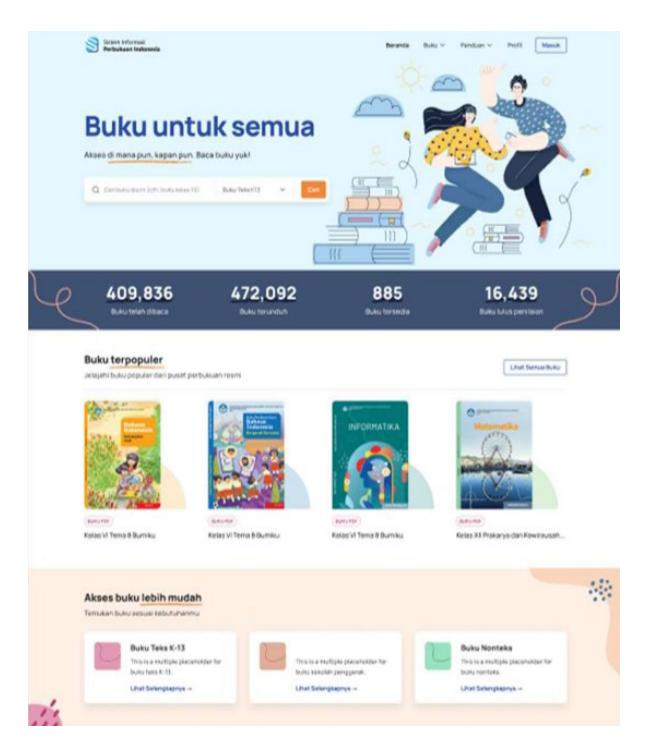
Figure 1 Website SIBI Source: buku.kemdikbud.go.id
Statistics on the SIBI Portal page (Figure 1) show that users have read 409,836 books. SIBI also has Instagram (Figure 2), which has 5,881 followers. The SIBI website, along with SIBI's Instagram, provides various information about the Book Center's upcoming activities. In addition to the SIBI website, Instagram serves as a platform for public education. The content on Instagram also contains the latest information about the SIBI platform, as well as information on SIBI's books. The following is a display from SIBI's Instagram media:
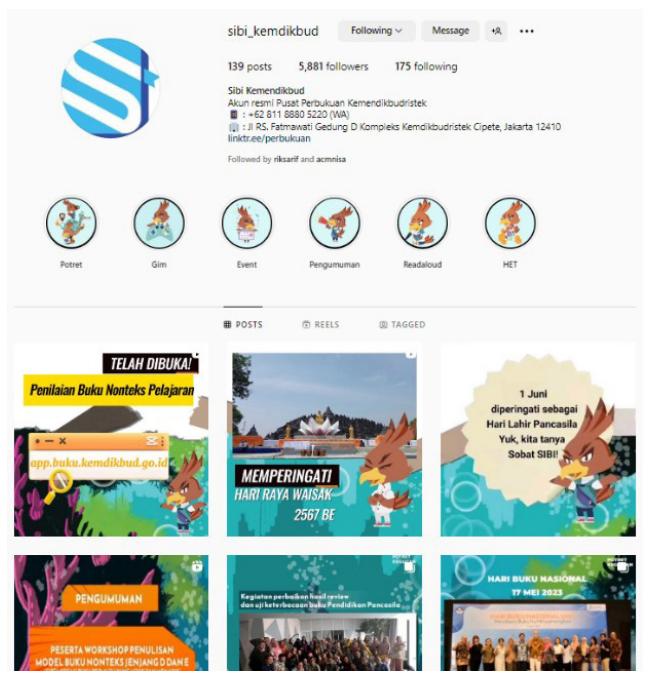
Figure 2 Instagram SIBI Source: Instagram @sibi_kemdikbud
Results and Discussions
Researchers analyzed various branding programs carried out by SIBI using the AISAS approach, researchers analyzed various SIBI branding programs. Previously, researchers first mapped the visual content and media used by SIBI. Based on the data collection results, SIBI implemented the branding strategy using the AISAS approach, aiming to achieve the communication objectives of informing, persuading, and reminding. SIBI employed direct meetings and digital platforms like social media, Instagram, and websites to execute a branding strategy, tailoring its placement to appeal to the target demographic of teenagers. Attached is a table of branding strategy analyses carried out by SIBI using the AISAS approach.
Strategy Communication Goals Media Placement Attention Informing, Persuading Direct Meeting Social Media Hotel Instagram Interest Informing, Persuading Direct Meeting Social Media Web Hotel Instagram Web Portal SIBI Search Persuading Contact Data Social Media Web WhatsApp Instagram Web Portal SIBI Action Persuading, Reminding Social Media Web WhatsApp Instagram Web Portal SIBI Share Informing, Persuading Social Media Web WhatsApp Instagram Web Portal SIBI
Table II Analysis of SIBI Branding Strategy with the AISAS Approach
The following is a visual content analysis of the SIBI platform digital poster, which was used as a branding strategy using the AISAS approach. Organizations and government agencies often use posters to communicate information or promote their products or services. A good poster must be communicative (the language used can be understood by the target audience), informative (the data displayed must be complete, not confusing the audience), and, as a design work, artistic to attract the audience's attention. SIBI Kemendikbud uses digital posters on Instagram to inform or promote various types of SIBI features to the public. As a brand communication tool, posters typically serve various purposes such as providing information, persuading or influencing the audience, adding value to the company or organization, and reminding or assisting in other aspects of the company's communication efforts. SIBI posters are created in Adobe Illustrator with a 4:5 layout ratio. The use of this ratio provides more space to contain more SIBI contents, the contents are not only the wording and typography, but also the colors and any other symbols or signs that exaggerate the typography.
The SIBI_Kemendikbud account analyzed five SIBI posters posted on Instagram between February and May 2022. The selection of this time period is based on the day the SIBI platform was launched and first introduced to Indonesian society. The following is an analysis of each AISAS stage from digital posters on Instagram.
Attention Stage
Visual analysis of the poster's attention as a branding communication medium: In this poster's attention stage, the public is given a communication message in the form of a digital poster on Instagram, which aims to make the public aware of the SIBI platform. This is the first poster uploaded to the SIBI Instagram
account, which aims to introduce and inform about the existence of the SIBI platform as a medium for accessing textbooks in Indonesia. Through this introduction, it is hoped that people can move on to the next stage, namely interest.
Figure 3 Poster Attention SIBI Source: Instagram SIBI
Visual analysis of Attention element of the poster
Layout:
The magnifying glass visual element layout tends to be to the right of the grid, providing variety in the layout and showing visual movement. Meanwhile, the text layout is designed to provide balance and readability. Titles and subtitles are arranged in the center and left of the grid, creating a symmetrical appearance that is easy for readers to digest. Overall, the grid is used effectively, ensuring that visual elements and text are placed in an orderly manner and providing enough white space to keep things clean and focused on the main message.
Typography:
The use of the sans-serif font type, which has a simple and efficient impression, provides better readability. The choice of font on this poster strengthens the professional impression and ensures clarity in reading the information.
Color:
The choice of blue background color creates a calm and supportive atmosphere, reflecting the reliability and authority of the relevant institution. The yellow color in the visual elements becomes the main
focus, attracts attention, and provides joy, especially in highlighting the logo. A white font was chosen to provide optimal clarity and readability, ensuring information is conveyed well. Meanwhile, black is used for small and detailed writing, such as the publisher's name and logo, to give an official visual identity.
Table III Semiotic Analysis
| Denotation | Connotation | Myth |
|---|---|---|
| Icon, Typeface, Color, Logo, Layout | A poster featuring a yellow magnifying glass icon placed behind a bold white headline, "Apa itu SIBI?" set in a clear typeface, with a contrasting blue background and centered layout. Institute's logo, product's name, and logo, site address. | The SIBI poster effectively conveys the message that SIBI is a centralized platform for all the information one needs, piquing the viewer's interest to learn more about SIBI through their website. |
According to the explanation above, the attention stage in the digital poster's design focuses on capturing the reader's interest through several key elements. The poster's visual elements include a magnifying glass icon, which serves as a visual representation of the information conveyed in the headline and paragraph. This illustrates the concept of denotation as the direct meaning received from an image without additional interpretation (Barthes, 1977). This icon is often associated with the pursuit of knowledge and understanding, reinforcing the poster's purpose of informing and educating viewers. It stands out prominently against a bold white headline, "Apa itu SIBI?" A clear typeface sets this headline, making it easy to read and immediately drawing attention. The contrasting blue background enhances the visibility of both the icon and the text, while the centered layout ensures that all critical information is immediately noticeable. Frank Jefkins (1992) emphasizes in his book entitled "Public Relations Techniques" that visual elements play a crucial role in enhancing the effectiveness of communication. When visuals are used effectively, the audience is more likely to understand and remember messages. This approach not only boosts message impact but also aids in better comprehension and retention among the audience. These elements—visual, layout, typography, and color contrast—work together to attract and hold the viewer's attention. This aligns with the fact that SIBI is a centralized platform for all the information one needs, piquing the viewer's curiosity to explore further through their website.
Interest Stage
Visual analysis of the Interest to the poster as a branding communication medium
In this poster, the interest stage is a continuation of the attention stage. At this stage, consumers will be interested in a product or service being advertised, and this will give rise to two possibilities. First, consumers feel interested in and want to know more about the product or service in question. Second, consumers feel interested in something but they do not intend to find out more. Therefore, SIBI develops consumer interest, by, for example creating digital posters on social media accounts that are eye-catching, unique, and fun so that consumers feel interested in the information presented. In the communication message, this poster attracts people's curiosity about which books are more interesting to them. Two choices are given, namely "Buku Cerita" and "Buku Pembelajaran," so that it can attract curiosity and continue to the next stage, namely search.
Figure 4 Poster Interest SIBI Source: Instagram SIBI
Visual analysis of Interest element of the poster
Layout:
A symmetrical layout of visual elements provides variety in the layout and shows visual movement. Meanwhile, the text layout is the main position on the poster, with large and expressive fonts designed to provide balance and readability. Titles and subtitles are arranged in the center and left of the grid, creating a symmetrical appearance that is easy for readers to digest. Overall, the grid is used effectively, ensuring that visual elements and text are placed in an orderly manner and providing enough white space to keep things clean and focused on the main message.
Typography:
The use of handwriting typefaces uses large, expressive fonts and sans-serif typefaces, which have a simple and efficient impression. The combination of handwritten and sans-serif fonts produces a unique and creative impression that provides a personal and friendly touch, creating direct engagement with the audience.
Color:
The choice of blue background color creates a calm and supportive atmosphere, reflecting the reliability and authority of the relevant institution. Blue is often associated with calmness, serenity, and tranquility (Birren, 1997). It tends to have a soothing effect on the mind and can reduce stress and anxiety. The yellow color in the visual elements, the font, is the main focus, attracts attention, and provides joy, especially in highlighting the logo. The yellow color is associated with cheerful connotations such as sunshine, brightness, and warmth (Cimbalo et al.). White and blue fonts were chosen to provide optimal clarity and readability, ensuring information is conveyed well. Meanwhile, black color is used for small and detailed writing, such as the publisher's name and logo, to give an official visual identity.
Table IV Semiotic Analysis
| Denotation | Connotation | Myth |
|---|---|---|
| Typeface, Color, Layout, Icon, Slogan, Logo. | Significance of typography on headline, Contrasting colors for typography and background and symmetrical layout. Rectangle icon presented two choices of options, Slogan "pilih buku nya sekarang". Institute's logo, product's name and logo, and site address. | The poster's content invites viewers to explore further with their preference choices through the website. |
The digital poster's design elements for the interest stage, such as the significant typography in the headline describing a greeting characterized by casual typography and cheerful colors, contrasting colors for text and background, and a symmetrical layout and rectangle icon presented two choices of options. Two option choices are crafted to draw the reader's attention, allowing viewers to choose their preference with two options to meet their needs. The poster provides the site's address and uses the persuasive slogan "pilih buku nya sekarang!" to encourage exploration and engagement. Ultimately, the poster's content fosters understanding by inviting viewers to explore further with their preference choices through the website, embodying personalized discovery.
Search Stage
Visual analysis of the search element of the poster as a branding communication medium
Once consumers feel interested, they will try to find out more about the SIBI platform. One way is through search engines like Google. The development of technology and the internet has made searching activities easier so that people can get additional information easily and quickly, such as information and features of the SIBI platform, which can help people to know the SIBI platform better.
Figure 5 Poster Search SIBI Source: Instagram SIBI
Visual analysis Search element of poster
Layout:
Layout of visual elements The cursor/arrow visual elements tend to be on the right side of the grid, providing variety in layout and indicating visual movement. Meanwhile, the text layout is the main position on the poster, with large fonts designed to provide balance and readability. Titles and subtitles are arranged in the center and left of the grid, creating a symmetrical appearance that is easy for readers to digest. Overall, the grid is used effectively, ensuring that visual elements and text are placed in an orderly manner and providing enough white space to keep things clean and focused on the main message.
Typography:
The use of sans-serif fonts' type, which have a simple and efficient impression, provides better readability. The choice of font on this poster strengthens the professional impression and ensures clarity in reading the information.
Color:
The choice of a blue gradient background color creates a calm and supportive atmosphere, reflecting the reliability and authority of the relevant institution. The yellow and white colors in the visual elements are the main focus, attracting attention and providing joy, especially in highlighting the logo. White and blue fonts were chosen to provide optimal clarity and readability, ensuring information is conveyed well. Meanwhile, black is used for small and detailed writing, such as the publisher's name and logo, to give an official visual identity. The use of striking colors can attract readers' attention, making it easier for them to focus on the information.
Table V Semiotic Analysis
| Denotation | Connotation | Myth |
|---|---|---|
| Icon, Typeface, Visual, Layout, Color, Logo, Slogan. | A cursor in a white line's icon and a yellow-shaped circle. A visual of a search bar with an "ada apa dalam SIBI?'' sentence inside. a contrasting blue background and symmetrical layout with the typography for the title and sub sentences is clear and also contains information about a product's feature, the sub- sentences are preferred to attract the interest of the viewer. Slogan "Pilih buku nya sekarang". Institute's logo, product's name, logo, and site address. | Viewers acknowledge the cursor shape icon, read the headline, and search immediately for the SIBI website. |
Based on the above, the stage in search that forms the reader's understanding of the digital poster focuses on various visual elements. A cursor in a white line's icon and a yellow shaped circle beside a visual of a search bar with the sentence "ada apa dalam SIBI?" guide the viewer to search SIBI. The typography in the title is clear, providing information about the product, while the sub-sentences are designed to attract the viewer's interest. The slogan "Pilih buku nya sekarang" invites viewers to explore more about SIBI through the provided website address. These elements work together to create a cohesive and engaging search experience for the reader. According to Lupton and Phillips (2008), visual
unity creates harmony among various visual elements in a design. It is crucial for designers to accurately position visual elements to ensure clear understanding. Therefore, the viewers acknowledge the cursor shape icon, read the headline, and search immediately for the SIBI website.
Action Stage
Visual analysis of the action element of the poster as a branding communication medium
From the search point, it ultimately creates an action. The results of this search also ultimately supported the decision to use the SIBI platform as a learning medium. In this digital poster, the public was invited to take part in the Instagram Reels Video Content Competition. This was done as a form of action at the AISAS stage. At this stage, the brand communication message has reached the public well, so apart from the public using the platform, the public also participates in the video reel content competition.
Figure 6 Poster Action SIBI Source: Instagram SIBI
Visual analysis of Action element of poster
Layout:
A symmetrical layout of visual elements provides variety in the layout and shows visual movement. Meanwhile, the text layout is the main position on the poster, with large fonts designed to provide balance and readability. Titles and subtitles are arranged, centered, and aligned, creating a symmetrical appearance that is easy for readers to digest. Overall, the grid is used effectively, ensuring that visual elements and text are placed in an orderly manner and providing enough white space to keep things clean and focused on the main message.
Typography:
The use of sans serif-fonts' type, which have a simple and efficient impression, provides better readability. The choice of font on this poster strengthens the professional impression and ensures clarity in reading the information.
Color:
The choice of a light blue gradient background color creates an atmosphere of creativity and inspiration. The dark blue font color on the visual elements becomes the main focus that attracts attention and provides contrast; yellow and purple serve as the "Instagram" symbol, which emphasizes the visual elements; white for readability; and black for small details to impress the official visual identity, all of which contribute to a serious and professional impression. Apart from that, several different colors are used for the icons around the main box. These different colors are used to differentiate different icons and provide a more visual impression. The "Freedom to Learn" logo is red and white. This color combination aims for creativity, gives a serious competitive impression, and invites active involvement from participants.
Table VI Semiotic Analysis
| Denotation | Connotation | Myth |
|---|---|---|
| Icon, Dashed line text , Typeface, Icon, Background, Layout, Color, Logo, Slogan. | Video play icon positioned in front of dashed line text containing information about an event, smartphone icon, gift box icon, background in festive style, the centered poster's content, slogan "jangan ragu lagi, yuk segera akses", the institute's logo, product's name and logo, and site address. | The "Lomba konten video instagram" event creates interest and engagement leading many viewers to seek more information and access the SIBI website. |
Based on the above, the stage of action that forms the reader's understanding of the digital poster focuses on encouraging immediate engagement. The video play icon symbolizes an invitation to engage with interactive events and content, implying dynamic and engaging media. A sign is the associative total of a concept and an image (Barthes, 1964). Barthes explains that a sign comprises the association between a concept, the signified, and an image or form, the signifier. Dashed line text segments provide structured and important event details, while the smartphone icon emphasizes easy accessibility and the gift box icon suggests that participation could lead to valuable rewards, creating excitement. The festive background highlights a special event, and the slogan "jangan ragu lagi, yuk segera akses" or "don't hesitate, access it now" fosters a sense of urgency and encouragement. These elements collectively drive the viewer towards immediate action and engagement with the event. The "Lomba Konten Video Instagram" or Instagram content challenge event creates interest and engagement, leading many viewers to seek more information and access the SIBI website.
Share Stage
Visual analysis of the Share element of the poster as a branding communication medium
Next, after carrying out the action stage by taking part in the video reels competition, consumers will share their video reel on their respective Instagram accounts. This is the sharing stage carried out by people who have received good information about the SIBI platform. The good information that is conveyed will spread, creating word of mouth so that it can become a consideration for other people before using the SIBI Platform. Through this share, they indirectly become part of marketing the SIBI platform voluntarily so that they can reach a wider target.
Figure 7 Poster Share SIBI Source: Instagram SIBI
Visual analysis Share element of the poster
Layout:
A symmetrical layout of visual elements provides variety in the layout and shows visual movement. Meanwhile, the text layout is the main position on the poster, with large fonts designed to provide balance and readability. Titles and subtitles are arranged, centered, and aligned, creating a symmetrical appearance that is easy for readers to digest. Overall, the grid is used effectively, ensuring that visual elements and text are placed in an orderly manner and providing enough white space to keep things clean and focused on the main message.
Typography:
The use of sans-serif fonts' type, which have a simple and efficient impression, provides better readability. The choice of font on this poster strengthens the professional impression and ensures clarity in reading the information.
Color:
The choice of a light blue gradient background color creates an atmosphere of creativity and inspiration. The dark blue font color on the visual elements is the main focus that attracts attention and provides contrast; white for readability, which highlights the visual elements; and black for small details to impress the official visual identity, which all contribute to a serious and professional impression. The "Freedom to Learn" logo is red and white. This color combination aims to provide a boost to action, encourage participation, and create positive relationships.
Table VII Semiotic Analysis
| Denotation | Connotation | Myth | |
|---|---|---|---|
| Typeface, Icon, Background, Layout, Color, Logo, Slogan. | Headline presented Information of the event, list of username's social media in rectangle icon, background with institution logo, Institute's logo, product's name and logo, and site address and slogan "Jangan ragu lagi, yuk segera akses" | The winner announcement conveys communal celebration and support, the congratulatory headline and list of winners in the username social media can lead the viewer / winner to share their achievement on their social media. | |
Based on the above, the stage in Share that forms the reader's understanding of the digital poster focuses on encouraging the dissemination of information. The typeface and iconography used in the headline congratulate the winners, celebrating their accomplishments. The event period information reassures participants and viewers about the event's schedule. Listing the winners by their social media usernames encourages them to share their achievements online. The background with the Tut Wuri Handayani logo symbolizes support and guidance, emphasizing the institution's role in nurturing talent and promoting educational values. The inclusion of the institution's logo, name, and site address provides a reliable point of contact and further information, enhancing credibility and accessibility.
The winner announcement conveys communal celebration and support, and the congratulatory headline and list of winners in social media usernames can lead viewers or winners to share their achievements on their social media. Attention is the initial stage in a branding strategy to get target segments to get information and be persuaded by conventional advertising or digital advertising. The Book Center implemented a conventional advertising strategy by holding a one-day outreach event at the initial launch of the SIBI Platform, attended by 70 participants consisting of teachers and students from elementary, middle, and high schools from seven regions, held in a hotel hall for 7 hours. This event drew attention to SIBI from the Indonesian people regarding the existence of the SIBI platform. The following are some of the media used to get attention, namely digital posters on Instagram media and holding onsite events at hotels in the city of Semarang.
Figure 8 Event Socialization SIBI at Semarang Source: Documentation Pusat Perbukuan
After carrying out the attention stage, the interest stage is then built. Interest is the next stage in the branding strategy, with the aim of getting the target segment to get information and be persuaded by advertisements that highlight the advantages and uniqueness of a product. Of course, the advantage of government products is that the services provided are open to the public and can be accessed for free. This interest stage is carried out by focusing on digital media in the form of posters placed on Instagram.
It is hoped that the public will be interested in accessing the SIBI platform by providing communication messages in the form of choices regarding various books provided on the SIBI platform. And after the public accesses the SIBI platform, they are given a visual cover of the textbook, which can be read and used as a textbook by students, as attached in the image below:
Figure 9 Book Illustration Bahasa Indonesia Kelas 1 SD Source: buku.kemdikbud.go.id
This interest stage also sends the message that by accessing the SIBI platform, people will get various benefits. Another advantage provided is that, in terms of programming technology, the SIBI Book Portal is designed to be accessible in low internet network conditions, so that students or teachers who are in areas with poor internet conditions still can access books on the SIBI Book Portal. Then a collaboration was carried out with the selected illustrator to design the textbook cover and textbook illustrations to make them more attractive. So that people will be more interested in accessing and utilizing the SIBI platform as a learning medium.
The next stage of brand communication is the search stage. Search at the branding strategy stage is when users have started to find out all the information about the product. At this stage, users can search for information via SIBI Instagram social media or by conducting a search by exploring the book web portal or by contacting the admin. At this stage, Instagram social media is used to direct users and the public to the SIBI website or platform by accessing the link contained in the poster. The target audience will get a lot of information about SIBI features when they access the website. This is what is meant by the search stages carried out by the target audience. Digital posters were placed on Instagram social media, as seen in the image below:
Figure 10 Contact at Footer Portal Buku web SIBI Source: buku.kemdikbud.go.id
SIBI has an admin who can answer user questions, but at this stage, the role of socialization event participants at the attention stage is also to indirectly act as an intermediary for friends and colleagues to answer questions about the SIBI Platform. Once the user is interested in searching the SIBI website, they will try to read the existing books and interact with the types of books available. So the aim of increasing people's interest in reading can be fulfilled if the branding strategy stage, namely the action stage, has been achieved. And this is proven by the continued increase in books that have been read through the statistical data feature.
Figure 11 Poster Action Stage Source: Instagram SIBI
Following the search phase, the public enters the action stage, where they access the SIBI platform and learn about its features and benefits. They then participate in the Instagram reel video content competition, sharing their experiences with accessing and utilizing the platform's features. It is hoped that the video reel content produced and then shared by the public will be able to influence and persuade other people who do not yet know the SIBI platform to access and use it. The community advances to the next stage, known as the share stage, after completing the action stage. Share is the final stage when users have felt the benefits of a product, feel happy, and voluntarily recommend it to people they know to use it. During this stage, SIBI users who are students and teachers have actively shared the product, either through word-of-mouth or by sharing the SIBI web link via the WhatsApp mobile application. The sharing stage can also be done by reviewing or commenting on the review feature on the book web portal or by commenting on SIBI's Instagram social media.
This sharing stage is carried out through the announcement of the winners of the video reel competition, which was carried out in the previous action stage. The owners of five video reel-winning accounts have uploaded and distributed their videos on their respective social media platforms. The sharing stages involve the use of digital posters and the provision of comments on SIBI posts, both via Instagram and the SIBI platform, as detailed in the attached document.
Figure 12 Comments at web and Instagram Source: buku.kemdikbud.go.id and Instagram
Based on the results of the data collection and analysis that have been carried out, the AISAS stages have been implemented in the branding strategy for the SIBI Information System Platform by adjusting the media and the placement of the media to suit SIBI's target audience, namely teenagers. According to
Sugiyama & Andree (2011), consumers, after engaging with a product or event, share their experiences on social media or other platforms. This sharing helps spread awareness and can significantly expand the campaign's reach by leveraging word-of-mouth marketing. Displaying contest winners and encouraging participants and viewers to share their excitement and achievements on social media can create a viral effect, boosting visibility and engagement for the campaign. The AISAS stages in this branding strategy function as an elaboration likelihood model, capable of convincing the target audience to shift their reading preferences from less to more when the branding strategy employs the AISAS approach in phases. SIBI platform owners can measure the time when the target audience can change their opinion or prefer reading activities after they receive the communication messages conveyed by SIBI through its platform by implementing the AISAS approach.
The SIBI platform implements the AISAS stages as part of its brand communication strategy to boost platform awareness and usage. The Elaboration Likelihood Model is a brand communication model that can be effectively utilized as a branding strategy through digital media. This communication technique is considered one of the most effective for changing someone's views of the SIBI platform. Persuasive techniques aim to persuade the person (persuadee) to change their mind and adopt the persuader's wishes or beliefs. In this model, the public will evaluate a message thoroughly, attentively, and critically using the AISAS stages. This will lead to a significant shift in attitude, specifically a shift from unfamiliarity with the SIBI platform to familiarity with, access to, and utilization of the SIBI platform as a learning medium for students and society as a whole. By getting to know and using this platform, it is hoped that the literacy level of the community, especially students, will increase and open access to learning for all Indonesians. The analysis above can be described as follows in schematic form:
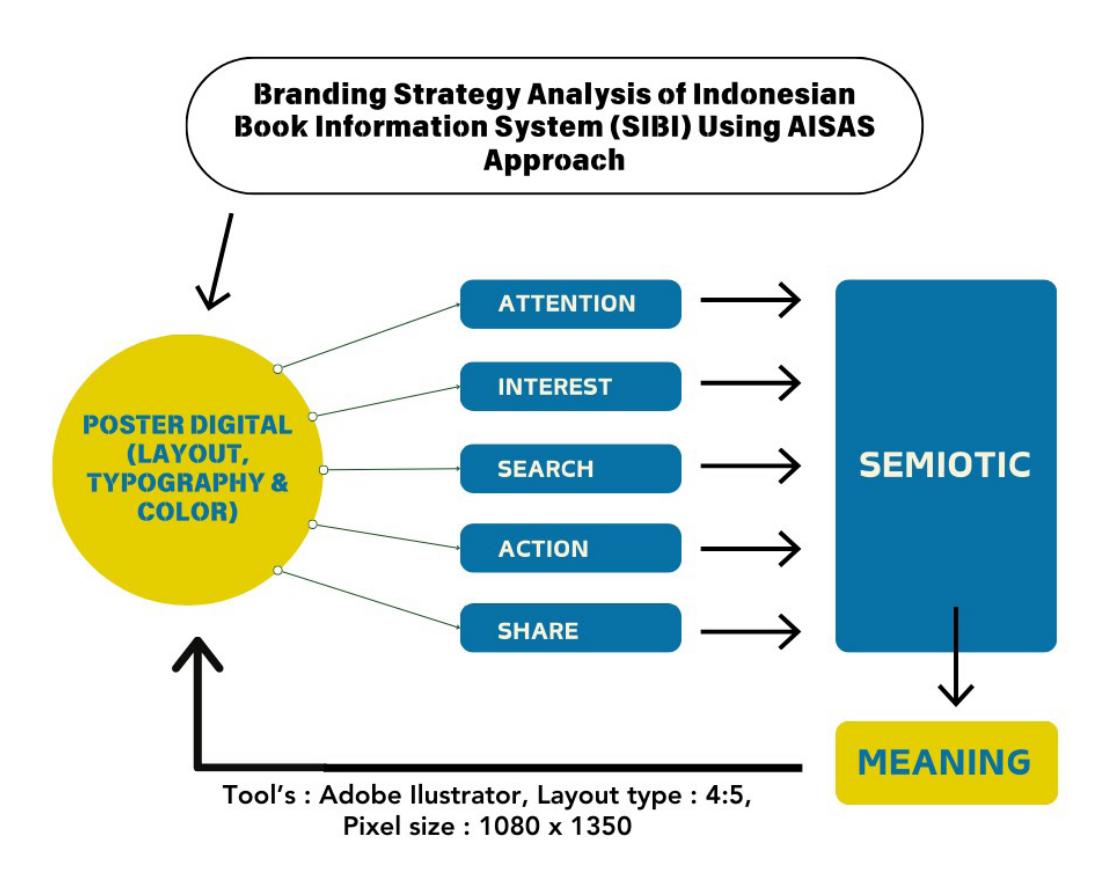
Figure 13 Branding strategy analysis
The SIBI platform's branding strategy, which employs the AISAS approach, has the potential to enhance user awareness and serve as a medium for promoting literacy. The increase in SIBI website users from October 2023 to November 2023, specifically from 357,700 to 382,900 users, aligns with this trend, according to data from similarweb.com. Based on this, a branding strategy that provides posters using Adobe Illustrators with 1080 x 1350 px, 4:5 layout type, typography, and color can produce an effective AISAS effect for readers and create semiotic meaning that can increase the awareness of teenagers to use learning media technology to increase their literacy.
Conclusion
The Book Center team has successfully implemented the AISAS model branding strategy on the SIBI platform, enabling individuals to access information and encourage others to read on this platform. The AISAS model can also be used as a method of evaluating branding strategies so that the SIBI platform can continue to meet customer needs and attract more users. Through the application of the AISAS model to SIBI's branding strategy, it is hoped that the main objective of developing this platform, namely increasing reading interest and literacy, can be achieved. The elaboration likelihood communication brand model links the AISAS stages to encourage people to shift their reading habits from less to more, thereby raising the literacy rate in Indonesian society.
References
Anggraheni, D., Anandha, A., & Yogatama, A. (2024, February). Semiotics analysis of barbie movie poster. International Conference on Cultural Studies (ICCUS 2023), 228-235.
Barthes, R. (1997). Image, music, text. London: Fontana Press.
Birren, F. (1997). The power of color. Carol Publishing Group.
Cimbalo, R. S., Beck, K. L., & Sendziak, D. S. (1978). Emotionally toned pictures and color selection for children and college students. The Journal of Genetic Psychology, 133(2), 303-304.
Endraswara, S. (2003). Metodologi penelitian kebudayaan. Gajah Mada University Press. Yogyakarta.
Fahlevi, F. (2020, September 8). Kemendikbud: Tingkat literasi remaja di Indonesia masih rendah. Tribunnews.com. Retrieved June 13, 2024, from https://www.tribunnews.com/nasional/2020/09/08/ kemendikbud-tingkat-literasi-remaja-di-indonesia-masih-rendah
Fiske, J. (1990). Ethnosemiotics: Some personal and theoretical reflection. Cultural Studies, 4(1), 85-99.
Fiske, J. (2010). Introduction to communication studies. Routledge.
Grifin, R. W., & Ebert, R. J. (2006). Business, 8th Edition. (8th ed.). Pearson Education Inc. New Jersey.
Helsper, E. J., & Eynon, R. (2010). Digital Natives : Where is the evidence? British Educational Research Journal, 36(3), 503-520.
Hitt, M. A. (2019). Mindtap for hitt/ireland/hoskisson's strategic management, 1 term instant access: Competitiveness and Globalization. Cengage learning.
Jefkins, F. (1992). Public relations techniques. Butterworth-Heinemann.
Jefkins, F. (1997). Periklanan. Erlangga. Jakarta.
Kadiasti, R., & Mukaromah. (2022). Pendekatan AISAS dalam post instagram Carousel sebagai strategi promosi pada museum Ranggawarsita. Ultimart: Jurnal Komunikasi Visual, 15(1), 79.
Kotler, P., & Amstrong, G. (2003). Dasar-dasar pemasaran (9th ed., Vol. 1). PT. Indeks Gramedia. Jakarta.
Kriyantono, R. (2007). Teknik praktis riset komunikasi. Kencana Jakarta.
Lawes, R. (2023). Using Semiotics in marketing: How to achieve consumer insight for brand growth and profits. Kogan Page.
Littlejohn, S. W. (2009). Theories of human communication (Vol. 9). Salemba Humanika.
Lupton, E., & Phillips, J. C. (2015). Graphic design: the new basics (revised and expanded). Chronicle Books.
Mardina, R. (2011). Potensi digital natives dalam representasi literasi informasi multimedia berbasis web di perguruan tinggi. Jurnal Pustakawan Indonesia, 11(1).
- Novia, V., & Bustam, M. (2022). Analisis semiotika roland barthes pada sampul buku five little pigs karya Agatha Christie. Mahadaya : Jurnal Bahasa, Sasta dan Budaya, 2, 143-156. 10.34010/mhd. v2i2.7795
- Nugraha, H., Hadiapurwa, A., & Zuhrah, D. A. (2023). How is implementation of the AISAS model in museum promotion through the website? Social, Humanities, and Education Studies (SHEs): Conference Series, 6(2), 337-348.
- Popat, A., Gupta, L., Meedinti, G. N., & Perumal, B. (2023). Movie poster classification using federated learning. Procedia Computer Science, 218, 2007-2017.
- Prasetya, A. B. (2019). Analisis semiotika film dan komunikasi. Intrans Publishing.
- Prensky, M. (2001). Digital Natives, Digital Immigrants Part 1. On The Horizon the International Journal of Learning Futures, 9(5), 1–6. https://doi.org/10.1108/10748120110424816
- Puspitasari, F., & Anggoro, A. (2024). Semiotics analysis of gender bias in news coverage of Reog Ponorogo art. Indonesian Journal of Communication Studies, 8(163-172). 10.25139/jsk.v8i1.7057
- Rangkuti, F. (2009). Strategi promosi yang kreatif dan analisis kasus integrated marketing communication. Jakarta : PT. Gramedia Pustaka Utama.
- Rolland, B., Annette, L., & Colin, S. (1967). Elements of semiology. New York : Hill and Wang.
- Rusmana, D. (2014). Filsafat semiotika. Bandung: Pustaka Setia.
- Salsabila, U. H., Sari, L. I., Lathif, K. H., Lestari, A. P., & Ayuning, A. (2020). Peran teknologi dalam pembelajaran di masa pandemi Covid-19. Al-Mutharahah : Jurnal Penelitian dan Kajian Sosial Keagamaan, 17(2), 188-198.
- Seba, N. G., & Prihandini, A. (2021). Analisis makna denotasi pada fitur "mendengarkan secara offline" di aplikasi Spotify. Mahadaya: Jurnal Bahasa, Sastra dan Budaya, 1(2), 161-164.
- Sugiyama, K., & Andree, T. (2010). The dentsu way: Secrets of cross switch marketing from the world's most innovative advertising agency. McGrae Hill Professional.
- Supratman, L. P. (2018). Penggunaan media sosial oleh digital native. Jurnal Ilmu Komunikasi, 15(1), 47-60.
- Tinarbuko, S. (2008). Semiotika komunikasi visual: Metode analisis tanda dan makna pada karya desain komunikasi visual. Jalasutra.
- Wirasari, I., & Budi, I. (2022). Perancangan model bisnis usaha kecil menengah menggunakan metode business process improvement (Studi kasus: UKM Ardelicious Kitchen Bandung). Jurnal Sosioteknologi, 21(1).
- Yuliawati, S. (2018). Kajian linguistik korpus dan semiotik. Refika Aditama.