

Keywords:
tourism geography, ESD, textbook
This research aims to assess the feasibility and practicality of developing a tourism geography textbook based on Education for Sustainable Development (ESD) in the Social Sciences Education Study Program at UIN Syarif Hidayatullah Jakarta. This research employed the ADDIE development model from the Robert Maribe Branch for research and development (R&D), a process that encompasses analysis, development, implementation, and evaluation. The trial subjects for textbook products were geography lecturers and students in semesters 3rd and 9th of the 2023-2024 academic year. Data collection techniques included interviews, product validation questionnaires, and lecturer and student response questionnaires. The research instrument comprises interview guidelines, expert review questionnaires, and lecturer and student response questionnaires. The data analysis techniques include (1) preliminary research analysis of interview data; (2) validation questionnaire data analysis; and (3) analysis of lecturer response data and geography. The results of the research show that the feasibility of ESD based on tourism geography textbook materials and media received a score of 3.94 in the feasible category and 4.28 in the very feasible category. The practicality test conducted on students and lecturers received an average score of 3.85 and 4.0, respectively, indicating that the tourism geography textbook was considered practical by the students and very practical by the lecturers.
INFO ARTIKEL
ABSTRAK
Kata kunci:
geografi pariwisata, ESD, buku teks
Buku ajar geografi pariwisata dan integrasi buku ajar yang berbasis Education for Sustainable Development (ESD) belum ada dan tampak dalam dunia pendidikan akan mengantarkan pada tujuan penelitian ini. Hal ini dilakukan untuk menguji kelayakan dan kepraktisan buku ajar geografi pariwisata yang dikembangkan dengan basis ESD di Prodi Pendidikan IPS UIN Syarif Hidayatullah Jakarta. Metode yang digunakan adalah Research and Development (R&D) dengan model pengembangan ADDIE dari Robert Maribe Branch yang terdiri atas Analyze, Design, Develop, Implement, dan Evaluate. Subjek uji coba produk buku ajar adalah dosen dan mahasiswa Geografi semester 3 dan 9 tahun akademik 2023-2024. Teknik pengumpulan data dilakukan melalui wawancara, angket validasi produk, serta angket respons dosen dan mahasiswa. Instrumen Penelitian terdiri atas pedoman wawancara, angket uji ahli (expert review), dan angket respons dosen dan mahasiswa. Teknik analisis data terdiri atas analisis
data wawancara (analisis penelitian pendahuluan), analisis data angket validasi, dan analisis data respons dosen dan mahasiswa. Hasil penelitian menunjukkan kelayakan materi dan media buku buku ajar geografi pariwisata berbasis ESD memperoleh nilai 3,94 dengan kategori layak dan 4,28 dengan kategori sangat layak. Uji kepraktisan yang dilakukan pada mahasiswa dan dosen memperoleh nilai rata-rata 3,85 dan 4,0 yang berarti buku ajar geografi pariwisata dinilai praktis oleh mahasiswa dan sangat praktis oleh dosen.
https://doi.org/10.5614/sostek.itbj.2024.23.2.9 Submitted: May 1, 2024 Accepted: June 26, 2024 Published: July 31, 2024
Introduction
The multi-sectoral and multidisciplinary development of culture and tourism operates within a synergistic system, aiming to propel national education, enhance civilization and unity, and foster international friendship. To some extent, awareness of the importance of studying culture and tourism assets has become critical. Therefore, it has been a mutual agreement that one of the government's priorities is to develop culture and tourism. Some culture and tourism management teams, activists, and observers believe that culture and tourism are not only assets but also have an essential role in building the Indonesian nation. According to Robinson, as cited in Abdurrachmat & Maryani (1997), tourism is included in geographic studies because (1) geography relates to nature and humans. The spatial phenomenon and distribution relationship connects tourism with space utilization, tourist destination sites, and tourist movement from one area to another. This connection allows geography to play a crucial role in creating spaces for tourist destinations that cater to the needs of tourists and ensure their satisfaction. Structures, forms, land use, and landscape protection all play a role in tourism. Geography, a science that examines land usage, provides a spatial illusion that, when combined with the weight capacity reference, can minimize the risk of damage. (3) Economic geography specifically studies various commercial economic activities on Earth, including tourism. Tourism supports the emergence of different activities that can benefit from nature, either directly or indirectly. (4) Geography always relates to the movement of goods and people in the form of transportation or trade. Tourism has significantly contributed to regional, national, and international trade. The distribution of people, goods, and money from one place to another is critical to maintaining tourism sustainability. (5) It is always possible to study geographically any relationships among phenomena and how one phenomenon affects other phenomena. Tourism has a wide range of economic, cultural, social, and environmental effects. The effects may be local, regional, national, or international. It demonstrates that tourism is suitable for geographical study.
Abdurrachmat & Maryani (1998) states that tourism is one of the inevitable human needs, particularly for citizens, where it has a very important role, either nationally or internationally. At the national level, its influence is evident in the rise in income levels, the increase in job openings, and the promotion of equitable development and economic justice. Tourism development in different areas, like Bali, has been able to make a significant contribution to the increase in social welfare. In developing tourism, people should, to a certain extent, be able to take a role as the subject of the activity. In addition to its positive impacts, which significantly contribute to enhancing social welfare, tourism also has negative impacts that reflect environmental pressures resulting from its activities. At present, the increasing negative impacts of tourism can be attributed to the increasing number of tourists and the development of infrastructure related to tourism to meet their needs. Tourism contributes to an increase in trash and waste, pollution, sanitation, and aesthetics (Iffa et al., 2015; Sahu, Nair, & Sharma, 2014). In addition to its detrimental effects on the environment, tourism also contributes to other negative outcomes, such as tourism leakage.
Archer and Cooper (1994) emphasize the importance of including social variables in studies on the economic benefits and effects of tourism, which other experts may overlook, and the necessity of using social cost-benefit analysis. They state that calculating and measuring the benefits and impacts of tourism is not only about calculating the economic impact by finding the multiplier effect. Moreover,
Sinclair (1991) clarify that determining the multiplier income for the tourism sector at the subnational level necessitates more intricate considerations and data due to the frequent occurrence of "leakages." Therefore, it is more effective to conduct the analysis at a specific regional level, and then measure and compare the leakage to the expected benefit.
In different cases, according to Frechtling (1994) tourism has been proven to have a positive impact on a country's economy as a result of the exchange rate and foreign exchange receipts as a result of tourist consumption, employment, and tourism infrastructure development that the local people enjoy, and, in certain cases, it is used as the generator for local economic empowerment. The World Trade Organization (WTO) predicts that the income generated by tourism is 100% derived from what the tourists spend in a particular area, and in fact, a larger number of local people compete for their living sources in this informal sector, which means that if this informal sector develops, the local people will get a bigger economic benefit (Antara, 2008). On the other hand, Abdurrachmat & Maryani (1998) stated, if tourism development is not well coordinated and planned, it can negatively impact a country or a destination. Therefore, the development should focus on empowering the local population through a system that directly aligns with national production factors.
Education for Sustainable Development (ESD) involves reorienting education at all levels, raising awareness among people about the concept, providing human resource training, and improving the quality of education. The explanation above suggests that university teaching and learning practices, including the tourism geography course, should incorporate the concept. However, data from observations in the Tourism Geography course of Social Sciences Education, conducted by geography lecturers in the odd semester of October 2023, indicates that the course still lacks a comprehensive understanding of Education for Sustainable Development (ESD). ESD closely relates to environmental issues; however, the course still emphasizes the mastery of only the core materials, so students are less motivated to understand the concept of sustainable development.
Seeing the issue revealed in the Social Sciences Education course above, particularly in Geographic Education Concentration, the Tourism Geography course has not already been supported with an ESD-based tourism geography textbook. A textbook serves as a teaching tool that enhances university comprehension, potentially influencing and generating solutions for tourism activities. Given the previously explained background, a solution is necessary to address the absence of an ESD-based tourism geography textbook. Therefore, the researchers decided to take the title "Development of Tourism Geography Textbook Based on Education for Sustainable Development (ESD) in the Social Sciences Education Study Program at UIN Syarif Hidayatullah Jakarta."
Method
This study employed the Research and Development (R&D) method. The method aimed to create a new product through a rigorous development process. In the educational field, the product can take various forms such as books, models, media, modules, tools, lesson plans, evaluation tools, curricula, and educational institution policies. The product that resulted from this study was an ESD-based tourism geography textbook that refers to the Textbook Assessment based on Badan Nasional Satuan Pendidikan (2014); DEPDIKNAS. (2008); Badan Standar, Kurikulum, Asesmen Pendidikan (2022). The study employed the ADDIE development model. Brach (2009) conveys that the ADDIE development stages are analysis, design, development, implementation, and evaluation. In this study, only the first three stages were used, from analysis to development.
Due to limited time and research funds, we only implemented the three stages of the ADDIE process, as adapted from Branch (2009): (1) The analysis stage includes (a) need analysis; (b) determining instructional objectives; and (c) identifying needed sources. However, (2) the design stage involves (a) creating the task inventory and (b) designing the validation instrument. Also, (3) the development stage comprises the following steps: (a) writing an ESD-Based Tourism Geography Text Book; (b) validating the textbook; and (c) conducting trials, which include several steps of validity testing and a limited trial aimed at determining the feasibility and practicality of the developed product.
The trial subjects of this study are a geography lecturer and students of the Geography Education Concentration at UIN Syarif Hidayatullah Jakarta in semesters 3rd and 9th of the academic year 2023- 2024. The data collection technique consists of preliminary study data (interview), a product validation questionnaire, and a lecturer and student response questionnaire. The research instruments used are interview guidelines, an expert review questionnaire, and a lecturer and student response questionnaire. The data analysis techniques consist of (1) interview data analysis (preliminary research analysis); (2) analysis of validation questionnaire data; (3) analysis of geography lecturer response data; and (4) analysis of student response data.
Results and Discussions
The researchers used the product development of the Tourism Geography textbook, which integrates with sustainable development education, to address the global warming issue. This study measures two textbook aspects of feasibility (validity) and practicality. Branch (2009) developed the ADDIE research and development model, which we used in this study. The model has five stages: analysis, design, development, implementation, and evaluation. This textbook development study only examined the stages up to the development stage, excluding implementation and evaluation.
Analysis of the Development Result Data Analysis Stage
This study's performance gap analysis was conducted using a needs analysis of the preliminary study and a literature review. The preliminary study was conducted through a document study and interviews with lecturers and students. The study aligned with the elements of the Tourism Geography course, and the interviews followed the guidelines outlined in the Tourism Geography course and EDS aspects to identify the requirements and accessibility of the Tourism Geography textbook for achieving the learning objectives.
Based on the analysis of the tourism geography course, it can be concluded that the geography lecturers agree that the tourism geography textbook can be used in the course. The textbook aims to explore the tourism geography phenomenon, focusing on the resources found in each geosphere layer at various locations, both factually and practically.
Determining Subcourse Learning Outcome (CLO) Indicators
The sub-CLO indicators chosen are focused on the development of ESD-based tourism and belong to the Tourism Geography course materials. The development of ESD-based tourism was chosen since, at present, in Indonesia, tourism has become a part of the industrial sector, having a bright prospect as well as big potential and wide opportunities to develop. However, the management and development of tourism have some inevitable impacts as a result of tourists coming to a place different from their hometown, causing some negative effects that have been thoroughly discussed. Discussions on the development of ESD-based tourism in a class can be conducted by integrating ESD contents into the textbook.
Identifying Resources Needed
All resources in this study include humans, time, and finance. Human resources needed were a validator expert and a media expert, one for each subject area. The other resources were lecturers and students of the Geography Education Concentration at UIN Syarif Hidayatullah Jakarta in semesters 3rd and 9th of the academic year 2023-2024. The time resource used for this textbook development study was predicted to be more than six months, including the analysis (preliminary), design, and development process stages. The financial resources required in this study were 35 million rupiahs more or less, accommodating the analysis, design, and development process at each stage.
Evaluation
During the analysis stage, the researchers engaged in discussions with the research participants to assess the data. The researchers evaluated the student interview tool, the literature review outcomes, the tourism geography materials analyzed in journals, and the process of identifying sub-CLO indicators. The evaluation was also conducted during the determination of sub-CLO indicators by discussing the focus to choose.
Design
The design stage is the second step in developing a tourism geography textbook based on Education for Sustainable Development (ESD). The sub-CLO indicators should be clear and real, describing the development of ESD-based tourism or sustainable tourism, as well as the impact of tourism development on the environment. In the design stage, activities included composing the book structure and creating the validation instruments.
Doing Task Inventory
We designed the textbook's contents based on ESD. We designed the textbook's contents to be ESDbased. The contents, which refer to materials integrated with ESD, form the main part of the textbook. Figure 1 below depicts the initial design of the textbook contents.
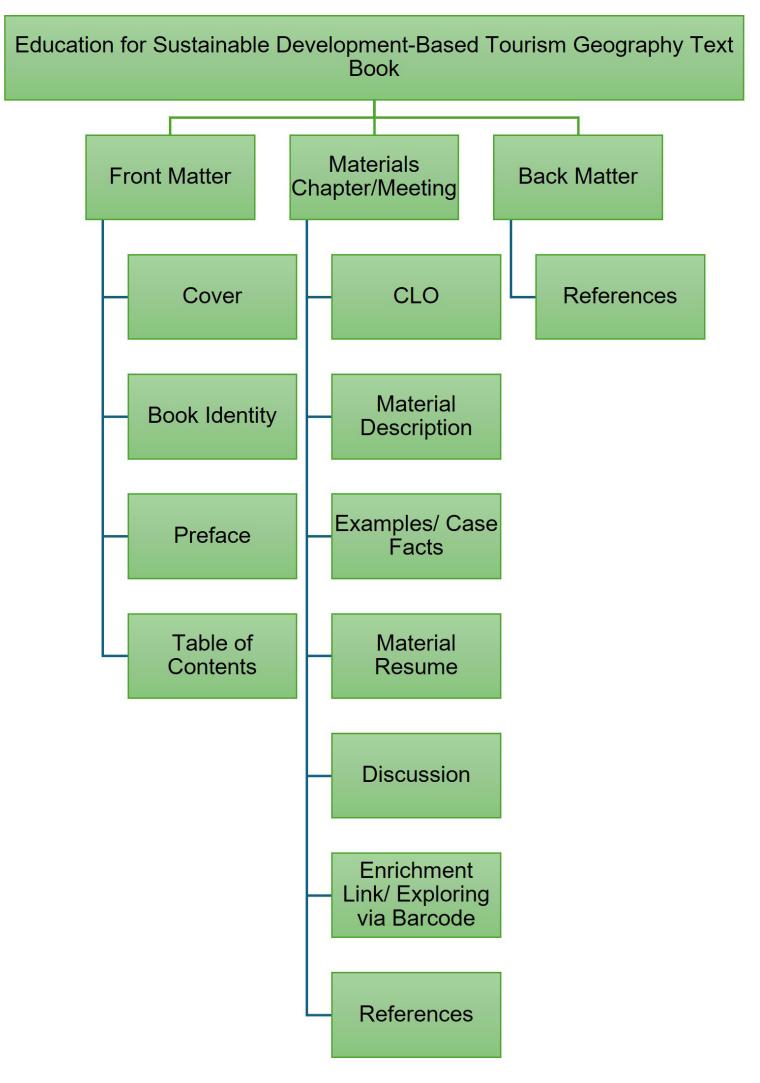
Figure 1 (Initial) Macro Structure of Tourism Geography Textbook
Designing Validation Instruments
There were two types of validation instruments used. A material expert and a media expert used the first validation instrument to assess the textbook's feasibility. The lecturer and students utilized the second instrument to evaluate the practicality of the textbook they had created (Arroida, 2018). The researchers evaluated the validation instruments before using them for the test to ensure they were appropriate.
Evaluation in the Design Stage
Evaluation in the design stage was conducted through the improvement of content and validation instrument design based on the recommendations from geography lecturer colleagues who were different from the ones chosen as the expert validator lecturers. During the evaluation, we anticipated that the upcoming textbook would have content that aligned with the ESD aspects, serving as a foundation for creating a high-quality textbook design in the subsequent phase. The instruments composed were also expected to be able to measure the feasibility and practicality of the textbook. In the development stage, the researchers wrote and validated the textbook. However, the stage led to an ESD-based Tourism Geography Textbook product that would be ready for the limited trial.
The Writing of a Tourism Geography Text Book
The researchers wrote the textbook during the product creation stage. The textbook's structure consists of three main parts: the front matter, the body, and the back matter. The front matter consists of the cover, book identity, preface, table of contents, and readers' guidance. The body of the book comprises thirteen chapters, each delving into a specific topic in detail. The back matter consists of a glossary and references.
Front Matter
• Book Cover
The book cover consists of the title page, the description of the book type, the authors' names, and an illustration. The developed tourism geography textbook bears the title "Geografi Pariwisata berbasis Education for Sustainable Development (ESD)," or "Education for Sustainable Development (ESD)-based Tourism Geography." The book cover also identifies the type of book, specifically targeting students in the Geography Education Concentration of Social Science Tadris at UIN Syarif Hidayatullah Jakarta. The book cover's illustration showcases materials related to tourism geography and ESD-based tourism development. Figure 2 displays the textbook cover.
Figure 2 The snippet of the cover of the Education for Sustainable Development (ESD)-based tourism geography textbook
• Book Identity
Book identity covers the book title, authors' names, layouter, cover designer, book size, and the year of the writing.
• Preface
The preface consists of praise and gratitude to Allah SWT, a short description of the book contents, the textbook's aims, and the writers' acknowledgements to all parties supporting the completion of the book.
• Table of Contents
The table of contents consists of chapter and sub-chapter titles provided in the book along with the page. The aim of providing the table of contents is to help readers in finding materials within the text book.
The Body
The body consists of thirteen materials, including the scope of tourism geography, geography concepts in tourism, the geosphere as a tourism resource, object diversity and tourist attraction, the correlation among sectors under tourism, tourist segmentation, tourist movement and flow, tourism model and development, planning in tourism, sustainable tourism development, local-based tourism, tourism village characteristics, and tourism impacts. A sample of the book content can be seen in Figure 3.
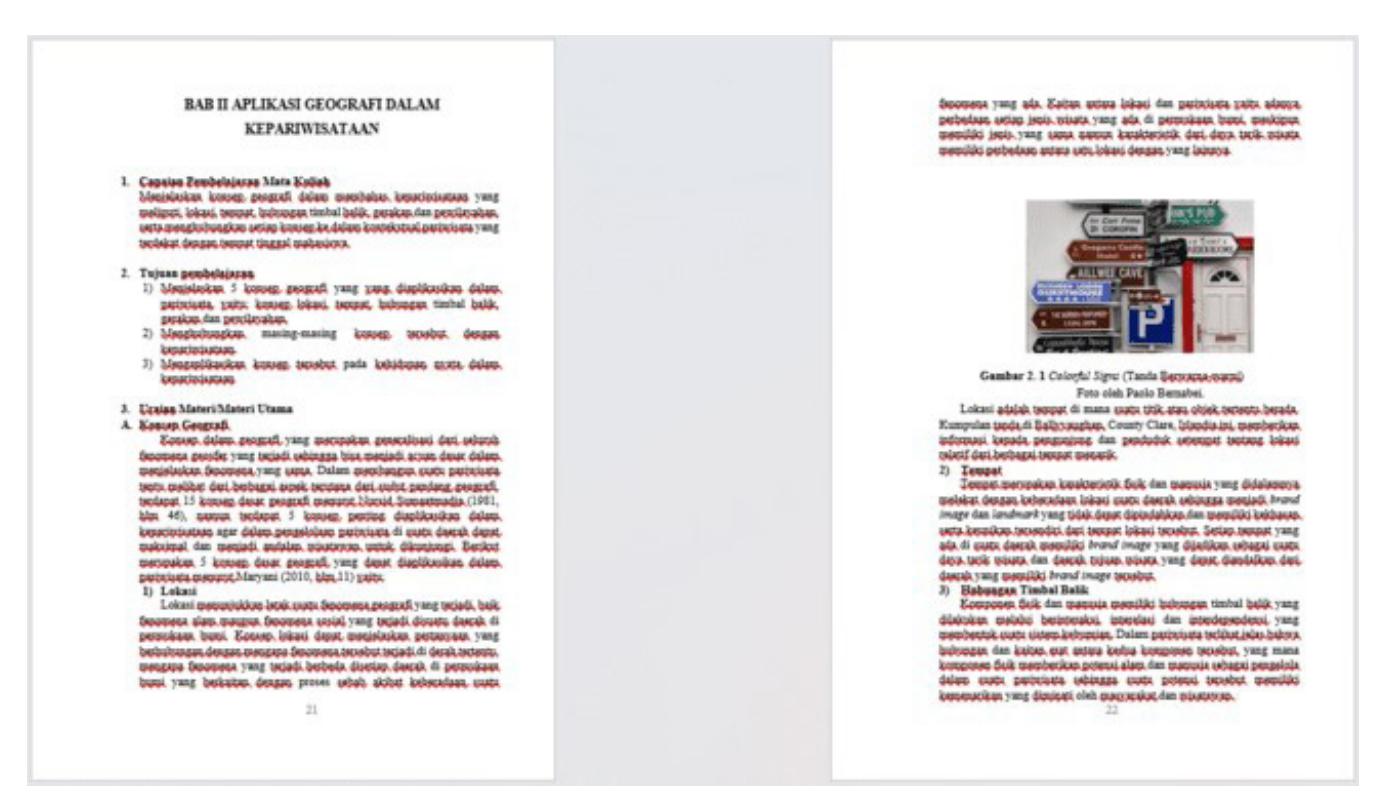
Figure 3 The Snippet of the Textbook Content
This part is also supported by several menus of material explanations, case studies, material enrichment links and questions. The menus used in the textbook are as described in Table I below.
Table I Menus Provided in the Textbook
| No. | Menu | Design | Description | ||
|---|---|---|---|---|---|
| 1. | Material Description | This menu consists of essential information for the readers related to Tourism Geography concept discussed. | |||
| 2. | Case Study | Case Study | This menu offers cases to be solved by students through discussions | ||
| 3. | Material Enrichment Link | This menu consists of links in the form of QR Code or links that can provide additional information of annotations and audio-visual media | |||
| 7. | Questions | This menu consists of a set of questions related to the topic discussed | |||
Back Matter
• References
References consist of all references the writers used to compose the Tourism Geography text book. The references are listed alphabetically.
• Textbook Validation
Validation is aimed at finding the feasibility level of the textbook developed. Besides, through validation, the researchers will get recommendations and comments from validators to be used as an evaluation so that the book will be better composed. The validation includes material expert validation and media validation. The following is an explanation of the textbook validation results from the material expert and media expert.
Material Expert Validation
The material validation involved 12 indicators, and all of the indicators received a score of 4 on the rating scale and were rated as very good. The calculated score reached 48. However, the ESD aspect component had five indicators. The first four indicators on ESD aspect components were: first, the ESD issue, which has already become one of the world focuses, has been clearly stated; second, ESD contents and materials have already been clearly written in one of the book chapters; third, the book materials reveal the indicators for the ESD paradigm; and fourth, the book materials explain sustainable tourism concepts. All four indicators received a rating scale score of 4 and were rated as Very Good, while the calculated score reached a score of 16. However, the fifth indicator, tourism development impact, was the material component reaching the rating scale score of 3 rated as good, where the calculated score reached the score of 3. The fifth indicator became the one with the lowest score on the rating scale.
Table II Material Expert Validation Score Results
| No. | Component | Calculated Score | Maximum Score | Rating Scale Score | Remarks |
|---|---|---|---|---|---|
| 1 | Introduction | 8 | 10 | 4.0 | Highly Feasible |
| 2 | Material Contents | 36 | 45 | 4.0 | Highly Feasible |
| 3 | Final Section | 4 | 5 | 4.0 | Highly Feasible |
| 4 | Education for Sustainable Development (ESD) Aspect | 19 | 25 | 3.8 | Feasible |
| Average Score | 3.94 | Feasible |
Source: Results of the Study of 2023
The overall calculation shows a score of 3.94, with the remark that the textbook is feasible to use.
Media Expert Validation
The following is Table III explaining the media expert validation results:
Table III Media Expert Validation Evaluation Results
| Validation | Component | I. 1 | Respond (Scale) | ||||
|---|---|---|---|---|---|---|---|
| Instrument | Indicator — | 2 | 3 | 4 | 5 | ||
| Media | Physical Evidence | 1. Book size | √ | ||||
| 2. Book cover design | \(\sqrt{}\) | ||||||
| 3. Layout Design | |||||||
| 4. Font Design | √ | ||||||
| 5. Illustration | √ | ||||||
| The usage | 6. Practicality | ||||||
| 7. Attractiveness | √ | ||||||
Based on Table III, two components, including physical evidence and usage factors, had seven indicators. The physical evidence component, consisting of five indicators, received a rating scale score of 4 and was rated as very good. The calculation reached the calculated score of 20. The usage component, consisting of two indicators, reached a rating scale score of 5 and was rated as excellent. The calculation for the component reached the calculated score of 10.
Table IV Media Expert Validation Score Results
| No. | Component | Calculated Score | Maximum Score | Rating Scale Score | Remarks |
|---|---|---|---|---|---|
| 1 | Physical Evidence | 20 | 25 | 4.0 | Highly Feasible |
| 2 | The Usage | 10 | 10 | 5.0 | Highly Feasible |
| Average Score | 4.28 | Highly Feasible | |||
Based on Table IV, the usage component was the media component with the highest score compared to the appearance or physical components. For the overall calculation, the component received a score of 4.28, with the remark that the textbook is highly feasible to use.
Module Revision in Reference to Material Expert Recommendations
Some revisions have been taken in accordance with the recommendations and comments from the material expert validator. Table V below depicts the textbook before and after revision.
Table V Textbook Revision in Accordance with Material Expert
| Recommendation | Before Revision | After Revision | ||||
|---|---|---|---|---|---|---|
| It requires impacts of the development of tourism on the social economic and cultural condition | Showing only the positive and negative impacts | Providing a table on the impact of the development of tourism on the nature, social economic and cultural environment | ||||
Source: The Result of the Study of 2023
Module Revision in Accordance with Media Expert Recommendation
Some revisions have been taken in accordance with the comments from the media expert validator. Table VI below depicts the enrichment textbook before and after revision.
Tabel VI Textbook Revision in Accordance with Media Experts
Recommendation Before Revision After Revision
The book cover does not perfectly fit with the title. It will be better if it later inserts some tourist destinations that it will not reveal like a geography book (a very geography-like cover).
The book cover before revision The cover after revision
It will be better if the front matter of the book is added with readers' guidance consisting of guidance to find menus provided in the textbook so that it will be easier for readers to understand the textbook contents.
There is no readers' guidance Adding readers' guidance subchapter with the description on the readers' guidance as follow:
Readers' Guidance
The scope of the textbook materials is composed systematically in accordance with the material lists on the Semester Learning Design (RPS) of Tourism Geography Course.
On the chapter title, there are some figures and short explanation on the points to discuss, as well as sets of questions where it is expected that the readers (students) will be interested in reading and finding the answers for the questions.
Next, it is highly recommended that the back matter of the book is supported with glossary as a part of the book explaining terms used in the book and listed alphabetically.
There is no glossary at the back matter of the book.
Adding glossary sub chapter in the back matter of the book.
A glossary is a part of the book containing description on the terms found in the book and listed alphabetically. Glossary is aimed to help the readers in understanding terms within the textbook.
Glossary
Nature: 1 all the things in the sky and on the earth (like earth, star, power): surrounding -- 2 environments: -- afterlife 3 all the things belong to a living hood (group etc.) which is also considered as a unit.
Biosphere: 1 a part of atmosphere closest to the earth, where all the living things are alive; 2 the living hood of all living things -- in the biosphere geography concept, it includes animals and plants.
Product Trial Results
In this stage, the researchers conducted a limited trial involving 2 college students and 1 geography lecturer.
Trial with Students
Students taken as respondents in this stage were the students of Social Sciences Education at UIN Syarif Hidayatullah Jakarta of the 3rd and 9th semester passing the Mid Test of Tourism Geography Course. The trial with the students is aimed at finding the practicality of the textbook, composed of practicality, physical evidence, material, and language aspects. The study was conducted by distributing a response questionnaire on the tourism geography textbook to the students. The product test on the students' results can be seen in Table VII below:
Table VII Practicality Score Results for the Students
| Component | Indicator | Calculated Score Result | Maximum Score | Rating Scale Score Result | Remarks |
|---|---|---|---|---|---|
| Practicality | Textbook is easy to use | 8 | 10 | 4.0 | Very Practical |
| The book is handy | 8 | 10 | 4,0 | Very Practical | |
| The book physical evidence is interesting and consistent | 7 | 10 | 3.5 | Practical | |
| The book physical evidence is interesting and consistent | 9 | 10 | 4.5 | Very Practical | |
| The book physical evidence is interesting and consistent | 8 | 10 | 4.0 | Very Practical | |
| The layout is interesting and consistent | 8 | 10 | 4.0 | Very Practical | |
| The book provides suitable illustrations | 8 | 10 | 4.0 | Very Practical | |
| The font size and type are readable | 8 | 10 | 4.0 | Very Practical | |
| The materials delivered in the book relate to daily tourism | 7 | 10 | 3.5 | Practical |
| The materials are served systematically and easy to understand. | 8 | 10 | 3.5 | Practical |
|---|---|---|---|---|
| Tourism development materials are based on Education for Sustainable Development (ESD) | 8 | 10 | 4.0 | Very Practical |
| The materials are in line with the latest science and technology development. | 8 | 10 | 4.0 | Very Practical |
| Average Score | 3.9 | Practical |
Based on Table VII, all of the students' responses reached a score of 3.9, showing that the textbook developed is rated as practical.
Trial with Geography Lecturer
The geography lecturer taken as a respondent in this study phase was a lecturer from the Social Sciences Tadris program. The trial with the lecturer was aimed at knowing the practicality of the textbook composed in accordance with the practicality, physical evidence, material, and language aspects. The validation was conducted by distributing responses to the textbook questionnaire to the geography lecturer. The results show an average score of 4.0, showing that the textbook is categorized as practical. During the trial, the researchers can find the responses in the textbook.
Discussions
The product of the development study is an ESD-based tourism geography in the Tourism Sustainable Development textbook that has been validated and received responses from either geography students or lecturers. The product resulting from the study becomes a solution for the absence of ESD-based tourism geography in the Tourism Sustainable Development textbook. In the presence of the textbook, the students are expected to not only know more about sustainable tourism development but also analyze the causes and impacts of as well as solutions for tourism development. The tourism geography textbook was developed through the three integrated stages of analysis, design, and development, while evaluation was conducted at the end of each phase.
The analysis stage was conducted through a preliminary study and literature review. At this stage is in line with the research stages carried out by Astra & Saputra (2018); Bayinah, N. (2020); Fahrurrozi, Mohzana & Mispandi (2021), that during the preliminary study, the researcher conducted some interviews with geography lecturers and students related to the teaching media used, textbook availability, teaching learning processes, their familiarity with ESD, and their expected textbook criteria. The interviews revealed that the textbooks used in the class were journal articles and some scattered materials taken from different learning sources, either the internet or other geographic books, which do not specifically discuss tourism geography, where the main textbook covering the whole material had not already been available. Geography lecturers had already been aware of ESD, yet they had not yet known how to implement it. Students had not yet known ESD, but neither the lecturer nor the students agreed that ESD should be taken as the basis for the tourism geography course. Besides interviews, researchers also conducted some literature reviews related to the textbook and materials on ESD to be further used by the researchers in determining CLOs, learning objectives, and any other sources required for the study.
The researchers also determined the basis of the strategies to use so that ESD aspects in this tourism geography textbook relate to nature, social economy, and cultural environment aspects. The living environment aspect of this textbook relates to awareness of the potentially negative effects of human activities as well as human roles as actors in terms of the solution for sustainable development in tourism development.
In the analysis stage, the researchers also took an evaluation through a discussion with a geography lecturer and media expert lecturer in terms of the interview instruments, an evaluation of the results from the literature review, tourism geography materials, and the integration of an ESD-based tourism geography textbook through journal analysis and determining indicators for course learning objectives. An evaluation was also conducted during the learning objective setting derived from the CLO indicators by discussing some focuses to choose from. The results of the analysis were interviews and research sources related to the book. They were then used in the design stage.
The next stage was the design stage. The design stage in this study was conducted by doing a task inventory and designing a validation instrument. During the task inventory, the researchers analyzed textbook indicators, which were then followed by the composition of the contents to be used in the book. After the contents were determined, the researchers designed the validation instrument to be used in testing the feasibility and practicality of the book developed in accordance with the validation aspects intended. The evaluation in this stage was conducted through the revision of the design of the contents and the validation instrument by referring to the recommendation from the validator lecturer so that the output would turn into a better result. The product of the design stage was the book contents and validation instrument to be used in the following stage.
Development is the last stage of the study. This stage was the writing of the tourism geography textbook, as well as validating and testing the textbook. In line with Oktavianie, Ayuningtyas, Irwandi & Murniati, D. (2018) and Jufrida, Basuki, Kurniawan, & Milyani (2021), during the writing, the researchers designed the textbook based on the content analysis in the previous stage. The structure was in accordance with the criteria of a good textbook. The researchers also provided the latest information related to the sustainable development issue. After the textbook was accomplished and evaluated by geography lecturers, the researchers then proceeded with the validation stage, doing the feasibility and practicality tests.
A feasibility test or validation of an ESD-based textbook is aimed at knowing the feasibility and the pluses of the book. The validation was conducted by two experts, namely material and teaching media experts. The instrument used was a feasibility test questionnaire distributed to the experts. The ESDbased tourism geography textbook was validated by two experts, including one material expert and one media expert. The minuses of the book were revealed from the recommendations from the two experts, which were then taken as the basis for the revision before the textbook was used in the limited trial.
The feasibility test on the ESD-based tourism geography textbook as a learning medium by the material expert had 12 indicators consisting of the front matter that covers (1) the completeness of the introduction component; (2) the clarity on how to use the book, where the body shows that the materials can maintain the unity of the nation and do not break the policies stated in the Republic of Indonesia Constitution; (3) free from pornography, radicalism, extremism, violence, and other deviations; (4) the materials are original (free from plagiarism); (5) the materials involve the truth of science, data, and facts; (6) the materials are actual, in line with the latest development of science and technology in tourism geography; (7) the materials are integrated with geographical and ESD aspects aimed at developing tourism; (8) the materials are presented coherently, systematically, straightforwardly, and easily to understand; (9) the materials are presented in line with knowledge development; (10) the materials are provided with illustrations that fit with the target readers; (11) the materials are served to develop knowledge and grow motivation in thinking deeply; (12) the closing part includes references.
The evaluation from the material expert reveals that the components in the front matter, body, and back matter that consist of 12 indicators received a score of 4 on the rating scale and were rated as very good. The score calculation reached the calculated score of 48. However, the 5 indicators of ESD aspect components, where the first four indicators of first, ESD issue, which has already become one of the world focuses, have been clearly stated; second, ESD contents and materials have already been clearly written in one of the book chapters; third, book materials reveal the indicators for the ESD paradigm; fourth, and the book materials explain sustainable tourism concepts, where all of the four indicators
received a rating scale score of 4 and were rated as very good with a calculated score of 16. However, the fifth indicator, the impact of the tourism, was the material component, with a rating score of 3, rated as good, where the calculation revealed a calculated score of 3. The fifth indicator became the indicator with the lowest score. The whole calculation shows a score of 3.94, with the remark that the textbook is feasible to use. Recommendations and comments given by validators are: (1) The materials within the Tourism Geography book have included issues on ESD. ESD has become one of the global issues caused by the worsening condition of nature in different parts of the world and requires some efforts through a tiered education so that the future generation will understand what they should do. Tourism Geography Literacy has at least been one of the courses that can support or contribute to the realization of ESD; (2) this Tourism Geography book has already explained in detail the concepts of sustainable tourism and indicators of the ESD paradigm; and (3) the feasibility test on the textbook developed is managed by a learning media expert with a validation instrument of two components of physical evidence and usage, which are comprised of seven indicators: (1) Book size; (2) book cover design; (3) layout design; (4) font design; (5) illustration; (6) practicality; and (7) attractiveness.
Conclusion
To conclude, the validation from the learning media expert shows that the tourism geography textbook received a rating scale score of 4, indicating that it is classified as very good and that it can be said to be feasible. The two components were classified as feasible. It shows that the textbook developed has met the textbook criteria. The book cover design reflects the contents, inserts the writers' names, and the layout is consistent.
The practicality test was given to two students and one geography lecturer. The trial with the students shows that the tourism geography textbook has been categorized as practical, with an average score of 3.9. The statement shows that the textbook is practical and receives a good response from the students. The textbook can be used by students as a medium to increase their knowledge. The practicality test for the tourism geography lecturer shows that the textbook has been categorized as practical with a score of 4.0 and has a high practicality level. The statement shows that the tourism geography textbook can be used as an enrichment to increase the students' learning outcomes in cognitive areas.
Based on the study on the development of the tourism geography text book, it can be concluded that the feasibility of the book materials and the ESD-based tourism geography on the tourism development book itself reached a score of 3.94, rated as feasible, and 4.28, rated as highly feasible. The practicality test given to students reached a score of 3.9, and the tourism geography test reached a score of 4.0, where the two of them were rated as practical and very practical.
Gratitude
Gratitude is sincerely sent to Pusat Penelitian dan Penerbitan (Puslitpen) UIN Syarif Hidayatullah Jakarta, which has given the researchers the grant, so that the article can finally be published.
References
Abdurrachmat & Maryani, E (1998). Dampak-dampak negatif pariwisata secara ekonomi. Adi Sasono dalam Ali Sofyan Husein. 1995. Ekonomi Politik Penguasaan Tanah. Jakarta: Pustaka Sinar Harapan.
Abdurachmat & Maryani, E. (1997). Geografi ekonomi. Jurusan Pendidikan Geografi FPIPS IKIP Bandung.
Antara, M. (2008). Keterkaitan usaha kecil sektor pariwisata dengan sektor-sektor ekonomi lainnya di Provinsi Bali: Suatu pendekatan model input-output. SOCA: Jurnal Sosial Ekonomi Pertanian, 8(1), 1–21.
- Archer, B., & Cooper, C. (1994). The positive and negative impacts of tourist. In Global Tourism: The Next Decade (pp. 73–91). ButterworthHeinemann.
- Arroida, A. K. (2018). Analisis buku teks pelajaran matematika wajib kelas X SMA. Jurnal Pedagogi Matematika, 7(3).
- Astra, I M, & Saputra, F. (2018). The development of a physics knowledge enrichment book 'optical instrument equipped with augmented reality' to improve students' learning outcomes. In 4th International Seminar of Mathematics, Science and Computer Science Education, 1–9. IOP Publishing.
- Badan Nasional Satuan Pendidikan. (2014). Penilaian buku teks siswa untuk peminatan geografi pariwisata SMA/MA.
- Badan Standar Kurikulum Asesmen Pendidikan. (2022). Instrumen B Penilaian BNPT.
- Bayinah, N. (2020). Pengembangan buku ajar kimia terintegrasi pendidikan pembangunan berkelanjutan pada isu plastik. UIN Syarif Hidayatullah Jakarta.
- Branch, R. M. (2009). Instructional design: The ADDIE approach. New York: Springer.
- DEPDIKNAS. (2008). Panduan pengembangan bahan ajar. Jakarta: Depdiknas.
- Fahrurrozi, M., Mohzana, & Mispandi. (2021). Pengembangan bahan ajar prakarya dan kewirausahaan berbasis kearifan lokal. Jurnal Pendidikan Ilmu Pengetahuan Sosial Indonesia, 6(1): 7–14.
- Frechtling, D. (1994). Assesing the impacts of travel and tourism: Measuring economic benefits. (n.p.).
- Jufrida., Basuki, F.R., Kurniawan. K, & Milyani,V. (2021). The development of ethnoscience based highschool physics enrichment book in the traditional processing of Nur Kerinci coffee. ScienceEdu: Jurnal Pendidikan IPA, 4(1): 26–35.
- Oktavianie., Ayuningtyas, M., Irwandi, D., & Murniati, D. (2018). Pengembangan buku ajar kimia berbasis kontekstual pada konsep elektrokimia. Jurnal Tadris Kimia, 3(1): 22–31.
- Sinclair, M.T. (1991) "The economics of tourism". Pp.1-27 in C.P. Cooper and A. Lockwood (Eds) Progress in Tourism, Recreation and Hospitality Management, 3, John Wiley, Chichester, UK.