

Keywords:
transformation, village, ANT
This study analyzes the transformation of Nglanggeran village, Gunung Kidul Regency, in the Special Region of Yogyakarta. This village, which was before known as a desolate, impoverished, and water-scarce location, has been turned into an ecotourism hub that has won numerous accolades on a national and worldwide scale. This study employs a qualitative approach from a socio-technical perspective based on actornetwork theory (ANT). ANT provides analytical tools that allow us to trace humannonhuman associations as they proliferate and bring about socio-technical changes. The results of the analysis describe Nglanggeran's transformation in terms of phases, each of which is characterized by distinct socio-technical associations or networks. The first phase was aimed at instilling environmental consciousness within the community. In the second phase, the principles of ecotourism began to be gradually introduced into the community ethos. The third phase is characterized by the unification of diverse stakeholders in the advancement of ecotourism initiatives in Nglanggeran Village. This collective endeavor encompasses bolstering community trust, governmental endorsement, and the strategic integration of technology into ecotourism management paradigms. Each successive phase from inception to the present shows the increase of key actors, facilitating the transformation of Nglanggeran Village from post-disaster dilapidation to a state of enhanced welfare fostered by the auspices of ecotourism. The research findings attest to the multifaceted engagement of local and non-local actors in effectuating the transformation of Nglanggeran Village. Moreover, it is a sociotechnical network in which various technical and natural resources from various sites (from the past and from overseas) are brought together to create a 'new locality' in Nglanggeran village.
INFO ARTIKEL
ABSTRAK
Kata kunci:
transformasi, desa, ANT
Penelitian ini menganalisis transformasi Desa Nglanggeran, Kabupaten Gunung Kidul, Daerah Istimewa Yogyakarta (DIY). Desa ini awalnya dikenal sebagai daerah yang tandus, miskin, dan sulit air, kemudian bertransformasi menjadi desa berbasis ekowisata yang telah memperoleh berbagai penghargaan baik tingkat nasional maupun internasional. Penelitian ini menggunakan pendekatan kualitatif dari perspektif sosioteknikal berdasarkan teori jaringan aktor (ANT). ANT menyediakan alat analisis yang mengeksplorasi hubungan antara manusia dengan bukan manusia yang berkembang dan membawa perubahan sosio-teknikal. Hasil analisis menggambarkan transformasi Nglanggeran dalam tiga tahapan yang setiap tahapannya ditandai oleh jaringan sosioteknikal yang berbeda. Fase awal bertujuan untuk menanamkan kesadaran lingkungan dalam masyarakat. Selanjutnya, pascagempa bumi, prinsip-prinsip ekowisata mulai diperkenalkan secara perlahan ke dalam etos masyarakat. Inisiasi konsep ekowisata ini membuka jalan untuk fase ketiga, yang ditandai dengan penyatuan berbagai pihak dalam pengembangan konsep ekowisata di Desa Nglanggeran. Upaya bersama ini mencakup penguatan kepercayaan masyarakat, dukungan pemerintah, dan integrasi strategis teknologi ke dalam paradigma pengelolaan sektor ekowisata. Fase pertama sampai fase ketiga menunjukkan peningkatan aktor kunci di setiap fase transformasi Desa Nglanggeran dan mengubah kondisi desa yang terpuruk pascagempa menjadi keadaan lebih baik serta berdampak pada kesejahteraan melalui kegiatan ekowisata. Hasil penelitian menunjukkan transformasi Desa Nglanggeran merupakan jaringan yang melibatkan aktor lokal dan nonlokal. Selain itu, berbagai sumber daya teknis dan alam dari berbagai lokasi (dari masa lalu dan dari luar negeri) didatangkan untuk menciptakan 'lokalitas baru' di Desa Nglanggeran.
https://doi.org/10.5614/sostek.itbj.2024.23.2.4 Submitted: April 2, 2024 Accepted: May 26, 2024 Published: July 31, 2024
Introduction
Nglanggeran village, located in Gunung Kidul Regency, is known for being impoverished, arid, undeveloped, and—most importantly—water deficient. The people only farm during the rainy season due to a shortage of water sources and the dryness of the land; there are not enough springs or ponds to meet their demands. Gunung Kidul, where Nglanggeran village is situated, is the largest regency in the Special Region of Yogyakarta. Despite this, Gunung Kidul regency, which is also known as an underdeveloped area because its nature is characterized as a desolate region with limestone hills as its dominant feature, has inadequate infrastructure to support its economy (Jamalina & Wardani, 2017). It is also known for its high suicide rate. There were ninety suicides among the senior population, defined as those over sixty, throughout different regions between 2015 and 2017. The main cause of suicides is poverty and social seclusion (Rachmawati & Suratmi, 2020).
In the beginning, the emergence of Nglanggeran village as an administrative entity was led and developed by the descendants of Ronggowarsito. Manguntirto, the son of Ronggowarsito, was involved in a battle against the Dutch colonial government in the 17th century. Unable to win the unbalanced battle, he then fled to hide, which brought him to the isolated area in Gunung Kidul that would then become the Ngalnggeran village. Eventually, this hiding area grew into a hamlet that was given the name "Pelanggeran,". Manguntirto was appointed as a bekel, or head of village, after the Keraton Ngayogyakarta (the Royal Palace of Yogyakarta) later acknowledged the newly developed settlement. Sutodipo, the son of Manguntirto, later rose to the position of headman in the village of Pelanggeran. Pelanggeran was then renamed Nglanggeran under his administration (Tim Penggali Sejarah Desa Nglanggeran, 2014). Nglanggeran village is located on land that belongs to Sultan Ngayogyakarta Hadiningrat (the Sultan of the Sultanate of Yogyakarta) (Rahmat & Cahyadi, 2019). Subsequently, the population of the Nglanggeran village grew. As a consensus, the inhabitants of the village are expected to preserve the environment of the area that belongs to the Sultan. However, due to economic pressures, the villagers occasionally exploit the environment by logging, stone-mining, and selling those natural resources to nearby markets. Most of the villagers are farmers. Since Nglanggeran village is situated near the Gunung Api Purba (an ancient volcano), the rice fields are rain-fed. The 48-hectare volcano is located at an elevation of around 700 meters above sea level, making it a dry region. For decades, the natural beauty of the Nglanggeran environment did not entice generations of villagers. The natural wealth and customs of Nglanggeran village are only acknowledged by the elders and prominent members of society who have been designated by the Yogyakarta palace to look after the Nglanggeran volcano. Since there is practically no demand for labors in the village, many young villagers have moved to cities and even overseas to earn a living, which has resulted in a high level of urbanization in Nglanggeran village (Wahyuni, 2018).
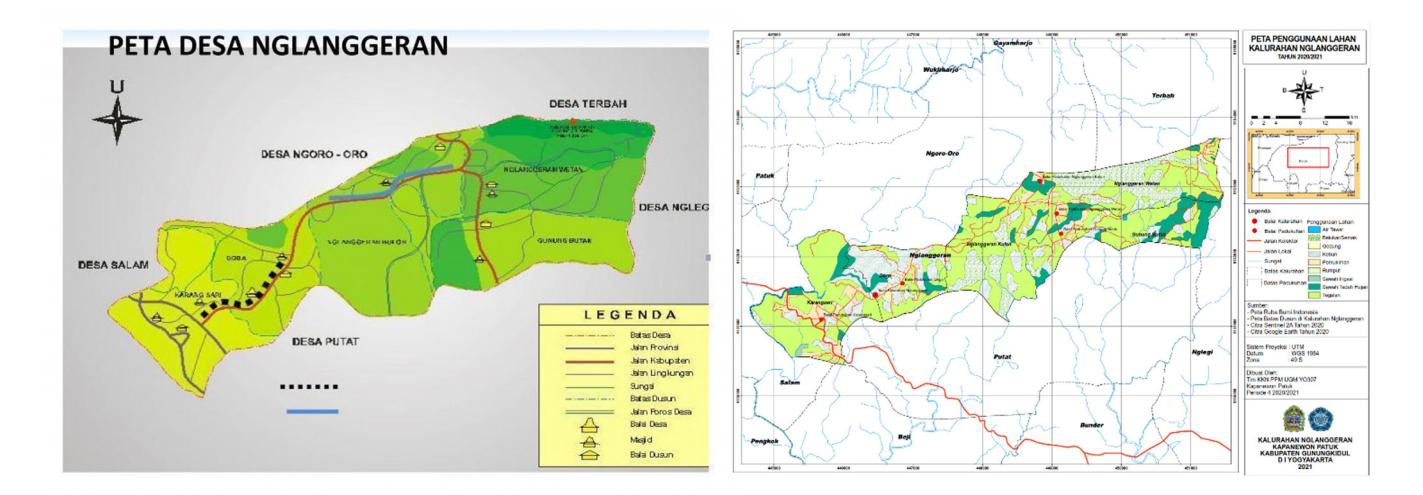
Figure 1 Location Map of Nglanggeran village Source: Website of Nglanggeran village, 2021
However, since around 2017, major transformation has occurred in Nglanggeran village, as evidenced by its designation as 'the best tourism village' that won awards both at national and international levels. This village won several accolades, including the ASEAN Community-Based-Tourism Award, and it is recognized as the Best Tourism Village in Indonesia. The social and economic structure of Nglanggeran village has undergone substantial changes because of the hamlet's transformation process through a variety of factors. The transformation can have positive implications for community members, improve community welfare, and generate economic benefits by increasing local participation with the aim of improving the welfare of the surrounding community (Ekowati & Nawarcono, 2021).
A number of previous studies have been conducted to delve into the cause of this 'phenomenal' transformation of the Nglanggeran village. Wahyuni (2018) examines the community empowerment strategies in the development of Nglanggeran Tourism Village. Jamalina and Wardani (2017) examine the socio-economic benefits of implementing the community-based tourism (CBT) concept as well as the extent of the success of implementing the CBT concept and the strategies needed for the development of the Nglanggeran Tourism Village area. Rahmat and Cahyadi (2019) provide a comprehensive understanding of innovation in Nglanggeran tourism village. However, these previous studies seem to take the view of local community development. Moreover, those studies seem to limit the agents of change to purely human or social ones and do not pay sufficient attention to the role of the various natural resources available in the area. For us, the results of the previous studies have not sufficiently shed light on the paths and sources of change in Nglanggeran village. Our study, in contrast, seeks to explore the socio-technical factors that contribute to the transformation of Nglanggeran village. This would enable us to focus on the development of human-nonhuman associations that constitute those changes.
Therefore, this research aims to analyze the transformation of Nglanggeran village in Gunung Kidul Regency, Special Region of Yogyakarta (DIY), from a desolate, impoverished, and water-scarce area into a thriving ecotourism-based village. This study delves into the intricate socio-technical networks and evolving relationships between human and non-human actors that have facilitated this dramatic change. By exploring these dynamics, the research seeks to uncover the multifaceted processes and interactions that have driven the village's development. This approach goes beyond previous studies that primarily focused on community empowerment and socio-economic benefits by highlighting the critical role of natural resources and technological innovations. Through a comprehensive examination of these factors, this research intends to provide a deeper understanding of how Nglanggeran village has successfully navigated its path from environmental and economic adversity to becoming an internationally recognized model of sustainable tourism.
Method
This study employed a qualitative approach from a socio-technical perspective based on actor-network theory (ANT). According to Latour (2005), ANT provides analytical tools that allow us to trace humannonhuman associations as they proliferate and bring about socio-technical changes. ANT offers a conceptual framework for examining socio-technical associations and changes, power dynamics, and socio-technical functioning by treating human and non-human entities according to the general symmetry principle (Yuliar, 2009; Yuliar et al., 2018). Underlying this framework is a view of entities in the formation of socio-technical associations through a series of translations in the configuration of relations, thus forming village transformation. We used secondary data from various Internet resources, the official information from the Nglanggeran village website, and data collected from previous research published in the literature. The study conducted by Jamalina and Wardani (2017) provides data related to the economic changes in Nglanggeran. Wahyuni's (2018) provides data on various activities and community empowerment programs. Statistical information related to demographical and geographical conditions is accessed via the Nglanggeran village internet portal. We also access various previously conducted interviews with several key informants. We also collect additional information regarding events in Nglanggeran from social media resources. From these data and information, we conduct analysis on the socio-technical associations that constitute the transformation of Nglanggeran village, that we describe according to three phases.
Socio-technical Analysis
Latour (1999) asserts that socio-technical analysis takes a comprehensive approach, considering the ways in which human and non-human interactions shape collectives. This principle highlights how critical it is to comprehend the ways in which humans and non-human entities interact to build a complex oneness. It includes an awareness of how people affect the creation and application of technology as well as how technology affects human behavior. The relationships and social structures that humans create within a civilization are also shaped by non-human beings.
Under the framework of socio-technical analysis, the ideas of technological mediation and action composition can be used to study how people and non-humans interact to achieve goals. The idea of technical mediation clarifies how technology is viewed as both an active mediator that shapes human behavior and a passive tool. In the meantime, action composition highlights that non-human entities are involved in human activities as well as individuals in the process of achieving goals. This involves realizing the ways in which non-human entities—like tools or technology—influence human behavior and help us accomplish our objectives. A more thorough understanding of the relationship between humans and non-humans in accomplishing goals can be attained by utilizing the concepts of technical mediation and action composition analysis.
The ANT method, which focuses on the interactions between humans and non-humans in the formation of complex social networks, is in line with the concepts of socio-technical analysis. This approach emphasizes how crucial it is to comprehend how different aspects contribute to the formation of social dynamics. Therefore, this study employs the ANT approach to help analyze the relationship between human and non-human entities in the transformation process in Nglanggeran village.
Development Thinking Framework
The diagram below (Figure 2) describes the framework that we employed to study the transformation of Nglanggeran village from the perspective of development thinking. We developed the framework by adopting various elements of development (values, criteria of progress, resources, structures, and strategies) from the development studies literature, especially Desai et al. (2014). Formulated in this way, it was possible to combine development analysis with other theories, particularly actor-network theory. By doing this, we obtained a framework to explore the socio-technical process of community development.
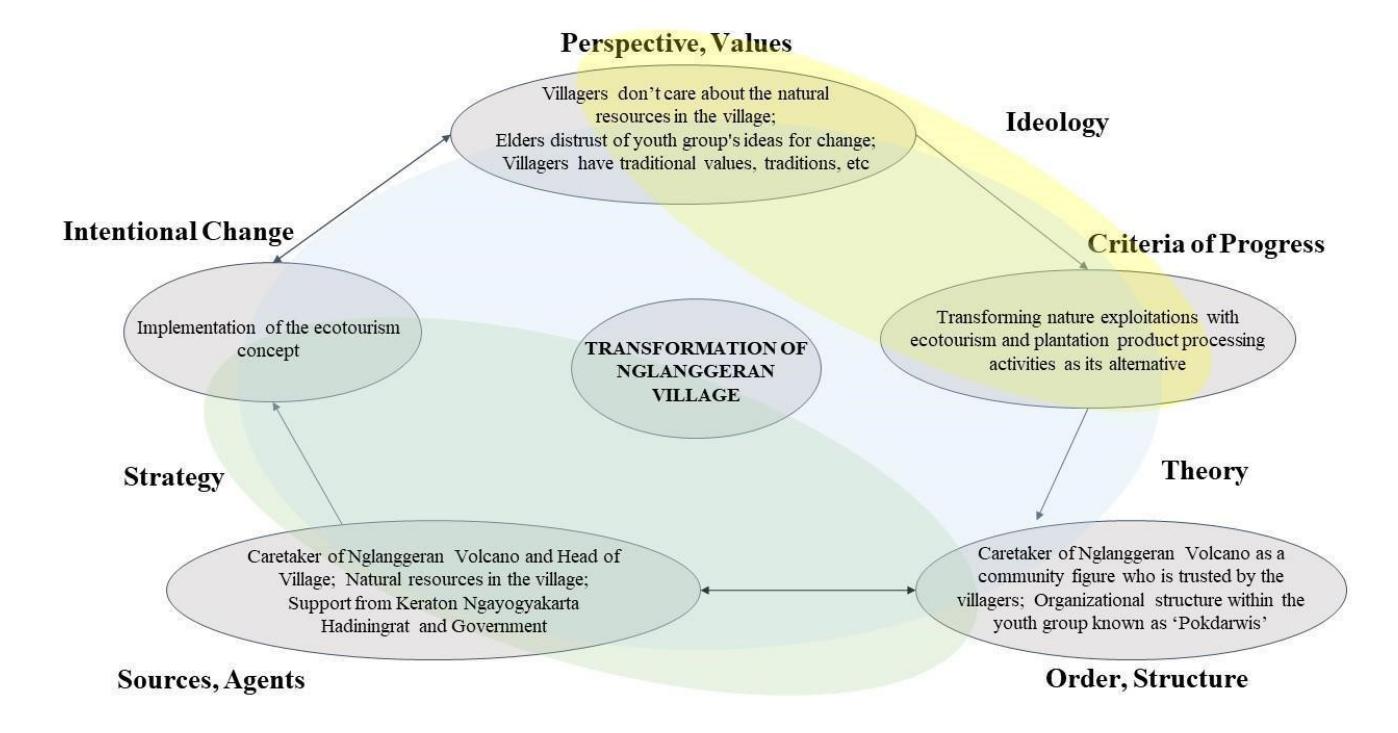
Figure 2 Development thinking framework for the study of Nglanggeran village transformation
Result and Discussion
The transformation process of Nglanggeran village, depicted in Figure 3, unfolds over three distinct phases. The first phase (1999-2006) began with ecological conservation efforts led by Karang Taruna Desa Bukit Putra Mandiri, who planted bananas, cacao, and mahogany to combat environmental degradation and address water scarcity, though community support was lacking, and an earthquake disrupted the progress. In the second phase (2007-2009), the earthquake's aftermath motivated the youth, led by Sugeng Handoko, to introduce ecotourism concepts, establishing a tourism management group, BPDW Nglanggeran, despite resistance from the older generation and inadequate human resources. The third phase (2009-now) saw significant progress as a coalition between global and local actors emerged, legitimizing ecotourism and ensuring inclusive community involvement. This phase was marked by the establishment of the Agricultural Technology Park, financial support from various sources, and substantial improvements in infrastructure and tourism services. A more in-depth explanation of each phase will be elaborated on in the following sections.

Figure 3 Timeline of Nglanggeran Village Transformation
First Phase: An Afforestation Movement (in 1999-2006)
Figure 4. Socio-technical Network on First Phase Nglanggeran Transformation
The youth organization, Karang Taruna Desa Bukit Putra Mandiri (Bukit Putra Mandiri village youth organization), started a movement to solve various problems in Nglanggeran village. They began to see that the ecology would suffer and the residents would suffer if the natural exploitation of the area persisted. When Karang Taruna planted bananas, cacao, and mahogany in the community of Nglanggeran in 1999, the transformation got underway. To provide Nglanggeran village with water resources, an attempt was made to address the issue of water scarcity. Based on this, Karang Taruna Bukit Putra Mandiri was given authority to manage 48 hectares of land by the Nglanggeran village authority. This was formalized on the May 12, 1999, by the Decree of the Nglanggeran head of village No. 05/ KPTS/1999. Unfortunately, this effort has not been intense enough and has ceased due to the absence of community support (Rahmat & Cahyadi, 2019; Wahyuni, 2018). An earthquake struck in Yogyakarta, particularly Bantul, severely affecting Nglanggeran village. The earthquake resulted in several casualties and extensive damage to houses.
Second Phase: Initiation of Ecotourism (in 2007 - 2009)
The devastation after the earthquake was used by the youth to convince villagers of the need for change in Nglanggeran. They emphasized that the damage in the village needed collective efforts to be rebuilt, aiming for a better life for all residents. During this phase, a young man named Sugeng Handoko appeared. As stated in the article on the Gunung Api Purba portal, in 2007, Sugeng Handoko, a postgraduate student, sought to both carry on Karang Taruna's earlier efforts and lessen the effects of the disaster. When the Nglanggeran village rebuilding movement took place in 1999, little Sugeng Handoko joined in. Sugeng actively supported village development while he was pursuing his undergraduate degree in industrial engineering at Ahmad Dahlan University (UAD) Yogyakarta. He did this with other young people from Karang Taruna Bukit Putra Mandiri (BPM). Sugeng studied in South Korea to learn the concept of ecotourism, which is applied in that country. Using his knowledge of ecotourism concepts, Sugeng brought the idea of ecotourism to Nglanggeran village.
Figure 5 Socio-technical Network on Second Phase Nglanggeran Transformation
Reforestation conducted in 1999 showed results. Gunung Api Purba transformed into a green area, revealing its natural potential, such as cocoa plants. This condition encouraged Sugeng and other youths to apply the concept of ecotourism in Nglanggeran. A tourism management group was established in 2008 by Karang Taruna and the village authority as a means of formulating plans for a more structured
community makeover. They called the group BPDW Nglanggeran. Regrettably, there is a folktale in Nglanggeran village that says the older people don't trust the younger generation. As a result, the development concept was rejected by the residents. Adages such as "mosok watu ono didol," meaning "how a stone can be sold as a tourist attraction," and "nopo ngeloni gunung," meaning "why would tourists want to sleep in the volcano," were used by elders to show their disdain. The idea was also rejected by the community due to worries that Nglanggeran village would become an urban area with tall structures because of development (Rahmat & Cahyadi, 2019). Nglanggeran village transformation efforts met another deadlock. This happened because BPDW's human resource capabilities were inadequate, which made the village development approach ambiguous. Aside from that, barriers exist because society is ill-prepared for change. The community was not prepared for new experiences, such as interacting with guests, and was not accustomed to tourist customs, which made the locals feel inferior as peasants.
Third Phase: Coalition for Legitimating Ecotourism (in 2009 - now)
In this phase, a grand coalition occurred because of Sugeng Handoko's involvement as a mediator between global actors who brought the concept of ecotourism to Nglanggeran village and local actors who were community leaders at Nglanggeran Ancient Volcano. This coalition legitimized the concept of ecotourism to be strongly accepted in the community, so that community involvement became inclusive.
Figure 6 Socio-technical Network on Third Phase Nglanggeran Transformation
The socio-technical network diagram illustrates the presence of political dynamics (Figure 6) that have emerged during the transformation process of Nglanggeran village. This appeared in the negotiation efforts undertaken by the youth group, led by Sugeng Handoko, to garner community trust. These negotiations were ongoing and span years, reflecting the gradual process of persuading the villagers to agree with common goals. Similarly, BPDW was actively engaged with the community through collaborative efforts involving the caretaker of Nglanggeran volcano and the head of the village. The initiatives were aimed at bolstering community confidence in the programs spearheaded by BPDW. Political nuances were also apparent in the decision made by the villagers in 2015, led by the tourism awareness group known as Pokdarwis, to shift away from focusing solely on tourist numbers.
By considering the significant involvement of youth and the community in the transformation of Nglanggeran village, the government began to compete in providing assistance to the village, demonstrating a sense of concern. One notable initiative was the development of an agricultural technology park. In 2015, Badan Penelitian dan Pengembangan Pertanian (The Agricultural Research and Development Agency) of Kementerian Pertanian (The Ministry of Agriculture) collaborated with the regional government of Gunung Kidul Regency and Gadjah Mada University to establish an agricultural technology park spanning an area of 4,600 square meters, located in the Patra agrotourism area. This park was initially planned as a dissemination center and hub for processing cocoa and Etawah goat's milk (mini factory), hydroponic vegetable innovation, chrysanthemum screen field, and other technological innovations, particularly in vegetable and fruit nurseries. The park's business scale has expanded over time. However, despite its growth, the park, which primarily employs individuals in specific positions, failed to accommodate a large number of people. Furthermore, the innovations that are developed do not completely align with the potential and needs of the local communities. Consequently, the Agricultural Technology Park does not effectively empower the community. In contrast, Griya Cokelat is managed directly by the community, ensuring that profits are reinvested back into the community (Wahyuni, 2018). The discussion with Griya Cokelat will elaborate on economic relations.
The socio-technical network also reveals an economic relationship involving five key actors: financial resources, information media, BPDW/Pokdarwis, regional government, and central government. Nglanggeran village's financial resources stem from various sectors, including the village community, government, and BUMN (Badan Usaha Milik Negara, State-Owned Enterprises). The primary source of funding is derived from the revenue generated by ecotourism activities, which has witnessed a steady increase since 2012. Moreover, the Special Region of Yogyakarta government has allocated grants, such as toilet seats, ceramic floors, water reservoirs, and water storage pipes, to 79 homestay owners. Additionally, assistance has been extended through the PNPM (Program Nasional Pemberdayaan Masyarakat, A National Community Empowerment Program) for tourism, implemented in 2011 and 2012. Furthermore, budget constraints within the BPDW hindered the optimal progress of the village transformation process. The Special Region of Yogyakarta government provided training sessions to enhance the capacity of BPDW's human resources, enabling them to develop suitable strategies for village transformation.
Ecotourism in Nglanggeran village has significantly boosted the welfare of its community. The village scored impressively across various dimensions: 85.7% for social dimension indicators, 75.2% for economic dimension indicators, and 80% for democracy dimension indicators, collectively indicating a substantial improvement in overall welfare. This success has had positive ripple effects on the surrounding community, notably enhancing the standard of living of the villagers. Inclusive engagement in village activities ensures that the benefits extend beyond just the management, enriching the lives of the entire community (Ekowati & Nawarcono, 2021). Furthermore, the study conducted by Jamalina & Wardani (2017) corroborates these findings, particularly concerning the growth in revenue generation, as shown in Table I. The data in this table highlights the sustained increase in turnover within the framework of ecotourism in Nglanggeran village over consecutive years, despite alterations in market segmentation strategies implemented by ecotourism managers.
Table I Increase Of Income Turnover in the Tourism Sector of Nglanggeran Village
| No | Years | Turnover |
|---|---|---|
| 1 | 2012 | Rp81.225.000,00 |
| 2 | 2013 | Rp424.690.000,00 |
| 3 | 2014 | Rp1.422.915.000,00 |
| 4 | 2015 | Rp1.541.990.000,00 |
Source: Jamalina & Wardani, 2017
In 2012, Nglanggeran experienced its highest number of visitors since turning into an ecotourism destination, reaching 325,303 visitors with a turnover of IDR 1.42 billion. Nevertheless, the community was concerned about the environmental harm that this inflow of tourists also brought about due to careless behavior and the buildup of trash. In response to these problems, Nglanggeran village launched a campaign in 2015–2019 by raising ticket costs in an effort to reduce the number of visitors. The manager, Aris Budiyono, stated that the management changed the way it segmented the market to focus on communities, businesses, and organizations by providing a range of packages, including gathering packages, outbound packages, hiking packages, camping packages, and more. Consequently, even though there were fewer visitors in 2015, there was a rise in turnover, and the area grew safer. Even though there were only 103,107 tourists in 2019, the total revenue was IDR 3.27 billion. The welfare of the people and the environment remains a top priority for the village management of Nglanggeran. For Nglanggeran village, this strategy has resulted in a steady rise in turnover (Handoko, 2022; Wahyuni, 2018).
According to Wahyuni (2018), in 2012, Nglanggeran village also received a grant from PT. Pertamina to develop agrotourism in Nglanggeran. The grant, provided as part of corporate social responsibility (CSR), amounted to 700 million rupiah and was awarded to the Gapoktan (gabungan kelompok tani, farmers' group association) Kumpul Makaryo Kumpul Makaryo to establish agrotourism in Nglanggeran with the concept of Sentra Pemberdayaan Tani (SPT, the farmers' empowerment center). The program commenced with the construction of the Nglanggeran reservoir, initiated to address the community's difficulty in accessing water, necessitating the construction of a large-capacity water reservoir (Figure 7). Situated on the sultan's land, the reservoir was inaugurated by Sri Sultan Hamengkubuwono. Its primary function is to irrigate the Kebun Buah Nglanggeran (Nglanggeran Fruit Garden), utilizing rainwater sources and springs in the Nglanggeran Area. Nglanggeran Reservoir offers unique tourism because it is not located in a valley area like other lakes. Instead, it is built on a hill at an altitude of 500 meters above sea level, providing visitors with the sensation of being above the clouds. Around the reservoir area, durian and longan seeds are planted. Throughout its development, Pertamina, in collaboration with the Obor Tani Foundation, has continued to support farmers in the agrotourism sector. Consequently, Patra Agrotourism has successfully captured the attention of visiting tourists.
Figure 7 Embung Nglanggeran Source: Sibakul, 2023 & IDN Times, 2019
Financial resources from the community sector primarily come from the agriculture commodity trade, particularly processed chocolate products. According to Wahyuni (2018), Nglanggeran village is known as one of the largest cocoa producers in Gunung Kidul, boasting a land area of 101 hectares dedicated to cocoa cultivation. In Nglanggeran village, there are two chocolate processing facilities: TPP (Taman Teknologi Pertanian, agricultural technology park) and Griya Cokelat (house of chocolate).
Griya Coklat is a home-based industry equipped with simple machines for chocolate production, while TTP operates on a large scale of production. Griya Cokelat Nglanggeran is an innovative endeavor driven by villagers to harness the cocoa potential in Nglanggeran. This initiative has garnered attention from various stakeholders, including LIPI (Lembaga Ilmu Pengetahuan Indonesia, The Indonesian Institute of Sciences) through BPTBA (Balai Penelitian Teknologi Bahan Alam, The Natural Materials Technology Research Institute), the DIY Bank Indonesia Representative Office, and the Gunung Kidul Regency Plantation and Forestry Service. The collaboration among stakeholders has facilitated assistance in the form of facilities and infrastructure, including equipment and the construction of a production house or showroom for Griya Coklat Nglanggeran. Activities at Griya Cokelat Nglanggeran encompass the processing of cocoa pods into chocolate powder for ready-to-eat products, as well as training sessions on making chocolate dodol and chocolate-coated banana chips. These products are integrated into the Gunung Api Purba tourist package. On average, the production of 120 kilograms of dry cocoa yields 40 kilograms of chocolate powder. Additionally, the output includes 15 kilograms of chocolate fat, 4,000 packs of chocomix, 400 packs of chocolate-covered bananas, and 300 packs of chocolate dodol, each with various variants (Wahyuni, 2018).
The large number of tourists visiting Nglanggeran is due to interest in the term "Gunung Api Purba" (ancient volcano). Here, the Nglanggeran village youth organization continues to utilize information technology to promote tourism. Several forms of utilizing information and communication technology in developing the Nglanggeran tourism village include social media, an Instagram account named 'gunung api purba', a website (www.gunung api purba.com), messenger applications, virtual tours, online travel agents, and e-ticketing. The implications of using those technologies have obtained benefits such as success in preserving the environment by reducing waste production with the e-ticketing system and reducing the production of advertising brochures. Then, mass media coverage of this unique mountain made people's interest in Nglanggeran even greater (Mumtaz & Karmilah, 2021).
Figure 8 Website and Instagram Desa Wisata Nglanggeran Source: Website and Instagram of Gunung Api Purba, 2015
Socio-technical Composition
Based on the description of the three phases above, an analysis is carried out to determine the composition of the actors. There are eight major players (shown in Figure 9) with important relationships between them. Karang Taruna Bukit Desa Mandiri was the first actor, attempting to address issues in the village.
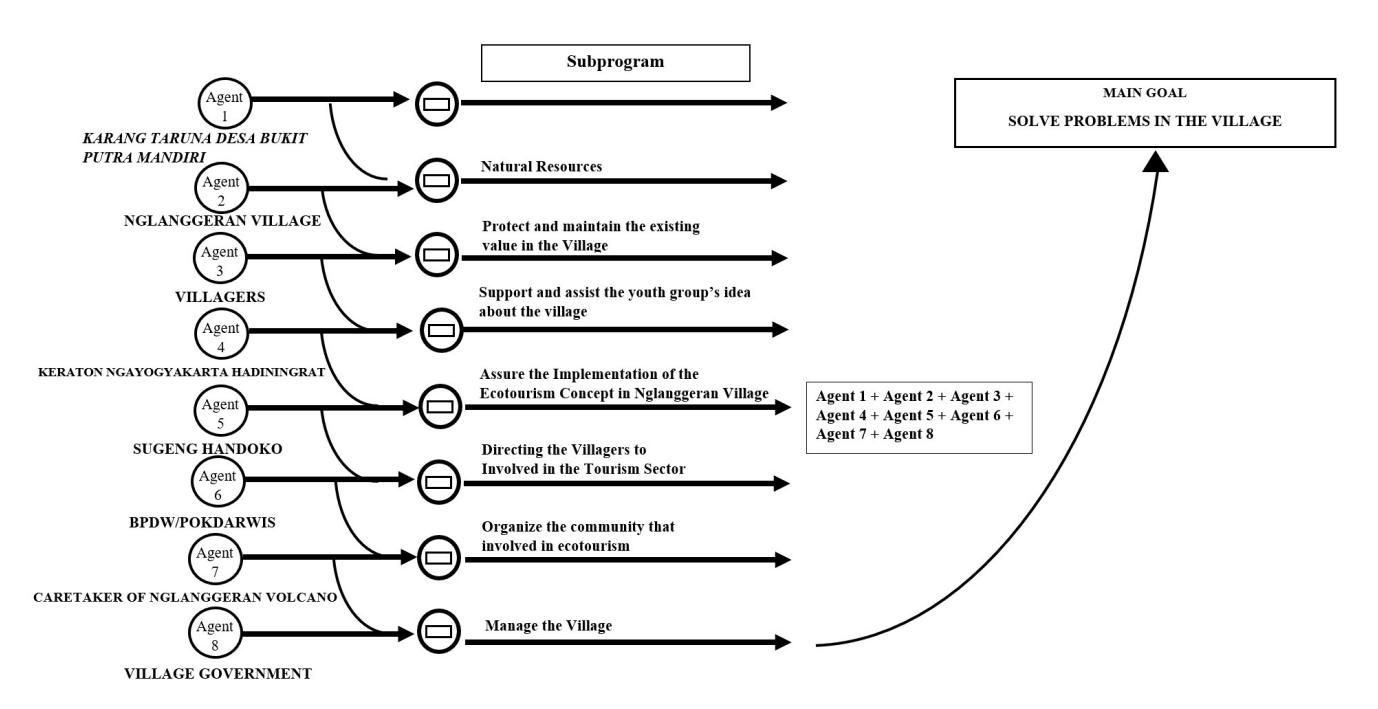
Figure 9 Composition of Actors in Nglanggeran Transformation
Amidst this shift, the young people and the locals undertook many initiatives to investigate the natural assets of Nglanggeran village. Second, Nglanggeran village boasts natural riches, such as Gunung Api Purba Nglanggeran, which dates to the tertiary period, approximately 0.6–0.7 million years ago. This mountainous area comprises volcanic sedimentary rocks such as andesite breccia, tuff, and andesite lava flows. It is home to rare fauna and flora, such as long-tailed monkeys and trembling plants, which only live in the Ancient Volcano area. The Gunung Api Purba area encompasses various peaks, including Gunung Kelir, Gunung Gedhe, Gunung Bongos, Gunung Blencong, Gunung Buchu, and Gunung Pamean. There are also other water sources in Nglanggeran village, including Tlogo Mardhido, Tlogo Wungu, and Talang Kencono. Kampung Pitu's mythology is another fascinating feature of Gunung Api Purba. The hamlet at the top of the volcano is said to have had exactly seven families, according to local legend. It is said that if this number is changed, then bad things will happen (Wahyuni, 2018).
Figure 10 Gunung Api Purba Area Source: Liputan 6, 2021 & Kompas Yogyakarta, 2023
The Talang Purba and Kedung Kandang Waterfalls, which are seasonal features of Nglanggeran, represent further natural potential (Figure 11). These waterfalls are special because they resemble a volcanic rock staircase and are situated between rice terraces. Meanwhile, at Kedung Kandang Waterfall, there are three pools and six tiers of waterfalls. Kedung Temanten and Kedung Keris are located above Kedung Kandang, which is the lowest and largest waterfall (Wahyuni, 2018).
Figure 11 Talang Purba Waterfall (left) and Kedung Kandang Waterfall (right) Source: Tugu Wisata & Kompas, 2023
Nglanggeran also holds cultural potential that can be developed, such as wiwitan (a ritual performed by farmers before planting and harvesting rice), kenduri or slametan (a traditional ceremony performed to celebrate various events such as baby births, weddings, death ceremonies, and also religious events), tayuban (one of the arts that contains elements of beauty and harmony of movements), jathilan attractions (Figure 12), membatik topeng, karawitan, and rasulan. Rasulan and cleaning the village are forms of gratitude for a successful harvest. In addition, there are also traditions such as farming, plowing rice fields, catching fish in the river, and cooking local culinary specialties.
Figure 12 Jathilan Art Source: Kompas, 2019
Third, to preserve the social and cultural norms that define village life, the villagers have established subprograms. Because they fear their village will become an urban region, some segments of society are against the idea of village development. There are 2,650 people living in Nglanggeran village overall, of which 1,326 are men and 1,324 are women. In addition, 67.99% more people in the village are productive than non-productive ages if applying the BPS (Badan Pusat Statistik, the Central Statistics Agency) criteria, which states that the productive age is between 15 and 64 years old. In 2022, the official Nglanggeran village portal provided this data (Figure 13). Because there are enough productive ages to enable the execution of different activities that lead to community change, this demonstrates the potential of resources.
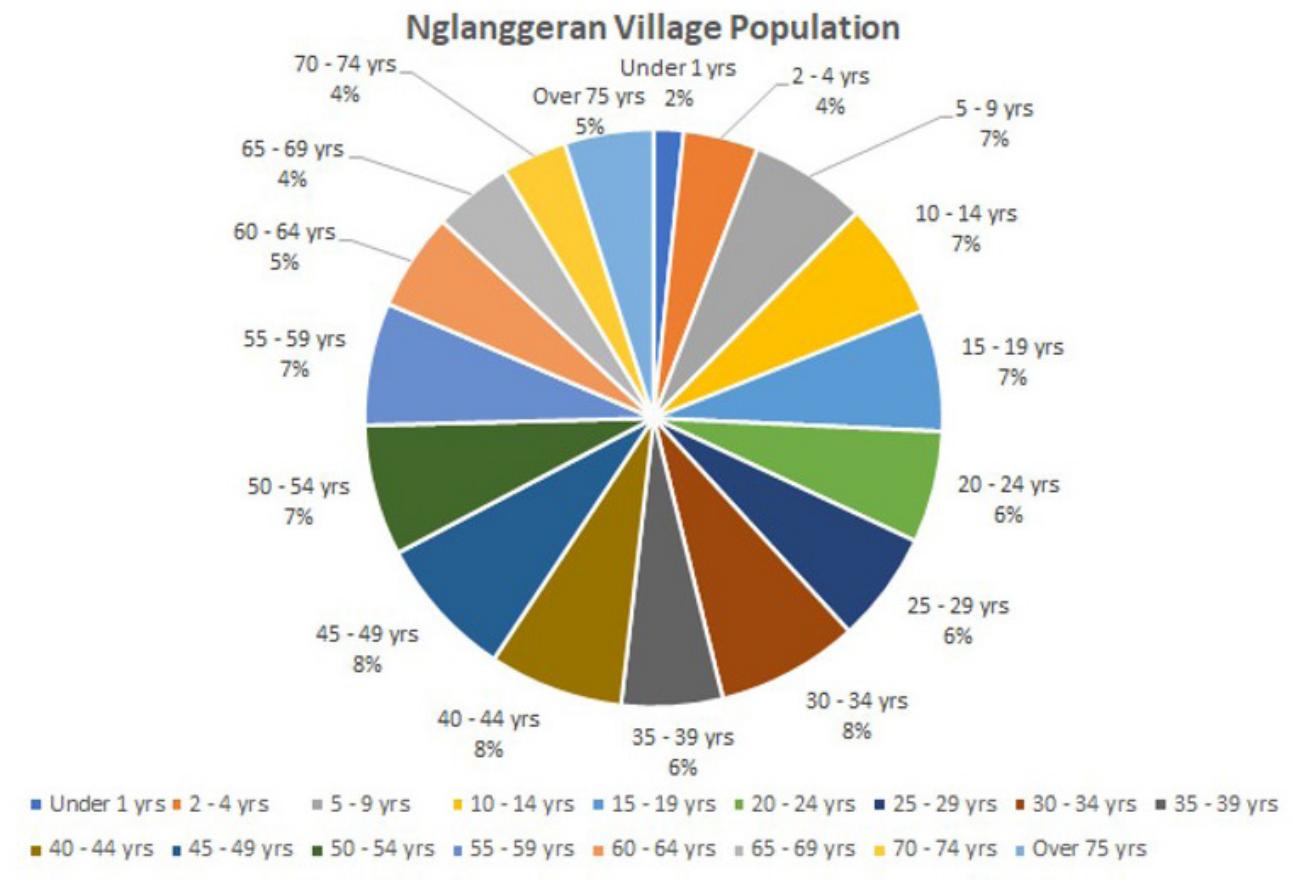
Figure 13 Age group diagram of Nglanggeran village population in 2022. Source: Nglanggeran village portal, 2022
Fourth, Keraton Ngayogyakarta Hadiningrat offered grant aid and assisted in persuading the villages of the youth's ideals. This assistance played a big role in the process of convincing the village community so that the transformation of Nglanggeran village could take place. Fifth, the head of Karang Taruna Bukit Putra Mandiri and a global actor behind the growth of Nglanggeran village, Sugeng Handoko encourages young people to improve the village's image by introducing the idea of ecotourism. Through knowledge gained from education and experience, Sugeng started community-based ecotourism initiatives with a group of young people from three Nglanggeran hamlets: Nglanggeran Kulon (the West Nglanggeran), Nglanggeran Wetan (the East Nglanggeran), and Gunung Butak. The initiatives were centered on environmental conservation. Sugeng highlighted that everyone involved in the community must be committed to developing this idea in a short amount of time. In addition, it takes qualified human resources to maximize the village's potential for environmental preservation and communal welfare. Selfreliance, which requires labor and material contributions from all parties involved, is another essential component of community-based ecotourism development (Wahyuni, 2018).
Sixth, Pokdarwis/BPDW (Badan Pengelola Desa Wisata, A Tourism Village Management Agency), is responsible for overseeing the six communities that are part of the tourism industry. Since its establishment, BPDW has not been free from resistance from villagers. Due to these challenges, BPDW had to restructure its approach and start interacting with outside parties. BPDW tried to establish communication with the village head, the custodian, and Ngayogyakarta Hadiningrat Palace in order to boost community trust in implementing improvements. The local community started to fully trust the BPDW program because of this important individual's presence. BPDW then requested financial support from the government. Pokdarwis Desa Wisata Nglanggeran (Tourism Awareness Group of Nglanggeran Tourism Village) is the new organizational name for BPDW, which was designated in 2013 as the organization with official authority to manage 48 hectares of the ancient volcano conservation area. The discussion about Griya Cokelat will be explained in terms of economic relations. Seventh, the custodian of the ancient Nglanggeran volcano wishes to be involved in village development. He helps BPDW/ Pokdarwis mediate disputes with village community groups in order to win the trust of the community. Eighth, the village government plays a role in managing the village, one of which is by issuing a village head decree, which gives youth groups the mandate to manage village land.
The results of the analysis using the actor network method in the socio-technical network perspective indicate that the transformation process in Nglanggeran village involves actors that positively impact the social and economic life of the community through the concept of ecotourism. The ecotourism concept implemented in Nglanggeran village is tourism that utilizes the village's potential without harming the environment or preserving local culture. Referring to Crabtree (2022), the ecotourism concept is environmentally sustainable tourism with a primary focus on experiences in natural areas that promote understanding, appreciation, and conservation of the environment and culture. This also aligns with the concept of community-based tourism. According to the ASEAN Community-Based Tourism Standard (2016), CBT are tourism activities owned and managed by the community, contributing to community welfare by supporting sustainable livelihoods and protecting social, cultural, and heritage resources.
A testament to the alignment between the CBT idea and the ecotourism concept used in Nglanggeran village's transformation process is the multiple accolades the village has garnered on a national and worldwide level. Nglanggeran village won several accolades in 2017, including the ASEAN Community Based Tourism Award and recognition as the Best Tourism Village in Indonesia. Nglanggeran village won these awards for its capacity to support social welfare, engage in community management, preserve and enhance environmental quality, promote interactive tourism participation between residents and visitors, and offer top-notch travel and guide services. The growth of this hamlet also contributes to a slower rate of urbanization because tourism generates employment opportunities for the local population. In addition, the Nglanggeran village's tourism industry encourages residents to forgo logging to satisfy their basic needs and provides an alternate source of income (Wahyuni, 2018).
Conclusion
Nglanggeran village has undergone a remarkable transformation from an impoverished, arid, and undeveloped community into a thriving ecotourism destination. The three distinct phases of this transformation highlight the village's journey toward sustainable rural development and improved socioeconomic conditions. In the initial phase, community-led initiatives aimed at ecological conservation laid the groundwork for future progress, despite challenges such as limited support and natural disasters. The subsequent phases saw the emergence of ecotourism as a driving force for change, facilitated by the visionary leadership of individuals like Sugeng Handoko and collaborative efforts between local and global actors. As a result, Nglanggeran village has achieved significant advancements in infrastructure, tourism services, and environmental preservation, leading to national and international recognition as a model tourism village. The concept of 'ecotourism' undergoes a series of translations and circulates across the socio-technical network, ensuring durability of linkages. Various actors play a key role in the circulation of 'ecotourism': traditional figures, local enthusiasts, academicians, and international agencies. What seems to enable and foster changes is not the notion of ecotourism by itself but, more importantly, the translations of 'ecotourism' into issues concerning various actors (past, present, local, and non-local). The sustainability of ecotourism in Nglanggeran village thus depends on the durability of these translations.
References
- Black, R., & Crabtree, A. (2007). Quality assurance and certification in ecotourism. London: CAB International.
- Desa Nglanggeran Gunung Kidul. (2023). Profil potensi Kalurahan Nglanggeran 2022. Retrieved from Kalurahan Nglanggeran: https://desanglanggeran.gunungkidulkab.go.id/first/ artikel/2159
- Desai, V., & Potter, R. B. (2014). The companion to development studies. London and New York: Routledge.
- Ekowati, D., & Nawarcono, W. (2021). Implications for the success of community based tourism to levels community welfare: Study of Nglanggeran Tourism Village before and inn post Covid-19 pandemic. Proceeding UG Economic Faculty-International Conference, Bekasi: 14-15 December 2021. Page 1-14.
- Handoko, S. (2015). Mengubah desa dengan wisata alam. Retrieved from GAP Gunung Api Purba: https://gunungapipurba.com/index.php/posts/detail/sugeng-handoko-mengubah-desa-denganwisata-alam-zAhXyIa353P2
- Handoko, S. (2015). Mengubah desa dengan wisata alam. Retrieved December 7, 2023, from Gunung Api Purba: http://gunungapipurba.com/index.php/posts/detail/sugeng-handoko-mengubah-desadengan-wisata-alam-zAhXyIa353P2
- Handoko, S. (2022). Kisah desa Nglanggeran di Gunungkidul, dari sulit air sampai jadi kawasan ecowisata terbaik ASEAN. Retrieved December 7, 2023, from Instagram: https://www.instagram. com/p/Cfh4FbGvWd3/?igshid=ZDBjMWI0ZjMxOQ%3D%3D&img_index=3
- Handoko, S. (2023). Kesadaran membuat daerah gunung api purba ini semakin hijau itu tinggi sekali. Kick Andy. (A. F. Noya, Interviewer) Metro TV. Jakarta. Retrieved from https://www.youtube.com/ watch?v=MV5XeyErEog
- Immanuel. (2017). Air terjun Talang Purba: Tetangga yang masih terlupa. Retrieved December 8, 2023, from Tugu Wisata: https://www.tuguwisata.com/air-terjun-talang-purba-gunungkidul/
- Jamalina, I. A., & Wardani, D. T. (2017). Strategi pengembangan ekowisata melalui konsep Community Based Tourism (CBT) dan manfaat sosial dan ekonomi bagi masyarakat di Desa Wisata Nglanggeran, Patuk, Gunung Kidul. Jurnal Ekonomi dan Studi Pembangunan, 18(1), 71-85. doi:10.18196/ jesp.18.1.4008
- Kementerian Kebudayaan dan Pariwisata. (2008). Peraturan Menteri Kebudayaan dan Pariwisata Nomor PM.04/UM.001/MKP/2008. Gerakan Sadar Wisata. Jakarta, DKI Jakarta, Indonesia: Kementerian Kebudayaan dan Pariwisata.
- Kompas. (2019). Jathilan, tarian tertua di tanah Jawa. Retrieved December 8, 2023, from Pesona Indonesia Kompas.com: https://pesonaindonesia.kompas.com/read/2019/05/19/ 232652127/ jathilan-tarian-tertua-di-tanah-jawa
- Latour, B. (1999). Pandora's hope. London: Harvard University Press.
- Latour, B. (2005). Reassembling the social. New York: Oxford University Press.
- Mumtaz, A. T., & Karmilah, M. (2021). Digitalisasi wisata di desa wisata. Jurnal Kajian Ruang, 1(1). Retrieved from http://jurnal.unissula.ac.id/index.php/kr
- Persada, E. H., & Uddin, B. (2022). Modal sosial ketahanan Desa Wisata Nglanggeran dalam menghadapi pandemi Covid-19. Gadjah Mada Journal of Tourism Studies, 60-76. Retrieved from https://doi. org/10.22146/gamajts.v4i1.72722
- Putra, R. P. (2019). 11 Fakta embung Nglanggeran, destinasi wisata hits di Gunungkidul. Retrieved from IDN TIMES: https://www.idntimes.com/travel/journal/ rivandi-pranandita-putra/fakta-embungnglanggeran-gunungkidul-exp-c1c2
- Rachmawati, F., & Suratmi, T. (2020). Mitos bunuh diri di Gunungkidul Daerah Istimewa Yogyakarta (DIY). Jurnal Bidang Ilmu Kesehatan, 10(1), 32-45. Retrieved from http://ejournal.urindo.ac.id/ index.php/kesehatan
- Rahmat, I., & Cahyadi, A. (2019). Desa wisata berkelanjutan di Nglanggeran: Sebuah taktik inovasi. Jurnal Pariwisata Pesona, 4(1), 1-10. doi:https://doi.org/10.26905/jpp.v4i1.2214
- Sabandar, S. (2021). Jangan bingung, ini panduan wisata ke Gunung Api Purba Nglanggeran Gunungkidul. Retrieved December 8, 2023, from Liputan 6: https://www.liputan6.com/regional/ read/4463683/jangan-bingung-ini-panduan-wisata-ke-gunungapi-purba-nglanggeran-gunungkidul
- Setyaningrum, P. (2023). Gunung Nglanggeran, pesona gunung api purba yang terangkat dari dasar laut. Retrieved from Kompas.com: https://yogyakarta.kompas.com/read/2023/01/22/193423278/ gunung-nglanggeran-pesona-gunungapi-purba-yang-terangkat-dari-dasar-laut?page=all
- Sibakul. (n.d.). 5 Wisata Embung di Jogja yang populer. Retrieved from https://sibakuljogja.jogjaprov. go.id/blog/pasarkotagedeyia/5-wisata-embung-di-jogja-yang- populer/
- Simangunsong, W. S., & Prasetya, A. W. (2023). Air terjun Kedung Kandang dihancurkan, Sandiaga: Jangan sampai terulang lagi. Retrieved from https://travel.kompas.com/read/2023/04/20/091055627/airterjun-kedung-kandang-dihancurkan-sandiaga-jangan-sampai-terulang-lagi
- Sumarni, R. P., & Pujiati, H. R. (2020). Implementasi pentahelik dalam pengembangan desa wisata di Kabupaten Gunungkidul. Jurnal Paradigma: Jurnal Multidisipliner Mahasiswa Pascasarjana Indonesia, 1(2), 28-39.
- The ASEAN Secretariat. (2016). ASEAN community based tourism standard. Jakarta: Association of Southeast Asian Nations (ASEAN).
- Tim Penggali sejarah Desa Nglanggeran. (2014). Sejarah Desa Nglanggeran. Retrieved from https:// desanglanggeran.gunungkidulkab.go.id/ first/artikel/57
- Wahyuni, D. (2018). Strategi pemberdayaan masyarakat dalam pengembangan Desa Wisata Nglanggeran Kabupaten Gunung Kidul. Jurnal Masalah-Masalah Sosial, 9(1), 83-100. doi:https://doi. org/10.22212/aspirasi.v7i1.1084
- Yasyi, D. N. (2020). Kisah Desa Nglanggeran di Gunung Kidul, dari sulit air sampai jadi kawasan ecowisata terbaik ASEAN. Retrieved from https://www.goodnewsfromindonesia.id/2020/09/16/ kisah-desa-nglanggeran-di-gunung-kidul-dari-sulit-air-sampai-jadi-kawasan-ecowisata-terbaikasean
- Yuliar, S. (2009). Tata kelola teknologi: Perspektif teori jaringan aktor. Bandung: ITB Press.
- Yuliar, S., Riyadi, A., and Sari, W. (2018). Technological innovation and democracy in the design of earthquake-proof dome buildings in Yogyakarta. Human Ecology Review, 24(2), 105-127.