

INFO ARTIKEL
Kata kunci:
ruang belajar, masyarakat miskin, Teori Jaringan Aktor (ANT), Social Shaping of Technology (SST), keterjangkauan
ABSTRAK
Teknologi mencakup segala aspek teknis yang berkaitan dengan isu-isu sosial, ekonomi, politik, dan budaya dalam kehidupan manusia, menawarkan tiga lapisan makna, yaitu artefak, proses, dan pengetahuan. Penelitian ini mengeksplorasi Rumah Belajar ERBE sebagai ruang pembelajaran sosial bagi masyarakat miskin dalam perspektif SST (Social Shaping of Technology). Analisis dilakukan melalui moment translation analysis diperoleh dari Teori Jaringan Aktor (ANT) untuk menginvestigasi keterjangkauan ruang belajar bagi masyarakat setempat. Artikel ini mengkaji perkembangan hubungan antara ERBE sebagai bagian dari artefak (ruang belajar) dan aktivitas (pembelajaran sosial), serta bagaimana peran sosioteknologi dalam meningkatkan kehidupan warga kampung pemulung menjadi lebih baik. Temuan mengungkapkan inisiator dan rumahnya memerlukan kedekatan dengan ERBE untuk mengoptimalkan pembelajaran sosial. Keterjangkauan fisik dan fungsional teridentifikasi melalui karakter ruang dan penggunaan furnitur tidak tetap, hingga menjadikan ruang multifungsi yang dapat mengakomodasi pembelajaran sosial masyarakat miskin.
Introduction
Human life and technology are inseparable, and their development will always impact each other (Bijker et al., 1987; Bijker & Law, 1992). Since prehistoric times, humans have invented technology to meet their daily needs, such as hunting and farming, with simple tools made from stone, bone, and wood. Human life and technology continue to evolve to such an extent that the public's understanding of technology appears to be restricted to the field of information technology (IT), particularly artificial intelligence (AI) and the internet of things (IoT), despite this not being the case. Humans create technology to address issues, fulfill requirements, or accomplish particular objectives (Kranzberg, 1986).
Technology is complex due to its collection of technical objects and the influence of social, economic, political, and cultural factors in human life, which shape its development. Bijker and Law refer to this process as The Social Shaping of Technology (SST), asserting that the conditions of social life, such as conflict, differences, or resistance, shape and influence existing technology (Bijker & Law, 1992). Then, the technology born from social influence will move circularly and influence a new society's social conditions. This is due to the ongoing influence and shaping of both parties.
Based on the definition above, a space or building design can also be called "technology" because it involves interrelated social and technical factors. When planning a space or building, designers typically begin by empathizing with the user or humans, understanding the social factors in the location, such as the users' identities, their typical activities, the prevailing culture, and their hopes and desires (IDEO.org, 2015). Meanwhile, Unwin (2014) refers to the collection of technical objects as space-forming elements or elements of space, which include defined areas, markers, walls, roofs, columns, paths, and furniture. In interior design, technology has the same meaning as affordances because of the ability of elements of space to meet human needs (Gibson, 1986; Maier et al., 2009; Norman, 2013).
Several social problems, including poverty, require attention in Indonesia. There are 25.90 million impoverished individuals in Indonesia, with 477.83 thousand residing in Jakarta, the country's capital (Badan Pusat Statistik, 2023). We can map the causes of poverty along four dimensions: (1) Absolute poverty refers to the inability to meet basic needs economically; (2) Relative poverty refers to being included in the distribution proportion but still able to meet basic needs; (3) Cultural poverty refers to social conditions, culture, tradition, and habits of society that are less productive and are passed down from generation to generation; and (4) Structural poverty refers to the inequality of domination, injustice, and partiality in socio-political structures. This condition often makes it difficult for people to escape poverty, but many non-governmental organizations (NGOs) currently help these communities. NGOs can more easily reach and pursue cultural poverty, one of the four dimensions of poverty.
Cultural poverty frequently affects children from low-income families, as they frequently face coercion and forced labor to earn income as street children, buskers, or scavengers. Formal or informal economic activities often expose children to exploitation as child labor, creating a cycle of poverty that is challenging to break (Syahrul & Datuk, 2020). According to Bourdieu's (1986) concept of "capital," we can overcome the condition of community poverty (economic capital) by enhancing cultural capital. This involves enhancing self-capacity through knowledge, skills, recognition, and trust. This, in turn, can transform into economic capital, such as securing employment or income, and social capital, such as status or position (Bourdieu, 1986; Ekomadyo et al., 2023). To increase the cultural capital of poor communities, NGOs have formed Shelter Houses, one of which is Rumah Belajar ERBE, a learning facility in the scavenger village of Rawadas, East Jakarta.
In this article, Rumah Belajar ERBE refers to a system that serves as both a foundation (now referred to as ERBE) and a learning space (Rumah ERBE and Saung ERBE). Abdul Rohim (AR) initiated Rumah Belajar ERBE (Education Religion Bee Entertainment) as a "technology" to address the socio-economic challenges faced by scavenger village residents, with the aim of enhancing the cultural capital of scavenger children through social learning activities. Social learning theory emphasizes the importance of learning through social interaction for human development (Bandura, 1977). One of the primary programs within the ERBE framework facilitates the growth of children's cultural capital by providing coaching and empowerment through Islamic religious education. The study of religion enables children to construct a robust spiritual foundation, thereby facilitating the formation of more defined beliefs and life goals. Furthermore, the program facilitates the development of moral and ethical values in interpersonal interactions, thereby preventing children from engaging in antisocial conduct (Fatimah & Siswanto, 2024; Putra et al., 2015; Siregar et al., 2023; Syafruddin et al., 2023). This study will examine the evolving relationship between ERBE as an artifact (a learning space) and social technology with the residents of the scavenger village.
According to Actor-Network Theory (ANT), technology and social problems are not isolated entities, but rather a network of interrelated relationships from various entities that can be disassembled (Bijker & Law, 1992; Ekomadyo et al., 2019; Latour, 1992). Therefore, this study employs a socio-technical approach within Actor-Network Theory (ANT), aiming to: (1) investigate the dynamic relationships between human and non-human actors at every moment, specifically identifying the role of ERBE as a component of the artifact (learning space) and activity (social learning) of social technology in learning activities; (2) delineate the key moments during the learning process at ERBE; (3) articulate the role of learning spaces as non-human actors in the learning process; and (4) devise learning space affordances in the learning process to enhance the cultural capital of impoverished communities.
Method
This research uses a socio-technical approach from Actor-Network Theory (ANT) to examine the development of relations between ERBE as a system and learning space for residents of the scavenger village, with the aim of increasing the cultural capital of poor communities. The capacity of ANT to parse and elucidate complex social relationships between actors underpins its utilization (Andayani & Ekomadyo, 2024; Latour, 1992). The socio-technical approach stresses how important it is to think about how social and technical factors interact with each other and how important it is to understand the relationship between people and machines so that you can describe this relationship when evaluating social problems (Bijker & Law, 1992; Ekomadyo et al., 2019).
We collected data by observing Rumah Belajar ERBE and its surrounding area and conducting interviews with 17 key informants. These included Abdul Rohim (AR), who initiated ERBE; a teacher; a resident; 13 assisted children; and representatives from communities with a shared concern for education among those experiencing poverty. Secondary data were also collected through online media sources. The objective of collecting this data is to analyze the relationship between human and non-human actors that occur in every phase of the ERBE journey, with a specific focus on identifying the role of ERBE as a space within the learning process.
The data were analyzed using sociotechnogram graphs, which were constructed to represent the interconnected actions of the 17 actors. The graph is then identified in accordance with Callon's moments of translation, which include the four categories of analysis are: 1) problematization, 2) interest, 3) enrollment, and 4) mobilization (Callon, 1984; Ekomadyo et al., 2013, 2023; Riyadi et al., 2017). The research results were also analyzed based on the affordances theory to determine the design features supporting ERBE's learning process. Hartson (2003) identifies four categories of affordances: cognitive, physical, sensory, and functional. This analytical method was employed to summarize and explain the role of ERBE as a space in the learning process in a more structured way, with the aim of increasing the community's cultural capital.
Result and Discussion
Social learning theory focuses on how the learning process through observation, imitation, and interaction with other people can improve a group of individuals' behavior, beliefs, and attitudes (Bandura, 1977; Riyadi et al., 2017). Similar to other social phenomena, human behavior and other personal factors, along with environmental factors, influence the social learning process. Human and environmental factors form reciprocal relationships due to their interrelatedness (Bandura, 1977). The term "environmental factors" in social learning refers to external factors like nature, climate, culture, and society. However, another critical factor is the existence of spaces in the natural, artificial, and built environments. Space is essential in social learning because it can summarize various human activities (Ekomadyo et al., 2019; Riyadi et al., 2017). The built environment incorporates ERBE as a learning space for impoverished communities, as it serves to summarize and facilitate social learning, thereby enhancing community cultural capital.
The theory of space, social phenomena (social learning), and technology all share a common understanding. Deleuze describes it as an assemblage, a collection of various entities that interact to form connections or relations (Bijker et al., 1987; Bijker & Law, 1992; Deleuze et al., 1988). Dovey uses the concept of assemblage to understand that space is composed or constructed from various things in the daily movements of human life (Dovey, 2009; Ekomadyo et al., 2019; Riyadi et al., 2017). Latour also uses Deleuze's concept in actor-network theory (ANT) to understand that social phenomena are formed from relationships or relationships between human actors and artifacts or non-human actors (Ekomadyo et al., 2019; Latour, 1992; Riyadi et al., 2017). Meanwhile, Law and Callon use ANT to explain that technology is not just a collection of technical objects; there are social, economic, political, and cultural factors in human life that influence the formation of this technology (Bijker et al., 1987; Bijker & Law, 1992).
The definition of technology in ANT theory encompasses not only conventional hardware and software, but also social technology. The term "technology" encompasses three layers of meaning: (1) Physical objects/artifacts: these are technical objects such as windows, chairs, rooms, and computers; (2) Activities/processes: these are activities in which technical objects are used, such as computer programs and learning activities; and (3) Knowledge: this refers to human knowledge and the tacit ability to use a technical object (Bijker et al., 1987; MacKenzie & Wajcman, 1985). Rumah Belajar ERBE has two meanings: as a collection of technical objects that form a learning space and as a community empowerment activity through social learning. Therefore, social technology studies can include Rumah Belajar ERBE as a social learning space.
Poverty Conditions in Scavenger Villages
Scavenger villages are residential areas, with most of the population living as scavengers. Previous research states that scavenger villages manifest structural and cultural poverty in society (Anwar et al., 2018; Arifin, 2020; Permanasari, 2017). People living in poverty often face numerous structural challenges, including unfavorable policies that impede their ability to meet basic needs and restrict their access to education, health care, and decent employment opportunities. As for cultural matters, people in poverty tend to be faced with wrong values or attitudes that may be passed on unconsciously from one generation to the next, such as often feeling pessimistic, giving up on circumstances, a high level of dependence on other people, or inferiority from childhood (Arifin, 2020; Pratiwi et al., 2022).
Scavenger villages can serve as a viable solution for housing needs. However, the legality of the land location classifies scavenger villages as informal settlements (Permanasari, 2017; Putri et al., 2023). The low socio-economic condition shapes the settlement pattern of scavenger villages, which tend to be irregular, dense, and close to one another, with inadequate public facilities and semi-permanent house construction using light materials such as plywood and wood waste (Putri et al., 2023). As demonstrated in the scavenger village in Rawadas, East Jakarta, prior to the establishment of Rumah Belajar ERBE, this condition causes the residents to lack an understanding of the importance of education.
Rumah Belajar ERBE
Abdul Rohim (AR) started the ERBE initiation in his rented house after seeing the condition of children in the area who were not in school, spent more time on the streets, were often abused to work by their parents, and some even ran away from their homes. From two to three assisted children, AR aims to improve social construction by changing the children's "working" time with learning and self-development activities so they can return to school, which can become a provision for breaking their poverty chain. Interviews with AR revealed that ERBE's activities had relocated twice, with the center of movement situated not far from Pondok Kopi, East Jakarta. External factors such as lease expiration and eviction caused this shift. Apart from that, this movement also follows the movement of the community or residents of the scavenger village. These three displacement activities are part of how a social community constructs a space. ANT, which always sees a relationship between human and non-human actors in a social activity, has the same understanding as space construction, which states that every (physical) space is socially constructed, and every social space is spatially constructed (Ekomadyo et al., 2013). This means that the social and spatial processes that occur in ERBE do not occur independently but are interrelated.
Translational Moments of Rumah Belajar ERBE
The process of ERBE development to date has been traced using translation, which, according to Callon, is divided into four moments, such as: (1) Problematization: when an issue or problem is presented by a human actor (initiator) as material for attention and discussion by other actors; (2) Interessement: when other actors (stimulated actors) begin to show interest or rejection of the problem or issue presented by the initiator; (3) Enrollment: when actors can be given or delegated roles to each other, thus forming a working relationship; 4) Mobilization: when a network of actors has been formed and has an existence that can be seen and felt in the context of time and space (Callon, 1984; Ekomadyo et al., 2013, 2023; Riyadi et al., 2017). Four moments were found in the Rumah Belajar ERBE translation process:
Moment of Problematization: Initiation
Figure 1 The First Location and Documentation in Rumah Belajar ERBE
Abdul Rohim's (AR) initiative to build Rumah Belajar ERBE marked the moment of problematization, and other actors welcomed it positively. As settlers in the same village, AR begins the social process by establishing social relationships with residents (parents and assisted children). ERBE officially became a legitimate social foundation in 2016. At this initial moment, AR had a closer relationship with the children through learning, spiritual, and arts activities (Figure 1). Apart from that, AR also utilizes digital technology to establish relationships with many other communities that have the same concern for children and people in poverty. On every occasion, AR always writes about ERBE activities with the assisted children on his blog page, which impacts the increasing number of activities with other communities. These ongoing activities have also connected and convinced parents to allow their children to participate in ERBE activities (Figure 2).
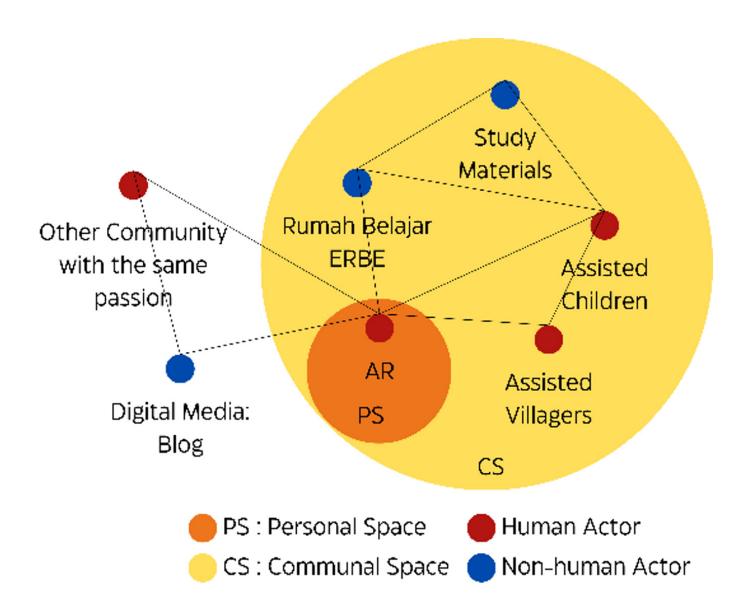
Figure 2 Sociotechnogram of Moment of Problematization: Initiation Source: Personal Documentation, 2024
The initiation moment from the point of view of a set of technical objects can be seen spatially from AR, who started Rumah Belajar ERBE (from now on referred to as the Rumah ERBE) by expanding the function of his personal space (PS) into a communal space (CS) located in the scavenger village Kampung Rawadas, East Jakarta (Figure 2). For two years (2016-2018), ERBE adopted an orphanagebased shelter system, so AR lived with several assisted children who did not have one and did not want to go home.
Moment of Interest: Credentials
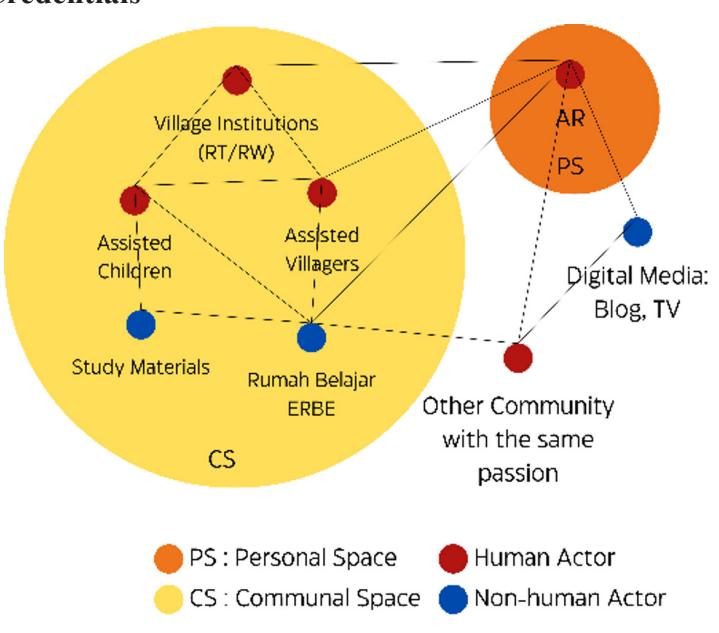
Figure 3 Sociotechnogram of Moment of Interessement: Credentials Source: Personal Documentation, 2024
The start of a group of technical objects can be seen in space from AR's point of view. He started Rumah Belajar ERBE, which will be called the ERBE's House from now on, by turning his personal space (PS) into a communal space (CS) in the East Jakarta scavenger village Kampung Rawadas (Figure 2). For two
years (2016-2018), ERBE adopted an orphanage-based shelter system, so AR lived with several assisted children who did not have one and did not want to go home.
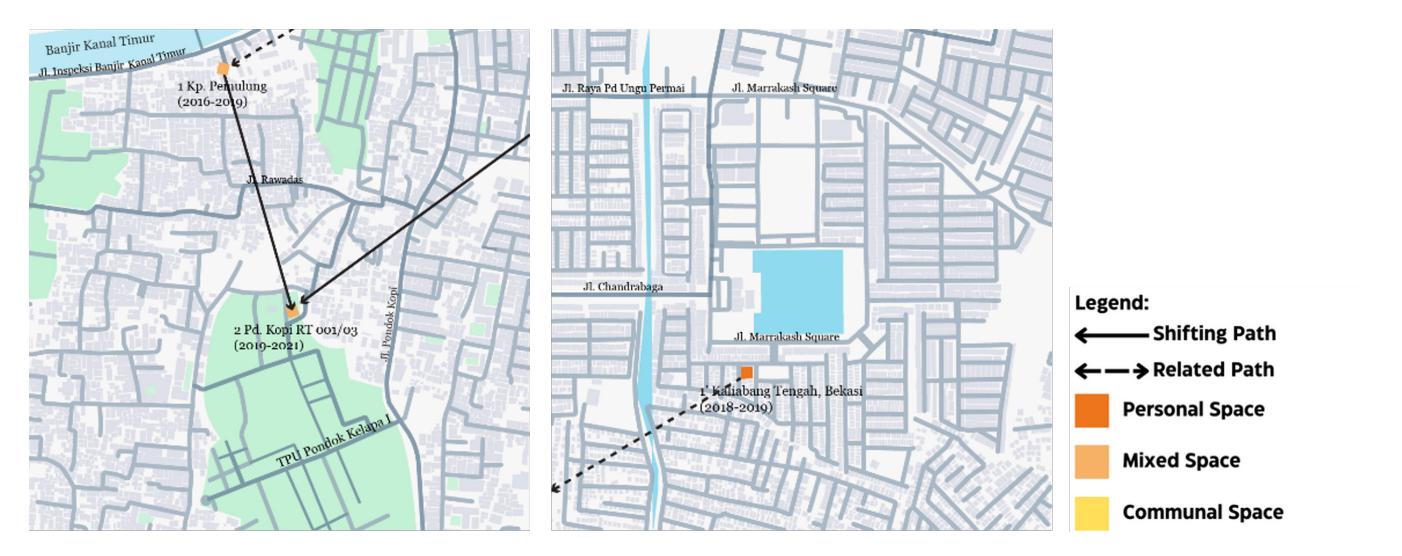
Figure 4 Location and Shifting Map 1 Source: Personal Documentation, 2024
This separation activity (Points 1 and 1' in Figure 4) was short-lived, as AR decided to return and relocate to Pondok Kopi RT 001/03 (Point 2 in Figure 4). The remote conditions of AR and the lack of professional social workers make it difficult to monitor the built environment. Street and marginalized children who live in ERBE shelter houses tend to have different psychological characteristics than other children, such as speaking harshly, often fighting, being difficult to manage, lacking discipline, being impolite, rebellious, and often breaking rules (Suryanto et al., 2017). This character disturbed the neighbors around the shelter, so AR needed to come back and directly monitor the built environment.
Moment of Enrollment: Assistance
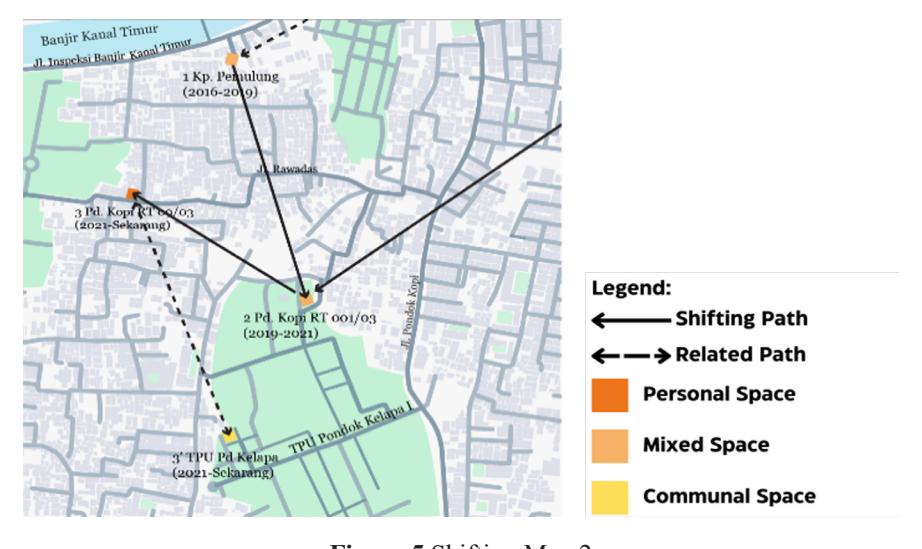
Figure 5 Shifting Map 2 Source: Personal Documentation, 2024
The moment of interest in this study was identified as a miscalculation step, where the built environment was not ready to stand independently but had to go through a moment of enrollment first. This moment is referred to as the action of delegation, which was seen when AR began to change policies and the system at ERBE to a non-orphanage-based shelter house system. The new policy changes the form of social services ERBE provides to community-based services so that residents of the built environment also have responsibility for the sustainability of learning spaces in the settlements where they live.
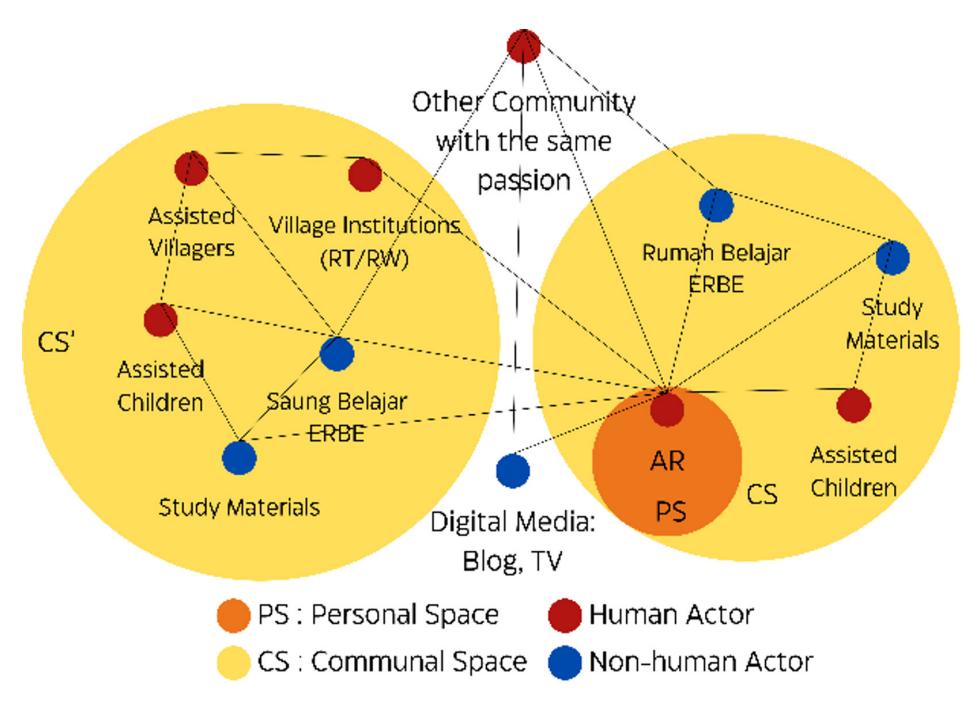
Figure 6 Sociotechnogram of Moment of Enrolment: Assistance Source: Personal Documentation, 2024
The change in ERBE policy caused a second shifting moment to occur (Figure 5) and gave rise to a new communal space (CS) called Saung ERBE (Figure 6). Referred to as an elevated space, Saung lacks a fully walled barrier and shares the physical characteristics of a gazebo. Having learned from the previous moment's problems, AR's residence, which was relocated from point 2 to point 3, now serves not only as a personal space (PS) but also as an operational office (CS) for ERBE. Meanwhile, the main learning activities moved to a new communal space (CS') in the scavenger village or point 3 (Figure 5). This close location makes it easier for AR to supervise and assist the learning process in the built environment at CS and CS' (Figure 6). This moment, known as the moment of enrollment, marks the beginning of the enrollment or delegation phase for the villagers in the built environment, who must continue to receive guidance and supervision from the initiator.
Moment of Mobilization: The Beginning of Independence
The policies applied at the moment of delegation continued to develop until ERBE entered the moment of mobilization, or the initial moment of independence. Several new actors, including IL, Mentor A, E, partner communities, and students of equivalent school programs (Figure 7), significantly contribute to the villagers' independence at this moment. Equivalent School Programs (ESP) refer to Sekolah Kejar Paket, which consists of people in poverty who had to drop out of school and want to pursue their school diploma. IL is AR's wife, who has contributed a lot since the beginning of ERBE's initiation. However, at the moment, IL is primarily responsible for managing the preschool program at ERBE's House. Mentor A and E are residents of scavenger village; Mentor A plays the role of teaching the assisted children, while E plays an important role as an extension of AR in Saung ERBE. Mentor A and E's participation in Saung ERBE is a sign of the beginning of the independence of this scavenger village community. Furthermore, they can now assist and participate in activities even when AR is unable to attend.
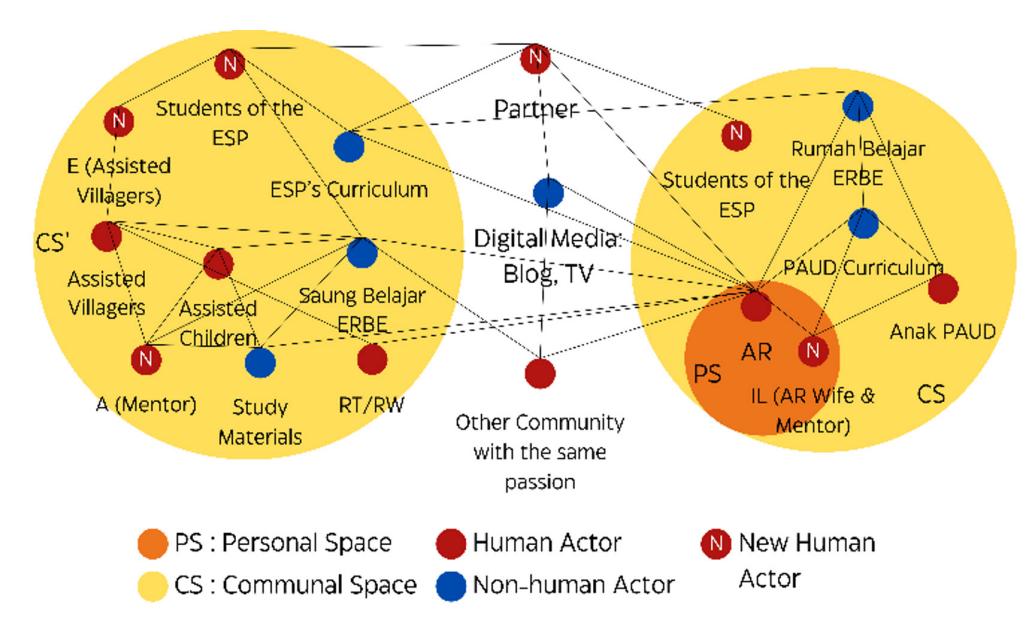
Figure 7 Sociotechnogram of Moment of Mobilization: The Beginning of Independence Source: Personal Documentation, 2024
AR is collaborating with partners to build Equivalent School Programs (ESP) for poor people who must drop out of school to work, making this moment unique. The interviews revealed that the partners coordinated the teachers, curriculum, and students from outside the scavenger village for the Equivalent School Programs (ESP). Initially, the program included several students who were residents of the scavenger village. However, due to work schedule constraints, ERBE and the residents of the scavenger village only provided space and facilities.
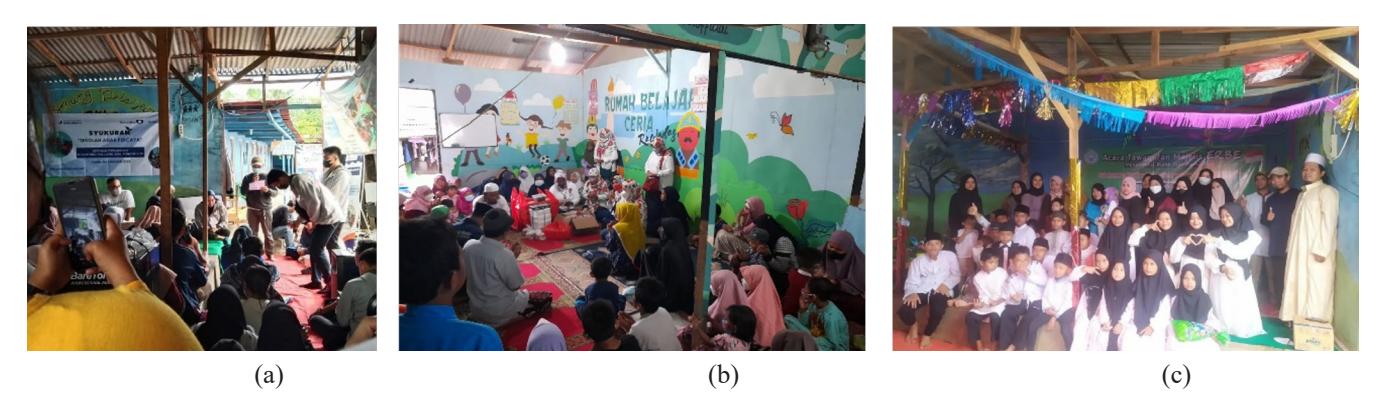
Figure 8 Activity Documentation Moment of Mobilization: The Beginning of Independence Source: ERBE's Document, 2024
Discussion
The sociotechnogram, a product of translating every moment in ERBE, illustrates the evolving relationship between human and non-human actors. Of the many actors involved since the moment of initiation, there were two agents or actors who played the most active role in the development of ERBE: AR and his house (Figure 9). Through AR's persistence and networking abilities, he succeeded in bringing ERBE to be known by many people who care about the condition of children from poor families. AR networks have helped a lot in the development process of ERBE, from assistance with obtaining legal entity permits, daily operations, and collaboration with various parties to getting AR and ERBE covered by various media (Figure 10).
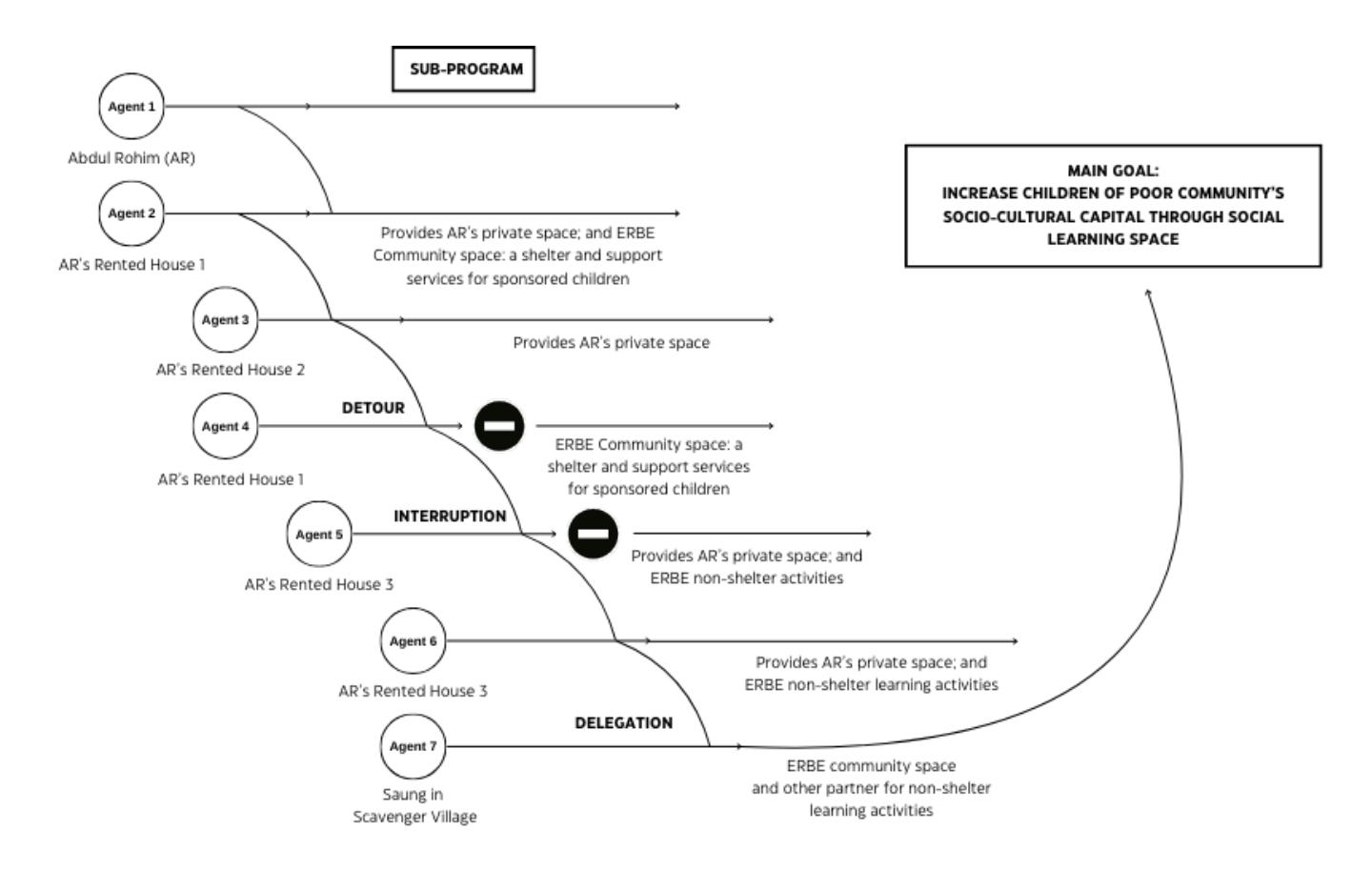
Figure 9 Composition of Agent in ERBE's Development Source: Personal Documentation, 2024
The existence of AR's house holds significant importance as it serves as the initial venue for ERBE initiation and a central hub for social learning within the community of scavenger villages. In the context of a broader understanding, technology is not just a collection of technical objects that play a passive role in supporting the resolution of social problems but can also play an active role in mediating or shaping interactions between actors in a social problem (Bijker et al., 1987; Bijker & Law, 1992; Latour, 1999). Thus, AR's residence as a social learning space can be called a technology because it also responds to the socio-economic factors of the scavenger village residents by increasing the cultural capital of the scavenger children. AR has been living in a rented house since he was single in 2016 and is now a family man (2024). Several areas of his house function as communal spaces, such as a library and a multifunctional room.
Figure 10 Documentation of Abdul Rohim in National TV Program and Rumah ERBE Source: ERBE's Document, 2024
Learning Space of Rumah Belajar ERBE in Social & Technological Shaping Perspective
Starting with the concern for social education, AR initiated ERBE to give a better future for the existing children. Throughout its development, ERBE can be identified as two things: (1) as an artifact that consists of technical objects and (2) as a social learning activity that aims to the children's development. Humans can call everything they create to meet their needs technology, whether it takes the form of artifacts, activities, or knowledge (Bijker et al., 1987; MacKenzie & Wajcman, 1985). Therefore, communities shape ERBE as part of social technology.
Behavioral factors, other personal factors, and environmental factors interact and influence each other in the social learning process (Bandura, 1977). ERBE appears to serve as a hub or gathering place for activists or communities who care about the plight of the impoverished and the issue of social inequality. The translation results indicate that the presence of the ERBE learning space is crucial for two impoverished communities, particularly the residents and students. As a learning space, ERBE serves as a forum for social learning within the two impoverished communities, aiming to enhance their personal capacity and cultural capital, as illustrated in Figure 9.
Social learning occurs in three activities: observation, imitation, and interaction (Bandura, 1977). To effectively carry out and monitor the social learning process, these three activities necessitate a close distance between AR and ERBE. In practice, religious learning activities, counseling, Equivalent School Programs (ESP), and other social activities implement the ERBE social learning process. Then, these activities will increase the community's cultural capital to overcome cultural poverty in the form of increasing knowledge, skills, recognition, and trust (Bourdieu, 1986; Ekomadyo et al., 2023). This increase in cultural capital can then be exchanged for increased economic capital and social capital in the form of gaining access to jobs or better livelihoods to overcome structural poverty. This is a sign of the importance of a learning space in the social learning process for poor communities.
Affordances: A Functioning Set of Technical Objects in Social Learning Space
From a technical mediation perspective, the collection of technical objects in the ERBE learning space can be seen based on the elements of the space and studied using affordances theory. Hartson formulated four affordance relationships between the environment or space and space users, such as (1) cognitive affordances, features for knowing something; (2) physical affordances, features for doing something directly; (3) sensory affordances, features for feeling something; and (4) functional affordances, features for doing things according to their function (Hartson, 2003). According to the observations, two significant affordances are visible in the ERBE learning space: physical and functional affordances.
Currently, ERBE owns two active learning spaces: Rumah ERBE and Saung ERBE. Rumah ERBE refers to the communal space in AR's residence. In contrast, the communal space in the scavenger village is referred to as Saung ERBE, resulting in distinct physical affordances between the two spaces. The use of ceramic floors, rubber carpets, brick walls, bright-colored paint, gypsum ceilings, and minimal openings for natural light and air circulation makes the Rumah ERBE more private (Figures 10(b) and 10(c)). Meanwhile, Saung ERBE is a platform or flat area raised 36 cm using wooden material; the support area uses concrete, and the walls and ceiling use plywood. The Saung ERBE area, located in the scavenger village, has more open natural light and air circulation openings because it is traversed by a public road usually used by residents (Figure 8).
Regarding functional affordances, there are similarities between Rumah ERBE and Saung ERBE, specifically the use of non-fixed furniture, which can make the space multi-functional. In addition, ERBE's Saung frequently utilizes public roads as an extension of the Saung area for large-scale activities (Figure 11(b)). Assisted children often use the platform area as a stage for their performance activities (Figures 8(a) and 8(c)). These features allow the two spaces to be constructed flexibly, allowing them to serve not only as formal study rooms or learning spaces for assisted children, but also as informal spaces for social learning activities such as training and job interviews with residents, coaching, playing, discussions, and other social activities.
Figure 11 (a) multi-functional area of Rumah ERBE, (b) multi-functional area of Saung ERBE
Source: Personal Documentation, 2024
Conclusion
This research shows that the translation process in ERBE occurs through four important moments: problematization (initiation), interest (credentials), enrollment (assistance), and mobilization (the beginning of independence). The sociotechnogram reveals that the existence of AR and his house are inseparable, both contributing significantly to the development of ERBE as a social learning platform for impoverished communities. The physical proximity between AR and the built environment influences the process of social learning through observation, imitation, and interaction, allowing for optimal enhancement of the community's cultural capital. From the perspective of social construction of space, AR houses adjacent to the built environment serve as beacons, facilitating the monitoring, surveillance, and control of the built environment.
As a non-human actor, the collection of technical objects in the learning space at ERBE plays an active role as a mediator in the social learning of the poor, making it part of social technology. The ERBE learning space's character and its use of non-fixed furniture are design features that encompass both physical and functional affordances. This makes the ERBE learning space a multifunctional room that can accommodate a variety of social learning for the scavenger village community and other nearby poor communities, including students from the Equivalent School Programs (ESP).
The findings of this research offer significant insights for the design of learning spaces in underprivileged communities. The ERBE facilities demonstrate the use of flexible and multifunctional spaces, where furniture adapts and rearranges to suit various activities, thereby promoting social interaction and learning. It is incumbent upon designers to create spaces that allow children to collaborate and interact freely, thereby encouraging their active engagement in learning activities. Furthermore, the findings highlight the necessity of educational policies that facilitate the development of adaptive learning environments in underprivileged communities. Non-formal educational programs, such as the one at ERBE, which integrate academic and social learning, can enhance children's cultural and social capital, thereby assisting in the overcoming of structural and cultural poverty. It is imperative that educational policies encompass financial and technical assistance for local initiatives that provide secure, inclusive, and dynamic learning spaces.
This research enriches Actor-Network Theory (ANT) by demonstrating the role of physical spaces and technical objects as non-human actors in the social learning process. In ERBE, learning spaces and technical objects act as mediators, facilitating social interaction and learning, thereby reinforcing the ANT perspective that understands the relationship between human and non-human actors equally and without hierarchy. This shows how non-human spaces and objects can play an active role in shaping social phenomena.
Through the Social Shaping of Technology (SST) perspective, this research reveals how technical elements and physical spaces in ERBE contribute to the social and cultural formation of poor communities. As part of social technology, Rumah AR and Saung ERBE mediate social learning activities, acting as a lighthouse to guide the learning process. This finding bolsters the SST concept, emphasizing that social factors not only shape technology, but it also actively shapes social conditions, implying that technology can serve as a crucial facilitator in learning and enhancing cultural capital.
The ANT socio-technical approach in this study contributes to exploring, unraveling, and reconstructing the role of ERBE as part of the artifacts and activities in social technology through its role as a mediator of social learning. The sociotechnogram graph aids in observing the relationships among actors without hierarchy, demonstrating that space, as a non-human entity, can engage with humans and play a role in shaping social phenomena. AR formed ERBE as part of an effort to improve social construction by facilitating learning spaces for the scavenger village community. This social learning process has an impact on increasing the cultural capital of the scavenger village community so that it can improve their poverty conditions culturally and structurally.
Acknowledgement
We extend our heartfelt gratitude to Mr. Abdul Rohim, as Founder and Chairman of Rumah Belajar ERBE; the mentors, the residents of the scavenger village, the assisted children, and the partner communities for their willingness to be interviewed and for providing invaluable information supporting this research.
References
Andayani, F. R., & Ekomadyo, A. S. (2024). Relasi pengetahuan dan ruang arsitektural: Telaah jaringanaktor kampung sepatu Cibaduyut dan jenama sepatu ekspor di Bandung. Jurnal Sosioteknologi, 23(1), 133–144. https://doi.org/10.5614/sostek.itbj.2024.23.1.10
Anwar, S., Hidayati, S., & Haerudin, H. (2018). Potret pendidikan, upah dan sosial budaya serta tingkat kemiskinan di Kampung Anggris Kecamatan Pagedangan Kabupaten Tangerang Tahun 2016. EDUKA: Jurnal Pendidikan, Hukum, dan Bisnis, 3(2). https://doi.org/10.32493/eduka.v3i2.3816
Arifin, J. (2020). Budaya kemiskinan dalam penanggulangan kemiskinan di Indonesia. Sosio Informa, 6(2). https://doi.org/10.33007/inf.v6i2.2372
- Badan Pusat Statistik. (2023). Profil kemiskinan di Indonesia Maret 2023. Berita Resmi Statistik No. 47/07/Th. XXVI, 17 Juli 2023.
- Bandura, A. (1977). Social learning theory. Prentice Hall.
- Bijker, W., Hughes, T. P., & Pinch, T. (1987). The social construction of technological systems.
- Bijker, W., & Law, J. (1992). Shaping technology/building society: studies in sociotechnical change. MIT Press.
- Bourdieu, P. (1986). The forms of capital. In J. G. Richardson (Ed.), Handbook of theory and research for the sociology of education (pp. 241–258). Greenwood Press.
- Callon, M. (1984). Some elements of a sociology of translation: domestication of the scallops and the fishermen of St Brieuc Bay.
- Deleuze G., & Guattari F. (1988). A Thousand Plateaus: Capitalism and Schizophrenia. University of Minnesota Press.
- Dovey, K. (2009). Becoming Places: Urbanism / Architecture / Identity / Power. Taylor & Francis Group. Ekomadyo, A. S., Prasetyo, F. A., & Yuliar, S. (2013). Place construction and urban social transformation:
- An actor network theory analysis for creative kampong phenomena in Bandung. https://www. researchgate.net/publication/282809047
- Ekomadyo, A. S., Riyadi, A., Rusli, S., & Aditra, R. F. (2019). The role of built environment in collective learning: the case of Rumah Sahabat Salman. MIMBAR: Jurnal Sosial Dan Pembangunan, 35(2), 306–313. https://doi.org/10.29313/mimbar.v35i2.4811
- Ekomadyo, A. S., Wijaya, N., Vardhani, V. J., Maulana, A. T., Suhendar, H., & Susanto, V. (2023). Field of creative culture: A study of creative movement and innovation of terracotta culture in Jatiwangi, Indonesia. Creativity Studies, 16(1), 355–370. https://doi.org/10.3846/cs.2023.15333
- Fatimah, S., & Siswanto, S. (2024). The role of moral education in children's character development: A philosophical perspective in Islamic elementary schools. Journal of Islamic Elementary Education, 2(1), 52–60. https://doi.org/10.35896/jiee.v2i1.778
- Gibson, J. J. (1986). The Ecological Approach To Visual Perception-Psychology Press.
- Hartson, R. (2003). Cognitive, physical, sensory, and functional affordances in interaction design. Behaviour & Information Technology, 22(5), 315–338. https://doi.org/10.1080/01449290310001 592587
- IDEO.org. (2015). The Field Guide to Human-Centered Design.
- Kranzberg, M. (1986). Technology and History: "Kranzberg's Laws." Technology and Culture, 27(3), 544. https://doi.org/10.2307/3105385
- Latour, B. (1992). Reassembling the Social: An Introduction to Actor-Network-Theory (Clarendon Lectures in Management Studies).
- Latour, Bruno. (1999). Pandora's hope: essays on the reality of science studies. Harvard University Press.
- Lubis, H. (2017). Mengentaskan kemiskinan: Multidimensional approach. Hermeneutika: Jurnal Hermeneutika, 3(1), 1. https://doi.org/10.30870/hermeneutika.v3i1.2901
- MacKenzie, D. A., & Wajcman, Judy. (1985). The Social shaping of technology : how the refrigerator got its hum. Open University Press.
- Maier, J. R. A., Fadel, G. M., & Battisto, D. G. (2009). An affordance-based approach to architectural theory, design, and practice. Design Studies, 30(4), 393–414. https://doi.org/10.1016/j.destud.2009.01.002
- Norman, D. (2013). The Design of Everyday Things: Revised and Expanded Edition. Basic Books.
- Permanasari, E. (2017). Analisis permukiman pemulung sebagai sebuah assemblage studi kasus: Permukiman pemulung di wilayah Jurangmangu, Tangerang Selatan. NALARs, 16(1), 27. https:// doi.org/10.24853/nalars.16.1.27-42
- Pratiwi, S. A., Noorsyarifa, G. C., & Apsari, N. C. (2022). Upaya penanggulangan kemiskinan ekonomi di Indonesia melalui perspektif pekerja sosial. Focus : Jurnal Pekerjaan Sosial, 5(1), 72. https:// doi.org/10.24198/focus.v5i1.39965
- Putra, F., Hasanah, D., & Nuriyah, E. (2015). Pemberdayaan anak jalanan di rumah singgah. Share : Social Work Journal, 5(1). https://doi.org/10.24198/share.v5i1.13118
- Putri, K., Ridlo, M. A., & Widyasamratri, H. (2023). Studi literatur: Strategi penanganan permukiman kumuh di perkotaan. Jurnal Kajian Ruang, 3(1), 104–147.
- Riyadi, A., Ekomadyo, A. S., Rusli, S., Nuzzela, S., & Yuliar, S. (2017). HABITechno International Seminar-ecoregion as a verb of settlement technology and development 1 local wisdom for social learning: case of Rumah Sahabat Salman.
- Siregar, H., Ritonga, F. U., & Sinaga, R. P. K. (2023). Penanganan Anak Jalanan di Kota Medan Menggunakan Sistem Panti & Non-Panti. Jejak Pustaka.
- Suryanto, S., Herdiana, I., & Chusairi, A. (2017). Deteksi dini masalah psikologis pada anak jalanan oleh orangtua asuh di rumah singgah. INSAN Jurnal Psikologi dan Kesehatan Mental, 1(2), 85. https:// doi.org/10.20473/jpkm.V1I22016.85-96
- Syafruddin, S., Ismail, L., Kurniyanto, I. R., Syahid, M., & Supriatna, E. (2023). Analysis of the impact of Islamic religious education on cognitive development of junior-age children. IJGIE (International Journal of Graduate of Islamic Education), 4(1), 70–87. https://doi.org/10.37567/ijgie.v4i1.1817
- Syahrul, S., & Datuk, A. (2020). Social behavior of the children of newspaper sellers in Kupang City to defend existential at school. NUANSA: Jurnal Penelitian Ilmu Sosial dan Keagamaan Islam, 17(2), 180–194. https://doi.org/10.19105/nuansa.v17i2.3299
- Unwin, S. (2014). Analysing ARCHITECTURE: Vol. Fourth Edition.