

INFO ARTIKEL
Kata kunci:
kesadaran mitigasi bencana, anak usia dini pendekatan desain, buku interaktif, proyek pengabdian masyarakat.
ABSTRAK
Surabaya merupakan wilayah metropolitan terbesar kedua di Indonesia memiliki sejarah panjang dalam menghadapi berbagai bencana alam. Namun, sebagian anak usia dini kurang memiliki pengetahuan dan pemahaman untuk merespons bencanabencana tersebut secara efektif sehingga sangat rentan terdampak. Dalam mengatasi permasalahan ini, pendekatan desain diadopsi untuk membuat materi interaktif dan menarik yang berfokus pada kesadaran mitigasi bencana yang khusus disesuaikan dengan anak usia dini. Materi tersebut disusun dalam bentuk buku interaktif yang menggunakan bahasa, ilustrasi, dan aktivitas yang ramah anak untuk mendidik anakanak tentang berbagai jenis bencana, potensi, risiko serta langkah-langkah keselamatan yang tepat. Penelitian ini menggunakan metode kualitatif. Teknik pengumpulan data meliputi studi pustaka, wawancara, survei, observasi, dan metode dokumentasi, selanjutnya dianalisis menggunakan metode deskriptif dengan analisis kualitatif. Diagram Tulang Ikan digunakan untuk penyajian data. Selanjutnya, perancangan dilakukan dengan pendekatan design thought. Perancangan melibatkan kolaborasi antara peneliti, guru, dan Badan Penanggulangan Bencana Kota Surabaya (BPBD Surabaya) untuk memastikan materi relevan, sesuai budaya, dan selaras dengan pedoman kesiapsiagaan bencana setempat. Buku-buku interaktif ini telah diujicobakan di beberapa pusat pendidikan anak usia dini di Surabaya. Dampak terhadap kesadaran bencana anak-anak dievaluasi melalui survei sebelum dan sesudah penilaian. Temuan penelitian ini menunjukkan peningkatan yang signifikan dalam pengetahuan dan pemahaman anak-anak tentang bencana, serta kemampuan mereka untuk mengidentifikasi dan merespons potensi risiko. Melalui buku-buku interaktif ini, anakanak dibekali pengetahuan dan keterampilan yang dapat menumbuhkan rasa memiliki dan ketahanan dalam menghadapi bencana di masa depan. Temuan penelitian ini menawarkan wawasan berharga bagi para guru, pembuat kebijakan, dan praktisi yang mencari strategi efektif untuk meningkatkan kesadaran bencana di kalangan anakanak muda di komunitas mereka.
Introduction
Climate change, ecosystem deterioration, and other related environmental concerns are drawing global attention to the significance of environmental consciousness. Indonesia has witnessed recurrent climate change-induced disasters. For example, Kalimantan has experienced extended periods of flooding due to exceptionally heavy rainfall; Sumatra has faced increased forest and land fires because of elevated temperatures; and Java's Northern coast has seen a rise in sea levels (Kemenhut, 2023). The heightened occurrence of climate change-driven natural calamities has had a noteworthy impact on disaster preparedness. Climate change has resulted in more frequent and severe extreme events, including floods, droughts, hurricanes, and heatwaves (Figure 1). These consequences exert substantial strain on the capacity and readiness of societies and systems to confront progressively intricate disasters. Strengthening disaster resilience necessitates prioritizing actions for mitigation, adaptation, and preparedness.
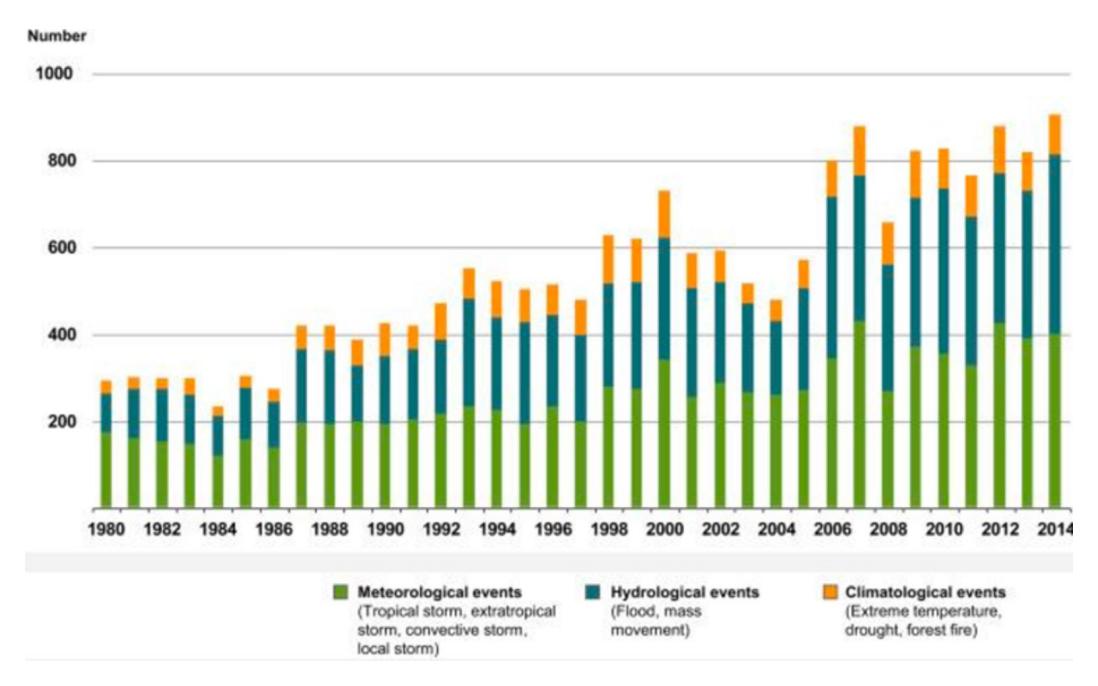
Figure 1 The frequency of natural disasters caused by climate change has increased from 1980 to 2014 (Ruslanjari, 2020)
Disaster resilience encompasses community endeavors aimed at lessening the perils of disasters, bolstering readiness, and fostering the ability to withstand the repercussions of catastrophes (Ruslanjari et al., 2020). The interconnection between environmental awareness and disaster resilience is evident, as a robust and sustainable environment serves as a prerequisite for effective disaster resilience. A pivotal strategy to tackle environmental concerns and bolster disaster resilience involves nurturing a community that prioritizes ecological consciousness. In this framework, education takes on a pivotal role as a decisive factor in molding environmentally conscientious conduct (Ismail, 2021). Through education, individuals acquire an appreciation for the environment's significance, grasp ecosystem dynamics, and comprehend the ramifications of human actions on the natural world, particularly within the context of disaster education. Disaster education encompasses insights into various disaster types, their origins, and strategies to diminish their risks and negative consequences. Furthermore, disaster education performs a pivotal function in priming communities for adept disaster responses, encompassing timely evacuations and initial aid for victims (Kemendikbud, 2019). Additionally, it advocates for ecologically sustainable disaster prevention methods, fostering an understanding of ecosystem values and promoting sustainable management of natural resources. Prof. Dr. Muhadjir Effendy, the Coordinating Minister for Human Development and Culture, emphasized during the 2022 National Seminar organized by the National Disaster Management Agency that disaster management and risk reduction are not exclusively governmental responsibilities. Rather, collaboration among academia, the private sector, communities, and media holds paramount importance. By embracing the collaborative framework known as the "Pentahelix," these stakeholders actively participate in minimizing disaster risks and mitigating their impacts. This approach perceives disasters as shared challenges that require the engagement and contribution of all parties for resolution. Consequently, communities must unite to safeguard the environment, bolster disaster resilience, and confront future challenges with greater fortitude. This research initiative is a collaborative venture with the Surabaya City Regional Disaster Management Agency (BPBD). BPBD Surabaya is a government institution tasked with disaster management in the city area. BPBD's responsibilities encompass devising plans, coordinating and executing disaster management activities, conducting disaster education and training, and forging collaborative networks with diverse stakeholders for effective disaster management. BPBD Surabaya forms an integral part of the national disaster management system (BNPB, or the National Disaster Management Agency), with the objective of offering swift, precise, and effective disaster protection and response to the community.
Through focus group discussions between the research team and BPBD, a challenge in disaster education and training was identified, particularly in the context of early childhood. Unlike other age groups that can grasp simulations and demonstrations, disaster mitigation education for Early Childhood Education teacher necessitates tailored learning mediums accommodating cognitive abilities, attention spans, interests, and active participation. Learning tools for teacher must be meticulously designed to cater to the requirements and attributes of young children. According to Law No. 24 of 2007 on disaster management, disaster education commences at an early age, as children within the teacher age bracket (3-6 years) lack the capacity to comprehend and foresee disaster risks, rendering them especially vulnerable. Hence, furnishing disaster education from an early stage equips them with preparedness, reduces vulnerability, familiarizes them with disaster risks, and empowers them to take appropriate measures.
This approach contributes to minimizing the impacts of disasters and safeguarding their future well-being and security, forming the foundation of this research. Among various categories of suitable learning mediums for teacher (Khadijah, 2015)—including illustrated storybooks, educational toys, audio-visual materials, group activities, and interactive digital tools—the research team employed morphological analysis to identify efficient and pertinent solutions. This approach involved combining a matrix outlining the characteristics of teacher learning mediums with BPBD's operational protocols for disaster education and training. The outcomes of the analysis underline the suitability of games as an optimal solution, offering a blend of attributes: 1) adaptability to disaster mitigation contexts and themes, 2) suitability for group engagement, 3) accessibility without reliance on electronic gadgets, and 4) straightforward distribution channels.
Figure 2 The role of research findings in attaining the Sustainable Development Goals (UN, 2023)
In accordance with the Sustainable Development Goals (SDGs), early childhood disaster education plays a role in attaining goal number 4 (ensuring quality education) and goal number 13 (promoting climate action). Firstly, SDG target number 4 encompasses the objective of enhancing the quality of education and ensuring equal access for all. Early childhood disaster education can aid in achieving this goal by providing equitable access and instruction to children from all backgrounds, especially young children, about how to deal with disasters. Such instruction can increase their awareness and prepare them to face disasters. Secondly, target number 13 relates to climate action. During the period from 2005 to 2015, over 78% of disaster events were hydro-meteorological in nature, involving extreme weather events caused by climate change (Rosyida et al., 2015).
Early childhood disaster education provides content related to climate change awareness and disaster risk reduction, where children are expected to become more conscious of their responsibility in preserving the environment. It equips them with knowledge about disaster risks associated with climate change, such as floods, droughts, storms, and others. Furthermore, the efforts in implementing disaster education in early childhood education units are realized by integrating disaster education content into the learning
activities or play activities conducted in early childhood education units or institutions (Mujiburrahman, 2020).The primary objective of this research is to furnish easily understandable disaster education materials for young children through interactive books. The anticipated outcomes of this research are to foster awareness and skills among young children for effectively addressing disasters. Simultaneously, it aims to instigate social change within communities, prompting a shift toward prioritizing disaster mitigation endeavors. This collective effort is poised to curtail the impact of disasters on both young children and the broader community.
Method
This research employs the research and development (R&D) methodology, as it aims to create a specific product and assess its effectiveness (Okpatrioka, 2023). The developmental model for educational media focusing on disaster preparedness for young children employs a design thinking approach. Design thinking is employed for the following reasons: 1) To aid in comprehending the needs, desires, and cognitive characteristics of young children so that the designed media is aligned with their level of comprehension and receptivity; 2) Solution-oriented design: this helps designers come up with new, creative ways to teach young children about disasters in a way that is both interesting and interactive; 3) Stakeholder involvement: teachers, government agencies, and even parents can be involved in the process of designing disaster education media; 4) Evaluating design outcomes by getting feedback from kids, teachers, and media experts to make the design better fit the needs of users. Through design thinking, product development can be executed with systematic steps, ranging from needs analysis to final evaluation. Here is an explanation of the stages in the development process for design thinking (Tschimmel, 2012):
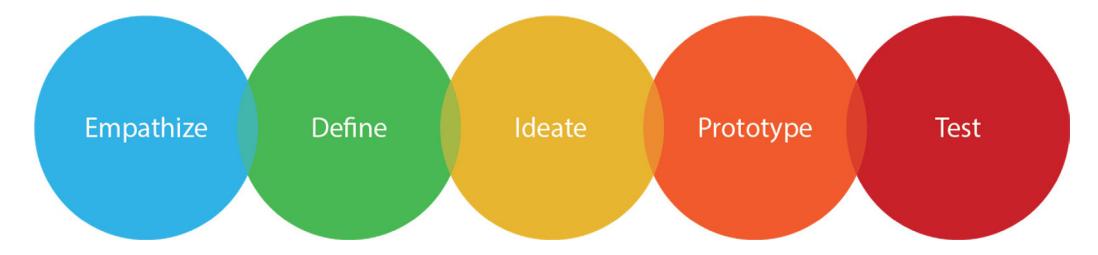
Figure 3 The Design Thinking Model of the Hasso-Plattner-Institute (Tschimmel, 2012)
Empathize
This phase represents an effort to comprehend the challenges within disaster education for young children. It is executed through observations of early childhood education participants, interviews with early childhood teachers, conducting Focus Group Discussions (FGD) with the Surabaya City Regional Disaster Management Agency (BPBD), surveys, and analysis of literature sources. During this phase, information was gathered on 1) how young children use different learning media based on their age, 2) how the disaster education system is put into place in Early Childhood Education units, 3) how the local government puts disaster education into place in disaster preparedness units, including which types of disasters are most likely to happen in the Surabaya City area, 4) what kinds of visual media young children like, and 5) disaster education content and how it fits into the Early Childhood Education curriculum.
Define
Finally, the data from the previous stage is analyzed using the fishbone analysis model (also known as a cause and effect diagram) to show how the different causes, challenges, or chances for growth in the next stages are connected.
Ideate
The "Ideate" phase elaborates on the stages of selecting ideas, solutions, or concepts that have the potential to address the challenges or issues defined earlier. We achieve this through brainstorming, modeling, drawing or sketching, and morphological matrix analysis. The primary objective of this phase is to generate various options that can subsequently be evaluated and chosen for further development in the subsequent stage.
Prototype
This phase is a design process aimed at developing physical or visual representations of the ideas generated in the "Ideate" phase, creating forms that can be touched, seen, and evaluated by both researchers and users in the subsequent stages. Prototyping is valuable for identifying potential weaknesses or shortcomings before the final product is created, including considerations of materials, cost-effectiveness, production feasibility, and other factors.
Test
The final stage in design thinking is testing and evaluation, which is a pivotal step to verify if the proposed solutions can function as intended and meet user needs. Therefore, before implementing the solutions on a larger scale, this phase assists in identifying potential issues or shortcomings. Testing is conducted through various methods, including observation of young children, functional testing with the Surabaya City Regional Disaster Management Agency (BPBD) responsible for disaster education at the governmental level, and using a four-category rating scale (highly suitable, suitable, moderately suitable, and less suitable) for early childhood teachers. Media experts validate the solutions using a media suitability instrument.
| Percentage | Criteria | Description |
|---|---|---|
| 81 % – 100 % | Excellent | Highly Needed / Highly Suitable |
| 61 % – 80 % | Good | Needed / Suitable |
| 41 % – 60 % | Fair | Moderately Needed / Moderately Suitable |
| 21 % – 40 % | Poor | Less Needed / Less Suitable |
| 0 % – 20 % | Very Poor | Very Less Needed / Very Less Suitable |
Table I Product Feasibility Level
The combined validation of the Surabaya City Regional Disaster Management Agency (BPBD) and media experts is determined using the following formula (Sugiyono, 2015):
\[Kgab = \frac{\sum k}{N} \times 100\%\]
Description:
Kgab : Combined feasibility ∑k : Total percentage obtained N : Number of respondents
Meanwhile, the validation using questionnaires for early childhood teachers is determined using the following formula [10]:
\[K = \frac{Tse}{Tsh} \times 100\%\]
Description:
K : Product Feasibility Percentage Tse : Total empirical score obtained
Tsh : Total maximum score
Results and Discussion
The design of interactive books to enhance early childhood disaster awareness is executed in accordance with the procedural steps of the design thinking development model (empathize, define, ideate, prototype, and test). The following is an explanation of the methods applied.
Empathize
As outlined in Law Number 24 of 2007 pertaining to disaster management, a disaster is defined as an occurrence that leads to detrimental effects on the environment, destruction of property, and disruptions across various dimensions, including societal, economic, and environmental spheres. These adverse impacts stem from a combination of both natural forces and human actions (UGM, 2020).
Disaster Priority Area of Surabaya
Based on research findings, the prioritized types of disasters in the Surabaya area that impact young children are floods, earthquakes, building fires, and extreme weather. These results were obtained through literature analysis, risk assessment (BNPB, 2019), and consultations with relevant parties such as the Surabaya City Regional Disaster Management Agency (BPBD Surabaya). Floods are the most frequent disaster occurrences in Surabaya. Apart from causing many casualties to evacuate, flood incidents in Surabaya have also caused minor damage to 114 housing units and inundated 968 other units during the flooding events. Furthermore, according to risk assessment results, Surabaya City has a high risk level and requires priority in managing all types of disasters, especially those with widespread impact such as earthquakes and extreme weather, particularly tornadoes, with 7 incidents in the past 10 years resulting in 2 fatalities and damage to 110 residential buildings and 1 educational facility. Another priority disaster due to natural and human factors involving young children as vulnerable victims is building fires; in just a one-year period in 2022, there were 144 recorded fire incidents (Surabaya City Government, 2022).
Early Childhood Disaster Education Curriculum
Early Childhood Education (ECE) plays a highly crucial role in shaping the foundational growth and development of children in Indonesia. Currently, the implementation of ECE is guided by the 2013 ECE Curriculum, which has been issued by the government based on Ministerial Regulation Number 146 of 2014 (Kemendikbud, 2019). This curriculum holds a central role in ensuring quality and equitable education for children across Indonesia. The 2013 ECE Curriculum serves as a foundation that encompasses various aspects of child learning and development, including cognitive, social, emotional, and motor skills. However, despite providing essential guidelines, it remains a general framework. Each ECE institution faces unique challenges and different potentials. Therefore, it is important for each ECE unit to develop an operational curriculum. This operational curriculum is not merely an elaboration of the national curriculum but also a reflection of the institution's identity, values, and local potential. In doing so, a collaborative approach involving local stakeholders such as families, communities, and cultural figures can contribute to creating a more relevant curriculum.
Disaster Education in ECE Units
The purpose of disaster education in ECE units aligns with the objectives set forth by the 2013 Early Childhood Education Curriculum, while also referencing efforts to provide knowledge, understanding, and skills related to disaster risk management to young children. Disaster education in ECE units aims to raise awareness among children about potential disaster risks that could occur in their surroundings, such as earthquakes, floods, fires, and the like. Through age-appropriate approaches, children are introduced to the fundamental concepts of disasters, simple preventive actions, and preparedness for emergency situations. The primary goal of this education is to cultivate responsive and safety-conscious behaviors while imparting fundamental knowledge that children can employ to effectively respond when facing disaster threats.
Disaster Education Content for ECE
The resilience that children possess will help them be prepared to face disasters and minimize their impact (Sewi, 2022). Based on the framework of priority disaster types in the Surabaya region outlined in the previous subsection, there are four disasters that encompass floods, earthquakes, building fires, and extreme weather. Floods refer to conditions where a significant portion of normally dry land becomes submerged in water. Floods fall under the category of the most commonly occurring natural disasters. Several contributing factors to flooding include 1) prolonged and intense rainfall over the course of several days; 2) inadequate waste management; 3) incompatibility or deviation from urban planning, particularly concerning the reduction of water infiltration areas or green spaces due to expanding settlements or industries; and 4) decreased vegetation such as trees and plants, leading to diminished water absorption areas. We need to exercise caution during floods, particularly because of the potential for disease outbreaks. One of these is diarrheal diseases, often caused by unhygienic water and food. Additionally, diseases transmitted by mosquitoes can proliferate swiftly due to stagnant water becoming breeding grounds for mosquito larvae and insects (Kemendikbud, 2019).
Earthquakes occur due to the interaction between tectonic plates beneath the Earth's surface. This friction generates tremendous energy that propagates to the surface and commonly results in serious damage to various infrastructures like houses, roads, bridges, and power poles. We can outline emergency actions during and after an earthquake as follows (Kemendikbud, 2019). When an earthquake occurs indoors, promptly seek refuge in safe places such as under sturdy tables or in building corners. After the shaking stops, remain vigilant for aftershocks and check for potential fires or fire-related disasters. During evacuation, avoid hazardous objects. Go outdoors, find open areas that are far from electrical installations and water sources, and avoid landslide-prone areas. In vehicles, pull over to the side of the road, avoid intersections, and follow instructions from authorized personnel through communication devices. In the event of a tsunami warning following an earthquake, immediately evacuate to high places such as hills or tall buildings. Post-earthquakes continue to be cautious of aftershocks, evacuate from buildings after the shaking stops, check for potential fires, and avoid landslide-prone areas. If in a vehicle, remain inside of it and avoid bridges or traffic signs.
Early Childhood
Cognitive development in early childhood refers to the process of developing thinking, understanding, and information processing abilities within their minds (Kemendikbud, 2020). This cognitive development is influenced by genetic factors, the environment, social interactions, and the stimulation received by the child.
Cognitive Development Based on Age Groups
Here is an overview of cognitive development based on age groups in early childhood. During early childhood, children begin to use more complex sentences and become better at expressing their thoughts and feelings in terms of language and communication. Their speaking and language comprehension abilities improved. They can follow more intricate instructions and engage in deeper conversations. Secondly, children's imagination further develops through imaginative play and role-playing. They enjoy engaging in role-playing and imagining themselves as various characters or situations. Role-playing helps children develop an understanding of social roles, hone their creativity, and help them comprehend the world around them.
Thirdly, children begin to understand fundamental concepts such as colors, shapes, sizes, and numbers. They can also identify relationships between objects and comprehend the sequence of time (morning, afternoon, and night). Fourthly, simple problem-solving. Children aged 3 to 6 begin developing basic problem-solving skills. They can face small situations and seek solutions. This problem-solving often involves trial and error, which helps them to understand the concept of cause and effect. Fifthly, moral and social understanding is where children start developing an understanding of social norms and basic moral values. They can distinguish between right and wrong actions, although their understanding is still simple. Sixthly, early exposure to mathematical and alphabetical concepts allows young children to familiarize themselves with numbers and letters in a more concrete manner. They can count in limited amounts and may recognize a few letters. Lastly, children tend to become keen observers of the world around them through observation and reasoning. They ask numerous questions and seek explanations for things they see. Although their reasoning is still concrete, they begin developing skills to connect different pieces of information.
Early Childhood Understanding Level of Disasters
The questionnaire results show that early childhood children (aged 3-6 years) have a low level of understanding about disasters, which needs to be seriously addressed in educational efforts and awareness enhancement. Several points in the provided data warrant further elaboration. Firstly, the lack of understanding about disaster events is highlighted, where more than half of the participants in the early childhood group (63% or 126 children) do not fully comprehend what is meant by disaster events. This finding reflects that the basic concept of disasters still requires further understanding. It is important to introduce the concept of disasters in a child-friendly manner, such as using stories or images that are appropriate for their developmental level. Secondly, the understanding of examples of natural disasters is still low. From the obtained data, only 42% or 84 children were able to provide a few examples of natural disasters such as earthquakes, floods, fires, and extreme weather. This finding indicates that some children have recognized common types of disasters that occur around them. However, there is still room to expand their knowledge about other types of disasters. Thirdly, the knowledge about emergency actions is still limited. Only around 19% or 38 out of 200 children were able to answer what should be done in case of a flood, earthquake, fire, and extreme weather. This level of ignorance indicates that the understanding of emergency actions is very restricted. At this age, it is crucial to introduce basic safety steps, such as fleeing to higher ground during a flood, taking cover under a table during an earthquake, or leaving the area during a fire.
Capacity Building of ECE Teachers in Disaster Education
Data from the questionnaire results involving 50 ECE teachers indicate that their disaster knowledge can be considered good based on specific indicators. Here is a further elaboration on the data: 1) Familiarity with Types of Disasters: From the data, 56% of ECE teachers are deemed familiar with the types of disasters that could occur in the surrounding area of the ECE. This finding reflects that the majority of teachers have identified and understood various types of disasters such as earthquakes, floods, fires, extreme
weather, and so forth. Knowledge of these disaster types is crucial for teachers to provide accurate and relevant information to children. 2) Early Warning Signs Identification: Over half of the ECE teachers (72%) know how to identify early warning signs of disasters. This finding indicates that most teachers are capable of recognizing symptoms or signs that might indicate the possibility of a disaster, such as drastic weather changes before extreme weather events, ground vibrations before earthquakes, or rising water levels before floods. The ability to identify these signs is important for providing early warnings to children and the community.
Based on the results of the FGD conducted with the Surabaya ECE units, formulated in the context of enhancing ECE teacher knowledge about disasters, several actions can be taken: 1) Training Material Development: Formulate comprehensive training materials about types of disasters, early warning signs, emergency actions, and safety for young children. These materials should be presented in simple language and accompanied by relevant examples. 2) Interactive Training: Organize interactive training involving discussions, simulations, and case studies. These steps will help teachers understand concepts better and teach them in a more engaging manner for children. 3) Integration into the Curriculum: Integrate disaster education concepts into the ECE curriculum. This phase can involve various activities such as stories, role-playing games, or emergency drills. 4) External Resource Utilization: Invite experts or practitioners in disaster management to provide additional training or seminars to ECE teachers. 5) Evaluation and Ongoing Support: Conduct periodic evaluations of teachers' understanding and provide ongoing support to ensure their knowledge remains up-to-date and relevant.
Standard Operating Procedure of Surabaya Regional Disaster Management Agency for Disaster Education in Early Childhood
The Standard Operating Procedure (SOP) of Surabaya City Regional Disaster Management Agency (BPBD) for early childhood disaster education refers to the guidelines and steps established by BPBD of Surabaya to integrate disaster education into the early childhood education (ECE) program in the city. Based on interviews with the Head of the Prevention and Preparedness Division, here is the standard operational procedure of BPBD of Surabaya for implementing early childhood disaster education:
Setting Objectives and Goals: The SOP of BPBD of Surabaya in early childhood disaster education begins with setting objectives and goals. These goals may include increasing children's awareness of disasters, teaching emergency actions, and building their preparedness to face emergency situations.·
Curriculum Development: The next step involves developing curriculum materials that are suitable for the developmental level of young children. These materials should be engaging and interactive, using stories, images, songs, and games that facilitate children's understanding of disasters.·
Child-Friendly Approach: This SOP will emphasize the importance of using a child-friendly approach in teaching about disasters. We will teach educators how to speak and interact with children in a way that is not frightening or overly anxious.·
Training for ECE Teachers: BPBD of Surabaya will provide training to ECE teachers on effective approaches, materials, and teaching methods in early childhood disaster education. This training will help teachers to understand how to convey information about disasters appropriately.
Integration into the Curriculum: The SOP will explain how disaster education will be integrated into the ECE curriculum. The process could include embedding disaster-related content into daily activities, holding special sessions on disasters, or organizing evacuation drills.·
Activity Implementation: ECE teachers will conduct activities according to the established guidelines. This process includes teaching disaster-related content, involving children in games or simulations, and conducting emergency drills.·
Monitoring and Evaluation: BPBD will monitor and evaluate the implementation of the disaster education program in ECE. The results will help to identify successes and areas for improvement in the approach and teaching materials.
Parent Involvement: The SOP can emphasize the importance of involving parents in early childhood disaster education. Parents can be provided with information on how to support disaster education at home.
Documentation and Reporting: BPBD will document the program's implementation, evaluation results, and achievements. This report can serve as a reference for improvements and enhancements to the program in the future.
The standard operating procedure of the Surabaya regional disaster management agency for disaster education in early childhood is a crucial step to ensure that young children acquire the knowledge and skills needed to wisely oversee emergency situations. With these guidelines in place, it is expected that disaster education can be well-integrated into the teacher curriculum, providing real benefits for the safety of children and the community as a whole.
Define
In this research, we use the Fishbone diagram to identify the root causes of the research problem. In this context, we will use the Fishbone diagram to identify media for educating young children about disasters, which includes three categories: people, products, and process policies. Here are the results of the analysis using the Fishbone diagram:
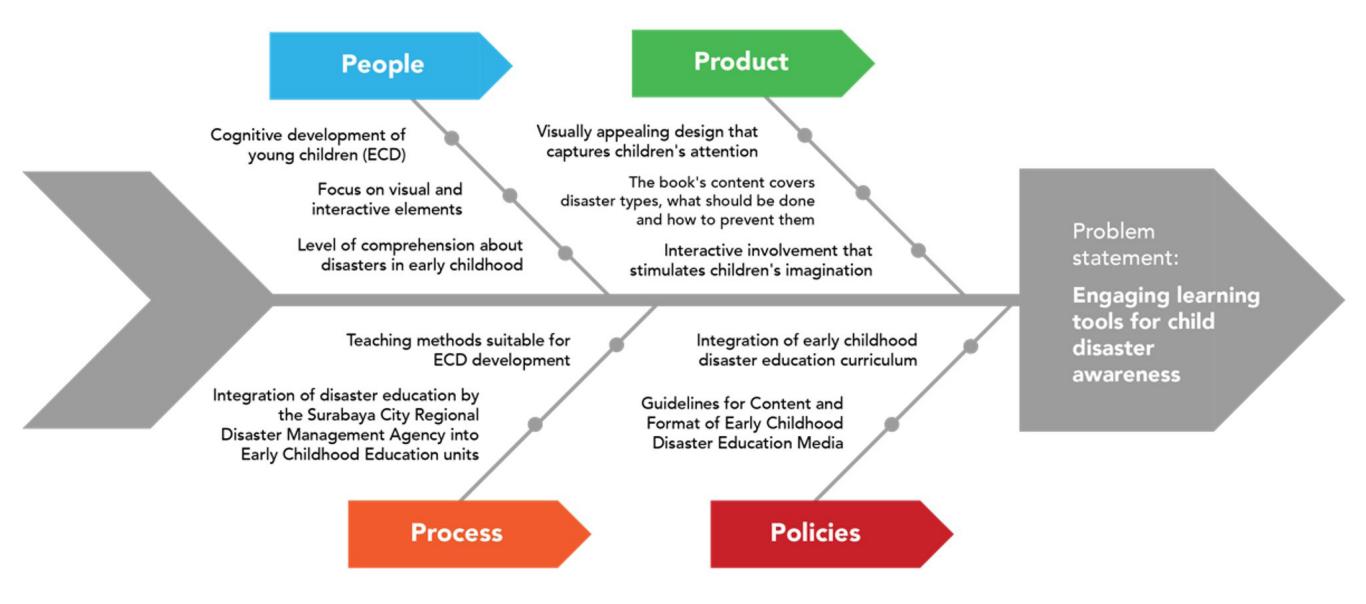
Figure 4 Fish bone diagram Source: Author Data (2024)
Ideate
The "Ideate" process in designing an interactive book as a media for early childhood disaster education is a stage where the research team generates a number of creative ideas for content, format, interactions, and other elements based on data analysis and brainstorming with relevant stakeholders.
Interactive Book
The interactive book then implements these ideas. The interactive book, designed for children aged 3-6, incorporates the following concepts: 1) Book size: 17 x 17 cm, with rounded corners. We chose this size based on user preferences, production costs, and the surface area of the material. 2) Material: 3 sheets of ivory paper that provide adequate structural strength to prevent tearing and food-grade materials that are non-toxic and safe for children. 3) Number of pages: 8–16 pages. 4) Image proportion: 90%. 5) Font type: Sans-serif (Ghozalli, 2020). Here are the interactions within the book designed for this research.
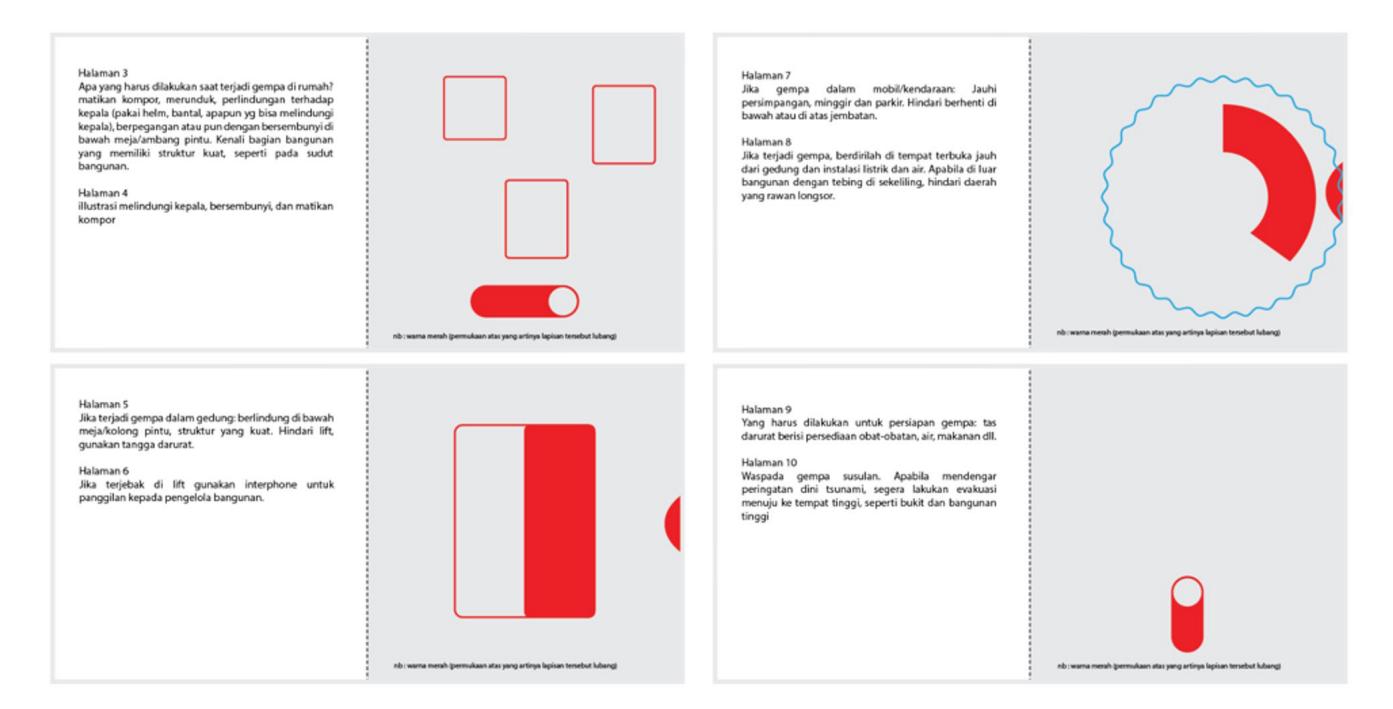
Figure 5 Interactions within the book Source: Data Processed by Author (2024)
Illustration Style for Children's Books
In the context of children's books, the use of color, texture, and line expressions has a significant impact on how children respond to stories, understand character emotions, and interact with illustrations. The use of color, texture, and lines in children's book illustrations is not merely a visual aspect but also a language that helps to convey the message and atmosphere of the story (Hana, 2014). Observation results indicate that children are often drawn to bright and vibrant colors in images. Colors like red, yellow, and bright green have a strong appeal to children, encouraging them to be more interested and engaged with the book's pages. This aligns with the characteristics of early childhood, which are filled with energy and enthusiasm for attention-grabbing things. However, observations also show that children's books often use softer colors like light blue to depict backgrounds or specific atmospheres. Light blue, often associated with calmness and tranquility, can create a suitable backdrop for the story, providing a comfortable feeling and inviting children's imagination to peacefully ponder the book's pages.
Observation results also indicate that the textures and line expressions most frequently found in children's illustrations are uneven textures and lines, such as crayon strokes (68%, or 136 out of 200 children). Crayons are the most commonly used coloring tool by children, followed by markers (17%) and colored pencils (15%). When dealing with themes of disasters in children's books, the selection of color, texture, and line expression combinations becomes even more crucial. Disasters are often associated with grim or sad situations, and the appropriate use of colors can help convey these feelings
without intimidating or disturbing children's emotions. In this regard, a balanced approach between using attention-grabbing bright colors and soft colors that reflect the story's atmosphere can create visuals that blend emotional nuances with aesthetic appeal.
Prototype
Storyboard design starts with creating rough sketches in the form of thumbnail storyboards. Figure 6a and 6b are thumbnail storyboards using a 10-page template with minimal anatomy.
Thumbnail Storyboard
Figure 6a Thumbnail Storyboard Source: Author Sketch (2024)
Sketch
From the thumbnail storyboard, the next step is to translate it into a more detailed sketch. Here is the sketch that has been worked on during the prototyping phase.
Figure 6b Detailed Sketch Source: Author Sketch (2024)
Illustration
The illustration coloring process is conducted using the Procreate software. A combination of color palettes that match the tone of the story or desired atmosphere is used. By employing various coloring tools like digital brushes, pens, and various blending techniques, the illustration is crafted to have dimension, texture, and depth. The final outcome of this process can be seen in Figure 7.
Figure 7 Illustration of the Interactive Book Source: Author Illustration (2024)
Finishing
Figure 8 Finishing Source: Author Illustration (2024)
During this phase, the following activities are conducted:
• Text Layout: Story text, dialogue, or narration is typically positioned around the illustrations. Effective text layout helps to guide readers through the story without disrupting visualization.
- • Page Design: Page design encompasses how illustrations, text, and other elements are placed on the page. This ensures a balanced and aesthetic appearance.
- • Print Preparation: The finishing stage also involves preparing files for printing, including adjusting colors appropriately and formatting them according to printing specifications.
Test
The results of product testing with young children indicate highly positive outcomes. Out of 50 children involved in the trial, as many as 78% showed a significant improvement in their understanding of various aspects related to disasters.
Testing Conducted on Early Childhood Individuals within The Age Range of 3 to 6 Years
In this context, the children's comprehension of different types of disasters increased. They were able to identify and comprehend various types of disasters, including natural disasters such as floods, earthquakes, and extreme weather, as well as other disasters like fires. Furthermore, the children also gained a deeper understanding of actions to take or avoid in disaster situations. They possessed knowledge of proper self-rescue measures in various disaster scenarios, such as evacuating buildings during earthquakes or avoiding waterlogged areas during floods. Moreover, the trial results indicated that the children also grasped the importance of disaster prevention efforts. They started developing an awareness of how simple actions like maintaining environmental cleanliness or refraining from littering can help reduce disaster risks. The evidence demonstrates that through the interactive book, children are not only learning about disaster responses but are also internalizing the values of prevention and preparedness in their daily lives.
Testing with Early Childhood Teachers, Surabaya Disaster Management Agency, and Media Experts.
The Surabaya City Disaster Management Agency (BPBD) and media experts helped test the product. The results show that the interactive book got a score of 79.5% when all of its indicators were looked at by the BPBD of Surabaya and media experts. This percentage falls within the category of excellent, accompanied by the note that the produced media has a remarkably high level of significance. Therefore, experts deem this media suitable for adoption in the disaster education process for children aged 3-6 years, with a particular focus on disaster awareness. On the other hand, the assessment by subject matter experts resulted in a percentage score of 83.2%. This percentage falls into the category of excellent as well and is also accompanied by an emphasis on the remarkably high need. Therefore, we can conclude that the interactive book is suitable for enhancing disaster awareness among children aged 3-6 years. In addition to receiving assessments from BPBD of Surabaya and media experts, the validity of the disaster education interactive book also relies on data from surveys conducted through questionnaires among Early Childhood Education (ECE) teachers in Surabaya. This survey reflects the views and experiences of educators who are at the forefront of the children's education process. The results of the survey show a highly convincing figure, where as many as 85.5% of respondents stated that the guidebook has proven to be effective. This figure reflects strong support from ECE teachers for the use of the guidebook as a tool in efforts to enhance disaster awareness. The acknowledged effectiveness by the majority of respondents indicates that the guidebook is capable of positively influencing the learning process and understanding of children regarding crucial concepts in early childhood disaster education. The teachers state that the guidebook successfully delivers important messages to children in an interactive and engaging manner.
Conclusion
Through the implementation of the R&D approach, this study effectively presented an interactive instructional manual aimed at children in the 3–6 year old age range attending preschool. The manual
aided them in recognizing different forms of disasters, comprehending appropriate or cautioned steps in times of emergencies, and acquiring knowledge about preventive measures. The research results indicate that this interactive design approach has a significant positive impact. As many as 79.5% of the preschool children showed an improvement in understanding after using this guidebook. These findings underscore the potential of the interactive approach to encourage the active participation of children in the learning process and enhance their comprehension of disaster mitigation. The research validity is reinforced by support from two distinct expert groups, namely the Surabaya City Disaster Management Agency (BPBD) and media experts, both showing an effectiveness rate of 79.5%. This support confirms that the interactive design approach of the guidebook effectively and relevantly conveys disaster mitigation messages to children. Furthermore, strong support also comes from preschool teachers, with 85.5% of them stating that the guidebook is effective in supporting disaster mitigation education in the classroom. Overall, this research provides a clear overview of the positive contribution of the interactive design approach in guidebooks to enhance early childhood awareness of disaster mitigation. These results emphasize the importance of creative and interactive approaches in educating children about safety and preparedness in the face of disasters.