

INFO ARTIKEL
Kata kunci:
pembelian pelanggan, hotel ramah lingkungan, pariwisata, TPB (teori perilaku terencana)
ABSTRAK
Hotel ramah lingkungan adalah salah satu produk dari pariwisata berkelanjutan. Teori perilaku terencana (TPB) dapat menjadi pendekatan yang efektif untuk memahami perilaku konsumen, termasuk preferensi wisatawan untuk pilihan yang ramah lingkungan. Dengan meneliti aspek psikologis sosial, TPB membantu memprediksi niat wisatawan, seperti keputusan untuk mengunjungi destinasi hijau atau bermalam di hotel ramah lingkungan. Penelitian ini bertujuan untuk mengamati perilaku konsumen dalam ketertarikan mereka menetap di hotel ramah lingkungan melalui teori perilaku yang direncanakan (TPB). Studi ini berfokus pada pengujian variabel sikap, norma subjektif dan kontrol perilaku yang dirasakan terhadap niat pembelian pelanggan. Pengumpulan data dilakukan melalui kuesioner yang dianalisis dengan menggunakan SEM-PLS untuk menentukan hubungan kausal antara variabel laten dalam persamaan struktural. Sampel penelitian ini terdiri atas 121 orang yang pernah atau sedang menginap di hotel Hyatt Regency Yogyakarta. Hasil penelitian menunjukkan terdapat pengaruh yang signifikan antara sikap, norma subjektif, dan kontrol perilaku yang dirasakan terhadap niat pembelian pelanggan dalam memilih hotel yang ramah lingkungan.
Introduction
Sustainable tourism has become more prominent as environmental consciousness has grown, particularly following the COVID-19 pandemic, which profoundly impacted various sectors, including tourism (Febriasari & Dharmmesta, 2020; Pahrudin et al., 2021). This sentiment resonated strongly as countries began recovering from the Covid-19 pandemic, which had a tremendous impact on economic conditions, especially in the economic, health, environmental, socio-cultural, education, and tourism sectors (Pahrudin et al., 2021). UNWTO defines sustainable tourism as an approach that meets tourists' needs while preserving culture, environment, and biodiversity for future generations (Bosio & Bottrill, 2016).
One of the impacts of sustainable tourism development is the emergence of green hotels as providers of sustainable tourism accommodation facilities. According to the Green Hotel Association (2014), the concept of a green hotel is an environmentally friendly property and helps protect the environment by saving air and energy programs, as well as reducing solid waste (Bosio & Bottrill, 2016). The Hyatt Regency Hotel in Yogyakarta is one of the hotels that carries the concept of a green hotel. This fivestar hotel has consistently and seriously focused on implementing the green concept in hotels and their activities. This focus on sustainability has yielded satisfying results, as the Hyatt Regency Hotel Yogyakarta won first place in both Indonesia and ASEAN for the Green Hotel Award during the periods of 2014-2016 and 2018-2020.
Regarding green hotel occupancy, global and national-scale social restrictions during the pandemic period are indeed becoming a tough challenge for the tourism industry. The average occupancy rate for hotel rooms in Yogyakarta throughout 2020 is estimated to decrease by around 23.98% (The Ministry of Tourism and Creative Economy, 2021). This makes the hotel industry in Yogyakarta more motivated to rise from adversity. Likewise, with Hyatt Regency Hotel Yogyakarta, starting in 2019, this green hotel did experience a sharp decline in its occupancy rate from 62% to 29%, but throughout 2021, there was a significant increase to 39% (PT Jakarta Setiabudi International Tbk, 2020; PT. Jakarta Setiabudi International Tbk, 2021). Therefore, at the beginning of 2022, the tourism industry, especially in the hospitality sector, must win back its glory and rise from adversity.
One strategy for recovery is to incorporate the green concept into the marketing approach. However, before developing a strategy, it is better for the government or the tourism business actors to conduct marketing research with appropriate approaches. One approach used to determine consumer behavior is the theory of planned behavior (TPB). This theory is widely used in all fields, one of which is tourism. TPB studies and looks at a person's sociopsychology to predict their intentions or behavior. For example, the intention or decision of tourists in choosing or visiting a tourist destination (Kim & Hwang, 2020) or a green hotel is influenced by attitudes and behavior, which means the concept of this attitude (Suki & Suki, 2015). This is what makes this research especially important to do to see how consumers behave towards businesses that carry green or environmentally friendly concepts as their products or services. The objective of this study is to analyze the implementation of the theory of planned behavior in customer purchase intentions.
One important factor in business success is selling products or services, and in terms of developing this factor, it is necessary to pay attention to consumer desires to shop (Bashir et al., 2019), regarding the environment, it is overly complex (Sarmento & Loureiro, 2021). Assuming that consumers are green, buying choices are going to be impacted by developing mindfulness and patterns of maintainable utilization (Muduli et al., 2020). Environmental challenges will make consumers more aware of the situation and will show a greater desire to buy products or services from environmentally friendly companies. Sagheb et al. (2020) determine 3 (three) main classes of factors that influence consumers to shop, namely intrinsic, extrinsic, and consumer attitudes. Intrinsic factors consist of perceived quality, perceived risk, and perceived value. Extrinsic factors include price, advertising, packaging, and images. Meanwhile, consumer attitudes focus on trust, familiarity, and perceptions of the economic situation.
Currently, many studies on green marketing in Indonesia continue to employ a comprehensive approach to understand the various factors that influence consumer interest in environmental preservation, particularly regarding green hotels (Febriasari & Dharmmesta, 2020). One of the theoretical approaches used is the theory of planned behavior (TPB). It is a theory that explains a person's behavior in relation to their interest or intention to do an act (Pahrudin et al., 2021). The theory is a development of the theory of reasoned action (TRA). In TRA, a person's intention to perform certain actions is influenced by two things, namely subjective norms and attitudes toward behavior (Fishbein & Ajzen, 1975). However, Ajzen (2005) adds one more factor, namely behavioral control, which converts TRA into TPB. In TPB, attitudes towards behavior are crucial because they can predict actions; therefore, these attitudes must be considered when testing subjective norms and managing an individual's perceptual behavior. If someone has a positive attitude, gets support from the people around him, and there is a perception of ease in doing something, then their intention to behave will be higher (Ajzen, 2005).
Attitudes toward behavior are a learned propensity against a certain target or action, notwithstanding whether it is positive or negative (Kim & Ha, 2022). Yeh et al. (2021) defined attitude as determined by an individual's conviction that performing certain activities can have an advantageous result. A person with a positive attitude toward an action will have the intention or interest to engage in that behavior. This is because the view of behavior is influenced by a behavioral belief). This belief is divided into two categories: belief in strength and outcome evaluation. This behavioral concept is said to have a direct influence on a person's will or intention to behave, which is then affiliated with perceived behavioral control and subjective norms (Ajzen, 2005). Previous research has concluded that a friendly attitude is an important factor that can influence consumers' intentions not only to stay but also to promote it and be willing to pay more to be involved in activities that can save the environment conducted by green hotels (Han et al., 2020). The hotel's increased attention to and care for the environment will affect consumer interest in staying (Suki & Suki, 2015). Therefore, based on the previous literature, a hypothesis was formed:
H1: Attitudes toward behavior have a significant influence on consumers' intentions to stay at green hotels.
The next variable is a subjective norm. According to Ajzen (2005), subjective norms are perceived as social environment opinions regarding the performance of behavior. Meanwhile, according to Pahrudin et al. (2021), subjective norm is a personal concept that is seen in a social context to do or not to do an action in a behavioral context. Opinions from the social environment, such as opinions from family, friends, relatives, and close people, can influence a person's pressure to behave, which indirectly also affects consumer attitudes. According to Teng et al. (2018), there is a clear relationship between subjective norms and consumer attitudes toward green hotels. The same thing was also stated by Han et al. (2020), who specifically stated that subjective norms positively played an important role in consumers' decisions to stay in green hotels. Therefore, the researcher formed the hypothesis:
H2: Subjective norms have a significant influence on consumers' intentions to stay at green hotels.
Another variable that affects a person's intention or intention to behave is perceived behavioral control (Kim & Hwang, 2020). This variable is a non-intentional factor that depends on personal perceptions and individual abilities in conducting an activity related to behavior (Pahrudin et al., 2021). The concept of TPB has been empirically proven, where a person's positive attitude towards an action plus social pressure and feeling one's ability to act has a positive influence on one's intentions to behave (Ajzen, 2005; Yeh et al., 2021). Behavioral control related to this research is how many resources consumers are willing to spend to stay at green hotels (Suki & Suki, 2015). Several studies have shown that this behavioral control significantly affects consumers' intentions to stay in green hotels (Pahrudin et al., 2021; Suki & Suki, 2015). Therefore, the hypothesis is as follow.
H3: Perceived behavioral control has a significant effect on consumers' intention to stay at a green hotel.
Method
The unit of analysis for this research is consumers who are or have stayed overnight at the Hyatt Regency Hotel Yogyakarta. The nature of the research is an explanatory study or a hypothesis-testing study that describes each research variable using a quantitative approach. The study collected primary data using a Likert questionnaire to address the hypothesis and research framework. Before testing the hypothesis, the researcher tested the validity and reliability of the quality of the indicators or questionnaire questions. Questionnaires were sent randomly to consumers who had visited or stayed at Hyatt Hotel Yogyakarta, with a minimum age of 17 years. The analysis of the research data utilized smart partial least square (Smart-PLS) to determine the causal relationships between latent variables in the structural equation, based on a sample of 121 individuals who had stayed at Hyatt Regency Hotel Yogyakarta.
Results and Discussion
The first sheet of the questionnaire provides demographic information about consumers, including their gender, age, highest level of education, income, and occupation. Based on the data obtained, men (63%) spend time in green hotels more often than women. The average age of the respondents ranged from 25 to 34 years (43%). Most of the respondents' last education was a bachelor's degree (39%). The range of their income is mostly Rp.5.000.000 - Rp.10.000.000 (33%), while the respondents' occupation is dominated by civil servants (34%).
The model, or outer model, which uses reflective indicators, is evaluated based on the convergent and discriminant validity of the indicators as well as the composite reliability for the indicator blocks (Chin, 1998). The initial model of this research starts from the customer purchase intention, which consists of three variables, namely attitudes towards behavior, subjective norms, and perceived behavioral control.
Attitude toward behavior, which is the X1 variable, is measured by 3 reflective indicators; subjective norm (X2 variable) is measured by 3 reflective indicators; perceived behavior control (X3) is measured by 4 reflective indicators; and customer purchase intention (Y variable) is measured by 3 reflective indicators. After evaluating the measurement model, the indicators used are not entirely valid and reliable. So that the appropriate structural model for this research is obtained, which is shown in the following figure:
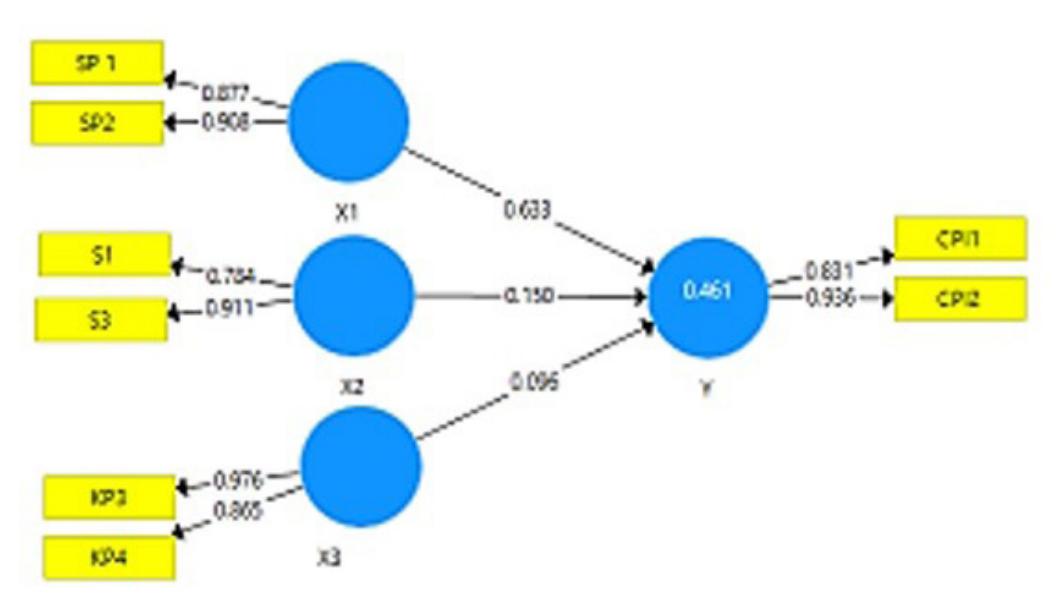
Figure 1 Research Model Design (Sources: data processed, 2024)
Cross Loading
Cross-loading is a construct correlation with measurement items larger than other construct sizes; then it shows that latent constructs predict their block size better than other block sizes (Chin, 1998). The test results from cross-loading can be seen in Table I.
Table I Output Cross Loading
| Customer Purchase Intention | Attitude | Perceived Behavioral Control | Subjective Norm |
|---|---|---|---|
| 0.831 | |||
| 0.936 | |||
| 0.877 | |||
| 0.908 | |||
| 0.784 | |||
| 0.911 | |||
| 0.976 | |||
| 0.865 | |||
| Intention 0.877 | Intention Attitude 0.831 0.936 0.877 | | Intention | Attitude | Behavioral Control | | |
Source: data processed, 2024
The cross-loading table shows the correlation of each indicator with its corresponding latent variable and how these variables correlate with the other constructs in the model. In the context of PLS-SEM, this analysis is inherently important for assessing the validity of discriminatory capabilities. As shown in the table, indicators such as CPI1 and CPI2 burden the components of the customer's purchase intent (0.831 and 0.936), while SP1 and SP2 burden the settings (0.877 and 0.908). Similarly, KP3 and KP show strong associations with perceived behavioral control (0.976 and 0.865), while S1 and S3 are most associated with subjective norms (0.78 and 0.911). Each indicator shows a higher loading than any other indication. The result indicates that there is no significant cross-loading. The result supports the conclusion that the measurement model meets the requirements for differential validity, confirming that the components are conceptually and statistically different. Based on the measurement results, it was observed that all markers were investigated on research factors with a loading factor more noteworthy than 0.70, so it was pronounced critical or met the united legitimacy with a high intelligence measure.
Average Variance Extracted (AVE)
Another method to assess discriminant validity is to compare the value of the square root of the average variance extracted (AVE) of each construct with the correlation between constructs and other constructs in the model. If the AVE square root value of each construct is greater than the correlation value between it and other constructs in the model, then it is said to have a good discriminant validity value (Nitzl, 2016).
Table II contains reliability and convergence visibility test results for the four latent variables. Cronbach's alpha and composite reliability (CR) are used to assess the reliability of internal consistency, while the average variance extracted (AVE) measures convergence validity. The AVE test results show that all variables have a value > 0.50, indicating that each measured indicator can validly reflect its respective variable.
Regarding convergence validity, all variables exhibit AVE values above the minimum threshold of 0.50, indicating that over 50% of the indicator variance is explained by the latent construct. Perceived behavioral control has the highest AVE value (0.851), indicating strong convergence validity. These results confirm that the measurement model has both reliable and valid indicators, thus confirming that it can be used with confidence in further structural model assessments.
Cronbach's Alpha and Composite Reliability
The following assessment of convergent validity evaluates the reliability construct by examining the results of composite reliability or Cronbach's alpha. The criteria are deemed reliable if the value is > 0.70 (Kwong-Wong, 2013). The models are supposed to be reliable, assuming the worth is > 0.70, except for the subjective/norm, but the composite reliability was greater than 0.70.
All variables show acceptable levels of composite reliability and exceed the recommended threshold of 0.70, indicating that the indicators consistently represent their respective constructs. Meanwhile, Cronbach's alpha for most constructs is above 0.70—suggesting good reliability—subjective norm shows a slightly lower alpha value (0.627), which is still acceptable in exploratory research, especially when composite reliability is high (0.838).
Variabel Cronbach's Alpha Composite Reliability Average Variance Extracted (AVE) Attitude 0.745 0.886 0.796 Customer Purchase Intention 0.736 0.878 0.784 Perceived Behavioral Control 0.848 0.919 0.851 Subjective Norm 0.627 0.838 0.722
Tabel II AVE, Cronbach's Alpha and Composite Reliability
Source: Data processed, 2024
Inner Model Evaluation
An inner model is a test by evaluating between latent constructs that have been hypothesized in research while bootstrapping statistical procedures or resampling techniques. Resampling means that respondents are drawn randomly with replacements from the original sample many times until observations are obtained (Chin, 1998). Then we will see how much k strength the dependent exogenous and endogenous variables have in this initial model by looking at the magnitude of the R-square for each endogenous variable. R-square values of 0.75, 0.50, and 0.25 show that Chin's solid, moderate, and feeble model (Nitzl, 2016) also provides criteria for R-square values of 0.67, 0.33, and 0.19 as strong, moderate, and weak (Chin, 1998).
The calculation results explain the relationship between variables that affect the variables in the R-square; the R-square variable customer purchase intention is 0.461, or 46.1%. The model is categorized as moderate. The calculation shows that the R-squared value of customer purchase intent is 0.461. The result means that it can explain approximately 46.1% of differences in customer purchase intent due to predictor variables included in the model. Conversely, the remaining 53.9% is influenced by other factors not recorded in this study. This value indicates the presence of external influences or additional variables that may play a role in the design of purchase intention. The R-squared values in this field are considered moderate explanatory powers in which human decision-making is influenced by a variety of complex factors, particularly in the study of behavior and social sciences. Therefore, models can be considered appropriate predictive capabilities and serve as a solid foundation for further research and improvement.
Table III Output Calculation of R Square
| R Square | R Square Adjusted | ||
|---|---|---|---|
| Customer Purchase Intention | 0.461 | 0.447 | |
Source: data processed, 2024
Significance Testing
To assess the stability of the proposed model, we examined the strength of connections between variables by analyzing the path coefficients (rho). This analysis involved evaluating the O (original sample) values and the statistical T-values, which indicate the significance level of relationships between variables. The significance level was set at a 5% error rate, corresponding to T-values above 1.96.
The value of the T-table for the 95% confidence level (α of 5%) and the degrees of freedom (df) = n-2 = 121 – 2 = 119 is 0.677. It was indicated that results of attitude, subjective norm, and perceived behavioral control have a direct effect on customer purchase intention because the T statistic is greater than the T table, namely 8,748, 1,300, and 1,275, or H1-H3 was accepted.
Original Sample (O) Sample Mean (M) Standard Deviation (STDEV) T Statistics (|O/ STDEV|) Attitude -> Customer Purchase Intention 0.633 0.636 0.072 8.748 Perceived Behavioral Control - > Customer Purchase Intention 0.096 0.103 0.073 1.300 Subjective Norm -> Customer Purchase Intention 0.150 0.154 0.118 1.275
Table IV Confidence Intervals Bias Corrected
Source: Data processed, 2024
In this study, a hypothesis testing process was conducted to examine whether independent variables compliance, subjective norms, and perceived behavioral control have a greater direct effect on customer purchase intentions compared to environmentally friendly hotels. Using the partial least square structural equation model (PLS-SEM), t-statistic values were calculated and compared with table values to determine the importance of all relationships. The confidence level is 95% (α=0.05) and degrees of freedom (DF) = 119 (based on sample size 121), and the corresponding T-table value is 0.677. This value serves as a threshold for evaluating null hypotheses (not showing effects) that support alternative hypotheses (H1, H2, H3), indicating the presence of an effect.
The results indicate that the T-statistic values for all three variables exceed the corresponding table values. In particular, the configuration variables resulted in a T-statistic of 8,748, well above the threshold. This study shows a statistically significant positive effect on customer purchase intent. This supports hypothesis 1 (H1) and confirms that environmentally friendly practices like eco-friendly hotels, satisfaction with sustainability characteristics, and belief in the value of eco-friendly initiatives will increase the customer's potential.
For the subjective standard, the T-statistic is 1,300, which is higher than the critical value of 0.677. This supports hypothesis 2 (H2). This result shows that social influences such as family, friends, and influencer recommendations play a wise role in designing the intentions of customers to spend the night at the Green Hotel. This finding corresponds to the theoretical expectations of the theory of planned behavior (TPB). The result indicates that subjective norms are important predictors of behavioral intention. In the context of a green hotel, customers may feel encouraged or verified by others who encourage environmentally compatible behavior.
The third variable, perceived behavioral control, has a t-statistic of 1.275 and exceeds the T-Table threshold. This confirms hypothesis 3 (H3) and indicates that if they feel safe, the customer will make such a decision at the green hotel and will benefit from the green hotel. This also increases the TPB framework. In this framework, a high sense of behavioral control increases the likelihood of actual action.
Based on research findings regarding the relationship between attitudes, subjective norms, and perceived behavioral control related to customer purchasing intentions, we can conclude that these variables significantly influence consumers' intentions to stay in green hotels. This corresponds to the core principles of the theory of planned action (TPB). The evidence shows that these three psychological factors play a central role in the design of behavioral intentions. The results show that under the components of each indicator without significant coupling loading, each variable is subjected to a large load, indicating that the observed behavior confirms the discriminant validity of the measurement model. Furthermore, this model exhibits excellent internal consistency and convergence validity, indicating that the recommended threshold is 0.70 and the AVE value exceeds 0.50 for all constructions. This provides strong evidence that the display elements are effective in recording the underlying structure.
The R-squared value of customer purchase intent is 0.461, pointing out that 46.1% of consumer variance that stays in green hotels can be explained by the influence of a combination of attitude, subjective criteria, and perceived behavioral control. This allows 53.9% of the variance to be influenced by factors other than the framework of this study. R-squared scores fall into the medium category, particularly in behavioral and tourism studies. Customer decisions are often influenced by various personal and ecological factors. This level of predictive power suggests that the model provides a wise explanation of customer behavior while at the same time indicating the need for future research to examine additional determinants, such as green hotel branding, environmental issues, and previous experience.
From a leadership perspective, these findings provide important insights. First, setting plays a key role in designing a customer's purchase intent. It is extremely important for green hotels to focus on improving the environmental knowledge of employees who work as ambassadors on the forefront of sustainability. By providing training programs, raising environmental awareness, and encouraging collaboration, businesses can enhance employees' understanding of environmentally friendly practices. Simple but iconic actions such as the introduction of sustainable uniforms and accessories can visually convey a strong environmental identity and match employee expressions to the value of the hotel. These initiatives are critical to strengthen consumer trust and improve the perceived reliability of hotels as a sustainable business.
Green hotels within the creative industry will further strengthen their sustainability efforts by integrating environmentally responsible practices into nuclear activities. This includes energy efficiency initiatives, the use of renewable energy, comprehensive recycling programs, and the elimination of plastics through individual use. Such strategies mitigate environmental impacts and reflect the industry's commitment to creativity and innovation in terms of design and service sensitivity. By combining sustainability with creative expression, green hotels can set new standards for responsible tourism and show a strong and positive attitude toward environmental responsibility. This enhances the psychological connection between values and hotel customer expectations, resulting in a greater likelihood of positive behavioral intent.
From the perspective of subjective standards, this study demonstrates the importance of improving the overall customer experience. Reviews impact social pressure, and the other encourages participation in sustainable tourism behavior. For this reason, hotels need to continuously evaluate and improve service quality and ensure that customers not only recognize the benefits of the environment but also feel emotionally satisfied and socially connected to staying. User-generated content such as reviews and testimonials, especially promotions via digital platforms, can enhance the visibility of social norms and improve the hotel's reputation in the broader community.
Perceived behavioral control is an important consideration for increasing consumer confidence in the practicality and accessibility of green hotel options. Guests must believe that the choice of eco-friendly hotels will not affect compromise, value, or convenience. Communication of the personal and ecological benefits of staying at the green hotel, as well as happiness, a clean environment, and a contribution to global sustainability, will improve consumer effectiveness and a sense of control. In this respect, even well-established green hotels, such as the Hyatt Regency Yogyakarta, must be developed. Maintaining a long-term commitment to innovation in both service and environmental output is important to strengthen consumer trust and ensure loyalty.
Conclusion
The results of this study confirm that attitudes, subjective criteria, and perceived behavioral controls significantly shape consumer intentions to stay in the green hotel. These results indicate that there must be a strategy for ongoing investment in employee commitments, customer satisfaction, and environmental communication. Although the current model explains an important part of consumer intent, future research should include various related variables to further enrich the understanding of green consumer behavior. The promotion of sustainable tourism depends not only on operational practices but also on how effectively hotels can include psychological motivations from their customers through thoughtful and innovative approaches.
This study has several limitations. It focuses on green hotels that are located in a single location and can limit the generalizability of the results. Using cross-section data also limits the ability of consumers to observe changes in behavior over time. Furthermore, this model explains only 46.1% of the variation in customer purchase intent. The result indicates that other factors not considered in this study could also play an important role. Future research should use larger, more diverse samples and longitudinal section methods and examine additional variables such as environmental issues, customer satisfaction, and brand trust to provide a deeper understanding of consumer behavior in the green hotel context.
Acknowledgment
This research is not without its limitations. In this study, researchers looked at the aspect of consumer behavior, but it is also important to research the appropriate green marketing strategy that must be conducted by green hotels.