

M. Hidayat1 , Taufik2 , Freddy Herian3
Ekonomi Islam, UIN Datokarama, Palu, Indonesia1 Komunikasi dan Penyiaran Islam, UIN Datokarama, Palu, Indonesia2 Perbankan Syariah, UIN Datokarama, Palu, Indonesia3
mhidayat@uindatokarama.ac.id
https://doi.org/10.5614/sostek.itbj.2025.24.2.6
Submitted: December 31, 2024 Accepted: May 19, 2025 Published: July 21, 2025
ARTICLE INFO
Keywords:
UMKM, data leakage, digital transformation
The gap in digital technology adoption for operational purposes poses a significant barrier to the growth of MSMEs, particularly in Palu City. According to data from the central statistics agency or BPS-Statistics Indonesia of Central Sulawesi (2022/2023), only 13.42% of MSMEs utilize digital technology in their business activities. This study aims to identify the main obstacles in the digital transformation process of MSMEs by integrating the diffusion of innovation (DOI) theory and the technology acceptance model (TAM), as well as Islamic values and local cultural perspectives. Employing a qualitative case study approach, data sources include in-depth interviews with MSME actors in Palu City and related official documents. The data were analyzed using thematic analysis. The findings indicate that technological complexity, limited availability of skilled personnel, low digital literacy, and concerns about data breaches are the primary inhibiting factors. Local traditions such as nogae (cooperation) and cross-sector collaboration are identified as potential accelerators for promoting inclusive digital technology adoption. This study contributes theoretically by integrating sociocultural approaches into technology adoption models and by advocating for sustainable digital education strategies and collaborative cross-sector policies. The findings provide a foundation for formulating adaptive digital transformation strategies for MSMEs tailored to the local context.
INFO ARTIKEL
ABSTRAK
Kata kunci:
UMKM, kebocoran data, transformasi digital
Kesenjangan dalam mengadopsi teknologi digital untuk tujuan operasional berpotensi menjadi hambatan serius dalam pertumbuhan UMKM khususnya di Kota Palu. Berdasarkan data Badan Pusat Statistik (BPS) Sulawesi Tengah (2022/2023), hanya 13,42% pelaku UMKM yang memanfaatkan teknologi digital dalam aktivitas bisnis. Penelitian ini bertujuan untuk mengidentifikasi hambatan utama dalam proses transformasi digital UMKM dengan mengintegrasikan teori diffusion of innovation (DOI) dan technology acceptance model (TAM) serta nilai-nilai Islam dan budaya
lokal. Penelitian ini menggunakan pendekatan kualitatif melalui studi kasus. Sumber data diperoleh dari hasil wawancara secara mendalam dengan pelaku UMKM di Kota Palu, dokumen resmi dari Dinas Koperasi dan UMKM, dan dokumen yang terkait. Data dianalisis menggunakan analisis tematik yang memungkinkan peneliti mengeksplorasi secara mendalam sejumlah data yang telah dikumpulkan. Hasil penelitian menunjukkan kerumitan teknologi, keterbatasan tenaga ahli, minimnya literasi digital, dan kekhawatiran terhadap kebocoran data merupakan faktor penghambat utama. Tradisi lokal seperti nogae (kerja sama) dan kolaborasi lintas sektor diidentifikasi sebagai potensi akselerator dalam mendorong adopsi teknologi digital secara inklusif. Penelitian ini berkontribusi secara teoretis melalui integrasi pendekatan sosial budaya dalam model adopsi teknologi, dan secara praktis mendorong pentingnya strategi edukasi digital berkelanjutan dan kebijakan kolaboratif lintas sektor. Temuan ini dapat menjadi dasar bagi perumusan strategi transformasi digital UMKM yang adaptif terhadap konteks lokal.
Introduction
The case of customer data breaches illustrates the significant potential threats that MSMEs across Indonesia face. One such case was the e-commerce data breach of 2020 that shocked 91 million Tokopedia users (dqsglobal, 2022). In addition, a recent study by Cisco reported that 60% of MSMEs in Indonesia have experienced customer data theft (Fitra, 2021). Such an incident highlights a serious challenge within the digital economy ecosystem, one of the key features of which is data and information. According to Lianingsih, Irman, & Nurnisaa (2025), a defining characteristic of the digital economy is that data and information are strategic assets that can create added value and operational efficiency in business activities, ranging from production processes and services in various forms to consumer behavior analysis. Thus, the utilization of digital technology has become an integral part of the current economic reality.
As reported by the Economic Research Institute for ASEAN and East Asia (ERIA), the e-commerce and fintech sectors in Indonesia have experienced significant growth, with transaction values rising from IDR 42 trillion in 2017 to IDR 401 trillion in 2022. This growth has been supported by the use of the quick response code indonesian standard (QRIS) as a facilitator for digital payments (Sapulette & Muchtar, 2023). The evidence indicates that digital technology variables can enhance the performance of MSMEs, making them more efficient and thereby constituting a "digital imperative" (Indriastuti & Kartika, 2022; Togatorop et al., 2024). However, its adoption is not yet evenly distributed across regions in Indonesia. The east ventures digital competitiveness index (EV-DCI) 2022 report released by Katadata (2022) shows that the level of technology adoption among MSMEs in Indonesia varies significantly across different regions.
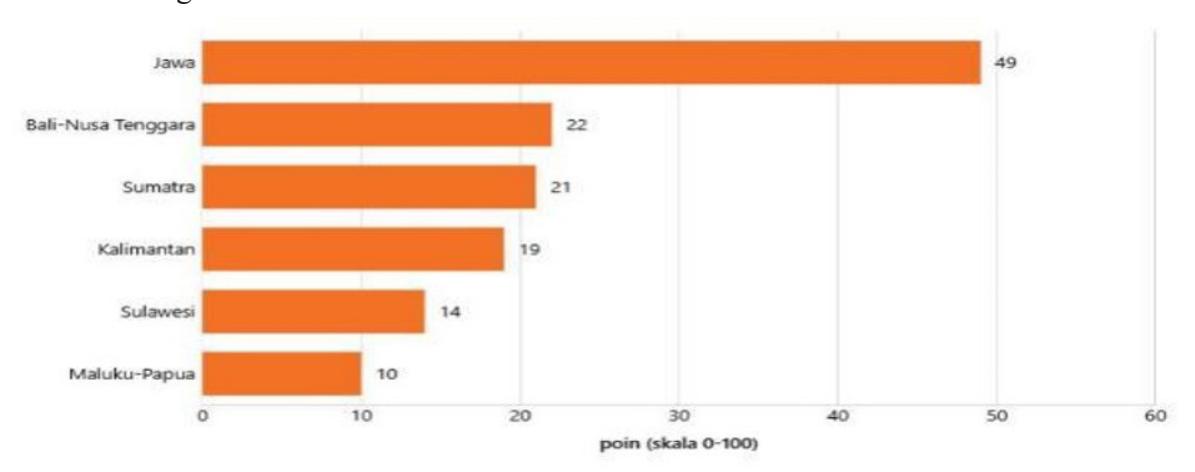
Figure 1 Level of digital adoption of MSMEs in Indonesia based on region Source: Katadata (2022)
These data indicate a disparity in the adoption of digital technology across various regions in Indonesia. For instance, Java has the highest digital competitiveness index, followed by Bali-Nusa Tenggara, Sumatra, Kalimantan, Sulawesi, and Papua. This situation requires attention in efforts to promote equitable digital transformation among MSMEs, particularly in Palu City, located in the Sulawesi region. According to data from the BPS of Central Sulawesi Province in 2022/2023, only 13.42% of MSMEs in Palu City had adopted digital technology in their business activities—a figure significantly lower than that of neighboring regions such as Donggala Regency, which reached 34.99% (Wahyuni, 2024). The evidence suggests that the level of digital technology adoption among MSMEs in Palu remains low (13.42%), despite the city's status as the administrative center of Central Sulawesi Province. The low adoption rate reflects the presence of both structural and cultural barriers. To further understand this issue, this study applies the diffusion of innovation (DOI) theory developed by Everett Rogers, as well as the technology acceptance model (TAM).
However, a study conducted by Nurnaningsih et al. (2021) reported that the development of MSMEs in Palu City showed an upward trend between 2017 and 2019, with a recorded total of 4,114 business units. This growth was dominated by microenterprises (3,747 units), followed by small enterprises (351 units) and medium enterprises (16 units). The increase in the number of MSMEs reflects a positive dynamic in the local economy. However, this trend has not been accompanied by a corresponding rise in the adoption of digital technology among MSME actors in Palu. The finding indicates a gap within the framework of the diffusion of innovation (DOI) theory and the technology acceptance model (TAM), where the growth in the number of business actors is not matched by a strong perception of ease of use and perceived usefulness of technology. These perceptions remain relatively low, which limits the acceptance and utilization of digital technology among MSMEs.
This study builds on the previous explanation by integrating Islamic perspectives and local sociocultural values to better understand how digital technology is diffused and accepted among MSMEs in Palu City. By combining the diffusion of innovations (DOI) framework and the technology acceptance model (TAM), the research focuses on how social, cultural, and religious factors are explored to shape perceptions and behaviors related to digital technology adoption. Accordingly, the aim of this study is to identify the key barriers that hinder inclusive digital transformation among MSME actors in Palu. This research is significant, as digital technology has become an integral part of modern life, affecting nearly all aspects of society while also introducing potential risks that must be addressed thoughtfully and strategically.
Method
This study employs a qualitative method with a case study approach. The choice of a case study is based on the research objectives, as it allows the researcher to examine multiple MSMEs in Palu City as units of analysis in detail—specifically, how they adopt digital technology and the challenges they face within the local socio-cultural context. The data sources for this research consist of two types: primary data obtained through in-depth interviews with MSME actors across Palu City and secondary data gathered from documents provided by the BPS of Central Sulawesi Province, MSME data from the Ministry of Cooperatives and MSMEs of Central Sulawesi, online news articles, and recent scholarly research published in reputable academic journals relevant to the study's objectives. The data collection process began with the compilation of relevant documents, including online news articles, recent journal publications, statistical data from the BPS, and MSME records from the Ministry of Cooperatives and MSMEs of Central Sulawesi. The compilation was followed by field observations and the selection of informants for in-depth interviews. Informants were selected using purposive sampling. Some informants in this study held multiple roles, for instance, serving as both the owner and manager of the MSMEs, acting as the IT staff, and actively participating in socio-religious organizations such as Al-khairaat. The selection of informants with such multifaceted roles was intentional, as they were considered capable of providing rich and nuanced insights from various perspectives, aligning with the research focus that integrates technological, socio-cultural, and Islamic values. The collected data were analyzed using thematic analysis. This analytical technique was chosen to provide depth and contextual understanding of the phenomena under study.
Results and Discussion
To understand low digital adoption among MSMEs in Palu City, it is essential to examine the interplay of structural, cultural, and individual factors using the diffusion of innovation and technology acceptance model frameworks.
Adoption and Utilization of Digital Technology by MSMEs in Palu City
Although digital technology has become a cultural reality in the present era, the research findings reveal a significant disparity between the number of MSMEs that have adopted it and those that both adopt and effectively utilize it, as reflected in the data analysis.
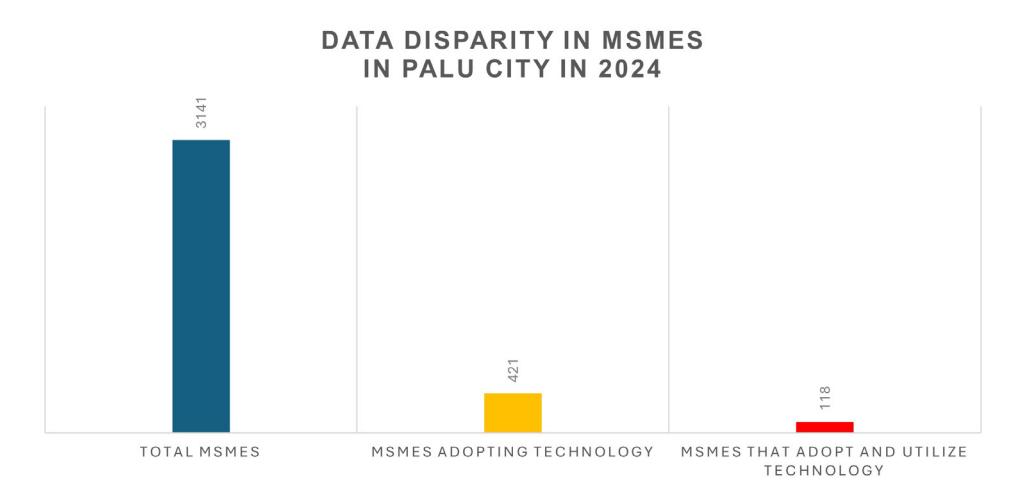
Figure 2. Data disparity in MSMEs in Palu City in 2024 Source: Personal documentation, 2024
The data indicate that only a small proportion of MSMEs in Palu City have both adopted and utilized internet-connected digital technology. According to the BPS of Central Sulawesi Province, there are approximately 3,141 MSMEs in Palu City. Among them, 421 MSMEs have adopted digital technology but have not yet employed it for operational or strategic business purposes (Wahyuni, 2024). Meanwhile, survey results reveal that only 118 MSMEs in Palu have adopted and simultaneously utilized digital technology for both operational and strategic business needs. This data disparity highlights issues related to perceived usefulness and perceived ease of use. Accordingly, the majority of MSME actors in Palu have not fully embraced the value of digital technology in supporting their productivity and business sustainability. Moreover, this disparity can be further explained using the diffusion of innovation (DOI) theory developed by Everett Rogers. As cited in Damastuti (2020), the adoption of digital technology is influenced by several characteristics that affect the rate of adoption: (1) relative advantage, (2) compatibility, (3) complexity, (4) trialability, and (5) observability.
Field observations indicate that the predominant characteristic affecting MSME actors in Palu City is the third element of the diffusion of innovation theory—complexity—in adopting digital technology. As a result, not all MSMEs in Palu have access to skilled personnel capable of adopting and utilizing digital technologies for both operational and strategic business purposes. This finding aligns with prior research indicating that many MSME actors lack technical expertise, which leads to missed opportunities
such as operational efficiency and market expansion (Liu et al., 2021). Furthermore, interview results with several informants reinforced this issue. One key informant, Ibrahim, stated, "Skilled personnel who have a deep understanding of digital technology trends and how these technologies can be effectively implemented to ensure business data security are extremely scarce in Palu City" (Ibrahim, Interview, Palu, April 23, 2024).
This statement aligns with the remarks of Mohammad Surya during an interview: "Today, digital technology is continuously evolving—each series released is soon followed by a new one. Therefore, skilled personnel are needed who can keep up with the current trends in digital technology development" (Mohammad Surya, Interview, Palu, April 23, 2024). His statement is supported by research findings that conclude the adoption of technology requires mastery over multiple resources, including technology, human capital, and marketing strategies (Gómez & Vargas, 2012). In this context, the ability of MSMEs to effectively exploit digital technology depends on the competence of experts who not only understand the technology itself but are also capable of implementing both operational and strategic measures to ensure data security and expand market reach (Wulandari et al., 2024).
The adoption and use of digital technology by MSMEs in Palu City currently focuses primarily on individual aspects (experts) as users of digital technology. In fact, the economic aspect plays an important role in running a business, as without adequate capital, the business cannot operate optimally. According to Ko Aweng, "The availability of sufficient capital is a crucial consideration to ensure the smooth operation of the business" (Rismah, personal communication, April 29, 2024). In other words, MSMEs in Palu City began their business using their capital. From Central Sulawesi Province, the BPS data showed that 83.55% of MSMEs in Palu City used their capital, and only 2.65% of MSMEs in Palu City received assistance capital from other parties.
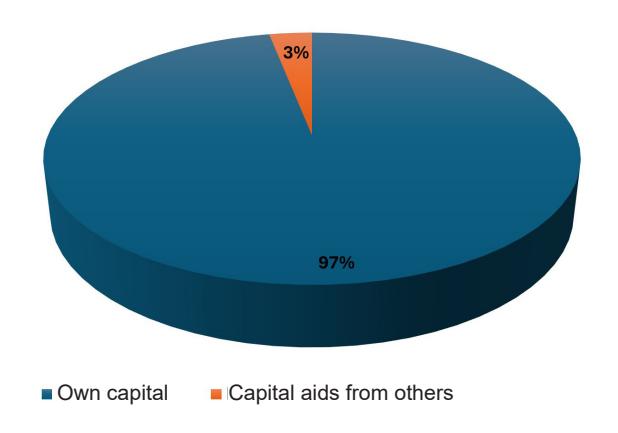
Figure 2 Source of MSME capital in Palu City in 2024 Source: Personal documentation, 2024
The data above indicate that the majority of MSME actors in Palu City started their businesses by relying on personal capital, which is often insufficient to support strategic needs. This reliance on selffunding suggests that the compatibility of innovation with the economic conditions of MSME actors poses a major barrier to the diffusion of digital technology. As a result, there is a significant disparity between the number of MSMEs that adopt digital technology and those that both adopt and utilize it for operational and strategic purposes—such as minimizing risk.
The results of an interview with one of the informants said that "the allocation of capital is more to meet primary needs such as the provision of raw materials, rental places, and employee salaries" (Syahril, personal communication, April 29, 2024). According to Dicki Wahyudi, "To employ experts who have a deep understanding of digital technology, such as software development, cybersecurity specialists, and others, requires very high salaries" (Dicki Wahyudi, personal communication, April 29, 2024). This evidence indicates that the capital for adopting internet-connected digital technology is often considered a secondary need compared to primary operational needs. Meanwhile, according to Skoko, Ceric, and Tien, as cited in Rifai and Mychelisda (2023), there are two aspects that need to be considered in analyzing the adoption and use of digital technology by MSME actors: individual aspects and economic aspects. In individual aspects, the factors to consider are employees and managers, both of whom are technology users. Then the economic aspect relates to the cost of capital required to use digital technology, not only in terms of investments in hardware and software but also supporting investments such as human resources (HR) and organizational changes. The statement above emphasized that if the two aspects can be managed properly, then the MSMEs in Palu City have the potential to benefit.
This finding is consistent with Gómez & Vargas (2012) and Wahyuni (2024), who emphasize that the success of technology adoption is not solely determined by the availability of technology itself, but also by the readiness of human and organizational resources to understand and manage it. Therefore, the low level of digital literacy and the shortage of skilled personnel in Palu indicate that the organizational readiness of MSMEs remains suboptimal.
Concerns of MSMEs on Data Leaks and Cyberattacks
Concerns over data breaches not only reinforce the perception of risk (perceived risk) within the technology acceptance model (TAM) framework but are also closely related to the attributes of complexity and trialability in the diffusion of innovation (DOI) theory. When digital security technologies are perceived as complex, MSME actors tend to delay or even reject the adoption of digital technologies. A lack of understanding about data protection mechanisms, coupled with the absence of technical assistance, causes digital innovation to be considered incompatible with the current capacity of available resources. This issue is further exacerbated by limited knowledge of existing regulations, such as the personal data protection (PDP) Law. In other words, despite the existence of regulatory frameworks, low digital literacy renders MSMEs a vulnerable point within the national digital ecosystem. This aligns with the findings of Indriyani (2017) and Marischa & Setianingrum (2024), who emphasize the importance of operational understanding of security systems rather than merely the existence of regulations. The discussion above points out the vital importance of data protection for MSME actors, particularly in Palu City. According to data from Surfshark, as cited by Katadata (2024), a significant number of user accounts in Indonesia have experienced data breaches over the past five years, up to the third quarter of 2024.
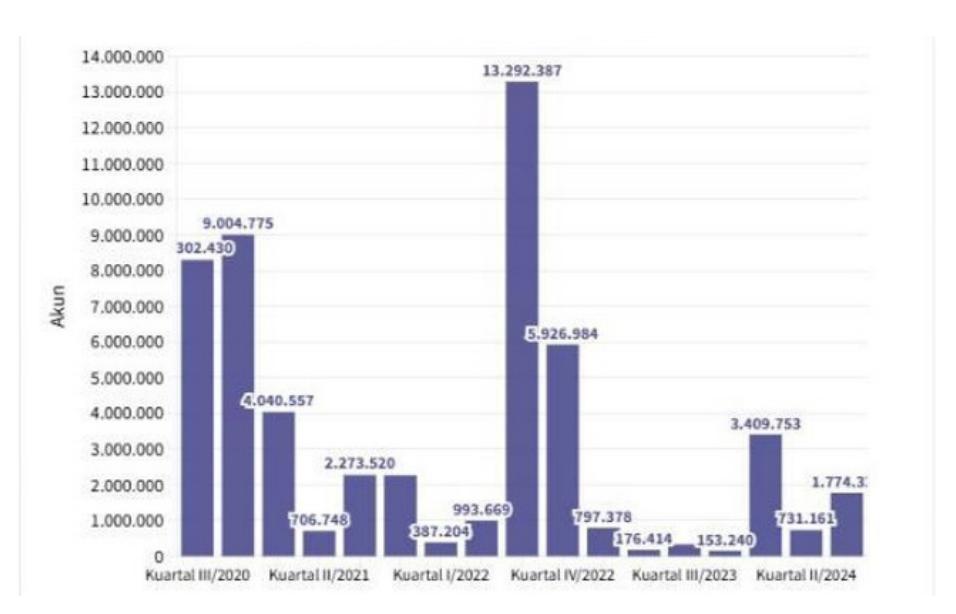
Figure 3 Number of accounts that experience data leaks in Indonesia Source: Personal documentation, 2024
According to the data above, there were 1,774.3 million accounts that experienced data leakage in Indonesia throughout the third quarter of 2024; the number jumped 14.7% from the previous quarter of 731,161 accounts. According to Rizaty (2024), the trend of the number of accounts that experience data leakage in Indonesia continues to fluctuate; the number of accounts that experienced the highest data leakage was recorded in the third quarter of 2022, which reached 13.29 million accounts. Meanwhile, the lowest number was in the third quarter of 2023. Therefore, Marischa and Setianingrum (2024, as cited in Irawan, 2023) state that the organizer of the electronic system must comply with a series of obligations. The organizer of the electronic system, in this case e-commerce, must comply with a series of obligations.
First, they can recover electronic information and electronic documents with integrity in accordance with the retention period stipulated in the legislation; second, they are responsible for maintaining the availability, integrity, authentication, confidentiality, and accessibility of electronic information in the operation of electronic systems; Third, it operates in accordance with the procedures or guidelines that apply in the management of electronic systems. Fourth, it is equipped with a guide or procedure that is appropriate for managing electronic systems. Fifth, it provides guidelines or instructions published in language, information, or symbols that can be understood by those involved in the operation of the electronic system; The sixth has a sustainable mechanism to maintain novelty, clarity, and responsibility of the procedure or guide; seventh, it ensures that the electronic system is not used to spread electronic information and electronic documents that violate the law in accordance with statutory regulations; Eighth, it adheres to the principle of protection of personal data; ninth, it deletes electronic information and irrelevant electronic documents at the request of the individual concerned; tenth, it takes security measures for electronic system components; eleventh, it maintains confidentiality, integrity, authentication, accessibility, availability, and tracking of electronic information and electronic documents in accordance with applicable legal provisions; and twelfth, it protects the user and the general public from losses caused by the electronic system that is run.
It can be concluded that the integration of regulations to protect users and strengthen trust in the digital system. Although the government has established regulations, to integrate it requires stages that need to be understood by an expert (individual and manager) as a digital technology user to protect data, such as the use of encryption, periodic software updates, or firewall installation. Another informant said, "We do not have experts to manage this technology, let alone to ensure their safety" (Yusuf Ibrahim, personal communication, April 29, 2024). From the results of the interview, it can be understood that security technology is classified as an investment that requires additional capital. Meanwhile, most MSMEs in Palu City rely solely on their own capital to meet primary needs, such as maintaining the availability of business raw materials; therefore, investing in digital security systems becomes a low priority.
To address this concern, strategic steps are necessary. Based on interviews with several informants, it can be concluded that MSME actors in Palu City require education and training on the importance of cybersecurity and how to protect their business data. A study highlighted several key points for maintaining data security against cyberattacks. The first step involves evaluating the current cybersecurity policies. Second, assessing the chosen information security technologies, as every technology carries potential risks of cybercrime. Third analysis: preventive measures to minimize risk (Chirzah & Al-Fadli, 2023). Another study's findings highlight the crucial role of educational and training materials in emphasizing the significance of two-step verification, which requires users to input additional PINs when accessing accounts on new devices (Sitorus et al., 2024).
Based on empirical findings and the theoretical frameworks employed, it can be concluded that technical, socio-cultural, and economic factors interact in shaping the pattern of digital technology adoption among MSME actors in Palu City. Therefore, strategic interventions aimed at promoting digital transformation must adopt a holistic approach—one that integrates education, digital literacy, institutional collaboration, and the reinforcement of local values.
Encourages Safe and Efficient Digital Transformation for MSMEs in Palu City
Secure and efficient digital transformation for MSMEs in Palu City requires a strong foundation in digital literacy. A study conducted by Ananda et al. (2024) indicates that digital literacy positively contributes to the sustainability of MSMEs. However, the low Digital Society Index (Indeks Masyarakat Digital, IMD) in Central Sulawesi in 2023, recorded at only 37.40, reflects limited digital readiness within the community. Scores on specific indicators such as digital skills (50.14) and employment (43.97) suggest that basic digital competencies are insufficient to meet the demands of the digital economy.
Education and Digital Literacy
This assertion is further corroborated by field findings that reveal a reliance on younger generations to navigate technology, indicating weak digital self-efficacy and a generational gap in technology use. These conditions point out the importance of continuous and inclusive digital literacy initiatives, as recommended by Ananda et al. (2024), along with infrastructure improvements as prerequisites for accelerating digital adoption (Yusuf, 2023).
However, based on the results of interviews with several informants, it is not sufficient for digital education and literacy to be conducted only once for MSME actors in the city of Palu. As one informant said, "Digital technology is something new to us. MSME actors require time to understand the concepts and practice these skills" (Syahril, personal communication, Palu, April 29, 2024). Whereas, according to the experience of one of the informants, "If digital education and literacy is not enough only once for MSME actors in the city of Palu, then what is done is to ask my child how to use the marketplace on social media such as Facebook" (Rismah, personal communication, Palu, April 29, 2024). The same thing was also stated by one of the informants, who said, "I am not ashamed to ask and learn from my child, who has collected how to use the marketplace on social media to help increase sales of my products" (Yusuf Ibrahim, personal communication, Palu, April 29, 2024). From the interview results, it can be understood that the strategy originated from the MSMEs as a form of effort in overcoming the problems and social changes of the community. The statement is in line with the concept of Islam described in the Qur'an, Surah Ar Ra'd, verse 11, which is translated as follows (Departemen Agama RI, 2006).
"For each one are successive [angels] before and behind him who protect him by the decree of Allah. Indeed, Allah will not change the condition of a people until they change what is in themselves. And when Allah intends for a people ill, there is no repelling it. And there is not for them besides Him any patron."
The above verse is closely related to the situation faced by MSMEs in Palu City to adopt digital technology and adapt to social and economic changes that are increasingly moving forward. The same as the results of the interviews stated above, "Today digital technology continues to experience development; each series released will continue to provide birth to the latest series so that experts are needed who have an understanding of the trend of changes in digital technology today." Therefore, it requires full support and collaboration from various parties, especially the Provincial Government of Central Sulawesi. With the development of MSMEs in Palu City, new jobs can be created, community income can be increased, and the wheels of the regional economy in Palu City can be more dynamic. This directly increases the gross regional domestic product (GRDP). In other words, the existence of MSMEs in Palu City plays a strategic role in supporting the economy in the area.
Collaboration with Various Parties
The contribution of MSMEs to the economy can be seen from the production value, especially in one aspect of production capacity. Production capacity in MSMEs refers to the total value of goods or services produced in a period; the maximization of the number of goods or services comes from the capacity of the workforce owned and can utilize digital technology (Fahlevi, 2016; Alatas, Pontoh, & Morad, 2022; Athirah & Satoto, 2023; Meranti & Rosyidi, 2023). While the results of research conducted by Nurnaningsih et al. (2021) added one indicator other than the value of production, namely, the value of capital owned by MSME actors had a positive effect on GRDP, from the capital owned can increase the production capacity of goods or services in MSMEs. This explanation shows that MSMEs positively contribute to improving the community's standard of living, particularly in Palu City, by creating or providing employment opportunities. Therefore, we need a collaboration strategy from various parties to encourage safe and efficient digital transformation for MSME actors in Palu City.
According to some literature, one form of government collaboration in encouraging a safe and efficient digital transformation for MSME actors is through partnerships with financial institutions. Research findings indicate that collaboration involving various stakeholders such as the government, financial institutions, and the private sector aims to create a sustainable ecosystem for MSME actors. This includes improving access to financing and providing policy support in the form of regulations that encourage financial product innovation, including business loans and low-interest loans for MSMEs (Valdiansyah & Widiyati, 2024). This statement aligns with the principles of Islamic teachings as outlined in the Qur'an, Surah Al-Maidah, verse 2, which is translated as follows (Departemen Agama RI, 2006).
"… And cooperate in righteousness and piety, but do not cooperate in sin and aggression. And fear Allah; indeed, Allah is severe in penalty."
The verse emphasizes the importance of cooperation and collaboration in things that bring benefits and the common welfare. This concept of collaboration, which has been explained above, involves the government, financial institutions, and the private sector working together to create a sustainable ecosystem that supports MSMEs. This collaboration aims to increase access to financing and innovation of financial products for the sustainability of ecosystems for MSME actors, especially in Palu City.
Local Cultural Integration as a Pillar for Supporting MSME Digital Transformation in Palu City
In addition to the strategies described above, the next strategy that is no less important is to develop supporting cultures that have grown in the social environment of the Palu City community, such as the local culture of the Kaili community, one of which is nogae (cooperation). The tradition functions as a distinguishing tool and has a strategic role in creating a strong connection between MSME actors in Palu City to encourage the growth of the economic ecosystem of the community that emphasizes the value of mutual cooperation or cooperation in adaptation to digital technology and innovations that can be utilized. According to one informant, the tradition of nogae is a foundation of value that has been ingrained in the Kaili society so that it can eliminate sectoral ego in society" (Ibrahim, personal communication, Palu, April 23, 2024). In this statement, it is understood that the concept of nogae is an asset that has long been owned by the community so that it can be used as a supporting pillar in conducting the digital transformation process for MSME actors in the city of Palu in particular. Realizing this, it takes an adaptive approach, such as continuing education in the form of social actions, to provide birth to solidarity at all levels of society. One example is to conduct digital literacy for MSME actors in Palu City and work with various parties.
Conceptually, the community has a foundation of values, and one of them is nogae, which aims to ensure the smooth circulation of economic and financial stability and sustainable economic growth, as illustrated in the chart below.
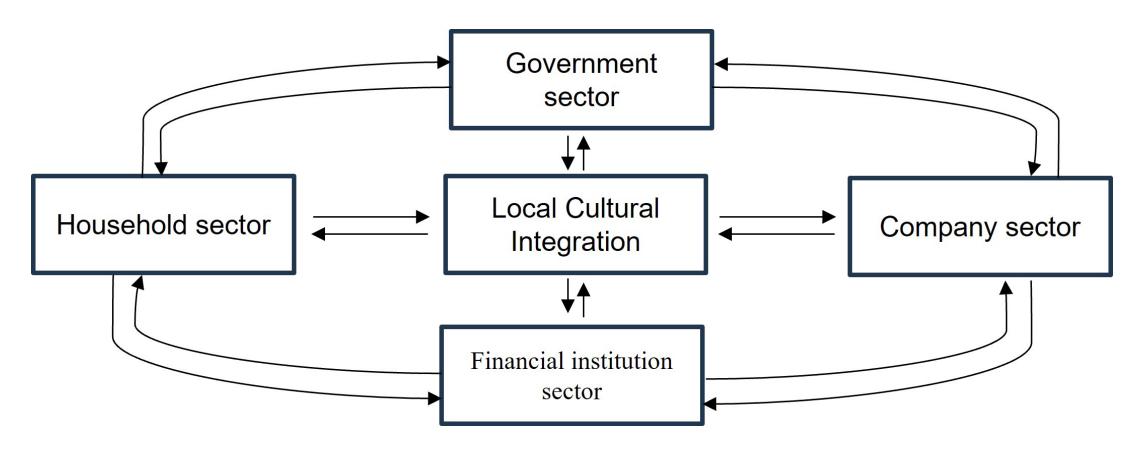
Figure 4.Economic circulation Source: Personal documentation, 2024
Local cultural integration, such as the nogae tradition (cooperation) in the Kaili community, can serve as a fundamental pillar in supporting digital transformation for MSME actors in Palu City. This tradition, which emphasizes cooperation and assistance, strengthens relationships between households, MSMEs, financial institutions, and the government in creating an inclusive and sustainable economic ecosystem. In the household sector, cooperation values can encourage active participation from each family member, enhancing household economic welfare through task distribution. As Virk, Corner, Combs, and Jaskiewicz (2024) explained, cooperation among family members is reflected in collective efforts to achieve shared goals. Parents contribute by working to meet basic needs while ensuring financial stability for all family members. The cooperative values established within the household sector extend beyond it and manifest in other forms, such as mutual respect, known in the Kaili tradition as sarara le or sarara ia. Septiwiharti, Maharani, and Mustansyir (2019) explained that the Kaili people believe all humans originate from the same ancestral lineage, a belief reflected in the term sararata le or sararata ia, meaning "a sibling from the same womb." As a result, mutual respect is strongly upheld within the Kaili ethnic group.
From the above explanation, it can be concluded that local values such as nogae and sararata le (mutual respect) can function as social enablers to accelerate technology diffusion through communitybased mentoring and training models among MSMEs in Palu.
Conclusion
This study identifies several key barriers to digital technology adoption among MSMEs in Palu City, including technological complexity, limited availability of skilled personnel, insufficient capital, and concerns over data breaches and cyberattacks. A gap persists between the use of digital technology for operational needs and its application in broader strategic business contexts. To accelerate a secure and efficient digital transformation, this study proposes sustained digital education, cross-sector collaboration, and the integration of local cultural values such as nogae (cooperation).
Theoretically, the findings reinforce the relevance of the diffusion of innovation (DOI) theory in explaining adoption determinants—particularly relative advantage, complexity, and the compatibility of technology with user conditions. The sociocultural context, especially the role of Kaili community values, emerges as a significant enabler for inclusive and sustainable digital transformation. The practical implications call for ongoing digital literacy programs, cybersecurity training, and strategic partnerships between government, financial institutions, and the private sector to provide funding and adaptive regulations. The study is limited by the number of informants and does not include longitudinal analysis. Future research is recommended to involve a broader sample of MSMEs and assess the longterm impact of digital transformation on business sustainability and competitiveness. Furthermore, exploring the relationship between digital literacy and cybersecurity practices may offer deeper insights into policymaking and local development.