

Keywords:
Argument Mapping, ChatGPT, argument writing
This study explores the impact of Argument Mapping (AM) assisted by ChatGPT on students' ability to write scientific arguments. While AM has been shown to enhance argumentative skills, there is limited research on integrating generative technologies like ChatGPT into the AM model for writing instruction. This study examines ChatGPT's role in helping students in the Nursing and Primary School Teacher Education (PGSD) programs develop clearer and more logical argument structures. A mixed-methods explanatory sequential design was used, incorporating quantitative pre- and post-tests to measure improvements in argumentative writing and qualitative semi-structured interviews to gather students' perceptions. Results show that AM supported by ChatGPT significantly enhances students' argumentative writing skills, particularly in clarity and argument structure in depth. The findings suggest that ChatGPT aids writing and fosters critical thinking. However, ethical considerations, including plagiarism awareness, are important when using this technology. This study contributes to the literature by highlighting AI's potential to improve argumentative writing skills and promoting the integration of technology in education for developing critical thinking.
INFO ARTIKEL
ABSTRAK
Kata kunci:
Argument Mapping, ChatGPT, menulis argumen
Penelitian ini mengeksplorasi dampak Pemetaan Argumen (Argument Mapping/AM) yang dibantu oleh ChatGPT terhadap kemampuan mahasiswa dalam menulis argumen ilmiah. Meskipun AM telah terbukti meningkatkan keterampilan berargumentasi, penelitian yang mengintegrasikan teknologi generatif seperti ChatGPT ke dalam model AM untuk pembelajaran menulis masih terbatas. Penelitian ini mengkaji peran ChatGPT dalam membantu mahasiswa program Keperawatan dan Pendidikan Guru Sekolah Dasar (PGSD) dalam mengembangkan struktur argumen yang lebih jelas dan logis. Desain metode campuran sekuensial eksplanatori digunakan dalam mengintegrasikan prates dan pascates kuantitatif untuk mengukur peningkatan
kemampuan menulis argumentatif. Wawancara semiterstruktur kualitatif digunakan untuk mengumpulkan persepsi mahasiswa. Hasil penelitian menunjukkan AM yang didukung oleh ChatGPT secara signifikan meningkatkan keterampilan menulis argumentatif mahasiswa, khususnya dalam hal kejelasan dan kedalaman struktur argumen. Temuan ini menunjukkan ChatGPT tidak hanya membantu proses menulis, tetapi juga mendorong pemikiran kritis. Namun demikian, pertimbangan etis, termasuk kesadaran mengenai plagiarisme, penting untuk diperhatikan dalam penggunaan teknologi ini. Penelitian ini memberikan kontribusi pada literatur dengan menyoroti potensi AI dalam meningkatkan keterampilan menulis argumentatif dan mendorong integrasi teknologi dalam pendidikan untuk mengembangkan pemikiran kritis.
Introduction
Argumentation skills are essential for academic tasks and play a crucial role in the development of critical thinking among students. Consequently, teaching argumentative writing is an integral part of educational curricula, from primary to higher education (Lawrence, 2021). However, argumentative writing, which involves both cognitive and linguistic elements, is often considered a complex skill (Hidri, 2018; Nakrowi & Mulyati, 2021). Many students struggle to construct strong arguments, with previous research indicating that students often rely on personal experiences to support their arguments while paying insufficient attention to the counterargument components (Liu & Stapleton, 2020; Qin & Karabacak, 2010). A lack of understanding of argument structure and incomplete elements in writing can lead to poor-quality arguments (Nakrowi et al., 2024).
In this context, Toulmin (2012) argues that a strong argument must include claims, data, warrants, backings, and rebuttals. One effective way to help students understand and organize these elements is through Argument Mapping (AM), which has been shown to enhance the quality of arguments and critical thinking skills (Yilmaz-Na, 2023b, 2023a). AM offers a clear representation of the logical relationships between claims and supporting evidence, identifying gaps in the argument structure that may affect its quality (Sbarski et al., 2008). Several studies have demonstrated that AM can significantly improve students' argumentative skills, especially when combined with problem-based learning (Jumadi, 2021).
Despite the proven effectiveness of AM, research integrating Artificial Intelligence (AI) technologies, particularly ChatGPT, into AM for argumentative writing instruction remains limited. ChatGPT, an AIpowered tool, has been acknowledged as a valuable asset in the academic realm, particularly in writing, editing, and idea generation (Rasul et al., 2023; Sallam, 2023). Some studies, such as Wang (2024), show that ChatGPT can assist students in writing argumentative essays by offering technical support and generating ideas. However, most of this research does not incorporate ChatGPT into AM models for argumentative writing, which represents a gap this study aims to address.
Existing research highlights ChatGPT's potential in enhancing writing outcomes, but there is a lack of understanding regarding how this technology can be integrated with established argumentative teaching methods like AM. This study seeks to explore how the use of AM, supported by ChatGPT, can enhance students' abilities to write scientific arguments. Furthermore, it will investigate how students utilize this technology to develop clearer, more logical, and structured arguments while assessing their impact on their critical thinking skills. By addressing this gap, this study aims to contribute to the literature by introducing ChatGPT as a tool to support argumentative writing and open up new opportunities for integrating technology in education to foster students' critical thinking skills.
The Toulmin Model (Toulmin, 2003) serves as a foundational framework for analyzing argumentative writing in this study. Toulmin's model includes six primary components: claim, grounds, warrant, backing, modal qualifier, and rebuttal. Each of these elements plays a critical role in constructing and evaluating a logical and coherent argument. In the context of this study, Argument Mapping (AM) is employed to visually represent these Toulmin elements. AM helps to map out the logical relationships
between the claim, grounds, warrant, and rebuttal, providing students with a structured framework to develop and refine their arguments. By using AM, students can better visualize the logical flow of their arguments and identify any gaps or weaknesses in their reasoning. This approach not only aids students in organizing their thoughts but also provides a clear framework for the assessment of the quality of their arguments. AM allows them to visually structure their argument by ensuring that each claim is supported by sufficient grounds, connected through a well-articulated warrant, and appropriately qualified with modal qualifiers. The AM model also enables the identification of rebuttals, ensuring that the argument is well-rounded and addresses potential counterarguments. In this study, students' written arguments are analyzed using these Toulmin components, and improvements in the clarity, coherence, and depth of their arguments are measured before and after the intervention with AM assisted by ChatGPT.
The integration of technology, particularly Artificial Intelligence (AI) tools like ChatGPT, has the potential to significantly alter educational practices. AI tools have demonstrated promises in assisting students with various aspects of the learning process, from idea generation to refining drafts and providing real-time feedback (Rasul et al., 2023). However, the full potential of AI in education is still being explored, particularly when integrated with structured pedagogical models like Argument Mapping (AM).
ChatGPT, as a large language model based on generative AI, offers several advantages for supporting argumentative writing. It can assist students in generating ideas, organizing their thoughts, refining language, and improving the overall coherence of their arguments. Several studies have highlighted the utility of ChatGPT in writing education, demonstrating its ability to assist in brainstorming, enhancing linguistic fluency, and providing feedback (Wang, 2024). However, the majority of research has focused on ChatGPT's role as a stand-alone tool rather than as a complementary resource within structured frameworks like AM.
The novelty of this study lies in its exploration of AI-assisted argument mapping, where ChatGPT supports the development of students' arguments within the Toulmin framework. By incorporating ChatGPT into AM, this study provides a more comprehensive and structured approach to argumentative writing. ChatGPT's role is not to replace students' intellectual efforts but to assist them in organizing and refining their arguments, helping them to create clearer and more logical structures. This process enhances students' ability to develop critical thinking skills by encouraging them to evaluate and refine their arguments iteratively.
Furthermore, ChatGPT can support students in navigating complex academic language and provide suggestions for improving clarity and precision. The use of ChatGPT within the AM framework helps students identify logical gaps in their arguments, and it can offer suggestions for strengthening the warrant or providing additional backing for claims. As students engage with ChatGPT, they are encouraged to think critically about the information presented and consider various perspectives, which fosters deeper engagement with the material and enhances critical thinking skills.
Integrating AI tools like ChatGPT in education also opens up new avenues for personalized learning. By adapting the level of assistance provided based on students' individual needs, ChatGPT can support a diverse range of learners, offering tailored guidance that helps students develop at their own pace (Lund et al., 2023). However, while ChatGPT provides significant advantages, it is crucial to emphasize the importance of ethical writing practices, including proper citation and awareness of plagiarism. This study underscores the necessity of teaching students how to use AI responsibly in academic writing, ensuring that they understand the boundaries of AI assistance and the importance of academic integrity.
In conclusion, this study contributes to the existing body of literature by demonstrating the potential of AI tools like ChatGPT to enhance the quality of argumentative writing through structured models like AM. By integrating ChatGPT with AM, this research opens new possibilities for improving students' critical thinking skills and argumentation abilities while also addressing the challenges of writing instruction in the digital age.
Method
The method used in this study was a mixed-methods approach. The mixed-methods design used was an explanatory sequential design (Creswell, 2013). This design enables the comprehensive use of both qualitative and quantitative formats. The effectiveness of ChatGPT-based argumentative writing (AM) was assessed both quantitatively, through argumentative writing scores, and qualitatively, through participant responses. The results of this analysis can have implications for the selection of strategies and lecturers' perspectives regarding the use of ChatGPT-based AM in argumentative writing instruction in higher education.
This study focused on the impact of implementing ChatGPT-assisted AM on students' ability to write scientific arguments. Scientific argumentation was limited to student writing, specifically papers, with a focus on the background or introduction. According to Setyaningsih (2016), in addition to the discussion section, the background of the problem is crucial in scientific writing and requires highquality argumentation.
Scientific argumentative writing skills were assessed based on the completeness and weight of each element, adopting the concepts of Toulmin (2003) and Intellectual Standards (Paul & Elder, 2012). The following instrument was used to assess the quality of academic arguments in this study.
Table I Instrument for Assessing the Quality of Academic Arguments
| Intellectual Standard | Weight | ||
|---|---|---|---|
| Element of Argument | Aspect Level | ||
| Claim | Clarity, Precision, Logical | Meets one aspect of intellectual standards | 1 |
| Meets two aspects of intellectual standards | 2 | ||
| Meets three aspects of intellectual standards | 3 | ||
| Ground/ | Relevance, Depth, Meaningfulness | Meets one aspect of intellectual standards | 1 |
| Warrant/ Backing | Meets two aspects of intellectual standards | 2 | |
| Meets three aspects of intellectual standards | 3 | ||
| Modal Qualifier dan Rebuttal | Scope, Fair, Complete | Meets one aspect of intellectual standards | 1 |
| Meets two aspects of intellectual standards | 2 | ||
| Meets three aspects of intellectual standards | 3 | ||
Explanation of Criteria:
Clarity: Statements should be unambiguous and easily understood.
Precision: Based on credible information. Relevance: Related to the topic being discussed. Logical: Acceptable by reason and not contradictory.
Scope: Comprehensive information from various perspectives.
Precision: Information should be specific.
Meaningfulness: Information should be fundamental or essential to support the argument. Completeness: Information should quantitatively and qualitatively address the problem.
Depth: Information should be detailed.
Fairness: Considering all information while prioritizing essential details.
Assessment Classification:
Very High: If the score is above 87% High: If the score is between 73%-86% Medium: If the score is between 59%-72% Low: If the score is between 45%-58% Very Low: If the score is below 44%
This study used a purposive sampling method to select participants, ensuring that they were relevant and had the necessary background knowledge for the study. The sample consisted of second-semester students from two academic programs at Hein Namotemo University: the Nursing program (10 students) and the Postgraduate Diploma in Secondary Education (PGSD) program (16 students). The selection of these two programs was based on the understanding that students in these fields regularly engage in academic writing that requires strong argumentative skills. Furthermore, these two programs represent different academic disciplines (applied sciences and social sciences), allowing the study to explore the impact of Argument Mapping (AM) assisted by ChatGPT across different fields of study.
The nursing program was chosen because students frequently write scientific reports that require evidence-based argumentation, which relies heavily on the ability to organize medical and scientific information logically. The elementary school teacher education program was chosen because students in teacher education also require argumentative writing skills to design effective curricula and present educational materials. This diversity of academic backgrounds offers a broader perspective on the impact of AI with ChatGPT in various educational contexts.
While the selection of these two programs offers diverse insights, potential biases must be considered. For example, Nursing students may be more familiar with evidence-based writing, while Elementary School Teacher Education students may focus more on pedagogical theory in their arguments. These differences in background may influence how each group responds to the technology used in the study. Therefore, the analysis will consider these differences as potential variables, ensuring the validity of the findings.
The data in this study are primary. Qualitative data were collected through testimonials and semi-structured interviews, which explored participants' responses regarding motivation, challenges, satisfaction, expectations, and other aspects. Quantitative data were obtained from students' argumentative writing, which was scored and analyzed. The research design for the quantitative aspect used a pretestintervention-posttest model (Fraenkel et al., 2012). The pretest was conducted at the beginning of the lesson. Subsequently, an intervention was implemented in the form of AM with the assistance of ChatGPT. The visualization of argument elements in written form served as a template for students in composing argumentative writing. The visualization of the elements followed Toulmin's TAP design. During the process of completing the argumentation elements, students were given a simulation of using ChatGPT as a source for information retrieval, a feedback generator, and an opposing party presenting counterarguments. The following is an illustration of the visualization of argument elements according to Toulmin's TAP.
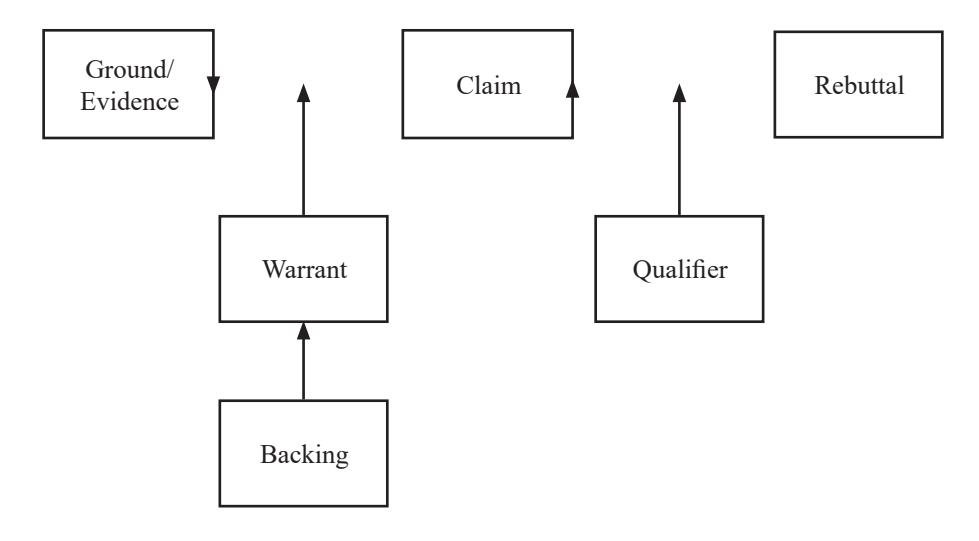
Figure 1 AM visualisation with TAP Toulmin (2003)
Following the intervention, a posttest was administered. The posttest was administered three months after the pretest to avoid bias. All students completed the pretest, intervention, and posttest activities.
Figure 2 Research Design pretest-intervention-posttest model (Fraenkel et al., 2012)
Quantitative data obtained from the pre- and post-tests were analyzed using inferential statistics to measure improvements in students' argumentative writing skills. The primary statistical test used was the paired-sample t-test, which was chosen to compare pre- and post-intervention scores within the same group. This test allows for examining whether there are significant differences in argumentative writing skills before and after the intervention with AM supported by ChatGPT. The use of the pairedsample t-test assumes that the data follow a normal distribution, which was tested using the Shapiro-Wilk test to assess data normality. Furthermore, the Pearson correlation coefficient was used to explore the relationship between pre- and post-test scores, providing insight into the consistency of students' argumentative skill improvement after the intervention. All statistical tests were conducted using SPSS software to ensure accuracy in the calculation and interpretation of results.
Qualitative data analysis was conducted through data collection, description of findings, and drawing of conclusions (Miles, 1994). Quantitative data were analyzed using SPSS during the data processing stage, with the results interpreted and conclusions drawn. Data validation was achieved through theoretical triangulation (Denzin & Lincoln, 2011). The collected data were validated based on a theoretical framework related to scientific argumentation. Thus, the data obtained contributed to achieving the research objectives.
Results and Discussion
This study aimed to explore the impact of Argument Mapping (AM) assisted by ChatGPT on students' ability to write scientific arguments. The quantitative data obtained from the pre- and post-tests demonstrated significant improvement in students' argumentative skills after the implementation of AM with ChatGPT. As shown in Table II, there was a notable increase in the average scores for both the Nursing and PGSD groups, with PGSD showing slightly higher improvement compared to Nursing.
Table II Pre-Test and Post-Test Results of Written Argumentation Skills
| Program | Pre-test | Post-test | Improvement (%) |
|---|---|---|---|
| Nursing | 9 (50%) | 11.4 (63%) | 13% |
| PGSD | 10 (56%) | 12.53 (70%) | 14.53% |
Table II shows that the average argumentative writing scores increased significantly in both groups, with PGSD students exhibiting a greater percentage increase (14.53%) compared to nursing students, who had an improvement of 13%.
Statistical tests using the paired samples t-test confirmed that the differences between the pre-test and post-test scores for both groups were statistically significant (p < 0.05), indicating that the use of AM with ChatGPT had a positive impact on students' argumentative writing skills.
An increase was observed in both study programs. The average score of written argumentative skills for nursing students rose from 9 (50%) (falling into the low category) to 11.4 (63%), placing them in the moderate category. In the pre-test, the written argumentative skills were dominated by students in the very low and low categories, with four students in each category, while the other two students were in the moderate category. In the post-test, the students' scores were dominated by the moderate category, with four students, followed by the high category with three students, the low category with two students, and the very low category with one student.
The average score of written argumentative skills for PGSD students increased from 10 (56%) (falling into the low category) to 12.53 (70%), placing them in the adequate category. In the pre-test, the written argumentative skills were mostly in the moderate category, with seven students, followed by the very low category with five, the low category with four, and the high category with one. In the post-test, the students' scores were still dominated by the moderate category with six students, followed by the high category with five students, and the very low, low, and very high categories, each with two students.
In addition to the quantitative data, qualitative data from semi-structured interviews with students revealed positive perceptions about the use of ChatGPT. Students reported that ChatGPT helped them organize their arguments more clearly and logically. Several students indicated that ChatGPT assisted them in structuring their ideas and providing feedback on the coherence and flow of their arguments.
Table III Summarizes Some Key Student Quotes That Highlight Their Perceptions of Using ChatGPT in Argumentative Writing
| No | Student Quote | Program |
|---|---|---|
| 1 | "ChatGPT sangat membantu saya menyusun argumen berbasis bukti." (ChatGPT is very helpful in helping me build evidence-based arguments) (Quote 1, Nursing Stundent 4) | Nursing |
| 2 | "ChatGPT membantu saya menyusun argumentasi terutama dalam menuangkan ide dan menjelaskan teori." (ChatGPT helps me structure arguments, especially in expressing ideas and explaining theories) (Quote 2, PGSD Student 10) | PGSD |
| 3 | "Saya merasa ChatGPT mempermudah saya dalam mencari dan menyusun data." (I feel that ChatGPT makes it easier for me to search and organize data) (Quote 3, Nursing Stundent 6) | Nursing |
| 4 | "Sangat menyenangkan menggunakan ChatGPT untuk menyusun teori." (It is very enjoyable to use ChatGPT to formulate theories) (Quote 4, PGSD Student 16) | PGSD |
Minimal Use of Rebuttal
The minimal number of students with very high written argumentative skills is attributed to the limited use of rebuttals. Only two students' writings incorporated rebuttals. The following is one example of a rebuttal used in the introduction section of a scientific paper titled The Impact of Gadgets on the Psychological Development of Elementary School Children:
"Namun demikian, penting untuk menekankan bahwa gawai juga dapat memberikan dampak positif jika digunakan dengan bijaksana dan terencana." (However, it is important to emphasize that gadgets can also have positive effects if used wisely and thoughtfully) (Quote 5, rebuttal element by PGSD student 12).
The data above presents PGSD student 12's argument as an alternative to the previously raised claim regarding the negative impact of gadget use by elementary school children. The quote does not negate the claim but rather reinforces it as a defense against counterarguments. The phrase "jika digunakan dengan bijaksana dan terencana" (if used wisely and thoughtfully) (in Quote 5) is an important aspect of the rebuttal that maintains PGSD student 12's claim position. Although the use of rebuttals was limited in the post-test, there was still an overall improvement. This finding aligns with Liu & Stapleton's (2014) research, which indicates that the number of rebuttal elements can be increased through washback effects and high-stakes testing.
Several factors may contribute to this trend. Firstly, students may lack experience in complex argumentative writing and may prioritize presenting their main claims supported by evidence over addressing potential counter-arguments. Additionally, academic writing often emphasizes presenting a clear stance based on empirical evidence, which reduces the perceived need for rebuttals (Qin & Karabacak, 2010).
However, rebuttal is crucial for strengthening an argument and improving the overall quality of writing (Kuhn, 1992). Therefore, although ChatGPT assisted students in organizing and formulating their arguments, additional training focusing on how to effectively incorporate rebuttals in academic writing is needed. This would help students critically engage with opposing viewpoints and further develop their argumentative skills.
Student Responses and Their Relation to Critical Thinking
Critical thinking can be seen from the way a response is delivered to information. This is related to how information is explained and evaluated. Not only that, but critical thinking is also associated with independence in arguing. This means that critical thinkers find it more difficult to plagiarize. The following are various student responses regarding the use of AM with ChatGPT explored with critical thinking skills and plagiarism.
Quote 7.
"GPT sangat membantu saya dalam menyelesaikan tugas makalah karena memudahkan dalam menyusun dan mencari informasi yang dibutuhkan. Tapi, kita tidak boleh percaya 100%, beberapa informasi dari ChatGPT tidak nyambung dan sesuai dengan perintah." (GPT really helped me complete my paper assignments by making it easier to organize and find the information needed. But we should not rely on 100%, as some information from ChatGPT is irrelevant and does not align with the instructions. (Nursing student 7)
Quote 8.
"Enak mengerjakan dengan ChatGPT. Enggak hanya tugas menyelesaikan makalah, tapi tugas dari dosen lainnya juga. Ini sangat bagus." (It is nice to work with ChatGPT. Not only for completing papers but also for other assignments from professors. It is really great.) (Nursing student 9)
Quote 9.
"Jika diperbolehkan, GPT ini memudahkan saya dalam mengerjakan tugas. Tapi teman-teman sepertinya banyak yang copas. Jadi tidak akan bagus untuk berpikir kritis mereka." ("If allowed, GPT makes it easier for me to do assignments. But I think many of my friends are just copying and pasting. So, it will not help them with critical thinking.) (PGSD student 1)
Quote 10.
"Dengan pemetaan argumen, saya jadi tahu elemen berargumentasi. Apalagi dibantu dengan ChatGPT, maka tugas dapat diselesaikan dengan mudah. Tapi, bagaikan dua mata koin. ChatGPT memberikan kemudahan, tetapi juga harus bijak dalam penggunaannya, karena sudah ada aturan mengenai plagiasi." (With the argument mapping, I now understand the elements of arguing. Especially with ChatGPT's help, the tasks can be completed easily. But it is like two sides of a coin. ChatGPT provides convenience, but it must be used wisely, as there are already rules regarding plagiarism.) (PGSD student 12).
Based on the testimonials above, it is clear that students are more focused on using ChatGPT in the process of argumentative writing learning. This indicates that ChatGPT has a positive impact on the learning process. This aligns with Kyrousi et al. (2022), who stated that Generation Z is strongly interested in technology.
All student responses regarding the use of ChatGPT indicate satisfaction. This is consistent with Al Yakin et al. (2023), who found that ChatGPT can support writing learning outcomes and receive positive responses from students. Interestingly, two students did not only highlight the benefits of using ChatGPT but also expressed concerns and emphasized the importance of adhering to writing ethics. These two students demonstrated the ability to evaluate the information and the learning experiences they encountered.
The ability to evaluate information and learning experiences aligns with the concept of critical thinking (Bassham et al., 2011; Ennis, 2015; Paul & Elder, 2020). This suggests that these two students possess strong critical thinking skills. The results of the written argumentative skill assessment further confirm this proposition. In fact, these two students achieved high and very high scores, with PGSD student 12 earning the highest score. This supports the statement that writing arguments is closely related to critical thinking skills (Giri & Paily, 2020; Hutasuhut, 2023; Nakrowi et al., 2023; Rousseau, 2024; Widyastuti, 2018).
Comparative Analysis: Nursing vs. PGSD
While improvements in argumentative skills were observed in both groups, a comparative analysis of the two groups revealed some significant differences in how each group engaged with AM and ChatGPT. Based on interview data and observations, nursing students were more focused on using scientific evidence to support their claims, which aligns with their background in evidence-based practice. In contrast, PGSD students were more concerned with the structural aspects of their arguments and tended to focus more on explaining and organizing theoretical concepts rather than deeply engaging with evidence.
From Table III, it is evident that nursing students are more inclined to use ChatGPT as a tool for structuring evidence-based arguments, while PGSD students focus more on using ChatGPT to organize theoretical explanations. This distinction reflects the different academic writing approaches of the two disciplines. This confirms that students' academic background influences the way they use ChatGPT (Arum et al., 2025) and the way they construct arguments (Kleemola, 2023; Pessoa et al., 2018).
The Role of ChatGPT in Argument Writing Learning
As technology evolves, it continually generates discourse in learning. However, one thing is sure: lecturers cannot prevent the use of technology in learning activities. In the context of this research, lecturers must be able to adapt and position ChatGPT as a cognitive partner for students in developing written arguments. ChatGPT has been shown to support real-time communication in various contexts (Neumann et al., 2023). It not only acts as an information provider but also as a feedback generator. As a feedback generator, ChatGPT can function as a debate partner, delivering counterarguments. Furthermore, ChatGPT can identify weaknesses in logical flow and offer alternative argument formulations. This distinguishes ChatGPT from conventional tutoring, as it is accessible at any time and provides instant responses.
However, several limitations exist, particularly related to ethical issues, potential bias, and the dissemination of invalid information (Skryd & Lawrence, 2023). The reliability of the generated data also remains a concern, necessitating ongoing training for educators to prevent the risks of academic dishonesty and plagiarism (Achour et al., 2024; Raza & Hussain, 2023). Therefore, while ChatGPT offers significant potential as a digital transformation tool, the ethical aspects and data reliability of its implementation must still be taken seriously. Therefore, the central role in argumentative writing instruction remains with lecturers and students. ChatGPT serves solely as a scaffolding tool for learning.
With ChatGPT, argumentative writing assistance can be more personalized and delivered on a broader scale. Lecturers struggle with the conventional scaffolding of argumentative writing when the student population is large and heterogeneous. Conventional methods are challenging to scale and less adaptable to individual learning needs compared to AI-based support (Yan et al., 2025). Thus, lecturers
have a new role: skills trainers capable of utilizing AI to support diverse learning needs (Çela et al., 2024; Taufikin et al., 2024).
Based on the above description, the implication is that lecturers must possess new competencies related to AI. This requires not only the utilization of AI but also the balancing of technology with human aspects of teaching, such as empathy and creativity (Chaudhary et al., 2024). Humanity can never be replaced by technology.
Implications and Recommendations
Based on both the quantitative and qualitative data, the use of AM with ChatGPT assistance shows highly positive results. In addition to improving learning outcomes, motivation, and active participation, the use of these two variables enables students to engage in independent learning. In the learning process, teachers function as mentors, allowing students to optimize their time by learning anytime without being restricted to a classroom setting (Muthmainnah et al., 2023). However, future research should involve changes in the learning and evaluation processes.
In the learning process, teachers need to emphasize writing ethics more clearly. Bilge et al. (2017) state that writing instruction should be conducted rigorously, with teachers acting as mentors. This means that supervision of the writing process should be taken seriously. Additionally, providing writing modeling is crucial for students (Read, 2010).
In the evaluation stage, it is important to involve tools like Turnitin as an initial filter in the assessment process. This ensures that student papers are unique and original. Similarity in writing, often linked to plagiarism, poses a threat to academic writing (Ayon, 2017). With these two efforts, students' argumentative skills can be further enhanced and guaranteed.
It is important to note that while both groups demonstrated improvements in their argumentative skills, their engagement with AM and ChatGPT could be optimized by tailoring the approach to the specific needs of each program. Nursing students, who are more evidence-based, may benefit from additional training on rebuttal related to scientific data, while PGSD students may require further support in developing argument structures that consider diverse perspectives.
The findings from this study suggest that AM assisted by ChatGPT is effective in improving students' argumentative writing skills. However, to further optimize the use of this technology, additional training on rebuttal and how to address counterarguments in academic writing is necessary. Moreover, a more context-specific approach tailored to the unique needs of each academic discipline could enhance the effectiveness of AM and ChatGPT in fostering students' argumentative skills.
Conclusion
The use of AM assisted by ChatGPT significantly enhances students' scientific argumentative writing skills. The most important finding of this study is that AM with ChatGPT assistance helps students develop clearer, more logical, and deeper argument structures, as seen from the improvement in the quality of their papers from pre-test to post-test.
This research contributes to the use of AI technology, specifically ChatGPT, as an aid in teaching argumentative writing, opening opportunities to integrate technology into education to improve students' critical thinking skills. However, this study has limitations, particularly regarding the role of technology, which has not been fully balanced with students' understanding of proper writing ethics, potentially leading to issues such as plagiarism. Therefore, it is crucial to emphasize stronger supervision and understanding of academic ethics in the use of this technology in education.
Acknowledgement
The author would like to express sincere gratitude to the students of the Nursing and PGSD Programs, Semester 2, at Universitas Hein Namotemo, who generously volunteered to participate in this study. Their involvement was crucial to the success and smooth execution of the research.