

INFO ARTIKEL
Kata kunci:
generatif AI, industri kreatif, etika AI, kebijakan AI, interaksi manusia-AI
ABSTRAK
Kebangkitan Generative AI menghadirkan dilema akibat penerimaan publik yang bersifat pragmatis terhadap karya desain yang dihasilkan AI (x̄ M=5,21, x̄ SD=1,64) mengarah pada kemungkinan tergesernya tenaga kerja kreatif. Berlandaskan pada teori Innovator's Dilemma dari Christensen dan Uncanny Valley dari Mori, studi ini meneliti bagaimana masyarakat Indonesia memandang ketegangan etis dan utilitarian dalam adopsi AI. Dengan menggunakan pendekatan sequential explanatory mixed-method, survei daring (n=553) dilakukan terhadap responden berusia antara 20–50 tahun di 10 kota besar di Indonesia. Partisipan mengevaluasi empat studi kasus—iklan, sampul
buku, unggahan Instagram, dan manipulasi foto—bersamaan dengan pandangan umum mereka. Temuan penelitian menunjukkan tingkat penerimaan yang lebih rendah terhadap GenAI untuk penggunaan komersial (M=4,78, SD=1,84) dibandingkan dengan penggunaan pribadi (M=5,43, SD=1,58) serta adanya kekhawatiran mengenai potensi GenAI untuk menggantikan desainer (M=5,2, SD=1,70). Penerimaan terendah ditemukan pada video dan manipulasi foto yang mencerminkan efek uncanny valley. Sementara itu, responden cenderung membenarkan penggunaan GenAI apabila tidak ada regulasi formal, mengabaikan kekhawatiran etis mereka. Responden juga menunjukkan kesulitan dalam mengenali gambar yang dihasilkan AI. Persepsi ini menegaskan urgensi tata kelola AI untuk melindungi desainer manusia dari risiko tergantikan oleh mesin dan memastikan keaslian karya desain.
Introduction
Generative AI (GenAI) disrupts creative industries by offering faster, more affordable, and more accessible alternatives to traditional creative processes, appealing to non-professionals. This shift exemplifies Christensen's (1997) Innovator's dilemma, where emerging technologies challenge established professional practices, particularly those that have reached the mature stage. While this disruption may not directly lead to company failures in the creative industries, it raises concerns about creative displacement, where AI could partially or fully replace creative roles (Caporusso, 2023; Erickson, 2024). However, in the context of the Technology S-Curve (Christensen, 1992), GenAI is still transitioning between the emerging and growth stages, providing opportunities for studies to inform and shape its future trajectory.
GenAI can be used throughout the creative process, including information analysis, content creation, and content enhancement (Anantrasirichai & Bull, 2021). It can also be implemented in various creative industries clusters, ranging from poem writing (Hämäläinen, 2018), dance collaboration (Trajkova et al., 2023), music composition (Déguernel et al., 2022), drawing (Ibarrola et al., 2022), interior design (Hsieh et al., 2022), and fashion design (Kim et al., 2024) to game design (Yang et al., 2024). These studies indicate that integrating GenAI is not a straightforward process from prompt to product, but rather, it involves designers in a long, iterative process. Apart from its most common use in ideation, creatives also utilize it to elevate their works and expand beyond their comfort zone, supporting the notion that GenAI works as a complementary tool to creativity (Erickson, 2024).
Still, this does not exclude challenges in GenAI adoption, particularly in the Indonesian context, with an overall AI readiness index of 39.3 out of 100, lagging behind other Asian countries such as Singapore (70.1), Japan (59.8), India (49.8), and Malaysia (47.3) (Salesforce, 2023). While navigating other issues such as copyright infringement by artificial agents (Jiang et al., 2023), low wages, and unstable gig-based projects (Shumakova et al., 2023), creative professionals are expected to adapt to the increasingly complex technology (Pearson, 2023) and even become subservient to it (Park, 2024). This could lead to greater inequality in the creative industries, affecting those who do not have access to GenAI in the first place (Anantrasirichai & Bull, 2022), as Indonesia also struggles with a lack of digital talent (Rukmorini, 2023).
Indeed, the democratization of GenAI enables anyone to gain an ability that was once exclusive to creative professionals (Park, 2024); however, it is also essential to assess its associated costs. For example, there have been growing concerns about copyright infringement on datasets used to train GenAI models (Murray, 2023; Samuelson, 2023), homogenization (Boutier, 2025), gender biases (Locke & Hodgdon, 2024), and cultural biases (Karpouzis, 2024) in the context of prompt translation. While there are existing computer-aided tools to assist creative endeavors, such as AutoCAD, unlike GenAI models, they do not possess the ability to create something new from prompts alone (Pearson, 2023). As a result, when the boundaries between amateurs and professionals are becoming blurred (Lee, 2022), there is a need for empirical ethical guidelines and policies that protect the most affected parties, in this case, artists and designers, by studying both the general public's and creative professionals' perceptions towards GenAI. This paper covers the first.
For instance, the UK and China conduct consumer and industry research to inform their policymaking processes, ensuring an evidence-based approach (Shumakova et al., 2023), as there is no one-sizefits-all solution that can be implemented globally (Óhéigeartaigh et al., 2020). The nuances of cultural and socioeconomic differences must be considered, rather than forcing them to adapt to regulations made by developed countries that may not be entirely relevant (Carillo, 2020; Keith, 2024).
In terms of ethics, Vesnic-Alujevic et al. (2020) classify it into individual (autonomy, dignity, and data protection) and societal (fairness, accountability, and transparency, among others). However, ethical guidelines serve only as guidance and have no legal standing or reinforcing mechanism, highlighting the importance of laws and policies in ensuring ethical practices (Carillo, 2020; Hagendorff, 2020; Putra, 2024). This more binding approach is planned to be adopted by Asian countries, including Indonesia (Juwita, 2024; Xu et al., 2024).
The creative industries comprise multiple clusters, each with varying receptivity to AI and distinct governance needs. The study of machine anthropomorphism, particularly through Mori's uncanny valley theory (1970), helps explain how AI-generated content is perceived across these sectors. This theory suggests that when non-human entities, such as robots or AI-generated visuals, reach a certain degree of human resemblance, they may evoke unease rather than acceptance, hindering interaction. This effect has been observed in chatbot communication, where interactions that feel too human-like can create discomfort (Ciechanowski et al., 2019), and in prosthetic hand design, where a more mechanical appearance is often preferred over an overly human-like skin texture, despite both serving the same function (Mori et al., 2012). As machines now generate creative works that closely resemble human-made content (Männistö-Funk et al., 2018; Mara et al., 2022), this study applies the uncanny valley theory to assess public perception of AI-generated images, particularly in relation to the concept of uncanniness.
Based on the theoretical framework, this paper answers three research questions:
- 1. What are the public sentiments and attitudes towards AI-generated design works?
- 2. What are the perceived advantages and limitations of using GenAI in the creative industries?
- 3. How likely is it for GenAI to replace designers?
Besides general sentiment, the study evaluates respondents' acceptance of four case studies: a video advertisement, a book cover, a social media illustration, and an illustration. It also measures the respondents' ability to distinguish AI-generated works from authentic human-made ones. These illustrations of GenAI usage are hoped to equip them to answer RQ2 and provide clear reasons behind their choices. Finally, RQ3 presents a hypothetical situation to help reflect on the possibility of creative displacement from an outsider's perspective, as what creatives might see as threats could be viewed as opportunities by the general public, as shown by the findings. The presence of GenAI exacerbates the already exploitation-vulnerable working conditions of creative professionals, such as long hours, inadequate wages, and delayed compensation, particularly since many of them are freelance workers (Izzati et al., 2021).
This study frames the designer's dilemma as both a disruption and a catalyst for redefining creative roles. Rather than replacing designers, GenAI should be able to enhance human creativity, supporting Lee's (2022, p. 602) view that it offers a chance to "rehumanize creativity" when the human labor and original ideas become more respected, for instance, the increasing price for authentic human-made design, in contrast to merely capitalizing creative works as commodities regardless of whether they are authored by humans or machines, which might "dehumanize creativity." This study underscores the need for more scholarly research and policies in the Indonesian creative industries, as well as the importance of cluster-specific regulations. For example, the implementation of GenAI in music and movie clusters deserves its own study.
Previous reports have examined overall AI readiness (Salesforce, 2023), preparedness (IMF, 2023), government AI readiness (Nettel et al., 2024), responsibility (Adams et al., 2025), and impacts on jobs (Gymrek et al., 2023), but do not specifically address the creative industries. Therefore, the novelty of this research lies in the exploration of public sentiment towards text-to-image—rather than text-to-text— GenAI in the Indonesian design field, which remains largely unexplored in existing literature.
Method
This study employed an explanatory sequential mixed-methods approach. It began with a quantitative phase, utilizing 7-point Likert scale ratings analyzed through descriptive statistics, followed by a qualitative phase designed to deepen the insights through thematic analysis. Each qualitative query directly followed its corresponding quantitative question to explore underlying reasoning, for instance:
- What is your perception of AI-generated works in the creative industries? (1 = very negative; 7 = very positive)
- Why? (Open-ended response)
The open-ended responses were coded using NVivo and categorized into two clusters based on the Likert scale distribution: negative (1-3) and positive (5-7) regarding the overall sentiment, resulting in 5-7 distinct themes/nodes in each cluster. Instead of creating another cluster, the neutral answers (4) were grouped into one of the two existing groups, since respondents' descriptive answers always lean toward either positive or negative. After examining the patterns, response distributions were mapped and visualized using Google Sheets. The flow of the survey is illustrated in Figure 1 below.

Figure 1 Online survey flow Source: Personal documentation, 2025
Data were collected using purposive sampling from 553 respondents across ten urban cities in Indonesia. The focus on urban areas was chosen to ensure better GenAI exposure, thereby providing more accurate results. However, it has a limitation in representing the Indonesian population as a whole. A screening mechanism ensured that only residents of these cities could complete the survey, with ineligible participants automatically excluded. The survey was conducted in Bahasa Indonesia through a paid survey company, Populix, and all participants were compensated for their participation in accordance with the company's policies. Direct quotes from respondents, which appear throughout this paper, were translated by the author. The quotes are followed by a code (e.g., R125 for respondent 125), which ends with their occupation or "non-CI" for non-creative professionals.
Results and Discussion
The 553 respondents comprise 58.23% males (n=322) and 41.77% females (n=231) from upper and middle socioeconomic statuses from 10 Indonesian cities: Jakarta (n=171), Bogor (n=38), Depok (n=23), Tangerang (n=36), South Tangerang (n=8), Bekasi (n=32), Bandung (n=66), Yogyakarta (n=40), Surabaya (n=126), and Denpasar (n=13). Respondents' ages range from 20 to 50, with the majority falling within the 25-30 (n=186), 20-24 (n=129), and 31-35 (n=93) age groups.
Demography and GenAI Familiarity
Despite targeting the general public, 58.91% of respondents (n=314) work in various creative industry clusters as depicted in Figure 2, while the rest (n=219) are from outside the industry. The dominating
creative occupations are graphic designer (n=83), author/writer (n=69), product designer (n=62), and artist/artisan (n=43). The survey also considers participants who teach subjects related to the creative industries as creative professionals (n=22). In addition, 50.43% (n=279) have a formal education in art or design, while 78.12% (n=432) claim to have creative hobbies and skills, despite some not having attended art or design education. This background indicates that the majority of respondents are familiar with the concept of creativity.
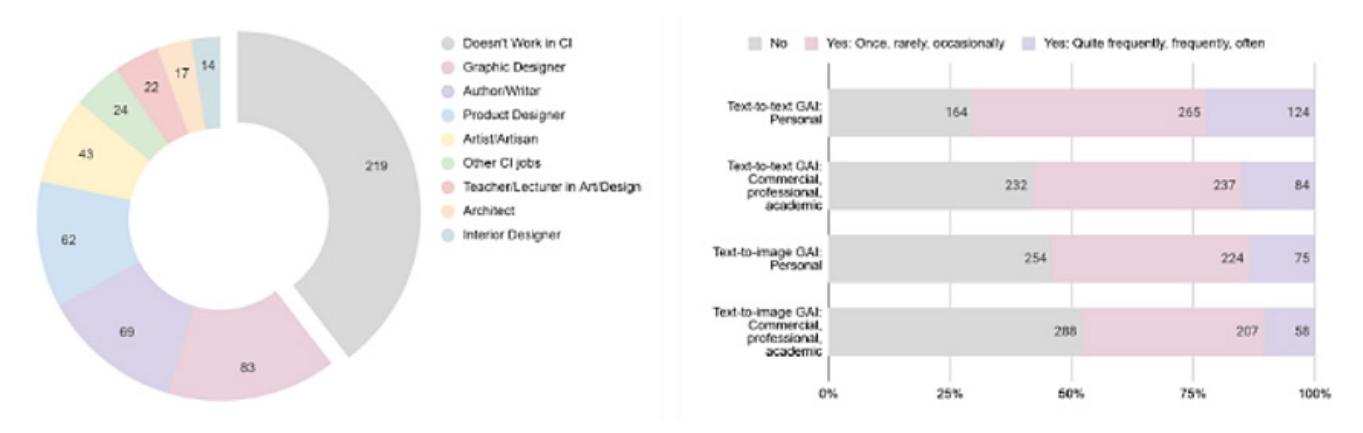
Figure 2 Respondents' occupations and familiarity with GenAI Source: Personal documentation, 2025
However, the respondents are less familiar with GenAI models, typically using them only rarely and occasionally. They are more familiar with text-to-text GenAI tools, such as ChatGPT or Gemini, than with text-to-image GenAI tools like DALL-E or Midjourney, and they primarily use them for personal purposes rather than commercial, professional, or academic use. Based on a Likert scale question, the overall familiarity score is 4.09 out of 7 (SD=2), indicating a moderate understanding of GenAI despite limited utilization.
Perception toward Case Studies
The survey evaluates four case studies of existing commercial GenAI usage in Indonesia. The first is a video advertisement made by ExtraJoss—an energy drink company—depicting the success of an Indonesian football team to invoke national pride. The second consists of two fiction book covers published by Marjin Kiri, and the third is a culturally rich Instagram post illustration for the @filsafathindu account. The image is accompanied by a lengthy caption that explains a specific concept of the religion to online audiences, highlighting the supplementary role of the image. The fourth is a promotional image for RupaAI, an AI-powered photo manipulation tool that offers paid services to enhance the portrait quality of its users. All images are shown in Figure 3.
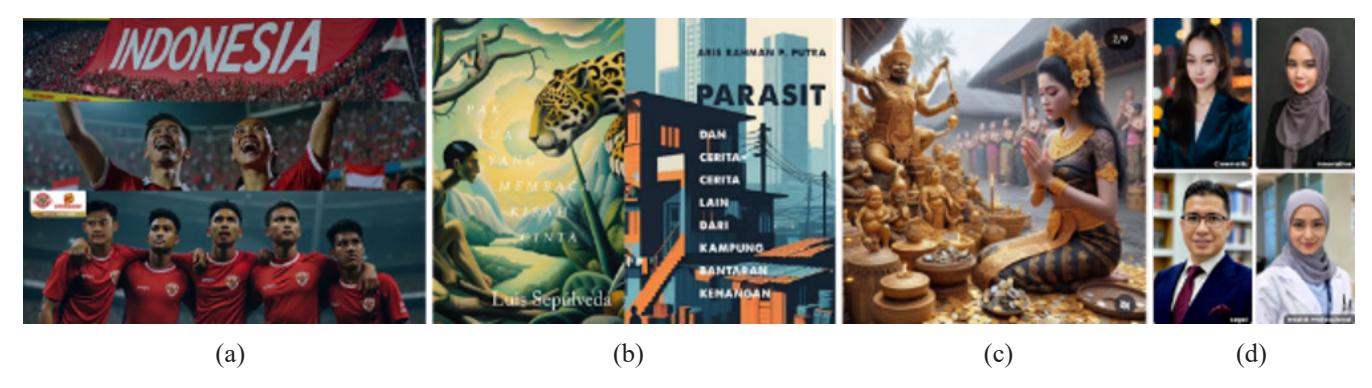
Figure 3 A collage of case studies on (a) video advertisement, (b) book cover, (c) Instagram post, and (d) image editor Source: Courtesy of (a) Extra Joss; (b) Marjin Kiri; (c) Filsafat Hindu; and (d) RupaAI from various sources
Compared to a previous study on AI-generated artworks (Wiradarmo & Azhar, 2025), which reported an overall mean of 4.75 (x̄ SD = 1.89), respondents are more receptive towards AI-generated design works, with a 0.46-point increase in the overall mean to 5.21 (x̄ SD = 1.64). This exemplifies that GenAI should be evaluated differently in the art and design fields, as both possess distinct natures and operate in separate ecosystems. Table 1 details the scores for each case study, with the highest public interest in video advertisements (M = 5.42, SD = 1.50) and the lowest, yet still highly valued, being in Instagram post illustrations (M = 5, SD = 1.80). After all, the most frequent value in all cases is 7.
| No | Image | Mean | Standard Deviation | Most Freq. Value | Least Freq. Value |
|---|---|---|---|---|---|
| 1 | Video advertisement | 5.42 | 1.50 | 7 (n=183) | 2 (n=10) & 1 (n=10) |
| 2 | Book cover | 5.07 | 1.64 | 7 (n=148) | 1 (n=18) |
| 3 | Instagram post illustration | 5 | 1.80 | 7 (n=158) | 2 (n=30) & 1 (n=30) |
| 4 | Photo manipulation | 5.35 | 1.61 | 7 (n=183) | 1 (n=14) |
| Average | 5.21 | 1.64 |
Table I Public Interest in AI-Generated Design Works
The follow-up qualitative questions reveal a range of reactions to AI-generated artworks, consistent with prior research indicating that perceptions shift upon disclosure of AI involvement. Respondents expressed a mix of amazement and reluctance towards the AI's capabilities, which sometimes heightened their interest, particularly in video advertisements characterized by detailed and eye-catching visuals. Conversely, negative feedback was observed regarding the monotone expressions and lack of human emotion, which detracted from engagement, especially due to the absence of dialogue in the videos.
In terms of photo manipulation, there is a notable receptivity when the technology is used for personal purposes, due to its relatability for individuals seeking to produce professional-quality images like LinkedIn profiles. While AI presents a practical solution for enhancing photographs, concerns about unrealistic representations remain, with perceptions of potentially misleading narratives coming into play. Some respondents advocate for ethical boundaries regarding AI usage, particularly suggesting that prominent figures such as CEOs or politicians should refrain from using AI-generated content to maintain authenticity.
The book cover case elicited negative reactions from book communities on social media, prompting publishers to express openness to AI's role in publishing. Although respondents recognized the aesthetic value of AI-created book covers, their enjoyment was diminished by worries over the displacement of human designers in cost-saving practices. Additionally, opinions differ based on the type of author, emphasizing the ethical obligations of established publishers compared to self-published writers.
The case concerning Instagram posts stood out, with respondents displaying heightened concern over AI representations of culture and religion, as these themes demand careful handling. Respondents felt uncertain about commenting, particularly on images related to Hindu culture, leading to perceptions of the imagery as striking yet overly polished and artificial. Interest in AI-generated content could rise if cultural sensitivities were not involved.
Uncanny perceptions were further explored in the survey, which identified discomfort among respondents primarily linked to AI applications like photo and video manipulation, especially regarding unauthorized manipulation of others' images. The inclusion of virtual influencers aligns with the uncanny valley theory, illustrating a threshold for acceptable realism in AI-generated content.
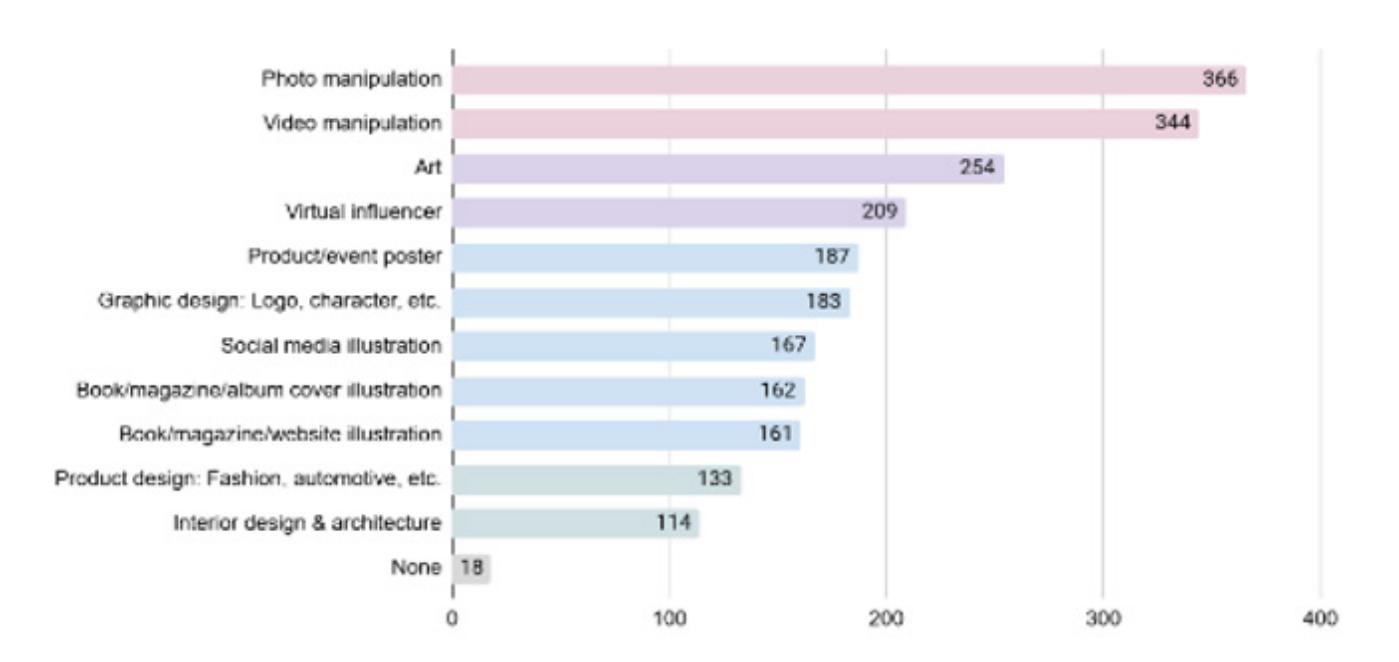
Figure 4 Uncanniness of GenAI usage in creative industries Source: Personal documentation, 2025
Meanwhile, art is uncanny in terms of emotional meaning rather than appearance, as viewers expect an emotional connection, not only based on interpreted messages but also relatability, for example, through the artists' personal lives (Wiradarmo & Azhar, 2025). Another study shows that viewers' value perception decreases when they are informed that an artwork created by a human is actually generated by AI (Fortuna & Modliński, 2021; Chiarella et al., 2022). In contrast, graphic design works such as posters and social media illustrations require a more surface-level aesthetic. As long as the message or purpose is conveyed well, respondents have less expectation of resonating with the works or seeking underlying meanings.
The uncanniness score decreases in parallel with the complexity of the final output. For instance, in interior design and architecture, there is still a lengthy process of creating technical drawings, mockups, and physical construction. There are many iterative improvements to ensure that AI-generated images can be realized in real life, primarily related to the engineering aspect. Product design, meanwhile, often integrates user feedback in several loops of testing phases. For these fields, AI involvement is still limited in the early stages, unlike graphic design, which can generate images with minimal editing and refinement, leading to another facet of uncanniness regarding human-like machine involvement.
Quantitative: General Perception
There are a total of 11 questions for quantitative evaluation as presented in Table 2. Based on the standard deviation, respondents agree that the quality of AI-generated works leans towards very good, with a score of 5.61 out of 7 (SD=1.36) and a positive perception score of 5.33 (SD=1.59). However, opinions differ significantly when assessing the works' originality (SD=1.95). This answer has the lowest mean (4), making the score lie in the neutral area. This is understandable, as the question of AI agency remains highly debatable (Epstein et al., 2020).
Despite the demand for regulations in commercial usage (M=5.9, SD=1.46), respondents slightly believe that AI does not violate IP rights (M=4.86, SD=1.78). In contrast, many creative professionals consider this a serious matter that must be addressed immediately (Murray, 2023; Samuelson, 2023; Glenster et al., 2025), proving yet another dilemmatic situation for designers. Meanwhile, a hypothetical question on how likely they are to use GenAI instead of recruiting designers if they were corporate leaders
gains a score of 4.89 (SD=1.83), and the acceptance towards GenAI usage in commercial, professional, and academic use gains a score of 4.78 (SD=1.84), showing a mean increase of 0.65 from GenAI for personal use (M=5.43, SD=1.58).
Supporting the view that GenAI adoption in art and design should be studied separately, the potential to replace designers increases by 0.78 points (M=5.2, SD=1.70) compared to the potential to replace artists (M=4.42, SD=2.10) from the previous study (Wiradarmo & Azhar, 2025). Respondents also scored the highest in acknowledging the vast potential of GenAI for frauds, misinformation, and hoaxes, such as deepfake videos (M=5.98, SD=1.46). This maps to the previous result of uncanniness in photo and video manipulation.
Table II Quantitative Results
| No | Question | Mean | Standard Deviation | Most Freq. Value | Least Freq. Value |
|---|---|---|---|---|---|
| 1 | How do you perceive the increasingly realistic AI-generated images? (1 = very unbothered; 7 = very bothered) | 4.62 | 1.65 | 5 (n=139) | 2 (n=27) |
| 2 | How good are current AI-generated works? (1 = very bad; 7 = very good) | 5.61 | 1.36 | 7 (n=181) | 1 (n=4) |
| 3 | What is your perception of AI-generated works in the creative industries? (1 = very negative; 7 = very positive) | 5.33 | 1.59 | 7 (n=183) | 1 (n=11) |
| 4 | Does utilising GenAI to mimic someone else's work violate IP rights? (1 = very violating; 7 = very not violating) | 4.86 | 1.78 | 7 (n=131) | 2 (n=33) |
| 5 | Can AI-generated works be considered original? (1 = very unoriginal; 7 = very original) | 4.1 | 1.95 | 4 (n=107) | 6 (n=55) |
| 6 | Can text-to-image GenAI be used for personal use? (1 = strongly cannot; 7 = strongly can) | 5.43 | 1.58 | 7 (n=199) | 1 (n=13) |
| 7 | Can text-to-image GenAI be used for commercial, professional, or academic use? (1 = strongly cannot; 7 = strongly can) | 4.78 | 1.84 | 7 (n=140) | 1 (n=36) |
| 8 | What is the potential of AI to replace creative professionals? (1 = very small; 7 = very high) | 5.2 | 1.70 | 7 (n=182) | 1 (n=20) |
| 9 | Answer honestly: If you were a corporate leader, how likely would you be to use GenAI instead of recruiting designers? (1 = very unlikely; 7 = very likely) | 4.89 | 1.83 | 7 (n=165) | 1 (n=31) |
| 10 | How important are the regulations related to commercial GenAI usage? (1 = very unimportant; 7 = very important) | 5.9 | 1.46 | 7 (n=278) | 1 (n=7) |
| 11 | What is the potential for frauds, misinformation, and hoaxes using AI-generated images? (1 = very small; 7 = very big) | 5.98 | 1.46 | 7 (n=304) | 1 (n=10) |
To further explore this concern, the survey measures respondents' ability to distinguish between AI-generated images and authentic works in illustration in the style of Beatrix Potter, fashion design mimicking works by Iris Van Herpen, interior design rendering by Edward George London, and a fictional virtual influencer among human beings, using multiple-choice options as presented in Figure 5. Most respondents successfully spotted the watercolor illustration made by AI (n=218). However, they fail to distinguish the other images, even choosing the heavily edited picture of an actual human as AIgenerated. The mean of correct answers is 26.9%, meaning approximately 8 out of 10 people cannot notice the difference, emphasizing the necessity of transparency in disclosing AI involvement for a fairer creative ecosystem. Nevertheless, a potential bias emerges, as the chance of being wrong is indeed higher, knowing there is only one AI-generated image among three authentic ones. The details are summarized in Table III with a yellow highlight for the correct answer and bold for the most common answer.
Figure 5 A collage of multiple choices consisting of a mix of an AI-generated image and authentic images in (a) illustration design, (b) fashion design; (c) interior design; and (d) influencer Source: Courtesy of (a) Beatrix Potter; (b) Iris van Herpen; (c) Edward George London; (d) The Clueless Agency, Puma & Pamela Reiff, Live Healthy Mag & Kellsey Wells, and Paige Hathaway from various sources
| No | n (A) | n (B) | n (C) | n (D) | n Wrong | % Wrong | n Right | % Right | SD |
|---|---|---|---|---|---|---|---|---|---|
| 1 | 137 | 218 | 110 | 88 | 335 | 60.58% | 218 | 39.42% | 1.01 |
| 2 | 116 | 117 | 141 | 179 | 437 | 79.02% | 116 | 20.98% | 1.13 |
| 3 | 78 | 170 | 131 | 174 | 422 | 76.31% | 131 | 23.69% | 1.05 |
| 4 | 130 | 193 | 97 | 133 | 423 | 76.49% | 130 | 23.51% | 1.09 |
| Average | 73.10% | 26.90% | 1.07 | ||||||
Table III Ability to Distinguish AI-Generated Works
Qualitative: Sentiment
On the positive side, many respondents view GenAI as a helpful tool that enhances efficiency and broadens creative opportunities. One respondent states, "The utilization of AI in creative industries is highly positive since it speeds up the process, affords wider idea exploration, and reduces production costs. This gives artists and designers more time to focus on the creative and innovative aspects, while AI manages technical or repetitive tasks," (R279, graphic designer). Similarly, another respondent (R083, graphic designer) notes that AI-generated content increases the speed and diversity of creative output, opening up new opportunities. This aligns with Kofler et al.'s (2024) findings that AI tools, such as AutoCAD, have increased productivity by up to 60% in specific industries and is closely related to another theme of perceived high-quality outputs. Beyond those, there is also a sentiment to adapt to technological progress by looking at technology positively to gain the utmost benefit from it. The sentiment is summarized in Figure 6.
GenAI is also seen as a cost-saving tool that might create new business opportunities for noncreative professionals. For example, R454 (non-CI) emphasizes that AI increases creative capacity and allows broader participation in art-making. It empowers ordinary people to create works that were previously out of reach:
- "[GenAI] makes it easier even for those who are unfamiliar with art to create great artworks. Also, it boosts the person's creativity during artmaking." (R536, non-CI)
- "The usage of AI-generated artworks makes it easy for everyone to create with their imagination." (R197, non-CI)
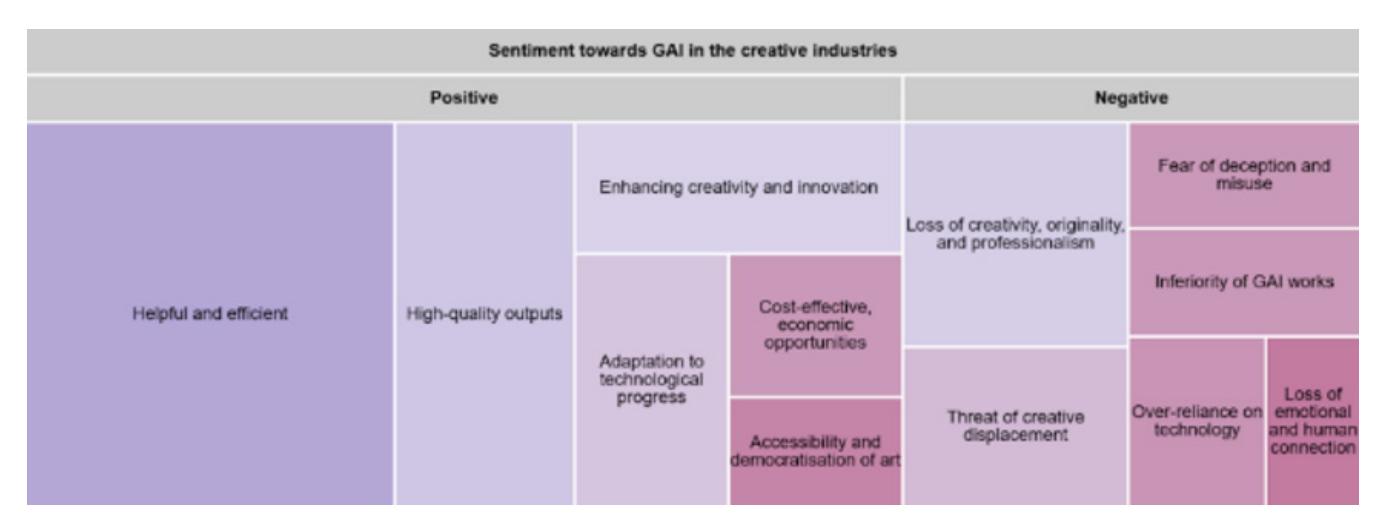
Figure 6 Thematic analysis of sentiment towards GenAI in the creative industries Source: Personal documentation, 2025
Despite its benefits, GenAI also raises new challenges. Respondents express concerns that AIgenerated content lacks creativity, originality, and professionalism. Some argue that creative industries require a human touch and that AI risks diluting artistic integrity:
- "Creative industries must have creative elements from the makers, not from AI or machines." (R288, non-CI)
- "AI could make things easier, but when the process becomes too easy, AI will lessen the imagination and creativity of those who frequently use it." (R311, graphic designer)
Related to this is the theme of the inferiority of GenAI works. Respondents question the artistic value of AI-generated content, stating that handmade works are more emotionally engaging. One respondent (R412, non-CI) reasons that AI-generated works lack the beauty and emotional depth of human-made creations. Another (R421, non-CI) emphasizes that handmade works are more distinct and meaningful.
Besides, many respondents fear that GenAI could replace human designers, reducing the demand for creative professionals. One product designer (R525) points out that although AI could make the creative industries more dynamic, it might also reduce the human role in the creative process. This reflects Christensen's Innovator's Dilemma (1997), where new technologies disrupt established professions by automating key functions.
In addition, from the creative professionals' side, there is also a fear of over-reliance on technology that could weaken creative thinking and artistic skills, such as:
- "[GenAI] makes artists lazier in finding ideas and concepts since they rely on AI." (R445, graphic designer)
- "If it is used as a support, then it is fine. However, if AI images are used excessively, then it actually gives a bad impression." (R361, author)
Still related to fear, some respondents are concerned about deception and misuse, which affect their negative sentiment towards GenAI. Interestingly, none of them mentions environmental concerns. It echoes Hagendorff (2020), who finds that there is a lack of studies on the hidden environmental cost of GenAI despite its apparent impacts. It is understandable that the public has minimal literacy on the ecological costs, and this concern does not occur to them.
Qualitative: Commercial Use
As depicted in Figure 7, respondents approve of GenAI in commercial settings, as long as it adheres to existing laws and respects intellectual property rights. For example, some say:
- "It is fine, but with a side note that there must be rules for commercial uses." (R454, non-CI)
- "No problem, as long as it follows applicable laws and regulations." (R025, non-CI)
- "It is okay, as long as it does not violate the copyrights of other people's works, because imitating someone's hard work that GenAI did not create is still unethical." (R536, non-CI)
Unfortunately, there are currently no specific regulations governing the use of GenAI in the Indonesian creative industries, nor are there guidelines in place to ensure public awareness of copyright laws. This regulatory vacuum presents another dilemmatic circumstance and ethical ambiguity as encapsulated by these arguments:
- "Because the government issues no prohibition concerning the usage of GenAI." (R063, non-CI)
- "It is not a violation, and there are no laws regulating it." (R181, non-CI)
- "No legal protection." (R478, author)
It is worth noting that most of these perspectives originate from individuals outside the creative industries, whereas R478, an author, implies a pessimistic tone. Some believe that since no official law prohibits the use of AI in creative industries, its use remains both legally and ethically permissible. This attitude suggests an assumption that there is no moral responsibility without legal responsibility. If there is no law directly and specifically prohibiting AI-generated works, they are considered acceptable for commercial use.
Related to this matter is the opinion on transparency in AI-generated content, especially in commercial settings. A graphic designer (R482) suggests that AI-generated works should include a disclaimer to prevent misleading audiences or harming other creators. This aligns with growing calls for more explicit guidelines (Carillo, 2020; Keith, 2024) and labeling of AI-generated content in the creative industries (Witttenberg et al., 2024). Likewise, a previous study found that the rising acceptance of AI artworks is contingent upon proper credit being given. In other words, viewers simply do not like being lied to (Wiradarmo & Azhar, 2025).
| Commercial use of GAI | |||||||||
|---|---|---|---|---|---|---|---|---|---|
| Allowed | Not Allowed | ||||||||
| Lack of originality and integrity | Devaluation of human efforts and skills | ||||||||
| Ethical and legal use within boundaries | Preference for personal use only | ||||||||
| Promising technology and good result | |||||||||
| No explicit legal restrictions | Economic opportunities | Rapid ideation, source of inspiration Transparency, disclosure | Violation of ethical and legal boundaries | Limiting and dulling creativity | Threat to the creative industries | ||||
Figure 7 Thematic analysis of the commercial use of GenAI Source: Personal documentation, 2025
GenAI represents a transformative technology for creative professionals, offering potential benefits such as streamlined production and reduced workload. Artists, such as R091, acknowledge the efficiency that AI can bring to creative tasks but express concern regarding over-reliance, particularly for those early in their careers. A non-creative industry respondent (R006) argues for limited AI use in the creative process to maintain authenticity. GenAI is noted for enhancing rapid ideation and sparking inspiration that can lead to quality outputs, with some respondents recognizing its role in broadening business opportunities through more diverse content creation, especially for non-creative workers.
However, a significant proportion of respondents—nearly half—express opposition to AI's application in commercial contexts. Strong ethical and legal concerns dominate these views, with a graphic designer (R162) citing the ethical implications of selling AI-generated works due to the minimal human involvement in the creative process. An author (R163) insists that AI-generated content should remain non-commercial until clear legal guidelines are established, while another respondent (R116) raises alarms about copyright infringement risks and creative theft. Concerns extend to the violation of artist ethics, as noted by an artist/craftsman (R501), and the demand for proper attribution and transparency in commercial projects emphasized by a lecturer (R301). This body of opinion underscores a prevalent preference for personal use of AI as opposed to its commercialization.
The discourse also highlights concerns over originality and integrity, pointing out a potential devaluation of human creativity in favor of technological methods. As articulated by R157, the intrinsic human nature of creativity, honed through years of practice, faces threats from AI interventions in professional realms. Comments suggest that while personal use may be benign, integrating AI into professional practices undermines the efforts of dedicated creatives. The overarching sentiment suggests that excessive reliance on AI could blur the distinction between authentic and AI-generated works, consequently diminishing artistic value and jeopardizing artistic identities.
Similar to the homogenization effect described by Boutier (2025), a homogenized creative landscape could emerge—yielding generic outputs rather than distinctive artistic expressions reflective of individual styles. An artist (R505) contends that AI's ease of use diminishes creative competitiveness, leading clients to undervalue creative work. Such trends pose significant risks to creative industries, which inherently rely on human capital—creativity, talent, and skill—unlike sectors dependent on natural or physical resources. An author (R411) warns that the pervasive application of AI could threaten the sustainability of creative businesses, echoing Christensen's Innovator's Dilemma (1997), wherein disruptive technologies, despite their efficiency-driven advantages, pose risks of professional displacement within established creative industries.
Qualitative: Creative Displacement
Respondents believe that GenAI has high potential to replace designers, due to its high-quality, realistic outputs, as shown in Figure 8. Combined with their inability to distinguish between AI-generated images, some believe it is no longer important to know the creator behind the work as long as it serves the intended function. Another primary reason is that many respondents note that AI can increase efficiency, practicality, and accessibility. It can manage routine creative tasks such as image editing, basic design drafting, and copywriting with satisfying results. One graphic designer (R083) notes that AI generates content quickly and efficiently. Another (R521) mentions the ease of use—simply typing keywords to produce decent results—suggesting that users are drawn to its practicality.
Furthermore, respondents acknowledge that technological progress is inevitable and requires creative workers to adapt accordingly. A graphic designer (R153) emphasizes that accepting technological advancement is necessary, while a non-CI respondent (R110) urges creatives to seize AI's opportunities. However, this might be challenging for those who are not technologically adept, such as the older generation or individuals with limited access to GenAI, who still produce work manually. In other words, it may amplify the gap between professionals who are literate and those who are less literate about GenAI.
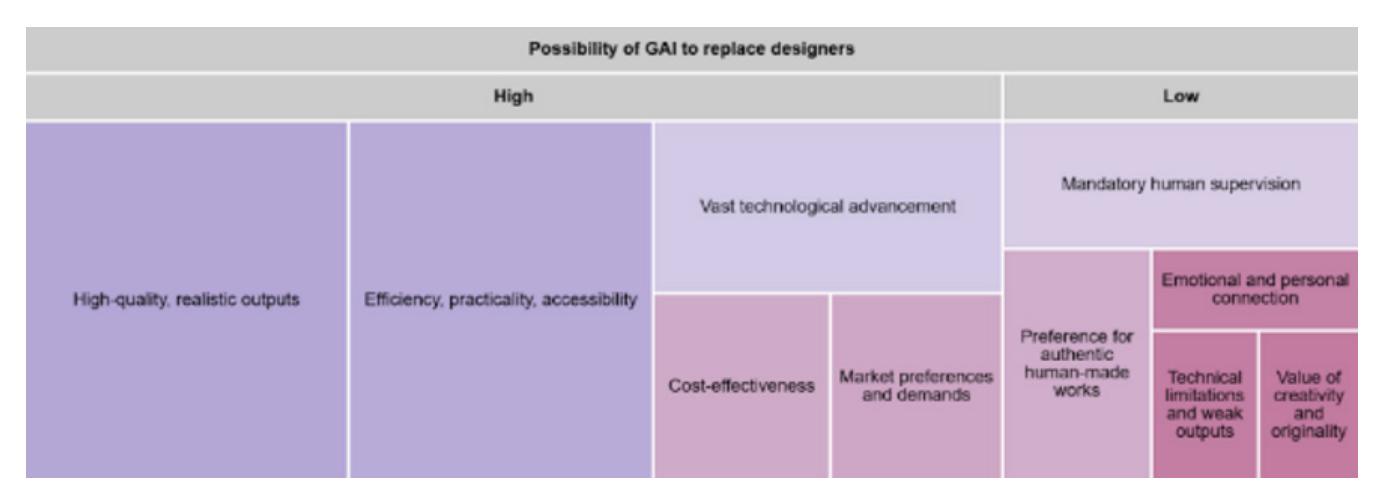
Figure 8 Thematic analysis of the possibility of GenAI to replace designers Source: Personal documentation, 2025
In the discussion of democratization brought about by Generative AI (GenAI), it is noted that GenAI opens new avenues for tech-savvy individuals who are not traditionally engaged in creative industries. It is often regarded as a cost-effective alternative for businesses focusing on profitability. A non-creative industry respondent (R460) expresses the view that profit-driven companies are likely to embrace AI solutions even at the expense of authenticity. Similarly, a content creator (R394) emphasizes AI's ability to lower operational costs, thereby appealing to commercial enterprises. This raises critical questions regarding whether GenAI serves creatives or the broader public more effectively, presenting a subject that merits deeper exploration.
Despite personal conflicts among respondents regarding their stance on GenAI, the market preferences and demands are evident and influential, as illustrated by the following observations: An author (R157) expresses skepticism about the state of the writing market, arguing that demand for affordable copywriting has diminished concerns about AI usage, resulting in a disruptive impact on price competition for non-AI writers. A graphic designer (R177) suggests that increasing utilization of AI may lead to diminishing concern for originality in artistic contributions.
When imagining leadership positions within companies, a significant number of respondents (n=325) indicate a preference for GenAI over human designers, primarily due to factors such as cost efficiency, rapid production, ease of use, and the capacity for generating high-quality outputs. This indicates that organizational considerations often overshadow ethical concerns regarding creativity, further intensifying the debate around the creative industry's essence if creativity continues to be outsourced to machines.
Conversely, those who prefer human designers (n=120) highlight human adaptability to complex design briefs and the inherent flexibility that GenAI lacks. Many participants acknowledge the iterative nature of design that necessitates multiple revisions and alternative concepts, suggesting that human designers navigate this process more effectively through collaboration and dialogue. In contrast, GenAI is perceived as falling short in terms of its capacity for significant output revision and improvement. Criticisms also extend to GenAI's deficiency in emotional intelligence, cultural sensitivity, and contextual understanding, rendering it less suitable for projects that demand depth and nuance.
Moreover, some respondents assert that the current models of GenAI, while helpful, heavily depend on human oversight. An author (R163) argues that while AI can produce content, it cannot emulate the intricacies of human creativity. A digital marketer (R111) views AI as a tool facilitating articulation of pre-existing human ideas. Another non-creative industry respondent (R096) emphasizes that certain client requests must be interpreted by humans, given the intricacies involved.
A prevalent belief amongst respondents is that those who value authenticity can distinguish between human-created and AI-generated works. A graphic designer (R534) asserts that trained individuals can
easily identify AI content, while another (R059) notes that AI fails to meet the expectations of those seeking genuine creative experiences. An author (R004) highlights the uniqueness inherent in human craftsmanship, arguing that AI-generated works often lack the depth and meaning associated with humanmade creations. An art/design lecturer (R469) further posits that GenAI outputs lack the historical, narrative, and emotional richness found in the works of artists, reflecting a consensus that creativity is not solely about generating outputs but about infusing them with meaning, emotion, and cultural significance—encompassing both the process and outcomes of creation.
Conclusion
This study examines three key objectives regarding public sentiment towards AI-generated design works, the perceived pros and cons of generative AI (GenAI) in creative sectors, and the evaluation of GenAI's potential to replace designers. The findings indicate a complex and ambivalent attitude among the Indonesian public: a higher level of acceptance for personal use of GenAI (M=5.43, SD=1.58) compared to commercial applications (M=4.78, SD=1.84), alongside significant concerns about the technology's capability to replace designers (M=5.2, SD=1.70). This ambivalence reflects a struggle between excitement for innovative possibilities and apprehensions regarding the implications for creative professionals.
The paper introduces the concept of the "designer's dilemma," highlighting two tensions that creative professionals face in the GenAI landscape. The first is the dilemma of uncanniness, which describes discomfort toward AI-generated content, especially in photo and video manipulation. This discomfort stems from the overly realistic or emotionless nature of such outputs, coupled with a perceived failure to represent cultural or religious contexts adequately, despite their high technical quality. The second is the dilemma of pragmatism, which emphasizes the practical advantages offered by GenAI, including speed and cost-effectiveness, drawing interest from even those with ethical concerns.
The inclination towards GenAI adoption among the public can be linked to these practical benefits and a prevailing regulatory void, pushing designers to adapt swiftly or risk obsolescence. This sense of urgency is particularly evident in graphic design, where workflows lend themselves to easier automation. In contrast, fields like product design, interior design, and architecture are less threatened due to their complexity and participatory nature.
The study also reveals variations in GenAI acceptance across different creative sectors. Although the efficiency and accessibility of GenAI are appreciated, domains requiring emotional depth and cultural engagement receive less enthusiasm. Moreover, respondents highlighted the absence of comprehensive regulatory frameworks governing GenAI use, indicating a willingness to adhere to proposed laws but suffering from a lack of existing guidelines. This regulatory gap heightens the risk of professional displacement and underscores the disconnection with public demand for clear regulations.
Effective governance in guiding GenAI adoption in creative fields must extend beyond mere economic efficiency. It calls for intentional regulation, ethical considerations, and policies attuned to the unique characteristics of each sector. The designer's dilemma necessitates a robust approach to navigate both the discomfort associated with uncanniness and the ethical quandaries that encourage pragmatic adoption of GenAI.
A noted limitation of the research is its focus on urban respondents, which may omit perspectives from rural populations and individuals with lower digital literacy in Indonesia. Future studies aim to explore designers' interactions and responses to GenAI to enrich the understanding of public sentiments presented in this study.
Acknowledgement
This research was supported by the Directorate of Research, Technology, and Community Development (DRTPM), Ministry of Education, Culture, Research, and Technology of the Republic of Indonesia. ChatGPT was utilized to assist in identifying thematic analysis nodes and drafting the abstract and conclusion. The authors reviewed, verified, and revised the outputs to ensure accuracy and alignment with the research context.