

INFO ARTIKEL
Kata kunci:
kecerdasan buatan, desain human-centric, etika kerja, industri 5.0
ABSTRAK
Penelitian ini mengusulkan sebuah kerangka konseptual-analitis untuk integrasi AI berpusat pada manusia dalam konteks Industri 5.0 melalui Systematic Literature Review (SLR) dan Applied Framework Analysis (AFA). Proses SLR dilakukan secara transparan menggunakan alur seleksi berbasis PRISMA untuk menyaring 48 sumber ilmiah yang menjadi dasar penyusunan kerangka. Hasil sintesis literatur mengidentifikasi tiga dimensi utama yang memungkinkan penerapan AI yang bertanggung jawab, yaitu tata kelola etis yang menekankan transparansi dan akuntabilitas, inovasi inklusif yang menangani bias serta ketimpangan digital, dan penguatan modal manusia yang berorientasi pada peningkatan kapabilitas. Ketiga dimensi tersebut disusun ke dalam sebuah kerangka sosioteknologi yang menjembatani prinsip normatif dengan praktik organisasi. Untuk menunjukkan kegunaan analisis, kerangka tersebut diterapkan pada kasus ilustratif Gojek Indonesia dengan menggunakan informasi sekunder yang tersedia secara publik, tanpa mengklaim verifikasi empiris maupun akses terhadap proses algoritmik internal. Hasil analisis menunjukkan adanya keselarasan parsial antara praktik terdokumentasi Gojek dan prinsip AI berpusat pada manusia, khususnya pada aspek transparansi antarmuka, komunikasi sistem, dan dukungan bagi pekerja, sekaligus mengungkap ketegangan terkait asimetri kekuasaan dan keterbatasan visibilitas algoritmik. Penelitian ini menyimpulkan bukti sekunder menunjukkan peluang penerapan prinsip human-centric, namun evaluasi komprehensif tetap memerlukan penelitian empiris multimetode yang menangkap pengalaman pengguna serta struktur pengambilan keputusan internal.
Introduction
The rapid advancement of Artificial Intelligence (AI) has fundamentally reshaped the world of work, triggering both structural and functional shifts in how organizations operate (Brynjolfsson & McAfee, 2014). Across manufacturing and service sectors, the automation of tasks and the emergence of intelligent systems have redefined labor roles, organizational architectures, and the relationship between humans and machines. This transformation extends beyond operational efficiency, representing a broader reconfiguration of how value is produced, delivered, and distributed across socio-economic systems.
While AI offers opportunities for productivity and innovation, it simultaneously generates risks such as job displacement, algorithmic bias, and deepening inequality in digital capabilities. Unregulated technological adoption tends to exacerbate labor polarization and ethical asymmetries (Brynjolfsson & McAfee, 2014). These challenges are particularly salient in the Global South, where digital infrastructures and institutional safeguards remain uneven (Liang, 2024; Saidakhror, 2024). As AI increasingly assumes cognitive and decision-making functions, concerns arise regarding human autonomy, fairness, and dignity in algorithmic workplaces.
Recent scholarship emphasizes a human-centric paradigm in AI integration, ensuring that technological systems remain aligned with ethical and social values. Frameworks such as human-in-theloop, responsible AI, and inclusive innovation promote participatory and transparent governance models (Floridi, 2018; Commission, 2020). Within this paradigm, user interface and user experience (UI/UX) design play a pivotal role in mediating human-AI interactions. Ethical interface design determines how workers and users perceive autonomy, trust, and control in algorithmic systems (Bennett & Keyes, 2020; Lee et al., 2022).
In platform-based ecosystems such as Gojek Indonesia, UI/UX directly shapes the lived experience of both drivers and customers. Features like algorithmic task allocation, dynamic pricing, and performance dashboards influence perceptions of fairness and agency, reflecting how interface design embodies organizational ethics. When these systems prioritize efficiency without transparency, they risk creating psychological strain and reducing workers' sense of empowerment. Conversely, human-centered UI/ UX design can operationalize ethical principles by improving feedback visibility, promoting informed consent, and supporting user well-being (Rahman et al., 2023).
Real-world manifestations of these tensions are evident across digital platforms globally (Dignum, 2019; Shneiderman, 2020; Crawford, 2021). In ride-hailing ecosystems, algorithmic task allocation systems have been critiqued for creating information asymmetries that undermine driver autonomy, while platforms utilize predictive analytics to optimize efficiency even as drivers often lack visibility into how assignments are determined or how performance metrics affect their standing (Rahman et al., 2023). Similarly, in e-commerce and delivery platforms, gamified interfaces designed to increase engagement have been associated with psychological pressure and burnout, raising concerns about whether design choices prioritize corporate profitability over worker well-being (Crawford, 2021). These cases illustrate that UI and UX are not merely technical considerations but sites where organizational ethics are enacted and contested (Dignum, 2019). When interfaces obscure decision-making logic or manipulate behavior through opaque nudges, they risk eroding trust and agency (Shneiderman, 2020). Conversely, transparent feedback systems, accessible control settings, and participatory design processes can operationalize ethical principles by empowering users to understand and shape their interactions with AI systems (Dignum, 2019; Shneiderman, 2020).
The discourse surrounding Industry 5.0 thus marks a paradigm shift from automation toward augmentation, emphasizing human–machine collaboration and ethical design (Demir & Cicibas, 2019; Xu et al., 2021). Within this transition, human-centered work design becomes crucial for ensuring adaptability, well-being, and ethical governance in AI-driven organizations. Prior research has highlighted that job crafting, participatory design, and lifelong learning initiatives contribute to organizational resilience amid technological disruption (Slemp, 2015; Grossmeier, 2020). Yet, empirical evidence on how these frameworks are realized within platform-based companies in Southeast Asia remains limited.
Existing studies have extensively examined AI's economic, operational, and regulatory dimensions, yet comparatively little research addresses how organizational design and user interface practices operationalize ethical alignment between human and algorithmic agency in real-world settings (Dignum, 2019; Shneiderman, 2020). Much of the literature remains either highly theoretical or concentrated in Western contexts, resulting in limited empirical grounding in the sociotechnical realities of platformbased firms operating in the Global South (Crawford, 2021). This study responds to that gap by examining AI integration through a sociotechnical and ethical lens, using Gojek Indonesia as an illustrative case to demonstrate how interface design, algorithmic governance, and stakeholder engagement converge to shape human-centered digital ecosystems.
This study contributes to the field by merging fragmented literature on AI ethics, work design, and platform labor into a cohesive sociotechnical framework. This framework links technological governance, organizational practices, and human values, addressing a notable gap in current research. It further operationalizes abstract human-centric principles such as dignity, autonomy, well-being, and adaptability into quantifiable dimensions—ethical governance, inclusive innovation, and future-ready human capital—which are applicable in real-world organizational contexts. This bridges normative philosophical concepts with applied analysis. Moreover, the study emphasizes the context of platform labor in the Global South, thereby correcting the geographical bias prevalent in existing studies dominated by Western examples.
The key research question is centered on how to transform these abstract human-centric principles into analyzable organizational dimensions and identify empirical evidence from platform-based firms regarding their implementation or lack thereof. This inquiry is supported by three subsidiary questions: identifying the conceptual dimensions that represent human-centric AI integration across ethical governance, innovation practices, and human capital development; observing how these dimensions are evident in organizational practices such as interface design, algorithmic transparency, and stakeholder support; and exploring methodological strategies that allow for systematic analysis of these practices in situations where access to primary organizational data is limited. By responding to these inquiries through a systematic review of literature and applied framework analysis, the study provides essential conceptual clarity for future empirical research and demonstrates immediate analytical relevance through practical case applications.
Accordingly, this study aims to critically assess how organizations align AI integration with human-centered values within work design and digital ethics. The discussion is structured around four
dimensions: (1) AI-induced disruption of labor, (2) human-centered work design, (3) ethical governance in algorithmic systems, and (4) strategic adaptation within platform-based ecosystems. Through this lens, the research contributes to ongoing discourse on sustainable and inclusive digital transformation in the Global South.
Method
This study employs a qualitative approach through a Systematic Literature Review (SLR) combined with an Applied Framework Analysis (AFA) to analyze the relationship between AI implementation and human-centric work design within the context of Industry 5.0. Positioned as a conceptual–analytical study, it develops and evaluates an analytical framework derived from existing literature and applies it to organizational practices available in the public domain. The SLR method systematically identifies, compiles, and synthesizes relevant conceptual and empirical findings, while the AFA approach is used to examine how dimensions such as transparency, autonomy, fairness, and well-being can be analytically interpreted within organizational contexts. The central inquiry focuses on how human-centric principles can be embedded into organizational strategies adopting AI in a progressive and inclusive manner.
Relevant literature was gathered through structured searches in Google Scholar, ScienceDirect, SpringerLink, IEEE Xplore, and institutional repositories. Boolean keyword combinations such as "AI AND human-centric work," "ethical artificial intelligence," "algorithmic transparency," "platform labor," "UI/UX ethics," and "inclusive innovation" were applied. The search targeted publications from 2015–2025, supplemented by seminal pre-2015 works with strong conceptual relevance. From an initial 128 records, inclusion and exclusion criteria were applied, resulting in 48 eligible references. To increase methodological transparency, the literature screening and selection process conducted in this study is summarized using the PRISMA flow diagram presented in Figure 1.
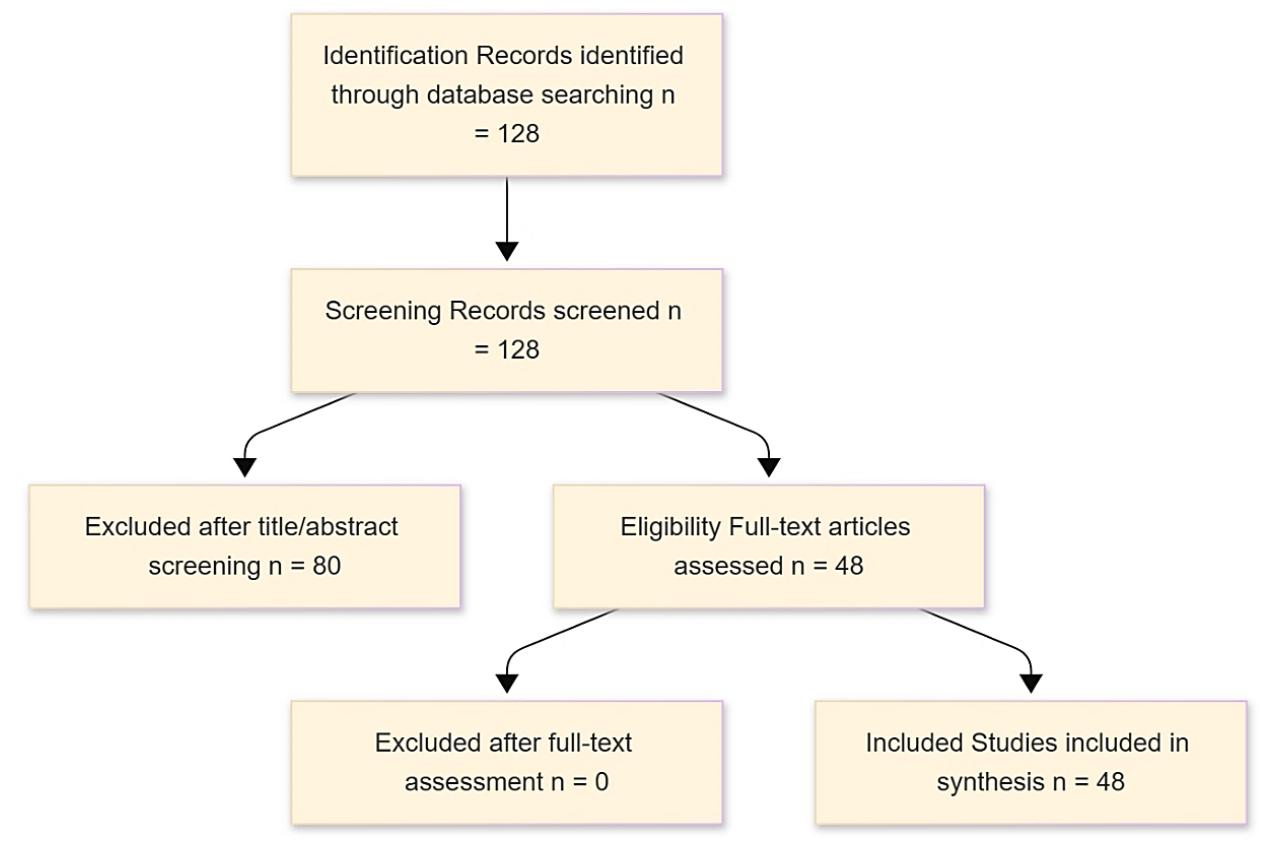
Figure 1 PRISMA Flow Diagram of the Literature Screening Process Source: Compiled and adapted by the author, 2025
The final corpus consists of 48 scholarly sources, organized into three thematic clusters. The first cluster focuses on AI-induced labor disruption and includes foundational works by Brynjolfsson and McAfee (2014) and Zhou (2023), alongside sectoral and platform-labor studies by Abuzaid et al. (2022), Bangash et al. (2024), Saidakhror (2024), Valerio (2024), Rahman et al. (2023), Veen et al. (2019), Tuomi et al. (2023), Singh (2025), Selvam (2025), Wang (2025), and others. These studies collectively illustrate how automation, predictive analytics, and algorithmic management reshape job structures, worker autonomy, and income stability across industries.
The second cluster elaborates the conceptual foundations of human-centric work design, drawing from organizational psychology and job-design scholarship. Key contributions include Gillet et al. (2013), Freeney and Fellenz (2013), Shevchuk et al. (2018), Bartels et al. (2019), Slemp (2015), Slemp et al. (2015), and Grossmeier (2020; 2020). These works highlight autonomy, well-being, meaningful work, social context, and capability development as core elements of sustainable human–machine collaboration in Industry 5.0.
The third cluster examines ethical governance and inclusive innovation, integrating normative frameworks and policy-oriented discussions from Floridi (2018), Kazim and Koshiyama (2021), the European Commission (2020), Dignum (2019), Crawford (2021), Shneiderman (2020), Lee et al. (2022), Bennett and Keyes (2020), Hinton (2023), Perron et al. (2025), and others. These studies articulate principles of fairness, transparency, accountability, participatory design, and responsible AI deployment. Together, the three clusters provide comprehensive theoretical and applied foundations for evaluating human-centric AI in organizational and platform-based ecosystems.
Academic sources form the foundation of the conceptual synthesis, while publicly available corporate documents (2023–2024) were used solely to illustrate organizational practices within the framework application. Non-academic materials such as media blogs were retained only for contextual descriptions and not treated as primary references to maintain methodological rigor.
To enhance analytical rigor despite the absence of primary data, several validation strategies were employed. Conceptual saturation was observed when additional searches produced no new themes. Negative case analysis was used to identify contrasting viewpoints within the literature. Peer debriefing with scholars in sociotechnical systems and digital labor informed refinement of the analytical framework. The illustrative analysis of Gojek provides an interpretive demonstration of how the framework can be applied to publicly available organizational information, without claiming empirical verification.
Thematic analysis followed Braun and Clarke's (2006) six-phase approach: familiarization, coding, categorizing, reviewing, defining, and synthesizing themes. This process produced three thematic dimensions that structure the discussion: (1) Disruption of labor dynamics by AI systems, (2) Conceptualization of human-centered work design, and (3) organizational responses through inclusive innovation and ethical governance. These dimensions were further examined through an illustrative application using Gojek's publicly documented practices related to AI integration, partner empowerment, data privacy, and sustainability.
To support analytical clarity, the study incorporates three tables and one figure. Table I presents representative SLR studies across the three thematic domains. Table II outlines conceptual dimensions of human-centric work design and related research gaps. Table III maps Gojek's AI-related practices against the human-centric framework. Figure 2 visualizes the core organizational pillars necessary for trustworthy and sustainable AI adoption.
Although this study relies exclusively on secondary data, the combined SLR–AFA approach provides a robust basis for synthesizing interdisciplinary scholarship and assessing the applicability of human-centric AI frameworks within organizational contexts. While the absence of primary data limits empirical generalizability, the approach is appropriate for conceptual clarification, identification of theoretical patterns, and formulation of directions for future empirical research in the development of human-aligned AI within Industry 5.0.
Results and Discussion
The findings of the Systematic Literature Review (SLR) are organized into three major thematic dimensions reflecting the study's analytical framework: (1) disruption of labor dynamics by AI systems, (2) conceptualization of human-centered work design, and (3) organizational responses through inclusive innovation and ethical governance. Each theme represents a core perspective in understanding how Artificial Intelligence (AI) influences and interacts with human-centric organizational development. Table I summarizes the representative studies identified within each dimension, highlighting their conceptual focus and relevance to the applied framework of analysis.
Table I Summary of Key Studies by Thematic Dimension
| Author, Year | Focus of Study | Conceptual Contribution | Relevance to Framework | Thematic Cluster |
|---|---|---|---|---|
| 1. (Abuzaid et al., 2022) | AI in nursing practice | Examines automation impact in healthcare professions | Highlights sectoral job transformation | Disruption of labor dynamics by AI systems |
| 2. (Adelakun et al., 2024) | AI and ethical accounting | Discusses automation effects in finance | Expands AI disruption to white-collar work | Disruption of labor dynamics by AI systems |
| 3. (Adhikari & Hamal, 2024) | AI regulations and employment | Reviews policy responses to AI-driven displacement | Links AI disruption with policy needs | Disruption of labor dynamics by AI systems |
| 4. (Austine et al., 2024) | Impact of AI on labor markets | Quantifies economic and employment shifts caused by AI | Reinforces global context of automation risks | Disruption of labor dynamics by AI systems |
| 5. (Bangash et al., 2024) | Healthcare automation through AI | Empirical evidence from health sector integration | Sectoral insight on workforce adaptation | Disruption of labor dynamics by AI systems |
| 6. (Brynjolfsson & McAfee, 2014) | Automation and digital transformation | Explores how automation reshapes labor structures | Supports understanding of labor disruption by AI | Disruption of labor dynamics by AI systems |
| 7. (Dahlin, 2024) | Social perception of AI and job loss | Investigates societal beliefs on automation | Supports sociological implications of AI | Disruption of labor dynamics by AI systems |
| 8. (Saidakhror, 2024) | AI in education and institutional readiness | Analyzes readiness to adapt AI in academia | Human resource adaptation to AI | Disruption of labor dynamics by AI systems |
| 9. (Liang, 2024) | Employment and income distribution | Explores AI impact on inequality | Provides macroeconomic labor insights | Disruption of labor dynamics by AI systems |
| 10. (Nalwade, 2024) | Adapting to AI workforce | Suggests strategies for workforce adaptation | Bridges automation with upskilling | Disruption of labor dynamics by AI systems |
| 11. (Selvam, 2025) | Predictive analytics and optimization in digital service platforms | Shows consolidation of managerial authority through AI optimization | Reinforces understanding of machine-driven labor structuring | Disruption of labor dynamics by AI systems |
| 12. (Singh, 2025) | AI-based fraud detection in gig platforms | Explores how risk scoring influences incentives and disciplinary action | Highlights algorithmic oversight and its labor implications | Disruption of labor dynamics by AI systems |
| 13. (Tuomi et al., 2023) | Algorithmic management in food-delivery platforms | Shows how algorithms structure task distribution and worker coordination | Provides empirical grounding for AI-mediated labor control | Disruption of labor dynamics by AI systems |
| 14. (Valerio, 2024) | AI and student awareness | Explores ethical readiness for AI in education | Shows digital transition in education | Disruption of labor dynamics by AI systems |
| 15. (Veen et al., 2019) | Platform labor relations and algorithmic control | Demonstrates how algorithmic decision systems reduce worker autonomy | Supports analysis of autonomy constraints in AI-driven platforms | Disruption of labor dynamics by AI systems |
| 16. (Zhou, 2023) | AI's effect on the labor market | Summarizes current research on job transformation | Provides global economic context | Disruption of labor dynamics by AI systems |
| 17. (Štilić et al., 2023) | AI in hospitality industry | Analyzes digitalization of human-intensive sectors | Broadens industrial scope of AI disruption | Disruption of labor dynamics by AI systems |
| 18. (Bartels et al., 2019) | Workplace well-being scale | Measures eudaimonic well-being at work | Defines psychological basis for well-being | Conceptualization of human-centered work design |
| 19. (Braun & Clarke, 2006) | Thematic analysis framework | Provides method for qualitative synthesis | Analytical foundation for work design analysis | Conceptualization of human-centered work design |
| 20. (Demir & Cicibas, 2019) | Industry 5.0 human-centered paradigm | Introduces human machine collaboration model | Conceptualizes Industry 5.0 values | Conceptualization of human-centered work design |
| 21. (Fatima et al., 2024) | UI/UX trust and user comprehension in AI-mediated systems | Identifies interface features that shape trust and cognitive load | Supports analysis of transparency and user control design | Conceptualization of human-centered work design |
| 22. (Floridi, 2018) | Ethical framework for good AI society | Proposes moral foundation for human centered systems | Integrates ethical values into work models | Conceptualization of human-centered work design |
| 23. (Freeney & Fellenz, 2013) | Relational job design | Explores social context in job design | Adds interpersonal factor to work structure | Conceptualization of human-centered work design |
| 24. (Gillet et al., 2013) | Procedural justice and autonomy support | Links fairness and autonomy to job satisfaction | Supports dignity & autonomy in work design | Conceptualization of human-centered work design |
| 25. (Grossmeier, 2020) | Well-being and organizational performance | Links employee health to performance outcomes | Supports institutional approach to well-being | Conceptualization of human-centered work design |
| 26. (Grossmeier et al., 2020) | Predictors of participation and health impact | Identifies workplace well-being factors | Connects well-being to organizational resilience | Conceptualization of human-centered work design |
| 27. (Slemp, 2015) | Meaningful work and adaptability | Demonstrates how meaning drives job crafting | Enhances adaptability in organizations | Conceptualization of human-centered work design |
| 28. (Qureshi, 2024) | Data transparency and informed consent in digital platforms | Emphasizes need for clear communication of data use and system logic | Provides criteria for evaluating interface-level transparency | Conceptualization of human-centered work design |
| 29. (Shevchuk et al., 2018) | Autonomy paradox in freelancers | Examines stress in flexible work | Balances autonomy and well-being | Conceptualization of human-centered work design |
| 30. (Slemp et al., 2015) | Job crafting and autonomy support | Empirical validation of job crafting benefits | Highlights autonomy support in organizations | Conceptualization of human-centered work design |
| 31. (Xu et al., 2021) | Industry 5.0 and sustainability | Explores human– machine collaboration framework | Links sustainability with human roles | Conceptualization of human-centered work design |
| 32. (Bennett & Keyes, 2020) | Fairness and disability in AI | Critiques superficial fairness frameworks | Enhances inclusivity perspective | Ethical Governance and Inclusive Innovation |
| 33. (Commission, 2020) | White Paper on AI ethics | Outlines policy framework for trustworthy AI | Policy foundation for ethical governance | Ethical Governance and Inclusive Innovation |
| 34. (Crawford, 2021) | Atlas of AI | Critiques of global power and AI inequality | Critical analysis of AI ethics | Ethical Governance and Inclusive Innovation |
| 35. (Dhurandhar et al., 2025) | AI readiness in healthcare | Investigates human-AI readiness gaps | Adds cross-sector ethical insight | Ethical Governance and Inclusive Innovation |
| 36. (Dignum, 2019) | Responsible AI development | Defines frameworks for responsible AI | Supports ethical governance | Ethical Governance and Inclusive Innovation |
| 37. (Hinton, 2023) | Ethical AI in practice | Evaluates implementation of ethical principles | Bridges ethics theory and application | Ethical Governance and Inclusive Innovation |
| 38. (Kazim & Koshiyama, 2021) | Overview of AI ethics | Reviews principles for ethical AI | Conceptual anchor for responsible AI | Ethical Governance and Inclusive Innovation |
| 39. (Lee et al., 2022) | Participatory algorithmic design | Empirical insights into co-design with AI | Supports inclusivity and transparency | Ethical Governance and Inclusive Innovation |
| 40. (McGrath et al., 2024) | Managing ethical risks in AI | Proposes ethical risk assessment model | Organizational AI governance strategy | Ethical Governance and Inclusive Innovation |
| 41. (Olatoye et al., 2024) | AI and ethics in business | Analyzes corporate responsibility in AI | Corporate-level ethical alignment | Ethical Governance and Inclusive Innovation |
| 42. (Pahuja, 2025) | Human-capital strategies for gig worker stability | Examines mitigation of income precarity through platform policies | Strengthens inclusive innovation dimension related to socioeconomic support | Ethical Governance and Inclusive Innovation |
| 43. (Perron et al., 2025) | Responsible integration of AI | Examines ethics in human services organizations | Institutionalization of AI ethics | Ethical Governance and Inclusive Innovation |
| 44. (Rahman et al., 2023) | Algorithmic | Studies worker | Links governance to | Ethical Governance |
|---|---|---|---|---|
| management in ride-hailing | experiences under AI systems | human experience | and Inclusive Innovation | |
| 45. (Shankar, 2024) | Managing AI's dual impact | Reflects on ethical paradox in AI systems | Adds conceptual balance to governance | Ethical Governance and Inclusive Innovation |
| 46. (Shneiderman, 2020) | Human Centered AI practice | Advocates for design justice in AI | Operationalizes ethical design principles | Ethical Governance and Inclusive Innovation |
| 47. (Socol & Iuga, 2024) | AI readiness in government | Assesses governance and brain drain issues | Macro-level policy connection | Ethical Governance and Inclusive Innovation |
| 48. (Wang, 2025) | Digital labor inequality in algorithmic platform economies | Shows how optimization structures can reinforce socioeconomic disparities | Enhances understanding of fairness and inclusive governance | Ethical Governance and Inclusive Innovation |
Source: Compiled and adapted by the author, 2025
The synthesized studies reveal that AI-driven transformation extends beyond technical innovation, influencing the ethical, social, and organizational dimensions of work. Across the three themes, the reviewed literature consistently emphasizes the importance of aligning automation and innovation with human values, particularly fairness, autonomy, adaptability, and inclusivity. These findings form the conceptual basis for the subsequent analysis, which explores how these dimensions are reflected in organizational practices, specifically through the illustrative example of Gojek Indonesia.
Disruption and Transformation of Human Labor in the Age of AI
The integration of AI across sectors is redefining the structure and dynamics of work, particularly within the context of the Fourth Industrial Revolution. This era is characterized by the convergence of physical, digital, and biological systems, where AI has emerged as a central force in transforming work environments, operational processes, and labor demands (Bangash et al., 2024).
One of the clearest impacts of AI is the automation of routine tasks. Industries such as manufacturing, administration, and healthcare increasingly rely on intelligent systems to perform repetitive duties. Estimates suggest that as much as 25% of job functions in the United States and Europe are susceptible to automation, potentially affecting up to 300 million full-time positions worldwide (Bangash et al., 2024). Early signs of this transformation are already evident in agriculture and hospitality, where manual labor is gradually being replaced by machines (Abuzaid et al., 2022; Štilić et al., 2023).
However, the narrative of wholesale displacement obscures more nuanced dynamics of labor reconfiguration. While automation eliminates certain task categories, it simultaneously generates demand for complementary skills in system oversight, data interpretation, and exception handling, reflecting a shift toward "task displacement" rather than full "job displacement" (Brynjolfsson & McAfee, 2014). This suggests that the labor market impact of AI is mediated by institutional responses, educational systems, and policy interventions that shape workforce adaptability (Adhikari & Hamal, 2024; Nalwade, 2024). Nevertheless, evidence indicates that workers with lower educational attainment and those in routineintensive occupations face disproportionate adjustment costs, intensifying pre-existing socioeconomic inequalities (Dahlin, 2024; Liang, 2024). In the Global South, these challenges are further compounded by infrastructural limitations and weaker social protection systems, making inclusive reskilling strategies essential for equitable digital transformation (Saidakhror, 2024).
This wave of automation raises concerns over workforce displacement, especially among low- and mid-skilled workers. Scholars like Brynjolfsson and McAfee (2014) have cautioned that automation may
lead to widespread job loss (Zhou, 2023; Austine et al., 2024). The impact is not evenly distributed, as workers with lower income and education levels tend to be more vulnerable, whereas individuals with advanced digital or AI-related skills are better equipped to adapt. (Adhikari & Hamal, 2024; Dahlin, 2024; Liang, 2024).
Beyond automation, AI is also reshaping the essence of human labor. In education, for instance, AI supports administrative tasks and tailors learning experiences to meet individual student needs (Saidakhror, 2024; Valerio, 2024). Nevertheless, increased dependence on AI also brings new ethical and technical challenges, such as risks to data privacy, algorithmic bias, and opaque decision-making processes (Štilić et al., 2023; Shankar, 2024).
To respond effectively, institutions must focus on reskilling and adaptability. Policymakers and organizations are urged to design inclusive strategies that enable workers to shift into new roles where human capabilities complement AI systems (Adhikari & Hamal, 2024; Nalwade, 2024). Such actions are crucial to achieving a fair and sustainable transformation of the labor market.
Although existing research has thoroughly discussed the economic and technological consequences of AI on employment, less attention has been paid to its broader sociotechnical implications. This paper aims to fill that gap by exploring how AI not only disrupts existing jobs but also redefines the meaning of work itself, advocating for a human-centered approach that respects individual agency, cultural nuance, and organizational renewal in the age of intelligent machines.
The disruptions documented above intersect critically with work design and interface considerations that mediate human–AI interaction. When automation reshapes task structures, the design of remaining human roles determines whether workers experience augmentation or deskilling. Interface design choices such as whether systems explain their decisions, allow human override, or provide feedback mechanisms directly influence worker autonomy and skill development (Shneiderman, 2020). In platform labor contexts, UI and UX elements, including task notification systems, performance dashboards, and algorithmic transparency features, shape how workers understand their relationship to automated coordination systems, influencing perceptions of fairness, control, and professional identity (Lee et al., 2022). Thus, the labor disruptions discussed in this section are not inevitable consequences of technological advancement but outcomes shaped by design decisions that can either reinforce or mitigate negative impacts on human workers. This recognition motivates the subsequent examination of humancentric work design principles that offer alternatives to purely efficiency-driven automation paradigms.
Human-Centric Work Design: Concepts and Key Dimensions
Human-centric work design has emerged as a critical framework in contemporary organizational development, particularly amid technological transformations. This design prioritizes essential values such as dignity, autonomy, well-being, and adaptability, which are instrumental in elevating employee satisfaction, engagement, and aligning organizational practices with sustainable human development.
Dignity is closely associated with autonomy, which greatly impacts job satisfaction and performance. Research indicates that employees who perceive high levels of procedural fairness and autonomy exhibit enhanced organizational commitment and well-being (Gillet et al., 2013). However, the relationship between autonomy and well-being may be complex; it can lead to increased workloads and stress, especially for those in freelance or project-based roles. This phenomenon, known as the autonomy paradox, suggests that while autonomy can promote freedom in work processes, it may simultaneously pose challenges such as persistent pressure and time constraints (Shevchuk et al., 2018).
Well-being is another integral facet, encompassing individual health, productivity, and interpersonal relationships in the workplace. A positive social environment and strong workplace relationships are vital for fostering employee engagement and well-being (Bartels et al., 2019). Additionally, relational job design, which emphasizes collaboration and social interaction, enhances satisfaction and contributes to a robust organizational culture (Freeney & Fellenz, 2013).
Adaptability has become increasingly important due to rapid technological changes. Job crafting, a proactive approach whereby employees redefine their roles according to their strengths and values, is one method that enhances adaptability and psychological well-being (Slemp et al., 2015). Organizations also play a crucial role in this process by establishing systems that encourage continuous learning and create an environment conducive to health and sustainability. Successful adaptation strategies are often supported by cultural shifts implemented by leadership and systemic changes that bolster employee resilience against fluctuating work challenges (Grossmeier et al., 2020).
The integration of these concepts signifies a transition towards comprehensive, responsive work design models focused on human experiences and needs. However, despite increasing interest in these aspects, many studies are disparate and lack cohesive links to technological applications in actual settings, highlighting a significant research gap in framing applied, adaptable frameworks that marry empirical evidence with human-centered values.
To encapsulate the integration of literature and identify research gaps in human-centric work design, a summary table of key dimensions would be beneficial.
Table II Key Dimensions of Human-Centric Work Design
| Dimension | Key Concept | Supporting Studies | Identified Research Gap |
|---|---|---|---|
| Dignity & Autonomy | Fairness, supervisor support, freedom in task execution | (Gillet et al., 2013; Shevchuk et al., 2018) | Lack of balance between autonomy and workload in flexible work arrangements |
| Well-being | Interpersonal relationships, emotional engagement, collaborative work culture | (Bartels et al., 2019; Freeney & Fellenz, 2013) | Limited integration of social well-being in formal organizational design frameworks |
| Adaptability | Job crafting, proactive behavior, organizational support, design flexibility | (G. R. Slemp et al., 2015; Grossmeier et al., 2020) | Few studies link adaptability explicitly to service design and organizational culture in the AI driven era |
Source: Compiled and adapted by the author, 2025
This human-centric framework serves as a theoretical foundation for evaluating whether current and emerging AI-integrated work environments can sustain and enhance human values. The need for organizations to realign their operational models in accordance with these dimensions is increasingly critical as the workplace continues to evolve under technological pressure.
Strategic Organizational Response to AI Integration
The integration of AI into organizational systems requires more than the mere provision of technical capabilities. It necessitates a strategic commitment to values that are ethical, inclusive, and centered on human well-being. As illustrated in Figure 2, the proposed framework consists of three fundamental pillars that support the sustainable and trustworthy adoption of AI: ethical governance, inclusive innovation, and future-ready human capital. These pillars are anchored in the overarching principle of human-centric organizational values, which ensures that AI technologies are designed to empower individuals rather than replace or marginalize them.
Figure 2 Strategic Pillars for Human-Centric and Trustworthy AI Integration Source: Compiled and adapted by the author, 2025
Strong ethical foundation serves as the primary pillar for the trustworthy use of artificial intelligence (AI), highlighted by three main components: algorithmic transparency, accountability mechanisms, and prioritization of privacy and data ethics. Algorithmic transparency promotes understandable and auditable AI operations, which builds public trust and fosters fair outcomes. Accountability involves defining clear responsibilities for AI-related decisions within organizations. Privacy and data ethics emphasize the importance of safeguarding user data and ensuring AI practices comply with privacy regulations and societal standards. The absence of this ethical governance could lead to AI systems that are opaque and potentially harmful (Hinton, 2023; Olatoye et al., 2024).
The second pillar, inclusive innovation, underscores the necessity of reflecting user diversity in AI development and deployment. Incorporating a range of perspectives in algorithm design helps minimize biases and exclusion. Active measures must be taken to address the digital divide, providing equal access to AI technologies across various demographics. Furthermore, sector-specific ethical adaptations are crucial, acknowledging that AI ethics can differ significantly across industries like healthcare, education, and transportation (Kazim & Koshiyama, 2021; Socol & Iuga, 2024).
In the evolving landscape of work due to AI advancements, fostering future-ready human capital is essential. This encompasses equipping employees with the technical skills necessary for navigating AI tools and systems, as well as offering ethical training that encourages responsible engagement with AI technologies aligned with human values. Another vital aspect is preparing employees for effective collaboration with AI, ensuring that human capabilities are enhanced rather than diminished in coordination with intelligent systems (Adelakun et al., 2024; Dhurandhar et al., 2025).
In summary, the sustainable and trustworthy integration of AI transcends mere technological deployment; it necessitates strategic investments by organizations into governance frameworks, inclusive innovation practices, and human capital development that embody and enhance human-centric values. The conceptual framework illustrated in Figure 2 acts as a structural guide for institutions aiming to incorporate responsibility, inclusivity, and resilience into their AI strategies, thus effectively bridging the gap between technical capabilities and ethical considerations (McGrath et al., 2024; Perron et al., 2025).
Human-Centric AI Implementation in Gojek: An Illustrative Analysis
Gojek serves as a representative case study due to its status as one of Southeast Asia's largest and most technologically advanced digital platforms, functioning as a multi-service ecosystem that relies on algorithmic coordination. This choice allows for an examination of human-centric AI principles through publicly available information, focusing on theoretical frameworks rather than empirical validation or internal insights (Tuomi et al., 2023). The analysis presented relies entirely on secondary literature, emphasizing that the findings are interpretive and drawn from synthesized research on platform labor rather than direct observational data from Gojek's internal operations or worker experiences.
The core operational framework of Gojek is algorithmic management. Research into ridesharing and food delivery platforms demonstrates that algorithmic systems regulate work distribution, enhance efficiency, and dictate behavioral norms between workers and consumers (Tuomi et al., 2023). Nevertheless, these efficiencies also have significant labor-related consequences. Veen et al. highlight that platform algorithms often create power imbalances by controlling order access, visibility, and earnings without negotiation, which affects drivers' autonomy and agency (Veen et al., 2019). Such dynamics reflect wider critiques of platform capitalism, as algorithmic decision-making tends to operate through non-transparent systems that concentrate managerial power (Selvam, 2025).
Furthermore, AI-driven decision-making systems amplify these issues. Singh illustrates that models for fraud detection and risk assessment in the gig economy add layers of algorithmic oversight influencing driver incentives and account stability (Singh, 2025). Selvam indicates that predictive analytics and realtime optimization centralize decision-making authority within algorithmic processes, which directly impacts drivers and highlights the necessity for transparency and procedural fairness (Selvam, 2025).
User interface (UI) and user experience (UX) design are crucial in mediating the interactions between platforms and workers. Literature on human-AI interaction highlights that interface design significantly impacts user trust, understanding, and control (Fatima et al., 2024). In labor settings, elements such as dashboards, rating systems, notifications, and behavioral nudges act not merely as technical tools but also as governance mechanisms that direct worker behavior and affect economic outcomes (Qureshi, 2024). Thus, clear communication regarding data use, algorithmic logic, and performance repercussions is vital for fostering accountability and trust (Fatima et al., 2024).
Moreover, Gojek's operations highlight broader socio-economic challenges. Gig economy workers often contend with income instability, demand fluctuations, and unilateral platform governance (Pahuja, 2025). To mitigate worker precarity and enhance resilience, Pahuja advocates for incorporating humancapital development strategies, such as income stabilization methods and adaptive support systems (Pahuja, 2025). Wang warns that optimization strategies of platforms may exacerbate inequality unless counterbalanced by governance frameworks that prioritize fairness, participation, and inclusive design (Wang, 2025).
The connection between Gojek's documented practices and the proposed human-centric AI framework can be analyzed through three key dimensions: ethical governance, inclusive innovation, and future-ready human capital. An outline of these dimensions is available in Table III.
Table III Mapping Gojek's AI Initiatives to Human-Centric Strategic Framework
| Human-Centric Dimension | Summary of Gojek Practices from Secondary Literature | Targeted Human Values |
|---|---|---|
| Ethical AI Governance | Fraud detection models and risk scoring oversight (Singh, 2025); algorithmic management structures (Veen et al., 2019; Tuomi et al., 2023) | Fairness, accountability, procedural transparency |
| Inclusive Innovation | Interface communication, behavioral nudges, and transparency-oriented UI/UX design (Fatima et al., 2024; Qureshi, 2024) | User empowerment, informed decision making, accessibility |
| Future-Ready Human Capital | Worker resilience and income-stability approaches in gig work (Pahuja, 2025; Wang, 2025) | Welfare, stability, economic inclusion |
Source: Compiled and adapted by the author, 2025
Critical Assessment: Rhetoric versus Reality
While Table III illustrates Gojek's alignment with human-centric principles, a critical assessment reveals discrepancies between corporate communications and actual on-the-ground practices, highlighting three key tensions. Firstly, although transparency mechanisms like earnings dashboards enhance information visibility, they do not guarantee algorithmic accountability. Drivers may see their earnings but often lack insight into how assignment algorithms prioritize or penalize behaviors, leading to a state of "transparency without power" (Bennett & Keyes, 2020). Secondly, the term "partnership" in driver relations may mask the unequal power dynamics in platform labor, where workers face economic risks while platforms maintain algorithmic control and can change terms unilaterally (Crawford, 2021). Finally, welfare programs, such as pandemic relief initiatives, are valuable but may also serve strategic goals like regulatory compliance and reputation management, complicating assessments of ethical commitment.
In a broader context, Gojek operates in Indonesia's evolving regulatory landscape, which has introduced platform economy regulations since 2019 that address driver welfare and data protection. These external pressures, combined with internal values, suggest that Gojek's human-centric features stem from both organizational commitment and adaptation to regulations. Additionally, Gojek's role as a local entity competing against multinational companies provides incentives to adopt stakeholderoriented practices that align with Indonesian cultural values emphasizing communal responsibility. Without comparing competitors or longitudinal assessments of practice evolution, claims regarding Gojek's exceptionalism remain unsubstantiated. The analysis points to promising practices that warrant further investigation, rather than established best practices for replication.
Despite the limitations, Gojek serves as a valuable case study, demonstrating that human-centric principles can coexist with commercial platform models. Organizations can pursue transparency, worker discretion, and support mechanisms while also ensuring operational efficiency and profitability. This case exemplifies how ethical commitments can translate into actionable choices, governance frameworks, and stakeholder initiatives, providing a reference for evaluating similar organizations. Moreover, it highlights the complexity of human-centric AI, showing that efforts like interface transparency, welfare programs, or bias auditing are insufficient in isolation; instead, alignment across governance, innovation, and human capital is necessary for sustainable practices.
For researchers and practitioners in the Global South, Gojek illustrates the potential for adaptation within local institutional constraints, cautioning against the uncritical adoption of Western-centric frameworks that do not consider distinct regulatory and labor market dynamics in emerging economies. The analysis of Gojek's AI strategy shows a conceptual mapping of human-centric principles, ethical governance, inclusive innovation, and stakeholder empowerment onto organizational practices in a commercial platform setting. While the documented initiatives reflect engagement with AI-mediated work's sociotechnical challenges, significant methodological limitations exist. Reliance on publicly
available documentation restricts access to proprietary algorithms and decision-making processes, leaving out essential worker and user perspectives. Focusing on one organization's context limits the generalizability of findings across various platform types and regulatory frameworks. Future research should leverage multi-method approaches, combining ethnography, worker interviews, and algorithmic system audits to better understand how human-centric AI principles can be genuinely institutionalized rather than merely invoked rhetorically (McGrath et al., 2024; Perron et al., 2025).
Conclusion
This study presents a sociotechnical framework aimed at integrating human-centric AI within Industry 5.0 through a systematic review of 48 scholarly sources. It identifies three interdependent pillars essential for sustainable and responsible AI adoption: ethical governance, inclusive innovation, and future-ready human capital. Ethical governance emphasizes algorithmic transparency and accountability, while inclusive innovation addresses digital divides and prevents biases. Future-ready human capital focuses on enhancing capabilities rather than displacing the workforce. These pillars serve as actionable dimensions for assessing whether AI adoption promotes human flourishing or merely improves efficiency at the cost of dignity, autonomy, and well-being.
The practical application of these principles is illustrated with Gojek Indonesia, exemplifying various organizational practices such as transparent earnings dashboards, flexible task acceptance, welfare support initiatives, and evaluations of algorithmic fairness. Key interface features, including fare breakdowns and performance visibility, demonstrate how ethical commitments can be enacted and negotiated within technology-mediated control structures.
However, the study acknowledges several methodological limitations, such as reliance on publicly available documents which offers limited insight into proprietary algorithms and the worker experience. This focus on a single case further limits the generalizability of the findings, particularly in the context of the Southeast Asian platform economy, which may not readily apply to other regions or regulatory environments.
Thus, future research is advised to utilize multi-method designs merging computational audits, ethnography, and longitudinal interviews to discern whether observed organizational practices genuinely reflect ethical commitments or are merely tactical responses to market pressures. Despite these challenges, the framework provides an analytical lens for understanding the interaction between AI technologies, organizational practices, and human values within the vision of Industry 5.0. It highlights the importance of dignity, autonomy, well-being, and adaptability in sustainable digital transformation, especially for platform systems in emerging economies. While originating from platform labor contexts, the framework's pillars are applicable across diverse sectors where AI intersects with human work, such as manufacturing, healthcare, and education.