

INFO ARTIKEL
Kata kunci:
sosioteknologi, design thinking, strategi penetrasi pasar,wisata religi islam, inovasi teknologi
ABSTRAK
Meskipun prospeknya menjanjikan, pariwisata religi Islam di Indonesia menghadapi tantangan yang terus-menerus, khususnya rendahnya adopsi teknologi yang disebabkan oleh ketidaksesuaian strategi sosial-budaya. Studi ini bertujuan untuk mengidentifikasi persona pengguna, fitur platform yang tepat, dan strategi penetrasi pasar yang efektif untuk platform pariwisata religi Islam Nusantara. Dengan menggunakan desain metode campuran, studi ini menerapkan prinsip-prinsip Design Thinking (empati, definisi, ide, prototipe, dan uji) bersamaan dengan teori adopsi Graham Robertson.
Data dikumpulkan dari 4 partisipan wawancara mendalam, 32 responden kuesioner, dan 10 evaluator prototipe dari komunitas Muslim Ahlusunnah Wal Jama'ah (ASWAJA) di Nusantara. Temuan tersebut mengonfirmasi tiga fitur inti platform, yaitu (1) informasi destinasi pariwisata religi, (2) pemesanan hotel, dan (3) panduan ibadah dan doa. Dua kategori pengadopsi dominan diidentifikasi — Trend Influencer dan Late Mass — yang sesuai dengan strategi Craft Brand dan Power Player yang selaras dengan pendekatan Blue Ocean dan Red Ocean. Secara teoretis, studi ini memberikan kontribusi berupa model adaptif kontekstual yang mengintegrasikan Design Thinking dengan kerangka penetrasi pasar Robertson, sekaligus menawarkan rekomendasi praktis bagi pengembang platform, pembuat kebijakan, dan pengelola destinasi yang mencari inovasi digital yang selaras secara budaya.
Introduction
Indonesia boasts the world's largest Muslim population, totaling an estimated 229.62 million individuals, which accounts for approximately 87.2% of the country's total residents. It is foreseen that by 2030, 2.2 billion people, or 23% of the global population, will be Muslim, with Indonesia's Muslim population accounting for about 13.1% of the total Muslim population (Matsuki, 2020).
Indonesia's Muslim majority predominantly follows the Sunni tradition, specifically theAhlusunnah Wal Jama'ah (ASWAJA). In fact, this Muslim community with a dominant Indonesian understanding of ASWAJA plays a crucial role in propelling the nation forward. The implementation of ASWAJA principles in education has strengthened national character by promoting values like tolerance, moderation, and justice, which are crucial for preserving Indonesia's diverse identity within the Unitary State of the Republic of Indonesia (NKRI) (Hakim et al., 2022).
ASWAJA Muslims in Nusantara often schedule visits to the tombs of holly men (Wali Allah) and scholars (Ulama') on a regular basis. This is a beloved tradition for many Indonesian Muslims and is also seen as a cultural and local practice with deep religious significance, as a form of appreciation and continuation of the legacy of the ancestors, scholars, and warriors who spread Islam and fought for the nation (Saini et al., 2022). According to NU Online, the purpose of this pilgrimage is to pray to God, seek blessings, and be reminded of the piety of saints and scholars (Haq, 2019). The perception of ASWAJA as a "traditional" community often stems from its practice of incorporating local cultural tradition within an Islamic framework (Wahid, 2020).
Pilgrimage has evolved from a purely religious act into a form of religious tourism (Muliadi et al., 2020). In fact, religious tourism is a significant contributor to a nation's economy, society, and cultural heritage. As time goes by, religious tourism is expanding as it offers universal and beneficial values such as education and the preservation of local wisdom, making it appealing across different belief systems and to the general community. Halal tourism includes natural, cultural, or man-made tourism that incorporates Islamic principles and values (Subarkah, 2018).
The State of Global Islamic Economy Report (SGIE) 2023/2024 reports that Indonesia is in the top 10, ranking 3rd in Islamic sectors. However, Indonesia does not currently rank within the top 10 destinations in Muslim-friendly travel (SGIE, 2023). The halal tourism sector still faces many challenges such as limited technology use, insufficient infrastructure, poor language skills, weak regulation and management, inadequate human resources, and a scarcity of halal certifications (Hakim, 2021).
Using technology is deemed a necessity in this era to expand promotional reach, preserve Nusantara traditions in the digital age, and boost infrastructure innovation in this sector. As technology develops, human cultures adapt. This has led Indonesian Muslims, particularly those of the ASWAJA, to engage with the digital world to explore their faith and perform acts of worship. As the new era of Society 5.0 begins, the rapid advancement of artificial intelligence and other technological innovations will continue to be driven by the goal of simplifying human life, as human and technology are becoming inseparable.
In achieving digital transformation, Android-based religious tourism applications and information systems enhance accessibility to information, streamline travel efficiency, and improve the overall visitor experience. However, current literature often prioritizes system functionality over user-centric behavior and needs (Basith et al., 2021; Hakim & Muhajarah, 2023; Sunaria et al., 2020). Accordingly, the Indonesian Internet Service Providers Association (APJII) mentioned that in 2023, the island of Java accounted for the largest portion of Indonesia's internet users, with a contribution of 58.51% of the total population. In addition, Indonesia's internet penetration is highest among the younger demographic (ages 13-34), followed by the middle-aged group (ages 35-54) (APJII, 2023).
This study referred to the design thinking method that drove innovation by using a human-centered iterative process of empathy, define, ideate, prototype, and test (Kelley & Brown, 2018). Additionally, the adoption theory by Graham Robertson was also incorporated to formulate effective market penetration strategies, which corresponded with the competitive nature of both Blue and Red Ocean strategies (Robertson, 2018).
Drawing upon established facts and previous literature reviews, they prioritized religious traditions, spiritual activities, and mobile application functionality but had given limited attention to users' perspectives and socio-cultural alignment. Therefore, the study addressed this gap by integrating the Design Thinking framework with Graham Robertson's market penetration strategy to formulate usercentered innovations that were aligned with existing traditional values and practice and also examined how potential users adopted these solutions.
Thus, the problem identifications were (1) undefined platform user personas, (2) unrecognized platform features, and (3) ineffective market penetration strategy due to limited socio-cultural literacy. For this reason, the research study aimed to find the user persona and appropriate features of the Nusantara Islamic religious tourism platform service, as well as find the pertinent strategies to penetrate the target market.
This study provided theoretical implications through integrating design thinking frameworks with Graham Robertson's market penetration strategy into a context-adaptive model and offered practical recommendations in cultural, religious, and social contributions for platform developers, tech startups, policymakers, and destination managers. To be more specific, the practical insights from this research can guide system improvements efforts and enhance cultural alignment and innovation acceptance.
Design Thinking Theory
According to Kelley & Brown (2018), the design thinking method is a human-centered approach to problem-solving that fosters innovation through a flexible iterative process. It emphasized understanding the end users and continuously refining solutions based on feedback. This method typically follows a nonlinear five-stage framework. The first stage is 'empathize': deeply understanding the needs, challenges, and perspectives of the target users through observation and interactions. Empathy mapping was also used as a tool to understand what participants think, feel, say, and do, as well as what pains and gains they experience (Gray, 2017). The second stage is to 'define': synthesizing the gathered information to clearly articulate the core problem that needs to be solved. The third is to 'ideate': brainstorming a wide range of creative solutions and potential approaches to the defined problem. The fourth stage is 'prototype': building preliminary, low-cost versions of the solutions to test the concept in a tangible way. The last is to 'test': gathering feedback from users or evaluators on prototypes and using the insights gained to refine the original problem statement, ideas, and prototypes in an iterative loop (Kelley & Brown, 2018).
Graham Robertson's Model
The adoption theory by Graham Robertson is also incorporated to formulate effective market penetration strategies.
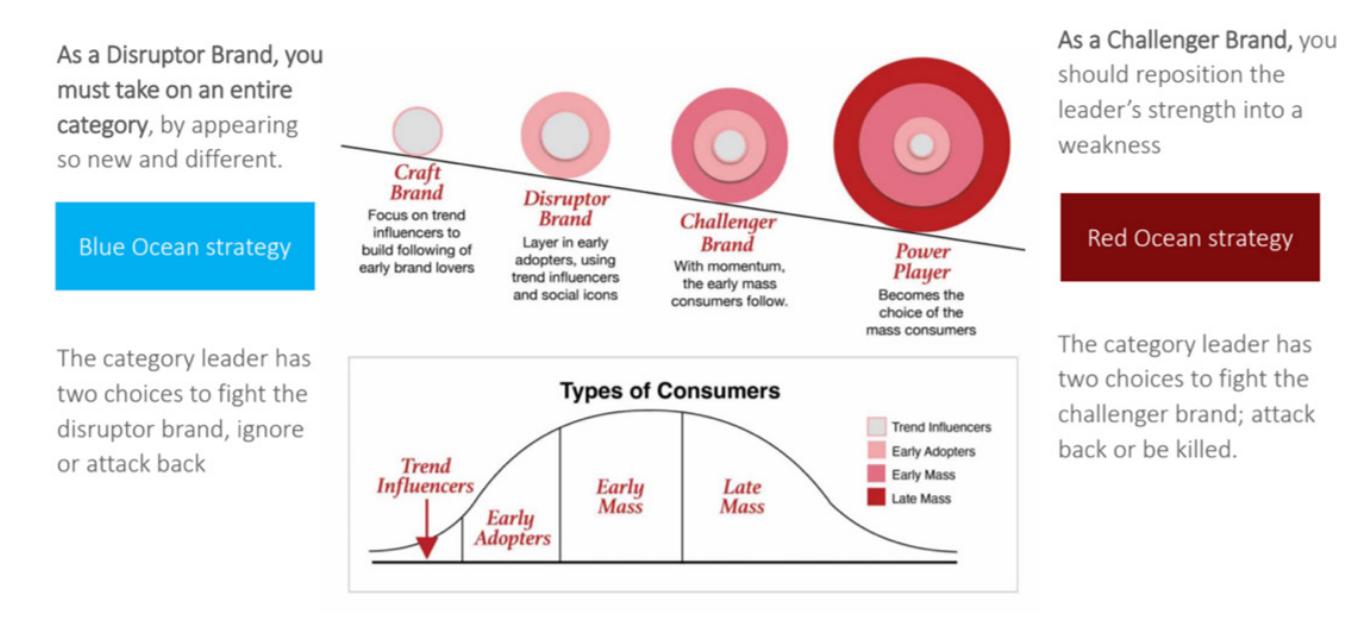
Figure 1 Market Penetration Strategy and Positioning Source: Robertson, Beloved Brands (2018)
Figure 1 above illustrates that the adoption of a brand (as well as a product) varies over time, leading to four distinct categories of adopters: (1) trend influencer, (2) early adopters, (3) early mass, and (4) late mass in the context of market penetration.
There is the trend influencer type, representing 2-3% of the market. This type of adopter follows trends and is enthusiastic about trying new things for the first time in their social circle. They strongly trust and rely on experts as their source of knowledge to convince them to use a brand. Marketing aimed at this type of adopter should prioritize engagement with discerning experts and key opinion leaders (KOLs). The strategy focuses on equipping these influential voices with the brand's unique story and characteristics. This type of adopter aligns well with one strategy, namely the craft brand strategy, which is more commonly referred to when a startup enters the entry-level phase. Besides, this strategy strongly reflects the principles of Blue Ocean Strategy, making competition irrelevant and focusing on added value (Robertson, 2018).
The early adopters type, representing 10-15%, relies on trend influencers to seek information and knowledge about new brands. This type of adopter often turns to trend influencer adopters for guidance and insights regarding emerging brands. However, they also use social icons as a secondary source of information for validation. This type of adopter fits well with disruptor brand strategy. In this positioning, Disruptor brands must aggressively compete with leading brands. To attract early adopter customers, companies must provide differentiated added value to differentiate themselves from competitors (leading brands), which slightly reflects the principles of Blue Ocean Strategy (Robertson, 2018).
The early mass type, representing 80%, is the type of adopter who seeks guidance from respected individuals they know within their social circle. The behavior of early adopters influences this group's decisions. These are the people who typically are consulted for advice on a specific subject. They want confirmation and evidence that the brand or product lives up to its commitments. So, this type of adopter is most suitable for a challenger brand strategy. In this positioning, the brand is poised for strong competition against established market players. Due to the significant adopter bases of these leading competitors, success in head-to-head competition will demand a strong brand identity and superior financial resources. This approach is characteristic of a highly competitive one, which reflects the Red Ocean Strategy (Robertson, 2018).
Lastly, the late mass type, including the early mass, represents 80% and is the slowest type of customer to adopt a brand. They typically seek out friends and families to recommend a brand, but only when they feel the need to do so. The brand must focus more on the mass market, achieving maximum exposure and high sales volumes rather than catering to individual needs. This type of adopter aligns well with the Power Player Strategy, which strongly reflects the principles of the Red Ocean Strategy, with the primary goal of outperforming rivals rather than creating new market demand (Robertson, 2018).
Blue Ocean and Red Ocean Strategies
Blue Ocean Strategy creates new, uncontested market spaces, rendering competitors irrelevant through value innovation and untapped demand. It focuses on high-growth opportunities, whereas Red Ocean Strategy involves competing in existing, saturated markets, following established rules, and battling for market share (Kim & Mauborgne, 2005).
| Blue Ocean | Red Ocean |
|---|---|
|
|
Figure 2 The Differences Between Blue and Red Ocean Strategies Source: Robertson, Beloved Brands (2018)
Successful marketing strategies frequently blend Red Ocean and Blue Ocean Strategies. By doing so, firms can defend their current market share through traditional competition while driving growth through innovative, uncontested market creation. This hybrid approach shows that modern marketing strategies are dynamic and non-dichotomous (Nazairin et al., 2024).
Python as Data Analytics Tool
In 1990, Guido van Rossum created the Python programming language in the Netherlands at CWI, which stands for Centrum Wiskunde & Informatica (Wibowo et al., 2020). It is a utilized programming language with various technical fieldsIt is a widely utilized programming language across various technical fields, such as data science, data mining, artificial intelligence, machine learning, speech recognition, and image processing, and others (Suharto, 2023). Python possesses a distinct advantage over other programming languages and tools, including R, MATLAB, SAS, and Stata. In areas such as data analysis, interactive computing, and data visualization. This includes R, MATLAB, SAS, and Stata, particularly in the areas of data analysis, interactive computing, and data visualization. This competitive edge is further solidified by the recent surge in popularity and capability of Python's specialized libraries, which are increasingly favored for various data analysis tasks (McKinney, 2022).
There are several libraries in Python, which are (1) Numpy, offering essential components for scientific computing involving numerical data. (2) Pandas offers advanced data structures and functions that simplify and enhance the flexibility of working with organized or table-like data. (3) Matplotlib, the most widely used library for creating diverse data visualizations. It excels at generating two-dimensional graphs and plots. (4) Seaborn, built upon Matplotlib, is designed to create advanced statistical graphics. It produces more visually appealing and streamlined plot visualizations (McKinney, 2022).
UI/UX Design
A UI/UX design prototype is an early model used to represent a platform application's user interface (UI) and overall user experience (UX). This initial version helps designers visualize how users will interact with the final product. This initial model is usually built to demonstrate the application's structure and features prior to the start of full development. (Pawenrusi et al., 2024). Figma is a cloud-hosted tool that enables the creation of UI designs and UX prototypes (Kurniawan & Romzi, 2022).
Method
This research was conducted using quantitative and qualitative approaches. A mixed-method design was selected to capture both numerical and descriptive data in order to achieve a deeper understanding of the phenomenon to overcome limitations, making the results more reliable and trustworthy. For studying diverse social, educational, and behavioral issues, mixed methods were highly advocated for their adaptability and ability to provide a complete picture (Harahap, 2025). The goal of this research was not to generalize findings to a large population but to apply empirical results to existing theoretical frameworks to gain deeper understanding. Consequently, this approach moved toward conceptual generalization. (Yin, 2003). Meanwhile, the subjects or key informants were smartphone users within the Ahlusunnah Wal Jama'ah (ASWAJA) Muslim community in Nusantara who regularly perform religious tourism.
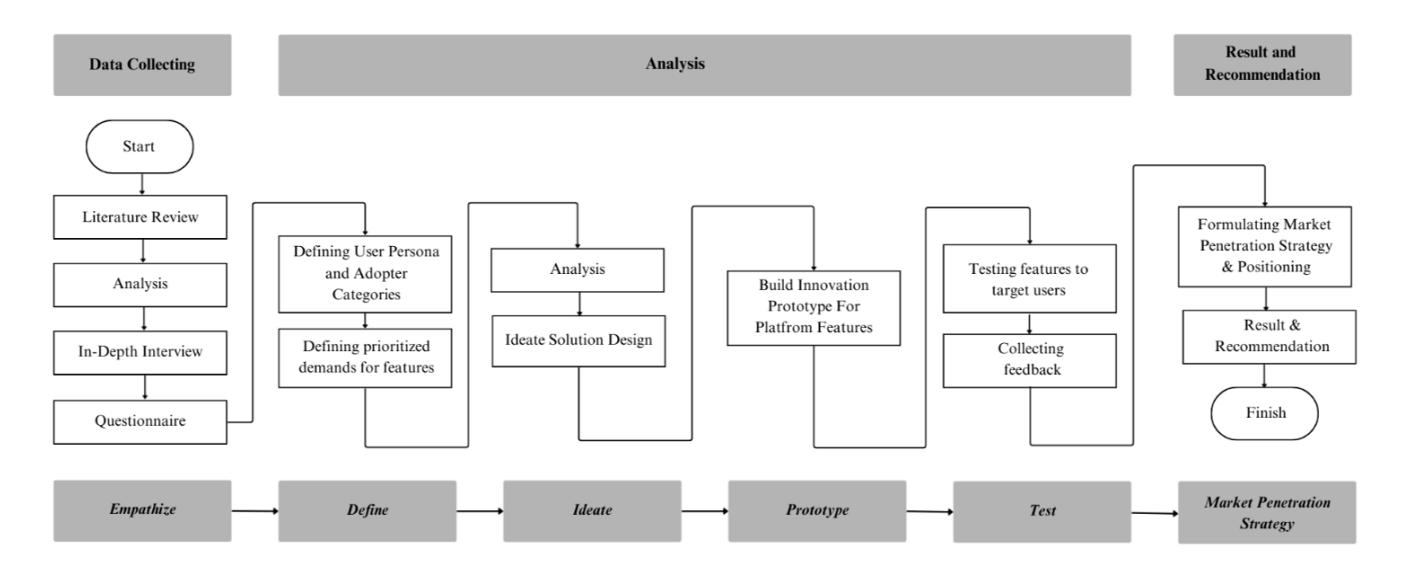
Figure 3 Research Method with Design Thinking and Robertson's Model Source: Author's model (2025) adapted from Design Thinking (Kelley & Brown, 2018)
Figure 3 shows the empathize phase that was carried out using in-depth interviews and questionnaires, after a literature review. To gain deeper insights, in-depth interviews were conducted with young and middle-aged individuals, with at least 4 participants in total. A structured, open-ended interview protocol was developed to facilitate the conversational, semi-structured data collection process. It lasted approximately with a maximum duration of one hour. Each interview lasted approximately one hour at most. Meanwhile, online questionnaire data were collected and distributed across the province of Banten, DKI Jakarta, West Java, Central Java, and East Java on the Island of Java. The provinces were selected because these locations served as both bustling population centers and premier pilgrimage destinations across Java, including destinations associated with Wali Songo, which represented significant pilgrimage
sites in Indonesia. Correspondingly, according to Latan & Noonan (2017), research studies should include at least 30 -100 cases or respondents. The sample size was sufficient for exploratory analysis within the study's defined region.
In the define phase analysis on participants' experiences and perspectives was conducted by understanding their needs, feelings, problems, and behaviors. A Likert scale was also used to determine the adopter categories according to the Graham Robertson model. According to Sugiyono (2018), the Likert scale is a scale used to measure the attitudes, opinions, and perceptions of an individual or group of people towards social phenomena (Sugiyono, 2018). The scales are 1=strongly disagree, 2= disagree, 3=neutral, 4= agree, 5= strongly agree. In addition, Python and its data science libraries (Pandas, Numpy, Matplotlib, and Seaborn) were used for data analysis.
The ideate phase generated and selected solution ideas for creating new product functions. Eventually, in the prototype phase, an interactive UI/UX design was developed in Figma to stimulate real user interactions with the platform. The test phase involves testing the prototype of the newly created features with end-users to validate that the prototype satisfies user needs and requirements, which is the purpose of the User Acceptance Test (UAT). A Likert scale was also used to collect user feedback on the defined platform's features by measuring their perception and level of agreement. Besides, most of the prototype evaluators were at least young adults.
Lastly, in the market penetration strategy phase, analysis on how potential users adopt digital features to decide on their strategic approach was performed using Graham Robertson's model. This analysis determined whether to compete in an existing, crowded market (Red Ocean) or create new, uncontested spaces (Blue Ocean). Subsequently, the research findings would be synthesized into conclusions and recommendations.
Results and Discussion
An in-depth interview was successfully conducted with 4 participants, with young and middle-aged individuals. Empathy mapping was used to understand their thoughts, feelings, needs, and challenges.
Empathize - In-Depth Interview
The following is the result of empathy map from all interview participants.
Table I Summary of Empathy Map from 4 In-Depth Interview Participants
| Empathy Components | Participant 1 | Participant 2 | Participant 3 | Participant 4 |
|---|---|---|---|---|
| Think | Remember: parents' wisdom inspires pilgrimage, which is regarded as a form of devotion and gratitude. | Remember: spiritual teacher's wisdom inspires pilgrimages or visits to (kulonuwun) the local holly men whenever we travel to another city. | Remember: spiritual teacher's wisdom inspires pilgrimages as a medium for supplicating to God and seeking divine blessings. | Figuring out relevant digital information to support the planning of the journey. |
| Feel | Feel spiritual emptiness when do not engage in religious pilgrimage/tourism activities. Feel sense of excitement when planning religious tourism activities. Feel a sense of calmness, comfort and relief after completing the religious visit. Feel spiritual connected to the deceased pious figures who have passed away. | |||
| Do | Regularly perform religious tourism with families, at least once a month. Using personal transport and making hotel reservations online. Plan itinerary for long trips with online information. | ||||
|---|---|---|---|---|---|
| Gathering information about religious tourism from families, spiritual teachers, community. | Gathering information of religious tourism from internet/social media and families, spiritual teachers, and community. | Gathering information of religious tourism from families, spiritual teachers, community, then using internet/ social media for verification. | Gathering information of religious tourism from families, spiritual teachers, community, then using internet/ social media for verification | ||
| Learn about history and legacy of saints and scholars. | Find travel tips through internet and social media. | ||||
| Say | Teaching and advising children that pilgrimage is a form of devotion and gratitude. | Introduce and educate the children in the history of the saints (Wali) or scholars (Ulama). | Promoting through social media, the idea that travel is not only for leisure but also for spiritual renewal. | On all-in-one app would make everything easier for trip. | |
| Scammed while | Feeling uncomfortable when being aggressively approached by beggars. | ||||
| Pain | making a donation. Information on the | Poor cleanliness. | |||
| internet is scattered and unsystematic. | Has not found yet a comprehensive religious tourism app, including hotel reservations. | Information on the internet is scattered. | Information on the internet is scattered and unsystematic. | ||
| Inaccurate information on the internet. | Inaccurate information on the internet. | The information on the internet lacks detailed | |||
| Promotional pictures of hotels on other platforms do not match the reality. | tips. It is inappropriate to bring prayer book while | ||||
| in the rest room or often impractical. | |||||
| Gain | Hoping for a meaningful, calming, and blessed religious journey | ||||
| Historical knowledge about figures and destinations. | |||||
| On all-in-one mobile app to support religious tourism activities. Features include religious tourism information, travel tips, historical insights, map navigation, review and rating, worship and prayer guidance, and hotel reservation. | |||||
Moreover, the result identified the category of adopters for each participant. This is the following summary that is illustrated by Table II below.
Table II Adopter Category of 4 Participants
| Category | Participant |
|---|---|
| Trend Influencer | 3rd and 4th Participants |
| Early Mass | 2nd Participant |
| Late Mass | 1st Participant |
Empathize – Online Questionnaire
An online questionnaire was successfully conducted with 32 respondents, with the following portion from the provinces of Banten, DKI Jakarta, West Java, Central Java, and East Java on the Island of Java.
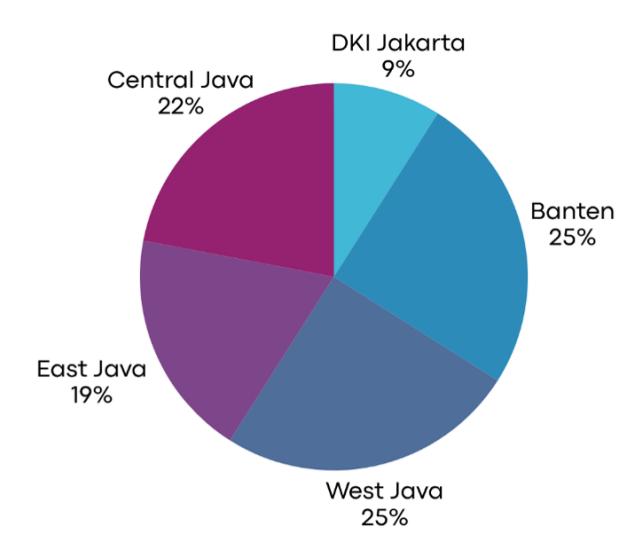
Figure 4 The Distribution of Respondents by Province Source: Author's own data (2025)
Most respondents regularly visited tombs of religious figures (59.4%), attended religious assemblies (53.1%), and identified as santri or students or graduates of Islamic boarding school (pondok pesantren). They were aged 25-34 years (63.5%) and predominantly male (56.3%), with 46.9% holding a bachelor's degree. Monthly expenditures were mostly below IDR 5 million (56.3%), and occupations included entrepreneurs/traders, freelancers, self-employed individuals, housewives, and students.
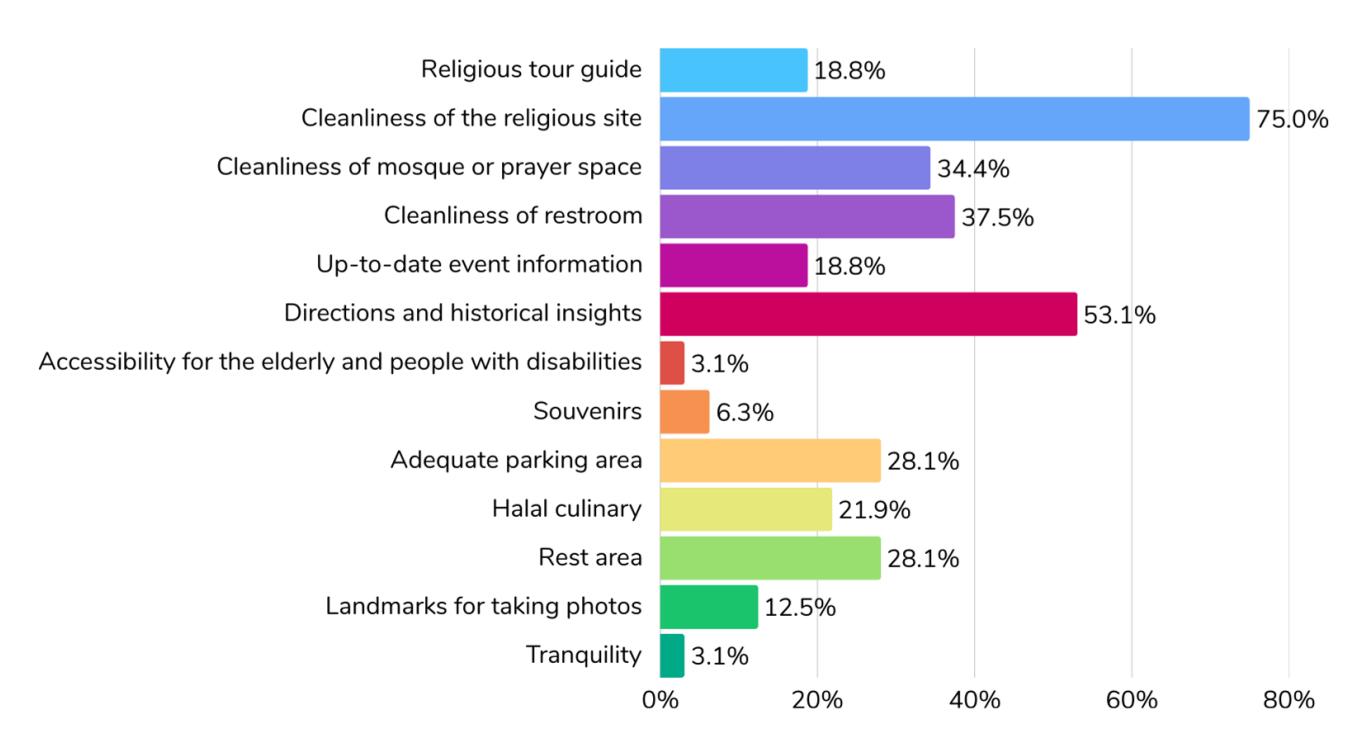
Figure 5 Attractiveness of Religious Destination Source: Author's own data (2025)
Cleanliness is paramount for fostering an atmosphere of sacredness and comfort during religious rituals. Simultaneously, location guidance and historical information act as learning resources, imparting knowledge of the history, traditions, and Islamic cultures of the Nusantara.
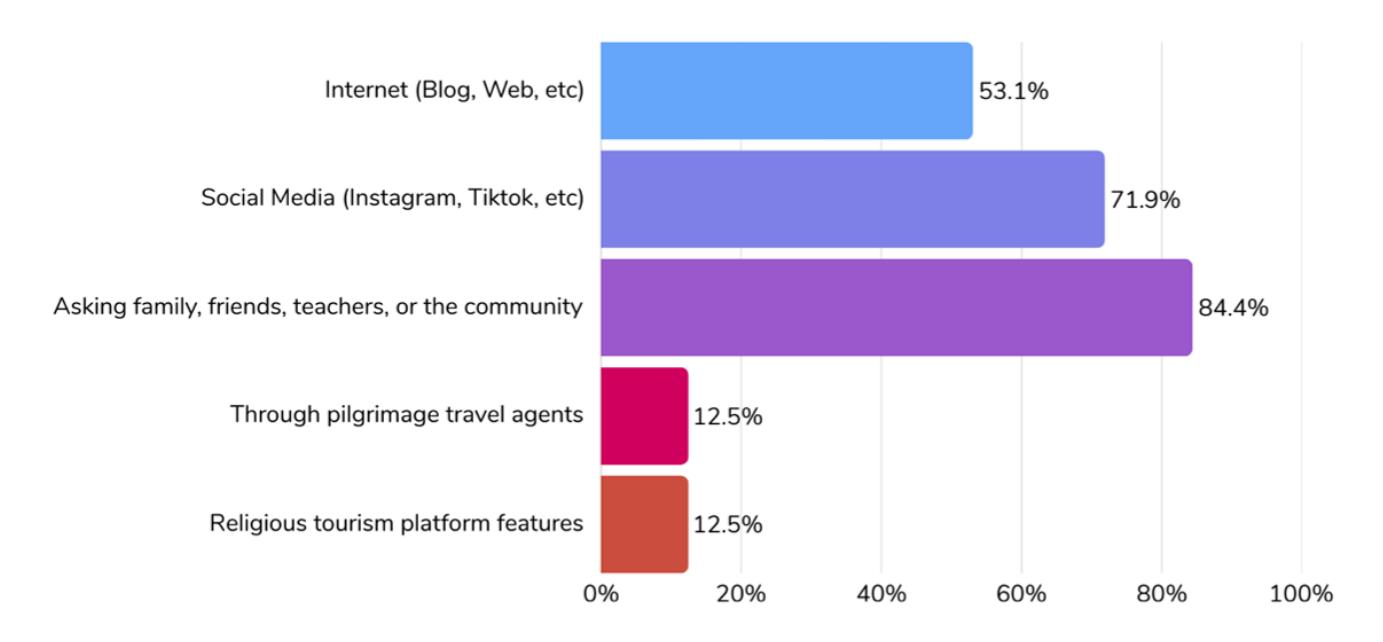
Figure 6 How Visitors Obtain Information about Religious Tourism Source: Author's own data (2025)
The most common way of obtaining information about religious tourism was through interpersonal connections. The vast majority of people (84.4%) ask family, friends, educators/religious teachers, or their community members first. Social media served as the next most frequent source (71.9%), while just over half (53.1%) turned to websites. They often used online sources to verify information.
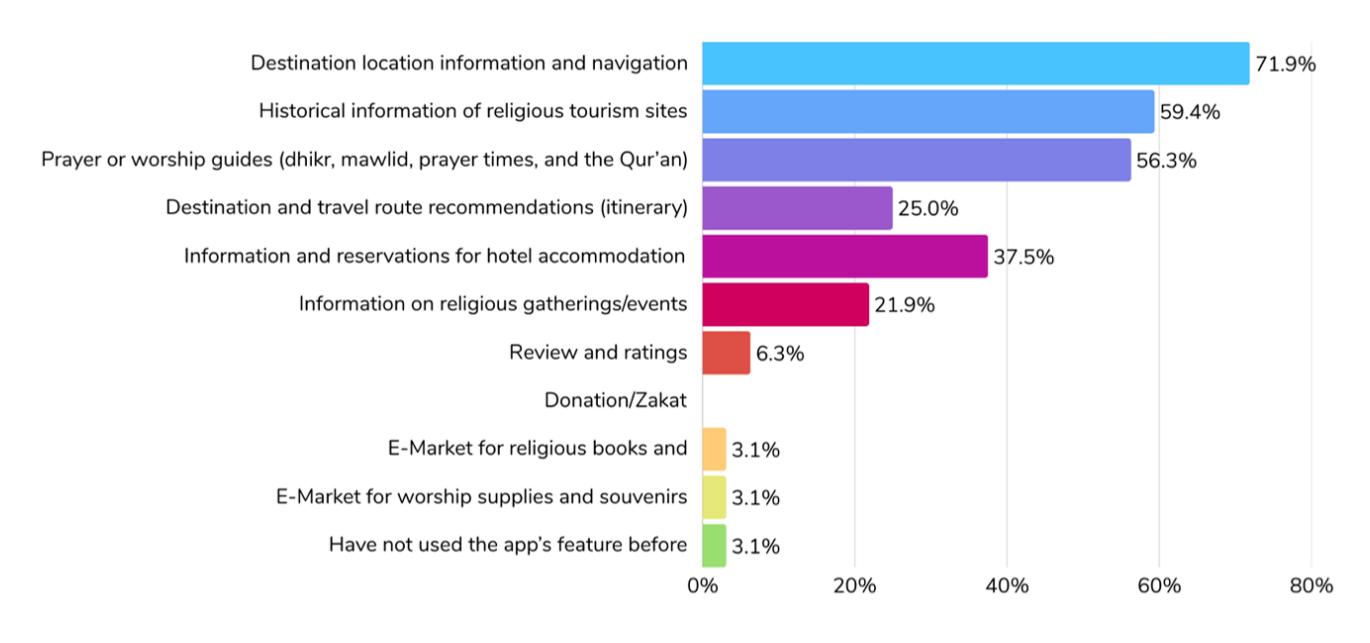
Figure 7 Priority of Platform Features Source: Author's own data (2025)
According to Figure 7, these are the following core features: (1) religious tourism destination information and guidance, (2) historical insights, (3) hotel booking service, and (4) worship guidance. The majority of respondents chose to stay in hotels or places of worship, with both accommodation types utilized by approximately one-third (34%) of the individuals. Besides, the dominant modes of transportation selected were private motorcycles (34.4%) and private cars (31.3%), followed by public transport such as buses (31.3%).
Define
Using insights from the empathy phase, this stage finalized: (1) the key feature requirements, (2) target adopters' categories, and (3) user persona. These are the following analyses for the participants' expectations and perspectives.
Table III Defining Core Features and Adopter Categories
| Participant 1 | Participant 2 | Participant 3 | Participant 4 | 32 Respondents | |
|---|---|---|---|---|---|
| Expected Features | On all-in-one app in the form of mobile application. Historical knowledge about figures and destinations. Features include religious tourism information, travel tips, historical insights, map navigation, review and rating, worship guidance, and hotel reservation. Information related to cleanliness is also prioritized. | (1) Religious Tourism Destination Information and Guidance, (2) Historical Insights, (3) Hotel Booking Service, and (4) Worship and Prayer Guidance | |||
| Adopter Categories | Late Mass | Early Mass | Trend Influencer | Trend Influencer | Trend Influencer & Late Mass (Using Likert Scale*) |
*) responses underwent further analysis using a Likert scale and Python.
According to Table III above, the expected features included digital functionalities that enhanced accessibility, navigation, and informational support for religious pilgrimage activities. However, the donation feature was not built because survey results showed that none of the respondents (0%) prioritized this function, despite donation security appearing as a pain point in the user insights. For this reason, donation security is the tourism destination manager's responsibility, not the platform developers. To enhance user awareness, the platform should offer educational guidance on donation practices. Similarly, other pain points, such as poor cleanliness were noted for reference but managed by destination managers or governments. Meanwhile, to counter the issue of misleading hotel photos, the platform must include a rating and review system. This allowed guests to verify image accuracy and report on their actual stay experience.
After gathering questionnaire responses from thirty-two participants, an analysis of their adoption behaviors was performed using a combination of Likert scale data and Python, which was then normalized using the min-max method to standardize the values. After standardizing the scores, the distribution of adopter categories was calculated using Python for the computation to determine the distribution of adopter categories. This is the following result of the computation.
Figure 8 The Distribution of Adopter Categories Source: Author's own data using Python (2025)
Subsequently, calculations were conducted for each respective category, and the results are presented in the figure below.
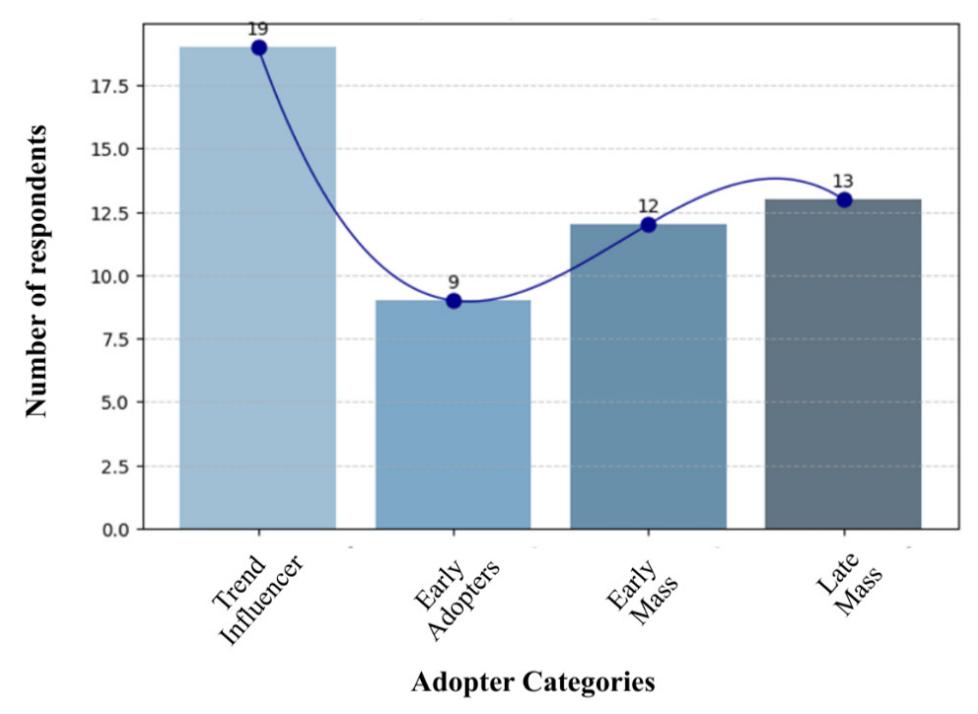
Figure 9 The Distribution of Adopter Categories Source: Author's own data visualization using Python (2025)
The above data, according to Robertson's theory (2018), illustrates that most respondents fell into the Trend Influencer category, characterized by a drive for following trends and a willingness to try new things. When they had a positive experience with a brand on a religious tourism platform, they would voluntarily recommend the platform and become natural brand ambassadors. This group could be a starting point for organic promotion within a community, both through social media and word of mouth.
However, the data also indicated that the number of respondents in the Late Mass category was the second largest. This meant there was a significant group that only became interested in using a platform after it became popular and proven safe. This group relied heavily on recommendations from friends, family, and trusted close associates to try the platform if they felt the need. Therefore, a platform must demonstrate stable performance, a large number of users, high ratings, and positive testimonials to convince them.
This study interpreted the characteristics of both groups, trend influencers and the late mass, as having a high level of spirituality, based on their interest in and routine of religious tourism activities. However, the differences between the two groups could be influenced by several factors, including economic level, education, gender, age, province of origin, or other factors, although these factors were not yet significant. This interpretation was further supported by Everett M. Rogers's (the founder of the Diffusion of Innovations theory) statement that adopter categories are influenced by a person's social system and social status (Rogers, 1995). However, further quantitative research with a larger sample size and a broader range of variables was needed to provide more convincing findings regarding the influence of demographic factors on adopter categories.
Based on this classification, we developed user personas to provide a more detailed, contextual understanding of representation. The persona was synthesized based on the results of the empathize stage regarding demographic behavior, motivation, core needs, and types of adoption. The primary persona represented tech-savvy Muslim travelers seeking structured religious tourism information and spiritual experiences. These are the following analyses for the user persona profile.
Table IV User Persona Profile
| Demographic | Description | |
|---|---|---|
| Age Gender Occupation Education Expenditure Social Identity Domicile | : Working-aged adults (25-34 y.o.) : Male and Female : Self-employed and private employee : Bachelor's degree was held by the majority : <5 million rupiah : From Islamic boarding and non-boarding background, these groups were connected by the influence of a religious mentor. : Java islands, cross-province | |
| Motivation | Motivation was driven by a strong spiritual aspect, particularly the desire to attain inner peace and blessings through religious values, as well as the hope of a meaningful travel experience. | |
| 1) Regular religious tourism activities for worship and rituals at least once a month. 2) Accurate, systematic, structured and complete information, which was easy/practical to Core Needs access. 3) Features that support worship rituals. | ||
| Behavior | 1) Searching for, planning trips, and comparing religious tourism destinations through the internet, online platforms, or social media. 2) Being active on Instagram, TikTok, and YouTube to find inspiration from the community. 3) Studying the history of religious figures or saints as role models and lessons in life. 4) Medium-distance destinations or inter-city destinations within a province (most frequent). | |
| Adopter Categories | Trend Influencer and Late Mass | |
Ideate
As a solution, features were designed including (1) Information, navigation, and history of religious tourism destinations; (2) Shariah/general hotel reservations; and (3) Guidance on worship, prayer, and adab (including the Qur'an, adhan times, pilgrimage procedures, wirid, mawlid, and others).
Prototype
In this phase, an interactive UI/UX design was developed in Figma to stimulate real user interactions with the platform. The first feature was information, navigation, and history of religious tourism destinations; users could immediately find the location they were looking for through maps and choose from recommended destinations.
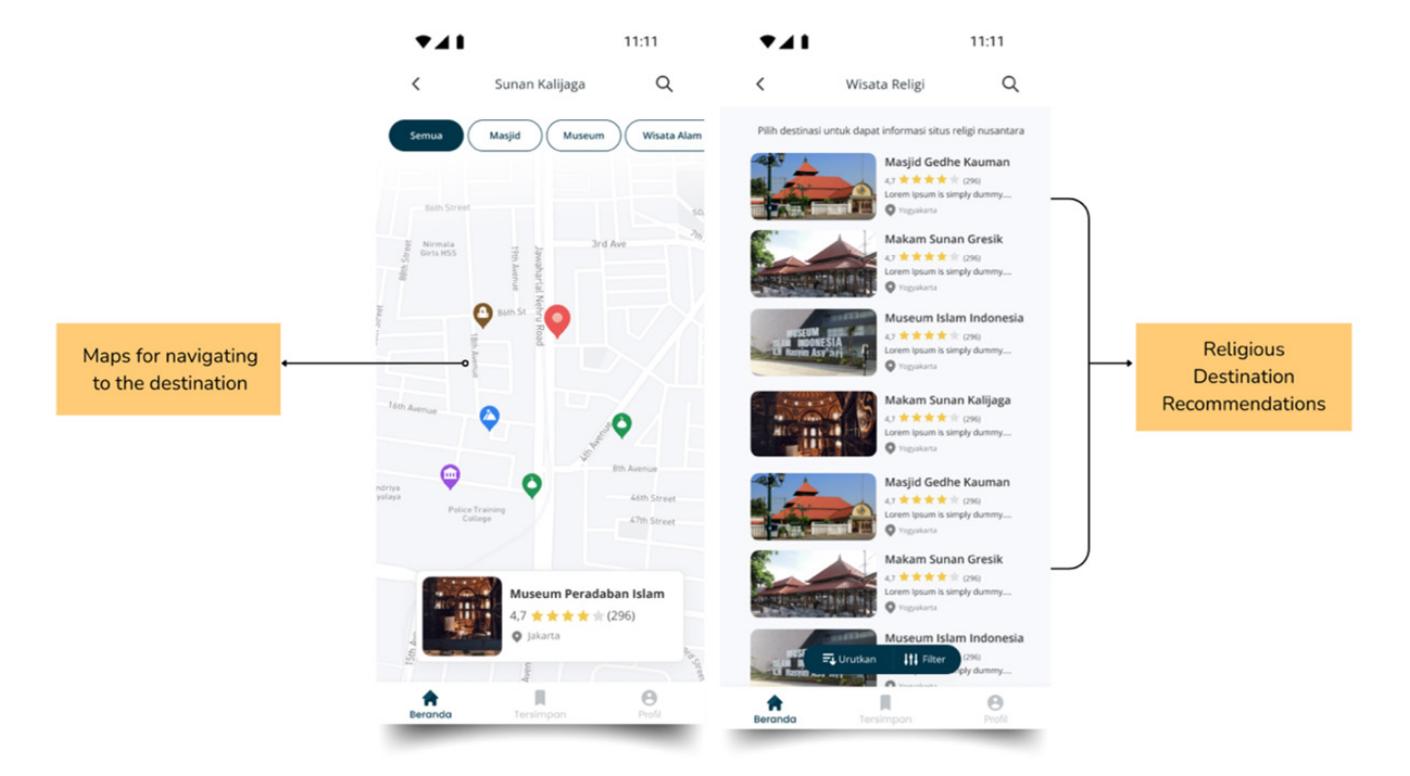
Figure 10: Religious Tourism Feature Source: Yusrina and At-Thoriq's own design (2025)
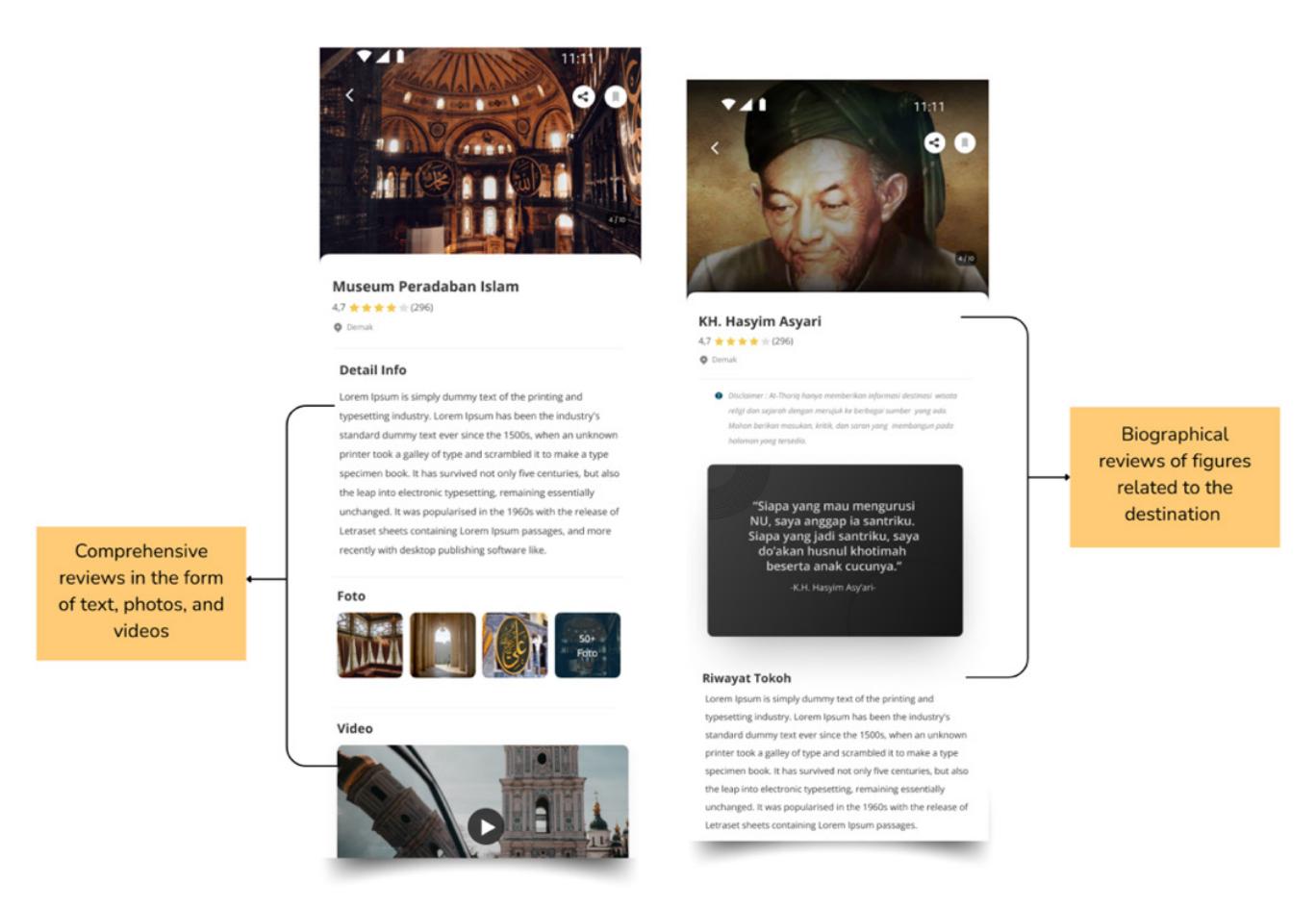
Figure 11 Historical Insights Feature Source: Yusrina and At-Thoriq's own design (2025)
Other findings from interviews and the questionnaire survey also revealed that historical descriptions of destinations, in the form of biographies of prominent figures (Ulama or Wali), were a significant attraction for visitors.
Figure 12 Review and Rating Feature Source: Yusrina and At-Thoriq's own design (2025)
Rating and review features allowed visitors to share experiences with other tourist destinations. The goal was to provide users with more accurate information about the destination and serve as an evaluation tool for the destination's management (early warning system), particularly regarding cleanliness, comfort, security, accessibility, and other facilities to maintain the public reputation.
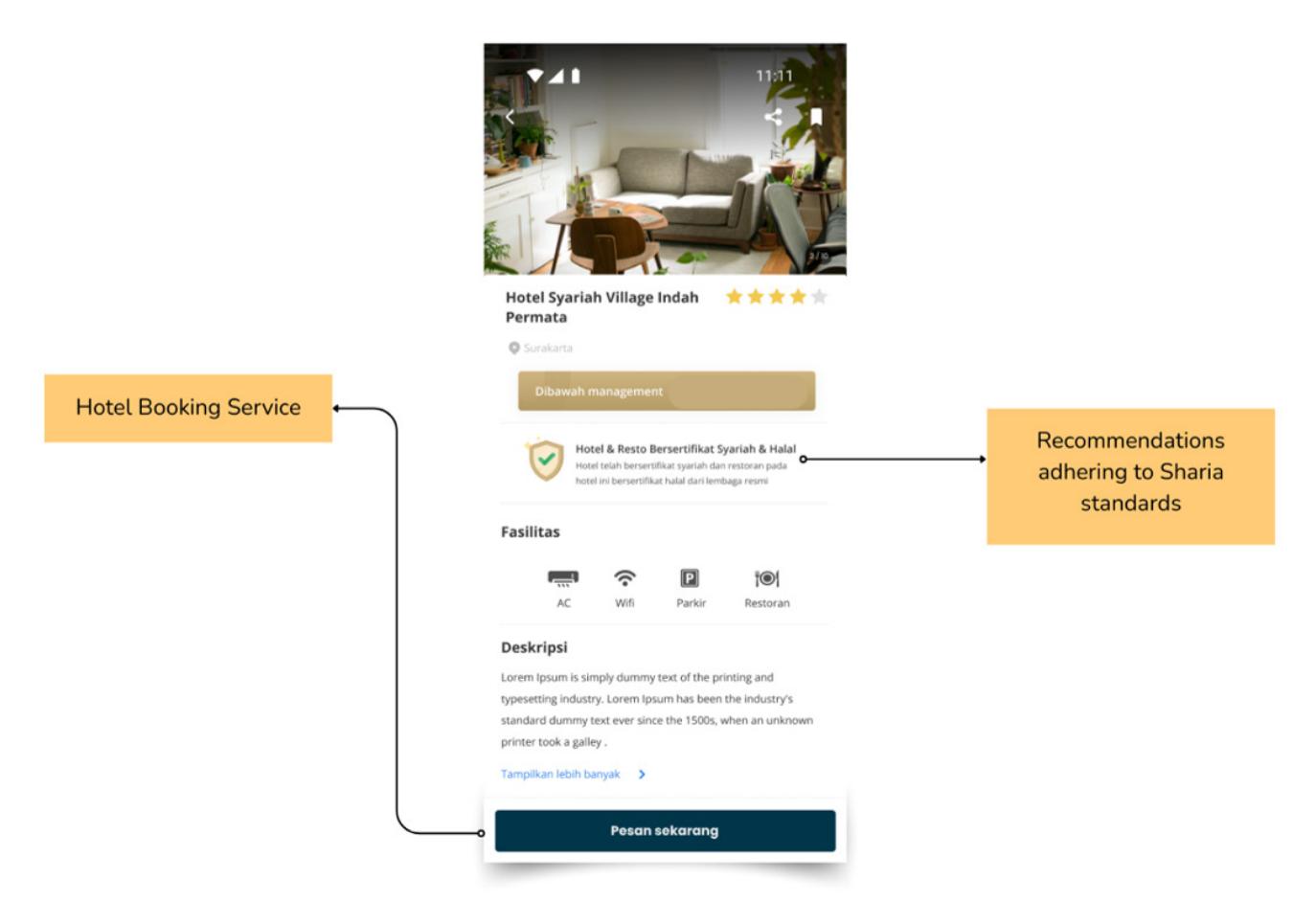
Figure 13 Hotel Reservation Feature Source: Yusrina and At-Thoriq's own design (2025)
With this feature, users could explore hotels and make reservations to facilitate planning religious tourism trips. To improve comfort and safety, important information for users was whether the hotel meets shariah standards and the restaurant (in the hotel) meets halal standards, if any, from an official institution. A rating and review feature was also added to this hotel booking feature.
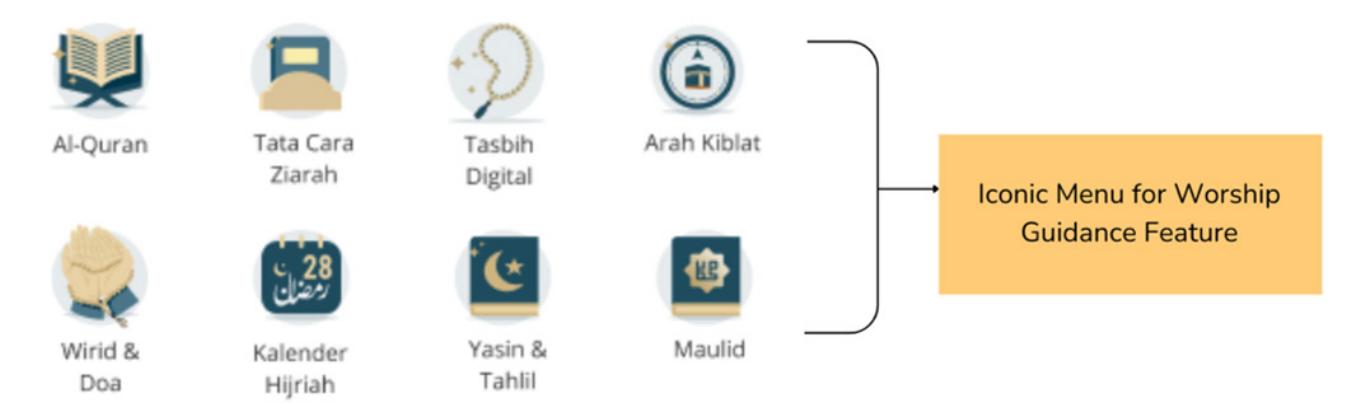
Figure 14 Menu Icons of Worship Guidance Features Source: Yusrina and At-Thoriq's own design (2025)
These were features to support user worship, such as Al-Qur'an, pilgrimage guidance, Tasbih, Qibla, Wirid, calendar, Yasin & Tahlil, and Mawlid.
Test
In this last phase, the prototype was tested by 10 evaluators. Additionally, steps that could be taken in the testing process include involving potential users in testing and experimenting with the solution that had been designed through direct interaction and face-to-face interaction. Also, collecting feedback from potential users regarding the advantages, disadvantages, or potential improvements of the solution being tested. So, the prototype testing was carried out according to the task with the scenario below.
Table V Task and Scenario for Testing
| Task | Scenario | |
|---|---|---|
| Task 1 : Opening | Users open the main page of application and select the available features | |
| Task 2 : Religious Tourism | Users search for detailed information about religious tourism and its history | |
| Task 3 : Religious Tourism | Users access reviews and ratings of destinations | |
| Task 4 : Hotel | Users search for hotel information, book hotels, and make payments. | |
| Task 5 : Hotel | Users access reviews and ratings of hotels | |
| Task 6 : Worship Guidance | Users access worship guidance (all texts) | |
Testing and collecting feedback were conducted using a Likert scale with scores ranging from 1 to 5. So, this is the following result of the test for each aspect:
Table VI Result of Test with Likert Scale
| Task | Mean | Std. Dev. |
|---|---|---|
| User Interface Design | 4.50 | 0.49 |
| User Experience | 4.90 | 0.25 |
| Religious Tourism Feature | 4.71 | 0.43 |
| Hotel Booking Feature | 4.51 | 0.51 |
| Worship Guidance Feature | 4.27 | 0.52 |
Based on the calculation of the average standard deviation, it ranged from 0.5 to 1.0, indicating that respondents' answers were relatively consistent on a scoring scale of 4 to 5, as reflected in the mean calculation results for each aspect of the test.
Based on test results, the highest score was for the user experience aspect, while the lowest score was for the Prayer and Worship Guide feature. The overall user experience aspect showed that respondents felt comfortable, easy, and satisfied when interacting with the application's appearance, flow, and features. Thus, it could enhance positive users' impressions. As for the Prayer and Worship Guide feature, this was likely since these features were largely static text-based, thus not providing a significant interactive experience for respondents. Furthermore, respondents were familiar with the general content of the prayers and guides and even had similar guides and procedures from their respective teachers or worship leaders.
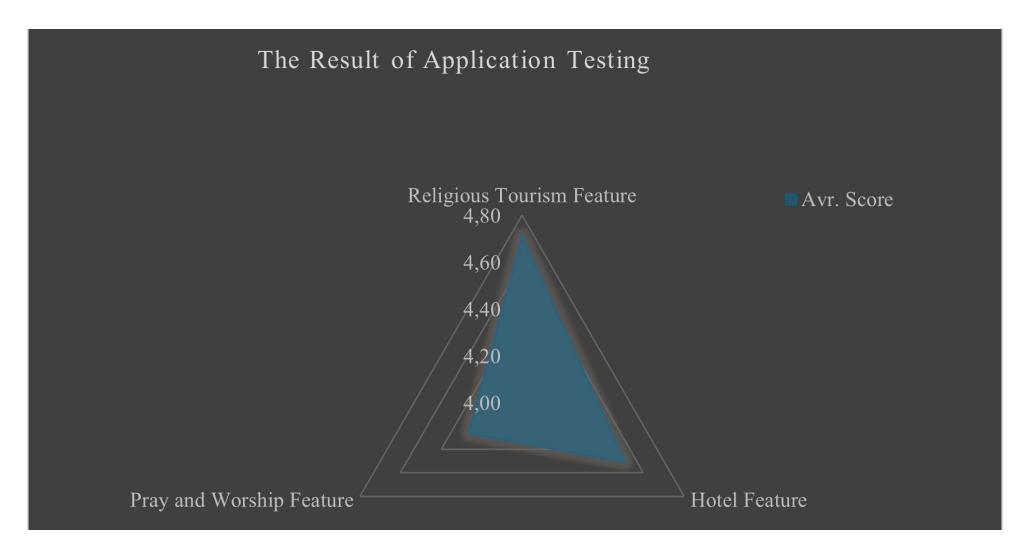
Figure 15 Test Result Source: Author's own data visualization (2025)
The Religious Tourism feature received the highest score due to the level of relevance and user interest in the religious tourism content presented. This feature made it easy to search for contextual destination information and plan religious tourism trips. Thus, the app supported its primary objective, which was to facilitate religious tourism activities. The second highest scoring feature was the hotel feature. This feature was considered useful because it helped users find accommodation or lodging according to their travel needs. Meanwhile, the Prayer and Worship Guide feature served as a complementary feature to support their religious activities.
Market Penetration, Blue Ocean, and Red Ocean Strategies
Once adopter categories were identified during the empathize and define stages, the research shifted toward determining appropriate competitive and market penetration strategies. This study discovered two extremes of adoption category among potential users, which were trend influencer and late mass, that corresponded to both craft brand and power player strategy approaches. For this reason, the craft brand strategy and power player strategy should be combined due to winning competition and penetrating the market, in line with Blue Ocean and Red Ocean strategies.
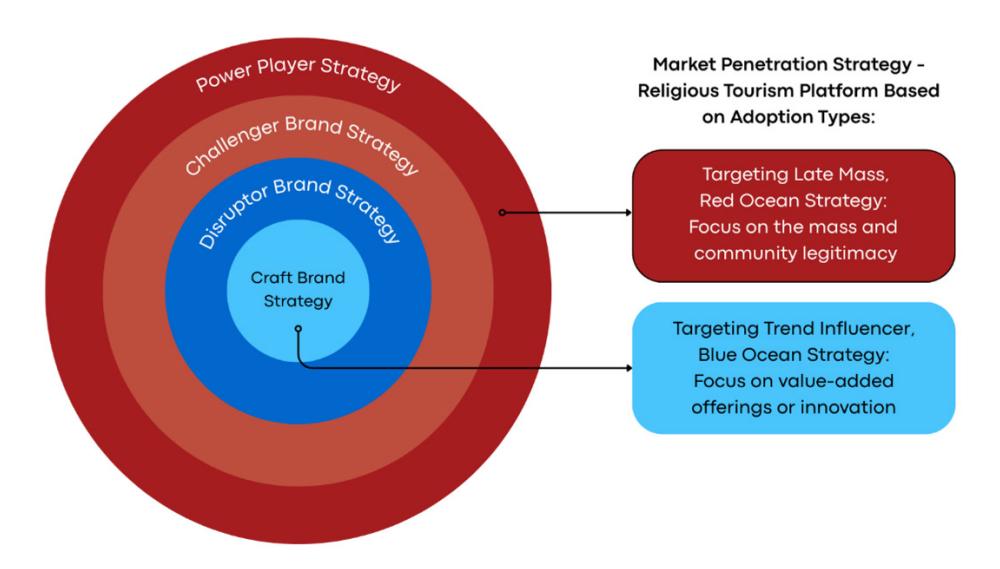
Figure 16 The Chosen Market Penetration Strategies Source: Adapted from Graham Robertson Model (Robertson, 2018)
Targeting the late mass group, the platform should focus on huge masses and community legitimacy; it means that the platform should conduct large-scale campaigns and collaborate with pilgrimage communities. The sense of security was crucial because this group was typically more discerning and careful. So, these aspects could be labeled or certified to indicate that the brand is halal, Shariahcompliant, affordable, safe, barakah, Muslim-friendly, and official. In addition, to stay competitive and attract budget-conscious users, the brand must ensure its pricing, particularly for highly competitive hotel booking services.
Besides targeting the trend influencer group, the platform should focus on value-added offerings or innovation. The platform could provide "an all-in-one app" to fulfill their core needs as a competitive advantage. Also, the brand of platform should collaborate with experts and key opinion leaders (KOLs) to spread the knowledge to convince the Trend Influencer group to use a brand and recommend their social circle. In this case, KOLs could be divided into three primary categories: (1) Religious KOLs refer to religious figures, such as Ulama and Kyai (scholars), typically who do not promote applications or commercial product but instead deliver spiritual teachings and worship guidance (sanad ilmu); (2) Tourism KOLs, included historians, tour leaders, and experienced Muslim travelers; (3) Digital KOLs consist of young Muslim influencers who are active in social media platforms.
Therefore, the platform should compete using both Blue Ocean and Red Ocean strategies, whose specific strategies are mapped to its key features. These features were not standalone; they would form an integrated, single-platform service that boosted brand value.
Table VII Feature-Based Strategies in Competition
| Digital Features | Strategy | |
|---|---|---|
| 1) | Religious Tourism Information Feature | Blue Ocean |
| 2) | Worship and Prayer Guidance Feature | |
| 3) | Booking Hotel Service Feature | Red Ocean |
The Religious Social Culture System and Its Technology
Technology and society are profoundly interconnected, not separate entities. For any new technology to be widely adopted and successful, it must be compatible with society's existing social structures, religious traditions and rituals, cultural expectations, and community practices. The perception and adoption of technology are molded by social systems, just as technology itself acts as a force, reshaping social interactions, communication, and cultural practice. Failure to account for the social environment can lead to minimal uptake, opposition, or unforeseen outcomes regardless of the technology's sophistication and functionality.
In addition, combining design thinking and Robertson's model in this research provided a robust framework for socio-technological analysis. While design thinking identified human-centric needs and fostered innovation within social contexts, the Robertson's model provided a framework for driving market penetration strategies through adoption strategies.
Conclusion
The study pinpointed the unique traits of the Ahlussunnah Wal Jama'ah (ASWAJA) community and details their method for integrating new technology into their existing socio-cultural environment. It was found that the application of Design Thinking theory facilitated a successful process for identifying the user persona and core feature needs of potential users for the Nusantara religious Islamic platform, as well as the pertinent strategies to penetrate the target market. The research was conducted with 4 in-depth interview participants, 32 questionnaire respondents, and 10 prototype evaluators.
It was concluded that the persona of potential users highlights the importance of practicality, reliable information, and meaningful spiritual experiences. Their actions were motivated by a deep spiritual drive to achieve inner peace and satisfaction by living according to their faith's values and principles.
Moreover, the findings revealed that the validated features to fulfil the users' core needs were:(1) religious tourism destination information and guidance, (2) hotel booking service, and (3) worship and prayer guidance. Testing confirmed that potential users positively evaluated these three features' interface design and functionality, which averaged a score above 4 on a 1-5 Likert scale.
Meanwhile, this study also identified two significant types of adoption poles among potential users, which were Trend Influencer and late adopters. For the trend influencers category, the platform should compete by employing a Blue Ocean strategy, specifically a Craft Brand strategy, which requires a focus on added value or innovation not present in the competitor's offering while engaging with experts and KOLs. Besides, for the late mass category, the platform should implement the Power Player approach within the Red Ocean Strategy framework, focusing on huge mass competition. This required a platform to implement large-scale marketing campaigns and form strategic partnerships with communities and remain competitive through pricing. The platform should combine Red Ocean and Blue Ocean strategies by competing fiercely in existing markets while simultaneously creating new, uncontested markets through innovation.
These findings provided practical recommendations to guide system improvement efforts and enhance cultural alignment and acceptance of innovation, especially for platform developers or tech startups. It also delivered valuable insights to government and destination managers about improving and promoting their services in tourism. However, this study had several limitations. Future research would benefit from expanding the sample size and geographic scope, which would strengthen validity and allow for greater statistical generalization. Also, this study did not examine the long-term impacts of user engagement or socio-cultural change due to the presence of technological innovation in the future.
Lastly, technology's impact on cultural, religious, and social aspects is substantial, facilitating worship practice, broader communication, community formation, and the preservation and evolution of global interactions in embracing the Society 5.0 era.