

1. Introduction
Lamiaceae, comprising approximately 7000 species across 236 genera [1], is the largest family in the order Lamiales [2]. Owing to the presence of therapeutic essential oils, 13% of its species are considered medicinal plants [3]. The genus Salvia is among the oldest medicinal plants with antibacterial, antioxidant, and antiinflammatory properties [4]. Additionally, notable species like Lavandula angustifolia and Origanum vulgare are extensively used in cosmetics and culinary applications [5].
Increasing research on the benefits of herbal medicine over conventional treatments has driven global demand [6], resulting in the adulteration of Lamiaceae species. For instance, peppermint oil (Mentha piperita) is often adulterated with menthol oil from Mentha arvensis [7], while Origanum vulgare has been substituted with Origanum majorana [8]. In some cases, the high market demand has driven some species to the brink of extinction due to exploitation [6].
The unique biochemical profiles of Lamiaceae [7] suggest that adulteration compromises both the effectiveness and safety of herbal medicines. However, prevention efforts remain challenging due to morphological similarities among species, particularly in powdered form [9]. For example, products containing Scutellaria may pose health risksif adulterated with the hepatotoxic genus Teucrium [10]. Given the limitations of morphological identification, a DNA-based phylogenetic approach offers a reliable alternative for more accurate species authentication, as DNA sequences are less susceptible to environmental factors. Using DNA barcodes—short, standardized DNA sequences—in molecular phylogenetics has proven effective in estimating evolutionary relationships[11].
However, Lamiaceae phylogenetics has remained complex and unresolved [12]. A study on Thymus struggled to delineate species boundaries due to high morphological similarity [13]. Morphological convergence has also occurred across different lineages, as seen in staminal characters: the four stamens of the tribe Mentheae (subfamily Nepetoideae) independently reduced to two in the subtribes Salviinae and Menthinae [14]. Hybridization and polyploidy have also led to genomic alterations, creating complex phylogenetic networks and blurring taxonomic boundaries, as observed in Mentha, Stachys, and Ocimum [15-17]. A study on Salvia further highlighted discrepancies between morphologyand DNA-based phylogenies, with the former supporting its monophyly and the latter suggesting paraphyly [18].
Many phylogenetic studies on Lamiaceae have relied on a single genomic source, either nuclear or chloroplast DNA, limiting phylogenetic resolution. For example, researchers have studied Scutellaria using only chloroplast sequences [19], and the most comprehensive Lamiaceae phylogeny, covering 78% of genera, also relied on chloroplast markers [12]. This underscores the need to combine DNA barcodes to improve phylogenetic accuracy [20]. Standard plant barcodes include the chloroplast regions maturase-K (matK) and ribulose-1,5-bisphosphate carboxylase/oxygenase (rbcL), with the nuclear internal transcribed spacer (ITS) recommended as a supplementary marker [6, 20]. To address this need, the present in silico study incorporated Lamiaceae species beyond those found in Indonesia by retrieving sequences from GenBank. This study aimed to obtain phylogenetic insights based on partial ITS, matK, and rbcL barcodes to support species authentication and prevent adulteration in Lamiaceae herbal products.
2. Methodology
2.1. Collection of Lamiaceae ITS, matK, and rbcL Sequences
Partial DNA sequences from 52 Lamiaceae species across 11 genera were obtained, with Spathodea campanulata (Bignoniaceae) as the outgroup and sister taxon [21] (Table 1). The chosen species were relevant to previous studies addressing phylogenetic challenges and adulteration in Lamiaceae. Partial sequences were retrieved from the National Center for Biotechnology Information (NCBI) GenBank (https://www.ncbi.nlm.nih.gov/genbank/) using species names and barcode regions. The ITS dataset included partial ITS1 and ITS2 regions and the complete 5.8S sequence. ITS was included to complement plastid markers for its strong discriminatory ability at the species level and its recommendation as a core plant barcode [22]. The fastevolving matK and highly conserved rbcL markers were selected as the standard barcode pair [20] to resolve recent and older phylogenetic relationships. All sequences were saved in FASTA format to create the DNA database.
2.2. Bioinformatics Analysis
DNA sequences were aligned separately for each barcode using the ClustalW [23] algorithm implemented in Molecular Evolutionary Genetics Analysis (MEGA) v11.0.13 [24] under default parameters. Sequences were trimmed at the 5' and 3' ends so that all taxa within each marker had equal length, using the shortest sequence in the dataset as a reference. This ensured length uniformity within barcodes while maintaining length differences among ITS, matK, and rbcL.
Phylogenetic analyses were conducted using the maximum parsimony (MP) model to evaluate the relative performance of ITS, matK, and rbcL, both individually and in combination. Four MP trees were constructed in MEGA under default settings: one from each barcode and the concatenated dataset. MP was selected as a computationally efficient method that infers topology based on the parsimony principle, or the minimum number of evolutionary changes [25]. This model is appropriate for relatively small datasets of closely related sequences [26], as in this study. To address the long-branch attraction associated with MP and increase phylogenetic resolution, the concatenated dataset was also used to construct a maximum likelihood (ML) tree in MEGA using the Tamura-Nei substitution model [27]. Node support for both models was evaluated with 1000 bootstrap replicates, with higher percentages indicating stronger branch support [28].
The robustness of the MP trees was further assessed using the consistency index (CI) and retention index (RI), which were calculated by MEGA after the MP analysis. These indices quantify phylogenetic signals by indicating how closely character similarities among taxa reflect their evolutionary relationships, with the signal reduced by homoplasy [29]. CI values approaching 1 indicate low homoplasy [29], whereas RI values close to 1 reflect a higher proportion of synapomorphies [30].
| Table 1.PartialLamiaceae ITS,matK, and rbcLsequencesfromtheNCBIGenBank. | Accession Number | ||||
|---|---|---|---|---|---|
| No. | Genus Species | matK | rbcL | ||
| 1. | Orthosiphon | Orthosiphon aristatus | FJ593403 | LC456391 | MW789616 |
| 2. | Orthosiphon stamineus | AY506663 | KM658969 | MH069809 | |
| 3. | Thymus | Thymus serpyllum | KR150171 | MF350183 | MK105914 |
| 4. | Thymus caespititius | GU381457 | HM850802 | HM850398 | |
| 5. | Thymus vulgaris | AY506646 | OP243225 | MN972464 | |
| 6. | Thymus quinquecostatus | EU556524 | LC618903 | LC618880 | |
| 7. | Thymus mongolicus | MH808603 | MN433407 | MN185199 | |
| 8. | Ocimum | Ocimum basilicum | MW150025 | MF694868 | ON755091 |
| 9. | Ocimum tenuiflorum | MW150027 | MF468149 | JN114828 | |
| 10. | Ocimum gratissimum | MW150026 | MH552359 | MW150006 | |
| 11. | Mentha | Mentha piperita | KY072944 | KX783716 | JQ230988 |
| 12. | Mentha spicata | GU381394 | KC571807 | KU499887 | |
| 13. | Mentha arvensis | KY072946 | MG224998 | HQ590183 | |
| 14. | Mentha aquatica | KR611529 | KP172053 | KC584892 | |
| 15. | Mentha suaveolens | GU381395 | KP172057 | MG223550 | |
| 16. | Mentha longifolia | KR611531 | HQ902745 | ON755102 | |
| 17. | Mentha canadensis | KY072951 | MT929800 | JN407303 | |
| 18. | Salvia | Salvia splendens | MF622186 | KX783777 | ON755108 |
| 19. | Salvia przewalskii | MH808595 | MN433404 | JQ934026 | |
| 20. | Salvia officinalis | KJ584196 | HE967482 | ON755112 | |
| 21. | Salvia miltiorrhiza | MT039859 | FJ513168 | JQ934009 | |
| 22. | Salvia rosmarinus | OQ165223 | MH552339 | MT931624 | |
| 23. | Salvia fruticosa | KJ584194 | HQ902726 | HM590078 | |
| 24. | Salvia plebeia | KU563788 | MH660151 | JQ934021 | |
| 25. | Clerodendrum | Clerodendrum cyrtophyllum | KP092826 | KJ888428 | KJ939237 |
| 26. | Clerodendrum japonicum | KP092847 | MK551817 | GQ436521 | |
| 27. | Clerodendrum bungei | EU591963 | MH659049 | JQ618463 | |
| 28. | Clerodendrum colebrookianum | KX079329 | MK551754 | MK241954 | |
| Genus | Accession Number | |||||
|---|---|---|---|---|---|---|
| No. | Species | ITS | matK | rbcL | ||
| 29. | Callicarpa | Callicarpa dichotoma | KP092811 | LC680459 | LC694383 | |
| 30. | Callicarpa americana | ON820115 | MF350069 | KY626890 | ||
| 31. | Callicarpa macrophylla | KP092818 | OP032135 | KF443315 | ||
| 32. | Callicarpa kochiana | KP092816 | OP032127 | KJ688019 | ||
| 33. | Callicarpa giraldii | FJ593347 | OP032121 | MH657300 | ||
| 34. | Lamium | Lamium album | JX893229 | MN311840 | FJ395588 | |
| 35. | Lamium amplexicaule | MN718246 | MN433402 | OL434812 | ||
| 36. | Lamium galeobdolon | KF529538 | ON286905 | JN891020 | ||
| 37. | Origanum | Origanum majorana | JX162957 | KX783725 | JQ230991 | |
| 38. | Origanum vulgare | AY506647 | MF694869 | ON755119 | ||
| 39. | Origanum onites | JX163054 | HQ902752 | HQ902807 | ||
| 40. | Origanum dictamnus | EU252137 | FR719089 | FR720564 | ||
| 41. | Stachys | Stachys sylvatica | KF529644 | JN895511 | ON755118 | |
| 42. | Stachys palustris | KF529624 | JN894812 | HE574636 | ||
| 43. | Stachys floridana | KF529590 | OL434945 | HQ644074 | ||
| 44. | Stachys recta | KF529631 | KJ204541 | KJ746271 | ||
| 45. | Stachys arvensis | KF529568 | HM850806 | MG224452 | ||
| 46. | Stachys cretica | KF529583 | HQ902708 | HQ902776 | ||
| 47. | Scutellaria | Scutellaria baicalensis | MH711530 | MH660079 | KT280158 | |
| 48. | Scutellaria lateriflora | MK356052 | MG225186 | HQ590266 | ||
| 49. | Scutellaria indica | MH808599 | FJ513171 | MN167869 | ||
| 50. | Scutellaria barbata | MF193539 | FJ513170 | FJ513144 | ||
| 51. | Scutellaria viscidula | MF193526 | HQ676587 | HQ676583 | ||
| 52. | Scutellaria rehderiana | JX893232 | HQ676588 | FJ513147 | ||
| 53. | Outgroup: Spathodea (Bignoniaceae) | Spathodea campanulata | MF616608 | MF476853 | MT933895 | |
3. Results and Discussion
3.1.Characteristics of Lamiaceae Nuclear and Chloroplast DNA Barcodes
Table 2 summarizes the characteristics of the partial DNA barcodes used for reconstructing Lamiaceae phylogeny across a global dataset. Among the barcodes, matK had the longest average sequence length (785.6 base pairs), whereas rbcL showed the highest homology (83.5%), indicating a slower evolutionary rate. Homology refers to traits in organisms that arise from common ancestry [31] and are often conserved due to consistent inheritance, which explains the reduced variability observed in rbcL. Halmschlag et al. [32] also found rbcL to be less variable than ITS and matK in their phylogeny of 89 Lamiaceae species from converted land in Sumatra, Indonesia. The conserved nature of rbcL likely reflects its essential role in encoding Rubisco, a key enzyme in photosynthesis and plant adaptation [33].
The highest proportion of parsimony-informative (Pi) sites was observed in ITS (40.3%), while rbcL showed the lowest (7.6%). Comparable values were found by Halmschlag et al. [32], with 34% In ITS and 10% in rbcL. This consistent trend may be explained by differences in substitution rates, as the nuclear genome evolves approximately ten times faster than the chloroplast genome, where homologous recombination maintains genomic integrity [34]. Pi sites represent inherited mutations that infer shared ancestry and close evolutionary relationships among organisms [35]. In multiple alignments, they highlight unique sequences within specific taxa, thereby increasing the resolution of phylogenetic reconstructions. The low number of Pi sites in rbcL further supports its conserved nature within Lamiaceae. Overall, the dataset exhibited higher homology than Pi sites, indicating low levels of nucleotide substitution in Lamiaceae.
3.2. Lamiaceae Phylogenetics Based on Partial Nuclear and Chloroplast DNA Barcodes
Four maximum parsimony (MP) phylogenetic trees were constructed from ITS (Figure 1), matK (Figure 2), rbcL (Figure 3), and the concatenated dataset (Figure 4). A maximum likelihood (ML) tree was also inferred from the combined dataset to improve phylogenetic resolution and mitigate long-branch attraction associated with MP (Figure 5). Bootstrap values are presented on the branches of each tree, while the consistency and retention indices (CI and RI) are summarized in Table 3. MP tree topologies are assumed to reflect the principle of parsimony, which favors the minimum evolutionary changes [25].
As a quantitative indicator of phylogenetic signals, the MP trees exhibited an average CI of 0.63 and an average RI of 0.83. The relatively low CI may indicate the presence of homoplasy, which reduces phylogenetic signal through convergent evolution [35]. Long-branch attraction is also assumed to promote homoplasy, as the MP algorithm may incorrectly group distant taxa that have accumulated more mutations [36]. High RI values, however, indicate synapomorphic signals in the DNA sequences, providing evolutionary information for MP analysis [37]. In this study, RI values were close to 1, with 0.75 in ITS as the lowest, suggesting that many synapomorphies were retained in the Lamiaceae DNA sequences. Therefore, although the MP trees showed relatively low CI values, the consistently higher RI values supported the robustness of the MP model in recovering reliable evolutionary relationships for this dataset.
Bootstrap support was assessed with 1000 replicates, where values of ≥70% are associated with a 95% probability of the true evolutionary relationships [38]. The MP trees based on individual barcodes showed lower support, with 44% of nodes in the rbcL tree, 68% in the matK tree, and 76% in the ITS tree exceeding 70%. In contrast, 88% of nodes in the combined
Table2.CharacteristicsoftheLamiaceae partialDNAbarcodes.
| DNA Barcodes | Sample Size | Length Range (bp) | Average Length ± SD (bp) | Post-trimming Length (bp) | Homology (%) | Parsimony -informative (Pi) Sites (%) |
|---|---|---|---|---|---|---|
| ITS | 53 | 478 - 699 | 606.5 ± 39.4 | 530 | 44.5 | 40.3 |
| matK | 53 | 679 - 866 | 785.6 ± 35.6 | 614 | 33.5 | 29.0 |
| rbcL | 53 | 523 - 907 | 633.5 ± 71.8 | 462 | 83.5 | 7.6 |
| ITS + matK + rbcL | 159 | 478 - 907 | 675.2 ± 94.2 | 1606 | 51.6 | 26.6 |
*Note: bp = base pair
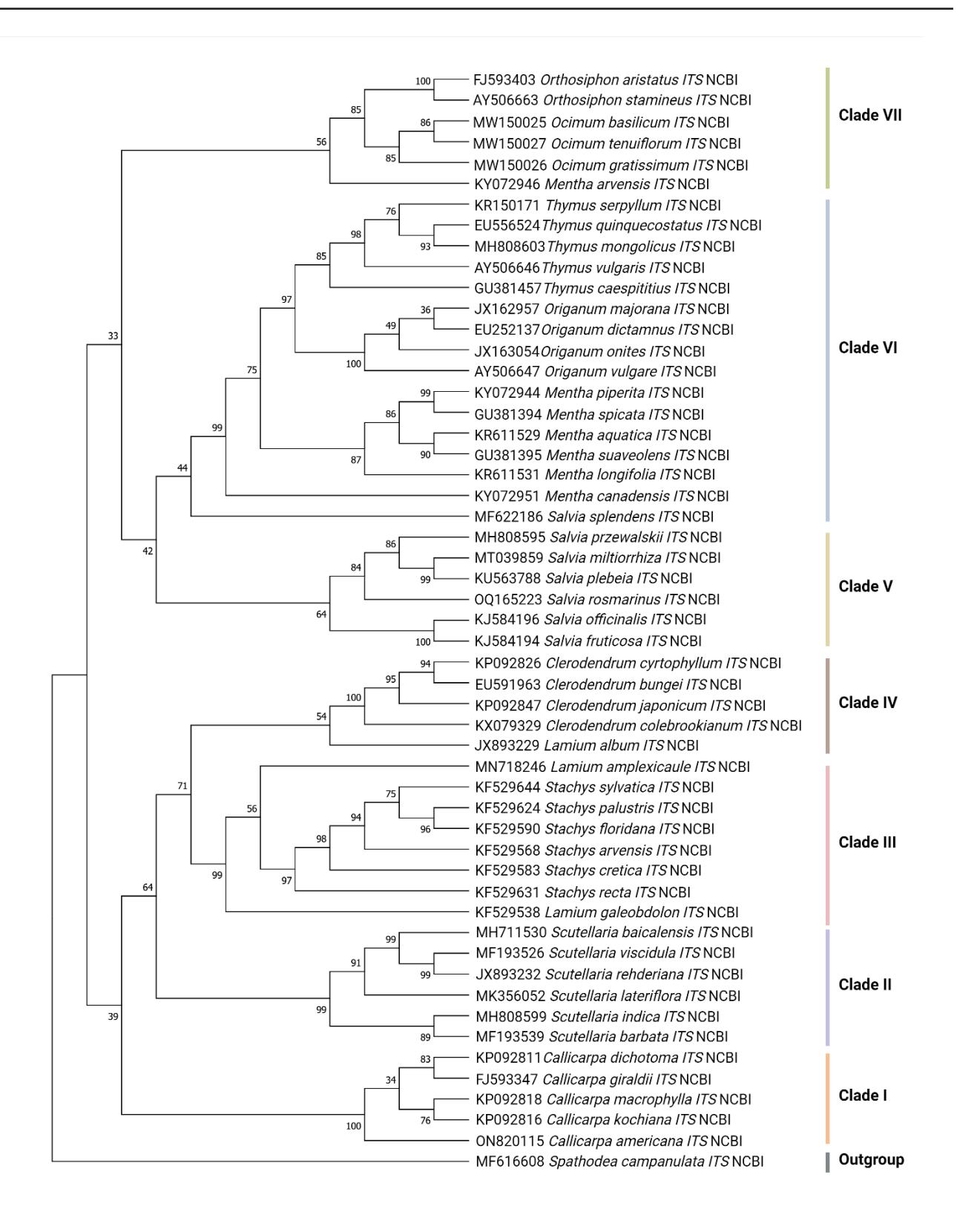
Figure 1.Maximumparsimony phylogenetic tree based on the partialITSbarcode.The numbers on the branchesrepresent bootstrap values from1000 replicates.
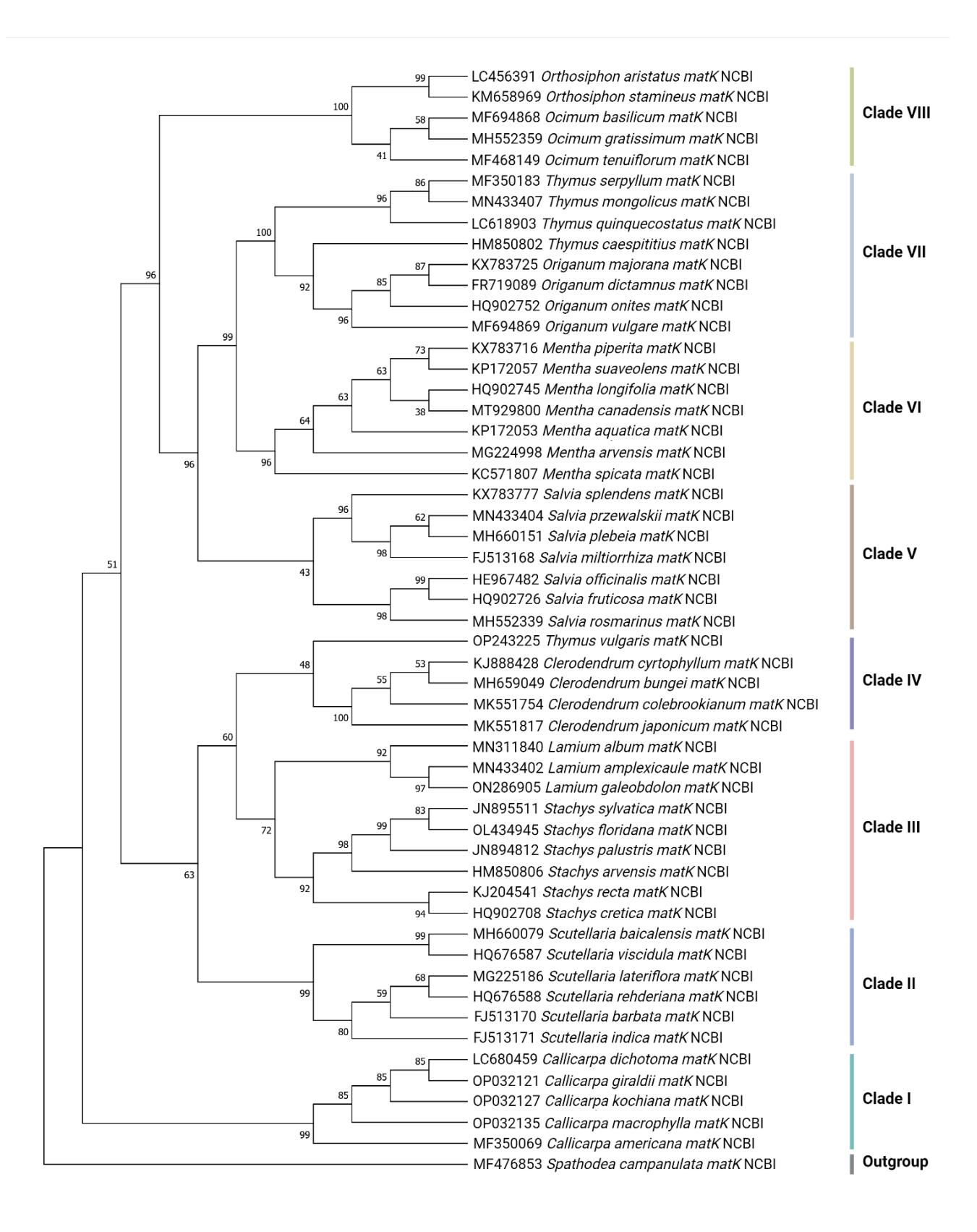
Figure 2.Maximumparsimony phylogenetic tree based on the partialmatKbarcode.The numbers on the branchesrepresent bootstrap values from1000 replicates.
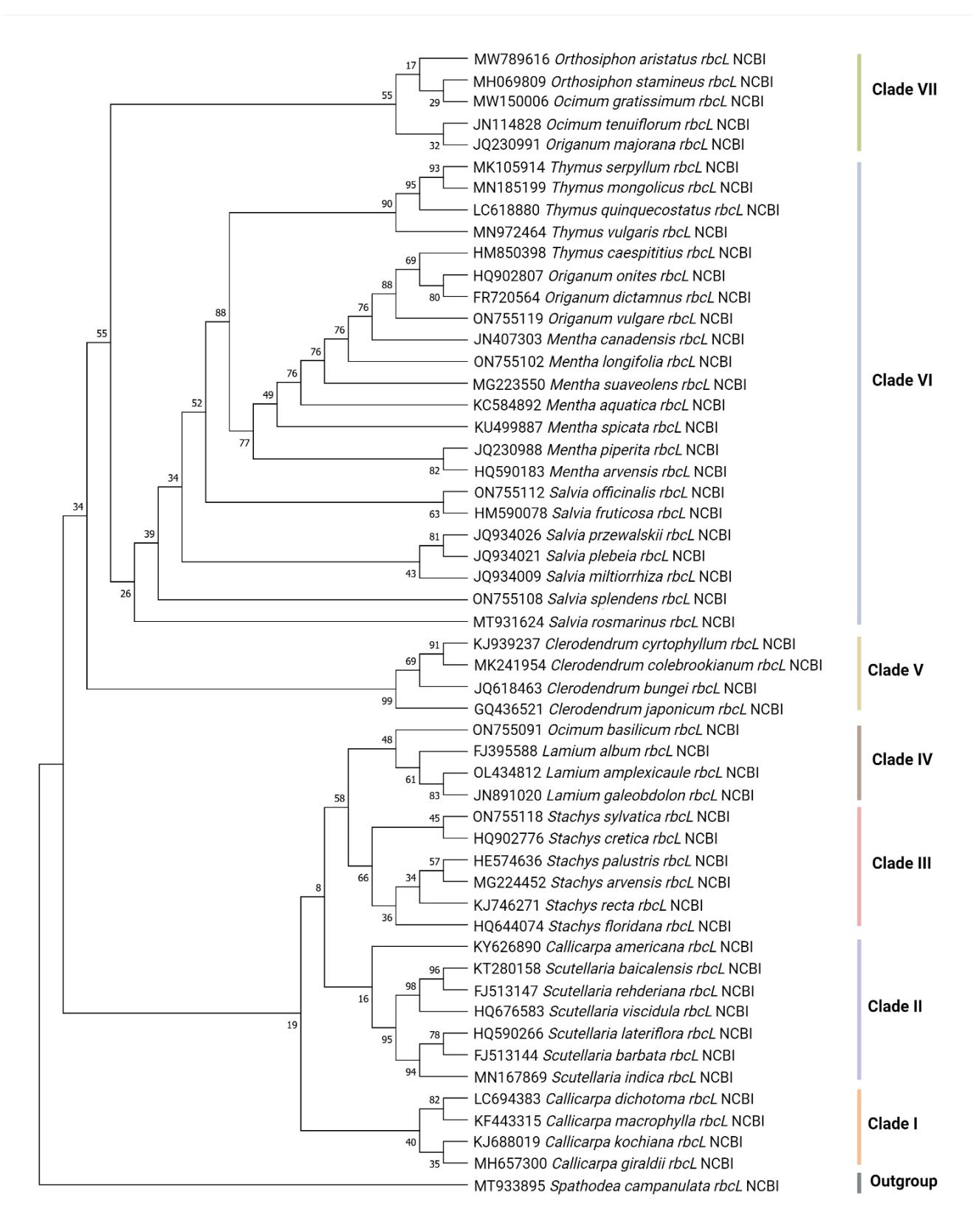
Figure 3.Maximumparsimony phylogenetic tree based on the partialrbcLbarcode.The numbers on the branchesrepresent bootstrap values from1000 replicates.
tree were over 70%. Similarly, 92% of nodes in the ML tree were above 70%, displaying congruence between both models.
Individual barcodes demonstrated similar groupings for closely related genera. Consistent clusterings were observed between Orthosiphon and Ocimum; Thymus, Origanum, and Mentha; and Lamium with Stachys. However, three grouping patterns were not recovered in the rbcL tree: (i) Salvia as the sister group to Thymus, Origanum, and Mentha; (ii) Clerodendrum as sister to Lamium and Stachys; and (iii) Clerodendrum, Lamium, and Stachys as sister to Scutellaria. These results suggest conserved sequences in the dataset, as reflected by the higher homology relative to Pi sites. Despite these similarities, individual barcodes did not consistently place every species with its correct genus.
In contrast, combining the three barcodes resolved these inconsistencies, grouping Lamiaceae into six robust monophyletic clades in both the MP and ML trees (Figures 4 and 5). Minor differences remained in the placement of one to two Origanum, Scutellaria, and Callicarpa species. Nevertheless, higher bootstrap values and consistent overall topologies across both trees indicated that the improvement resulted from more informative characters, which increased branch support and phylogenetic resolution [39]. Therefore, only the combined trees are discussed further.
Five clades were classified into four monophyletic subfamilies—Nepetoideae, Ajugoideae, Lamioideae, and Scutellarioideae—consistent with one of the most extensive phylogenetic studies of Lamiaceae [40]. Nepetoideae is sister to the lineage comprising Ajugoideae, Scutellarioideae, and Lamioideae [5]. Callicarpa was separated from the rest of Lamiaceae in Clade I, and together with the four subfamilies, form the phylogenetic backbone of Lamiaceae [12].
3.2.1 Callicarpa: Incertae sedis
Callicarpa (Clade I) is considered an incertae sedis taxon due to its unresolved phylogenetic placement within Lamiaceae [40]. Previous research based on five chloroplast DNA identified Callicarpa as the sister group to the subfamily Prostantheroideae [12]. In contrast, analysis incorporating chloroplast and mitochondrial DNA placed it as a sister to the rest of the family [41]. The present study also maintains its incertae sedis status due to incomplete sampling and limited genomic representation, which have contributed to inconsistencies in its phylogenetic position. In the MP tree, Callicarpa diverged from the main branches leading to the remaining clades, while in the ML tree, it diverged from Clades II and III. Morphologically, Callicarpa is characterized by its peltate or capitate stigma and drupes containing four stony pyrenes [42].
3.2.2 Subfamily Nepetoideae
Nepetoideae encompassed several genera distributed across clades IV – VI. As the largest subfamily within
Lamiaceae, it comprises approximately 118 genera divided into three tribes: Mentheae, Ocimeae, and Elsholtizeae [12, 40]. Clades IV and V formed a monophyletic clade within Mentheae, while clade VI belonged to Ocimeae.
Clade IV contained the paraphyletic genus Salvia (subtribe Salviinae), which is characterized by two fertile stamens and a distinctive staminal lever mechanism in pollination [43]. Salvia was initially classified as monophyletic based on its staminal morphological traits [18]. However, a DNA-based phylogenetic analysis has redefined it as part of a larger clade that includes multiple genera, revealing that some Salvia species are more closely related to other genera than each other [44]. Consequently, Salvia and its related genera are now recognized as a paraphyletic group.
Clade V was one of the largest clades, comprising Thymus, Origanum, and Mentha of the subtribe Menthinae. Members of this group are distinguished by reticulate pollen grains and a circular abscission scar [45]. In the study, Thymus and Origanum each formed monophyletic groups clustered as sister clades, with Mentha recovered as their closest relative. However, earlier chloroplast DNA analysis reported Thymus as paraphyletic to Origanum, pointing to possible introgression rather than strict shared ancestry [46]. Furthermore, Mentha was recovered here as paraphyletic, contrary to previous work identifying it as monophyletic using ITS, trnK, and trnL-trnF barcodes [46].
Clade VI included the monophyletic genera Orthosiphon and Ocimum, members of the tribe Ocimeae identified by dorsifixed anthers [47]. This close relationship has also been supported by previous studies [48]. Although Orthosiphon has been extensively investigated for its therapeutic essential oils, phylogenetic research remains relatively scarce compared to other genera, and available DNA sequence data in GenBank are limited. Thus, this study did not resolve additional evolutionary relationships within Orthosiphon, yielding results consistent with Sudarmono et al. [49]. Meanwhile, Ocimum was classified as monophyletic, despite earlier research suggesting polyphyly [47], likely due to the absence of clear synapomorphies and high morphological similarities among species [50, 17]. Overall, discrepancies between findings of the current and prior studies may reflect differences in DNA barcodes and the scope of taxon sampling.
3.2.3 Subfamily Ajugoideae and Lamioideae
Clade III comprised the genera Clerodendrum, Lamium, and Stachys. Clerodendrum was recovered as monophyletic, forming a sister relationship with the latter genera. It is a member of the subfamily Ajugoideae, the third largest in Lamiaceae, consisting of 23 genera [12]. Previous phylogenetic analysis of Ajugoideae using four chloroplast markers classified it into four clades [51], later revised into tribal status, with Clerodendrum placed within Clerodendreae [5]. Although previously considered polyphyletic based on plastid data [52], nuclear DNA has redefined Clerodendrum as monophyletic, except for two Australian and Indian Ocean species more closely related to the genus Volkameria [53]. The same study also identified three major lineages, including an Asian-Australian clade [53]. Although the present sampling included only a subset of the Asian clade, the combined ITS, matK, and rbcL sequences recovered an evolutionary pattern consistent with Satthaphorn et al. [53]. These barcodes thus provide valuable information for reconstructing phylogenetic relationships within Clerodendrum. Synapomorphies of this genus include brightly colored accrescent calyces and protandrous reproductive organs [40,52].
Lamium and Stachys are categorized within Lamioideae, in the tribes Lamieae and Stachydeae, respectively [54]. Members of this subfamily are characterized by tricolpate pollen grains and spatulate embryos [40]. This analysis resolved Lamium as non-monophyletic, with L. album separated from a clade containing L. amplexicaule and L. galeobdolon. Bendiksby et al. [41], using nuclear and chloroplast DNA from 79 Lamium samples, generally supported the monophyly of the genus, though L. galeobdolon demonstrated variable placements, and L. amplexicaule appeared polyphyletic in the chloroplast analysis. Lamium is divided into three subgenera, with L. album and L. amplexicaule belonging to subgenus Lamium, which is further subdivided into different sections (L. album in Lamiotypus and L. amplexicaule in Amplexicaule) [55]. The non-monophyly of Lamium observed here may reflect these section-level divergences within subgenus Lamium and the uncertain position of L. galeobdolon, which has been assigned within the genus or to separate genera [41].
Stachys was found to form a monophyletic group, with members of Stachydeae often characterized by campanulated calyces and strongly two-lipped corollas [54]. However, it is recognized as a paraphyletic genus including several smaller genera nestled within [54]. As a result, this taxonomic complexity complicates the phylogenetic placement of Stachys, as its species are distributed across Stachydeae.
The present study grouped Lamium and Stachys as sisters to Clerodendrum in Clade III, with Lamioideae and Ajugoideae forming a sister group to Scutellarioideae. This topology differs from Scheen et al. [54], who reported Lamioideae as more closely related to Scutellarioideae. Another large-scale analysis using four chloroplast markers [56] revealed similar findings. Such topological incongruence among studies is likely caused by variations in DNA barcodes and sampling. Expanding taxon representation remains one of the most effective strategies to improve the accuracy of Lamiaceae phylogeny, particularly at the subfamily level, as demonstrated in this case [57].
3.2.4 Subfamily Scutellarioideae
Clade II consisted of a single genus, Scutellaria, within the subfamily Scutellarioideae. It formed a monophyletic group, consistent with the findings of a previous study using three chloroplast DNA regions [19]. Scutellaria is distinguished by a unique morphological structure called the scutellum, a projectingappendageontheupperlipofthebilabiate calyx[58]. Based on inflorescence and bract characteristics, Scutellaria has been classified into two subgenera, subg. Scutellaria and subg. Apeltanthus [59]. In Salimov et al. [19], these subgenera were divided into three clades: subg. Apeltanthus formed a clade with several species of subg. Scutellaria, while the other two clades consisted solely of subg. Scutellaria. Thus, the latter subgenus was inferred to be paraphyletic to subg. Apeltanthus. However, this paraphyly was not detected in the present study, as sampling only included species from subg. Scutellaria.
This study identified Lamioideae and Ajugoideae as the sister group to Scutellarioideae, in contrast to several earlier DNA-based analyses mentioned in the previous subsection. Morphological evidence provides additional support for a closer relationship between Lamioideae and Scutellarioideae. In particular, calyx structure and xylem tissue characteristics indicate that species in both subfamilies generally possess a higher density of fibre cells, tracheids, and vessels in the calyx tube compared to those in other Lamiaceae subfamilies, especially Nepetoideae [60]. These findings are consistent with the Lamiaceae phylogenetic backbone proposed by Li et al. [12], supporting also a closer evolutionary relationship between Lamioideae and Scutellarioideae than with Ajugoideae.
3.3. Lamiaceae Phylogenetics: Species Authentication and Adulteration Prevention
The use of plants in the treatment of various diseases has long been integral to human health. Approximately 80% of the global population relies on plants as their primary source of traditional healthcare, largely due to their perceived lower side effects compared to conventional medicines [61, 62]. However, the increasing demand for plant-based remedies has also led to rising cases of adulteration, including within the Lamiaceae family. The phylogenetic reconstruction of Lamiaceae using the concatenated dataset presented in this study provides a valuable framework for addressing these issues, particularly in species authentication to prevent adulteration.
The tree topologies derived from the combined sequence revealed relationships among taxa that support accurate species authentication. These phylogenies can highlight closely related species that are potential adulterants, thereby guiding the development of DNA markers for
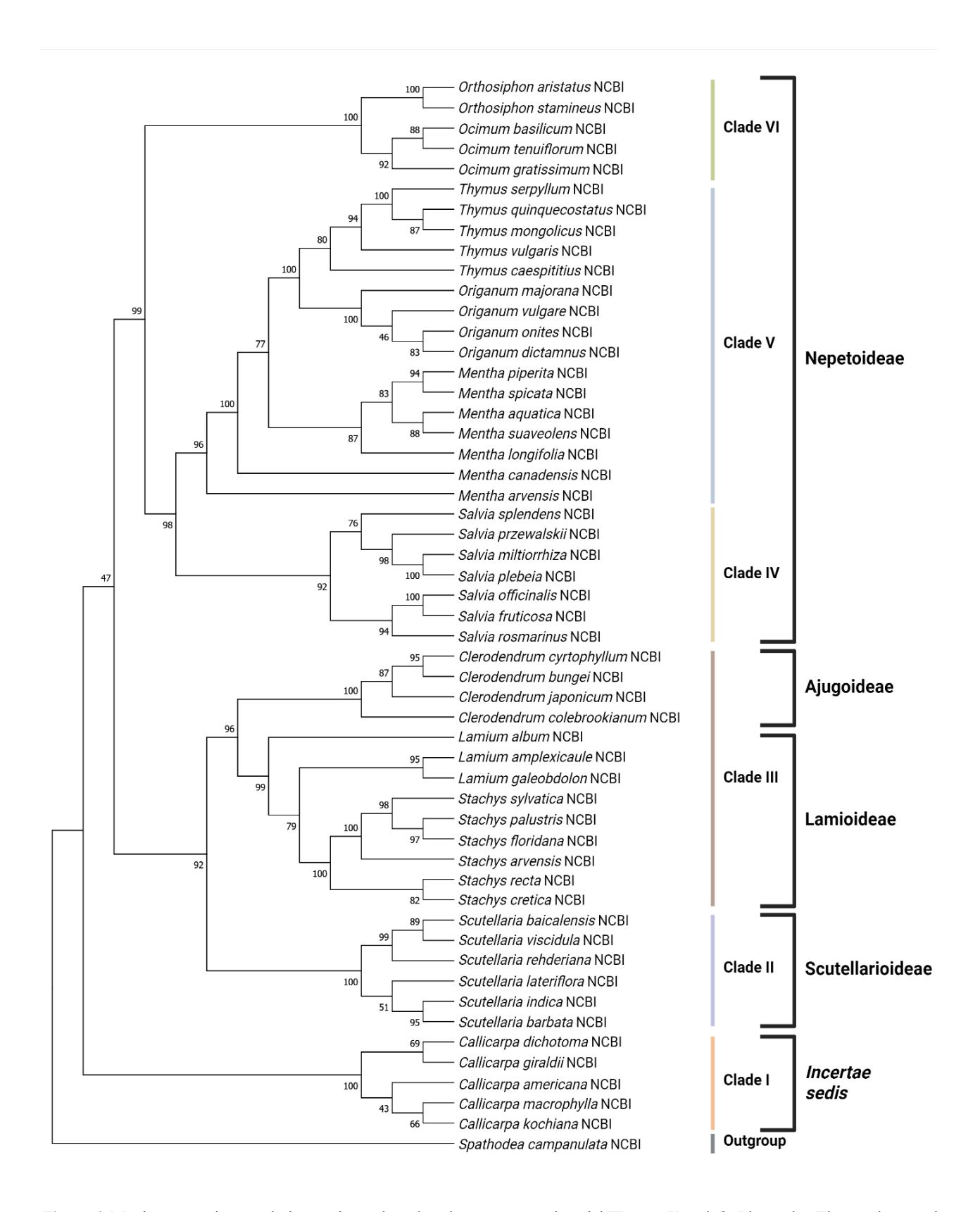
Figure 4.Maximumparsimony phylogenetic tree based on the concatenated partialITS,matK, and rbcLbarcodes.The numbers on the branchesrepresent bootstrap valuesfrom1000 replicates.The boldedwords on the farrightindicate subfamilies and an incertae sedistaxon.
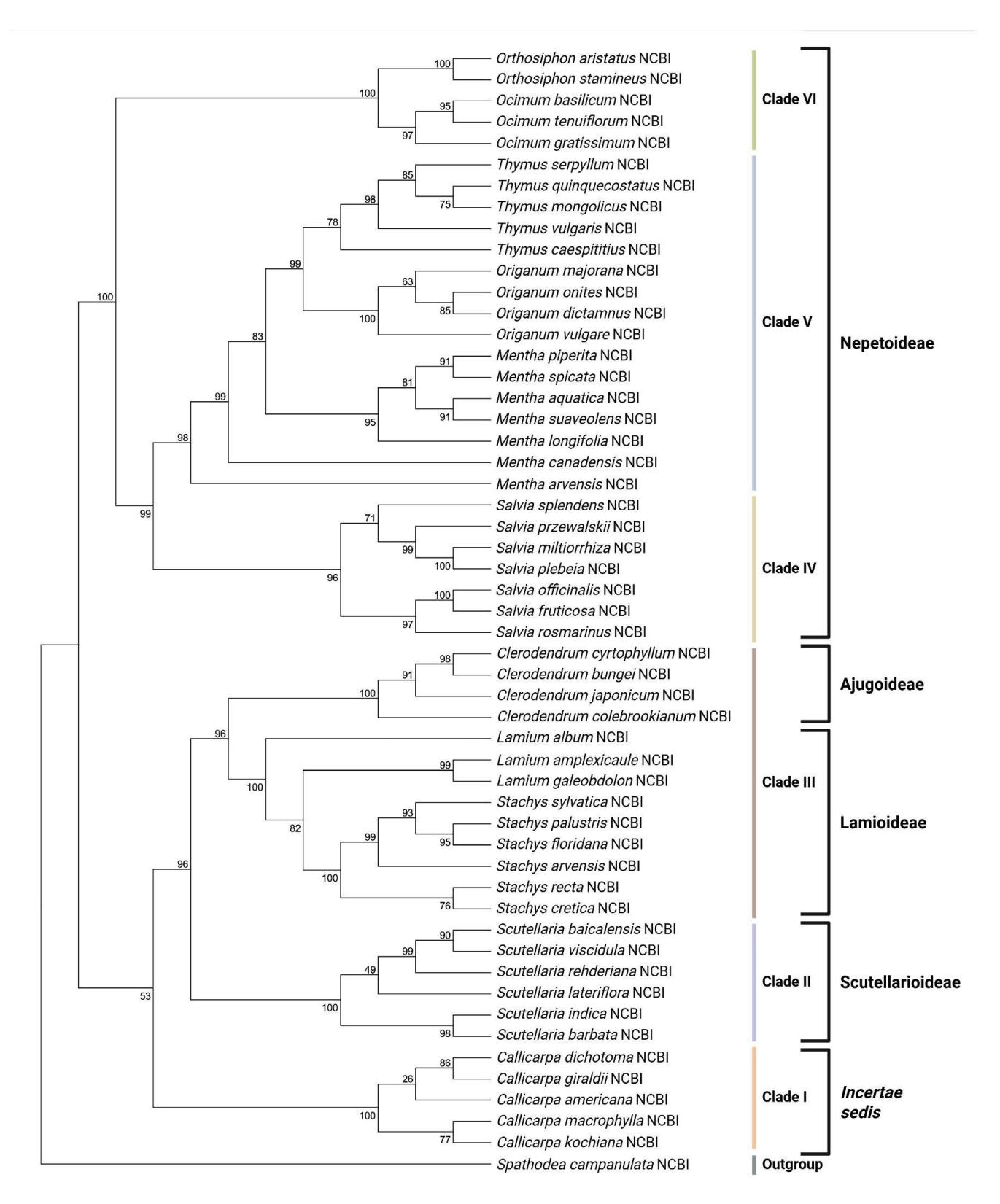
Figure 5.Maximumlikelihood phylogenetic tree based on the concatenated partialITS,matK, and rbcLbarcodes.The numbers on the branchesrepresent bootstrap valuesfrom1000 replicates.The boldedwords on the farrightindicate subfamilies and an incertae sedistaxon.
| DNA Barcodes | Consistency Index (CI) | Retention Index (RI) |
|---|---|---|
| ITS | 0.489 | 0.755 |
| matK | 0.803 | 0.913 |
| rbcL | 0.649 | 0.867 |
| ITS + matK + rbcL | 0.586 | 0.803 |
Table 3.Consistency and retention indices ofLamiaceaemaximumparsimony phylogenetic trees.
reliable identification of authentic species and their likely substitutes in raw materials and finished products. Such authentication is crucial, as adulteration may compromise the purity and efficacy of herbal products [63]. Furthermore, considering that different Lamiaceae taxa possess distinct secondary metabolite profiles, adulteration may also introduce toxic compounds that raise safety concerns [64].
The issue is exemplified by Scutellaria baicalensis, widely used in traditional cancer treatments for its wogonin content [65]. High market demand has resulted in the adulteration of its commercial products with S. rehderiana [66]. Similarly, peppermint oil from Mentha piperita, which contains menthone and menthofuran that are beneficial against oxidative stress and inflammation [67, 68], is frequently substituted with menthol oil from M. arvensis [7]. These substitutions may involve differences in chemical compositions and affect therapeutic efficacy. Therefore, DNA-based phylogenetic analysis enables reliable species authentication and adulterant detection.
4. Conclusion
In the present study, individual partial DNA barcodes (ITS, matK, and rbcL) consistently grouped closely related genera, confirming their ability to reconstruct relatively accurate Lamiaceae phylogenies. Nevertheless, several species were separated from their respective genera. Concatenation of the three barcodes resolved these discrepancies, yielding improved phylogenetic resolution further supported by the ML tree model. The combined analysis clustered Lamiaceae into six well-supported monophyletic clades, largely consistent with previous studies, although some differences in phylogenetic placement were observed. These findings highlight the utility of multilocus DNA barcodes for clarifying evolutionary relationships in Lamiaceae and supporting species authentication and adulteration prevention in herbal products.
Future research should expand taxon sampling, including but not limited to more incertae sedis genera and geographically diverse species. Incorporating longer DNA sequences, additional markers such as mitochondrial apocytochrome b (COB), and diverse phylogenetic tree models may further refine phylogenetic resolution.