

1. Introduction
Human daily life activities related to water produce domestic wastewater. Domestic wastewater discharged into surrounding water bodies contains high levels of inorganic materials and may cause disease. This wastewater contains high concentrations of nutrients such as nitrogen and phosphorus, which can degrade river water quality and disrupt aquatic ecosystems. Excessive nutrient concentrations may stimulate algal growth and reduce dissolved oxygen levels. One of the most significant consequences is a decrease in oxygen levels in the aquatic environment, which can be dangerous to the survival of various species. Furthermore, biodiversity may decrease because some species cannot survive in the presence of more dominant organisms. This condition increases the likelihood of the development of harmful phytoplankton
species and disrupts the ecosystem's balance. Among the various nutrients that are often of concern in the environment are nitrate and phosphate [1]. Although a river may initially have good physical, chemical, and biological conditions, the continuous influx of unmanaged chemicals can degrade its condition. The Kalidami River in Surabaya, East Java, is approximately 4,720 metres long and 18–20 metres wide. It originates in the Gubeng area and flows eastward into the sea. Pollution in the Kalidami River is caused by untreated direct wastewater discharge, characterised by excessive foam on the water surface [2].
One of the parameters that is quite high and exceeds the limits of existing regulations is Nitrogen (N) and phosphorus (P). These two nutrients are often above environmental quality standards in polluted water bodies. Although these nutrients are essential for plant growth, excessive concentrations in aquatic environments can trigger eutrophication. This process promotes excessive algal growth, reduces dissolved oxygen levels, and disrupts the balance of aquatic ecosystems [3]. Nitrogen and phosphorus stored in sediments can be released and remain the main drivers of continuous lake eutrophication. The release of N and P from sediments is not only influenced by the amount of nutrients stored but also by changes in external environmental factors. Therefore, the existence of internal nitrogen and phosphorus transformation mechanisms is essential to effectively control the nutrient load of N and P in lake ecosystems and for the restoration of eutrophic lakes [4]
Therefore, it is necessary to manage waterways in various ways. One alternative to reduce pollutants that have entered them is to utilize aquatic plants for phytoremediation [5]. Phytoremediation is a method in which certain plants, in collaboration with microorganisms, can convert contaminants or pollutants into less harmful substances at a relatively lower cost than other physical and chemical-based technologies [6]. A floating constructed wetland is a wastewater treatment technology that uses a floating planting medium to support plant roots. This system can improve water quality by facilitating the removal of pollutants from wastewater in rivers and other water bodies. Therefore, plant selection in floating constructed wetland systems must consider root characteristics and plant growth performance [7].
Aquatic plants growing on the water surface can form a natural filtering layer through their leaf structures and compete with planktonic algae, thereby inhibiting algal growth. In addition, aquatic plants can reduce pollutant concentrations in aquatic environments. Typha latifolia plants are emergent plants that have rhizomes and can form dense colonies; T. latifolia plants also often rise from shallow water, can grow in wet places, and have very upright stems and leaves that have two lines. It has a high ability as a phytoremediator, with sufficient endurance, resistance to dying, and very dense fibrous roots, which enable it to absorb nutrients [8].
As an emergent aquatic plant, T. latifolia plays an important role in purifying eutrophic water bodies. Emergent aquatic plants are valuable for improving water quality because they can effectively reduce nitrogen levels in polluted waters. These plants possess well-developed root systems that absorb significant amounts of nitrogen, phosphorus, and other nutrients during their growth. Not only can nutrient uptake occur through the roots, but their stems and leaves growing in water can also absorb nutrients. Therefore, emergent aquatic plants play an important role in suppressing algal growth, contributing to wastewater purification, and demonstrating some tolerance to polluted environments [9].
Nitrogen removal in aquatic plant systems occurs mainly through plant uptake and microbial processes in the rhizosphere. Plant roots release exudates such as sugars, amino acids, organic acids, and other metabolites that stimulate microbial activity. These root exudates provide energy sources for rhizosphere microorganisms, leading to higher microbial activity than in non-rhizosphere environments. In addition, the abundance of nitrifying and denitrifying bacteria in the rhizosphere varies among plant species. These microbial communities play an important role in nitrogen transformation and contribute to the transfer and removal of nitrogen and phosphorus in aquatic systems [10].
2. Methodology
2.1 Description of the Study Site
This study was conducted in the Kalidami River, located at 7°16'27.31'' of South latitude and 112°48'14.4'' of East longitude. This river functions as a drainage and sewage channel serving the East Surabaya area, including the Pakuwon City area [2]. The Kalidami River is located in the eastern part of Surabaya, with a length of about 4,270 meters and a width ranging from 11 to 33 meters. It flows from Airlangga Village, Gubeng, then extends to the sea in the east of Kejawan Wetan Putih Tambak Village and eventually discharges into the Madura Strait. Pollution of the river is caused by the disposal of domestic waste directly into the river without proper management, as evidenced by the presence of excessive foam on the water's surface. As a result, the river receives significant inputs of domestic wastewater, which contributes to nutrient pollution. Previous observations have indicated signs of water quality degradation, including foam accumulation on the water surface and elevated nutrient concentrations. Therefore, the Kalidami River was selected as the study site to evaluate the effectiveness of floating constructed wetlands in reducing nutrient pollutants.
2.2 Preparation of FCWs
Good preparation of the FCWs system supports optimal plant growth, thereby increasing their capacity to absorb pollutants from river water. FCWs were developed with dimensions of 0.635 m × 0.4 m × 0.05 m, and a 2 × 3 grid arrangement of holes with uniform spacing. The floating frame was made of styrofoam, and the plants were arranged in holes on the floating platform, each with a diameter of 0.085 m (8.5 cm). The holes were filled with pieces of cut plastic bottles as planting containers. When placed in FCWs, the top of the bottle will face downwards to place the plant with its growing medium. The planting medium consists of cocopeat and coconut fibers, with a thickness of 2 cm, and the distance between holes was 15 cm. Based on the reactor dimensions, the surface area of each reactor was approximately 0.254 m². Six T. latifolia plants were planted in each reactor using a 2 × 3 grid arrangement, corresponding to a plant density of approximately 23.6 plants m². The floating constructed wetland system was operated in batch mode with a hydraulic retention time (HRT) of 10 days during the experimental period.
2.3 Propagation and Acclimatisation Stages
The propagation stage of the plants aims to multiply those used in a series of planned studies. From propagation, individual plants with fast growth rates are obtained, enabling propagation to optimize pollutant absorption capacity. Typha latifolia plants are adaptive to contaminated water, making them effective in processing organic compounds, affordable, fast-growing, and easy to maintain. They are widely available, making them very easy to find. This study used local T. latifolia plants purchased online with a height of approximately 60 cm and a similar age. The aim was to ensure that all plants used in subsequent studies had the same initial conditions. Plant propagation was carried out to multiply the seedlings needed for the study. This stage lasted at least four weeks until the plants grew optimally. The plants were planted in 150 L-capacity containers measuring 82 cm × 58 cm × 46 cm, with six plants placed in each container.
The acclimatization stage was conducted to allow the plants to adapt to the water conditions used in the experiment and to ensure their survival. During this stage, the plants were placed in a container filled with river water for approximately 1 week before being transferred to the experimental reactors. This acclimatization period is commonly applied in floating constructed wetland systems to stabilize plant conditions and to support the development of microbial communities associated with plant roots, which contribute to pollutant removal [11].
2.4 River Water Sampling and Quality Test
Wastewater used in this study was collected from the Kalidami River, Mojo, Surabaya, before the Kalidami screw landfill, which is near a residential area, in March 2025. This river water characteristics test was carried out to determine the initial content of the river water used, in accordance with the river water quality benchmarks outlined in Government Regulation of the Republic of Indonesia Number 22 of 2021 concerning the Implementation of Environmental Protection and Management. The results of the river water characteristics test can be seen in Table 1.
The water used in this study was sourced from the Kalidami River, near a residential domestic waste outlet, indicating potential contamination. Sampling was conducted at 08:30 AM using the grab sampling method, and a total of 1120 L of water was collected. A total of 1120 L of river water was collected using the grab sampling method. Before being distributed to the experimental reactors, the collected water was mixed thoroughly in a storage container to ensure homogeneity. The water was then equally distributed among the reactors, with the same volume, to maintain identical initial conditions. Initial concentrations of phosphate and nitrate were measured to verify that the nutrient levels were consistent across all reactors before the experiment began.
The samples were taken at several points and combined to obtain a representative sample of river water. The collected water was stored in clean containers and transported to the laboratory. Before use in the experimental reactors, the water was thoroughly mixed to ensure homogeneity. The reactors were filled shortly after sampling to minimize changes in water quality. No filtration was performed before filling the reactors, so that the original characteristics of the river water were maintained. The initial water quality of the river was analyzed in accordance with Government Regulation No. 22 of 2021 on Environmental Protection and Management standards. The sample properties of river water contaminated with domestic waste are shown in Table 1.
2.5 Data Analysis
The analysis of the Kalidami river's water quality was conducted to evaluate the performance of a floating constructed
| No | Paramater | Unit | Test | Quality Standard | |||
|---|---|---|---|---|---|---|---|
| Class 1 | Class 2 | Class 3 | Class 4 | ||||
| 1. | Phosphate | mg/L | 1.21 | 0.2 | 0.2 | 1 | - |
| 2. | Nitrate | mg/L | 0,93 | 10 | 10 | 20 | 20 |
| 3. | TSS | mg/L | 245 | 40 | 50 | 100 | 400 |
| 4. | Temperature | °C | 29.95 | Dev 3 | Dev 3 | Dev 3 | Dev 3 |
| 5. | pH | - | 7.82 | 6-9 | 6-9 | 6-9 | 6-9 |
Table 1. Kalidami River Water Quality Test
wetland system using T. latifolia. The parameters analysed included phosphate, nitrate, total suspended solids (TSS), pH, and temperature. Samples were collected over ten days to obtain the quality of the floating artificial swamp reactor using the grab sampling method at four sampling points in each reactor on days 0, 1, 4, 7, and 10.
A total of 4 reactors were used in this study, with 2 treatments and 2 replicates per treatment. The first treatment served as the control reactor containing only river water, while the second treatment consisted of river water planted with Typha latifolia. Each treatment was conducted in duplicate, resulting in four reactors in total (Fig. 1). After sampling, water samples were analyzed immediately to determine the treatment performance of parameters such as phosphate, nitrate, TSS, pH, and temperature, which were analyzed in accordance with standard methods for examination of water and wastewater.
Figure 1. Typha latifolia plants in the constructed FCWs
The obtained data were processed using Microsoft Excel for descriptive analysis, including the calculation of pollutant removal efficiency and the evaluation of changes in phosphate, nitrate, TSS, pH, and temperature during the treatment period. At this stage, the data obtained was also compared with the quality standards set out in Government Regulation Number 22 of 2021. To obtain the results for the percentage reductions in phosphate, nitrate, TSS, pH, and river water temperature parameters from the Kalidami River in this study, a percentage calculation can be used. The percentage calculation was based on the decrease in concentration of each parameter during the treatment, as presented in this equation:
\[E = \frac{Co - Ci}{Co} \times 100\%\]
Description:
Percentage value of reduction (%)
Concentration of pollutants before treatment
Concentration of pollutants after treatment
The fresh and dry weight of T. latifolia plants was measured after 10 days, and the plants' water content was calculated based on the equation below:
\[Water \;\; content = \frac{Fresh \;\; weight - Dry \;\; weight}{Fresh \;\; weight} \times 100\%\]
The percentage of dry biomass of T. latifolia plants was calculated based on the equation below:
\[Dry \; Biomass = \frac{Dry \; weight}{Fresh \; weight} \times 100\%\]
2.6 Statistical
Statistical analysis was performed using IBM SPSS Statistics version 27 to evaluate differences in water quality parameters between treatments. An independent-samples t-test was used to determine whether there were significant differences in phosphate and nitrate concentrations between the control reactor and the reactor planted with T. latifolia during the experimental period.
3. Results and discussion
3.1 Phosphate Test Results
The results of phosphate analysis have been tested for ten (10) days on days 1, 4, 7, and 10 in each control reactor and reactor containing T. latifolia. Based on the analysis, there are differences in the reduction efficiency from day to day. The phosphate reduction diagram (Fig. 2) showed an 11% decrease on the first day, from an initial phosphate concentration of 1.19 mg/L to 1.01 mg/L in the reactor with T. latifolia. Furthermore, on the fourth day, the concentration decreased 11%, similar to the first day, to 0.95 mg/L. Then, on the seventh day, a 17% decrease to 0.78 mg/L was detected. On the final day, the phosphate concentration dropped 9% to 0.71 mg/L. In the control reactor, the phosphate concentration remained relatively stable throughout the 10-day experimental period. The concentration decreased slightly from 1.20 mg/L on day 0 to 1.18 mg/L on day 10. This minor change indicates that the control reactor, which contained only river water without plants, did not significantly contribute to phosphate removal. The absence of aquatic plants in the control system limited biological uptake and filtration, resulting in minimal reduction in phosphate concentration.
Our results showed that T. latifolia plant reduced phosphate concentrations by 40% within 10 days. Phosphate removal from T. latifolia monocrops occurred through direct absorption by the roots of the plant. This plant has relatively high biomass above and below the soil surface, which provides a potentially larger surface area for absorbing nutrients and ions from the water. Other factors also contribute to phosphorus extraction in this plant, such as nutrient loading, indicating that the biomass of T. latifolia monocrops can extract considerable nutrients during plant growth [12].
In the reactor planted with T. latifolia, phosphate concentration decreased gradually over the 10-day treatment period. A more pronounced reduction was observed on day 7, which may be attributed to increased activity of plant roots and associated microorganisms, which enhanced nutrient uptake and adsorption processes in the floating constructed wetland system. However, the removal efficiency slightly declined on day 10, suggesting that the system may have approached equilibrium conditions as the phosphate concentration in the water decreased. At lower concentrations, plant nutrient uptake rates tend to decline due to a reduced concentration gradient between the water column and plant tissues. In contrast, the control reactor showed only minimal changes in phosphate concentration, suggesting that T. latifolia played an important role in enhancing phosphate removal.
T. latifolia is an emergent aquatic plant that involves processes such as precipitation, plant uptake, substrate
adsorption, and phosphorus accumulation by polyphosphateaccumulating organisms. Phosphorus removal can occur through plant uptake, adsorption by the substrate, and microbial activity in the rhizosphere. The interaction between plant roots and rhizosphere microorganisms enhances phosphorus removal efficiency in aquatic treatment systems. From this, the synergistic interaction between the single plant T. latifolia and rhizosphere microorganisms is the basic mechanism to develop a more efficient and sustainable aquatic restoration system [13].
3.2 Nitrate Test Results
The results of the nitrate analysis showed differences in reduction efficiency across days (Fig. 3). The reactor containing T. latifolia plants showed a 9% decrease on the first day, from an initial nitrate concentration of 0.93 mg/L to 0.85 mg/L. A 9% decrease was also observed on the fourth day to 0.77 mg/L. Then, a 11% decrease was observed on the seventh day to 0.68 mg/L. The last day showed the largest decrease of 15%, resulting in a nitrate concentration of 0.58mg/L.
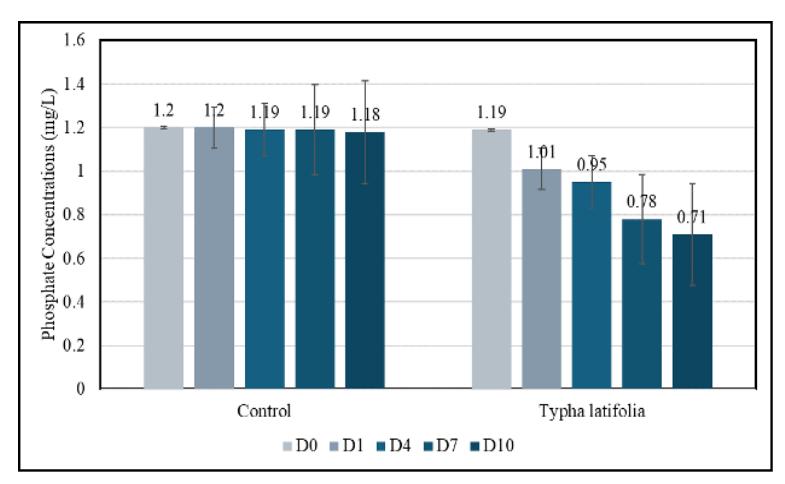
Figure 2. The mean ± standard deviation of phosphate in control and FCW with T. latifolia measured during the ten days of experiments
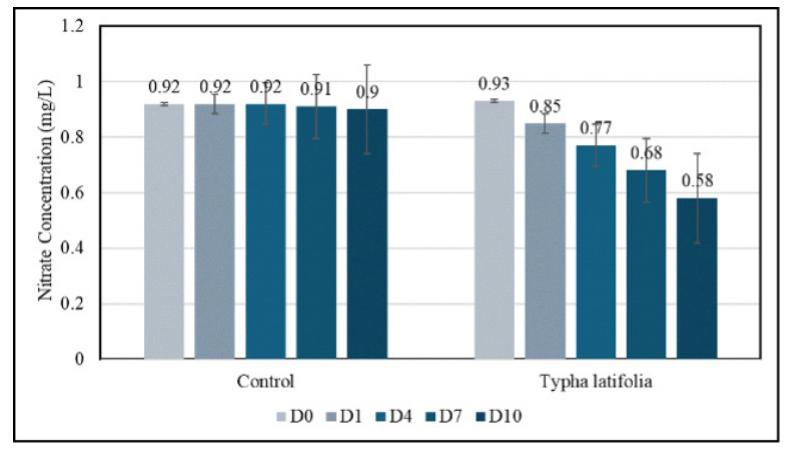
Figure 3. The mean ± standard deviation of nitrate in control and FCW with T. latifolia measured during the ten days of experiments
In this study, nitrate removal reached approximately 38% after 10 days of treatment. Compared with other studies, the removal efficiency is considered moderate. For example, previous research reported nitrate removal of up to 87% within 9 days in a floating constructed wetland system [20]. The lower removal efficiency observed in the present study may be related to differences in experimental conditions, plant density, water characteristics, or system configuration. This increasing trend suggests that the floating constructed wetland system became more effective over time. The improvement in nitrate removal may be related to the adaptation and growth of T. latifolia roots, which enhanced nutrient uptake and provided surfaces for microbial activity in the rhizosphere. As the system stabilized, the interaction between plant roots and microorganisms likely contributed to improved nitrogen transformation processes, resulting in higher nitrate removal efficiency toward the end of the experiment.
The higher nitrate removal in T. latifolia compared to the control reactor might be due to sedimentation and filtration of solid particles containing nitrogen. During the growth period of T. latifolia plants, nitrogen uptake from water and sediments by plants is very high. Then, nitrate can be absorbed through the plant roots and used for growth and development. This nitrate uptake is quite important for plant nutrition and also helps clean the environment of nitrogen pollution [14].
3.3 TSS Test Results
The results of TSS analysis (fig. 4) showed a 4% decrease on the first day to 240 mg/L in the reactor containing T. latifolia plants. The TSS gradually decreased by 13% on the fourth day, 60% on the seventh day, and reached 160 mg/L on the last day. This relatively high reduction indicates that the floating constructed wetland planted with T. latifolia was effective in reducing suspended particles in the water. The decrease in TSS may be attributed to sedimentation of suspended particles and to the filtration effect of the plant root system, which can trap particulate matter in the water column. In addition, the roots of aquatic plants provide surfaces for biofilm development, further enhancing the capture of suspended solids. However, fluctuations in TSS observed during the treatment period may also be influenced by particle resuspension or disturbances caused by root movement in the reactor.
TSS is one of the factors that can indirectly affect existing waters, such as the aesthetic or physiological quality of water, and purification and disinfection, which have a direct impact on aquatic ecosystems. If the TSS value is high, it can increase turbidity and affect brightness, which is inversely proportional to its impact; for example, it can disrupt photosynthesis, which requires sunlight, thereby reducing the supply of dissolved oxygen [15]. The decrease in TSS concentration within the constructed floating wetland system is due to filtration, adsorption, and precipitation by T. latifolia plants. The roots of plants that are fibrous, numerous, and rather long make the roots function as filters for organic substances. Organic substances that are not successfully filtered would settle on the media or at the bottom of the floating constructed wetland reactor.
Meanwhile, organic substances in the form of suspended solids will be filtered by plant roots, so that the solids in the reactor will be retained and accumulate in plant roots. The high concentration of TSS results from organic matter in suspended form, which can cause turbidity in the aquatic environment. The higher the value of TSS concentration in domestic wastewater, the more turbid the river water. High TSS concentrations can cause turbidity, blocking sunlight from entering the water supporting photosynthesis and reducing dissolved oxygen levels [9]. The decrease in TSS concentration occurs due
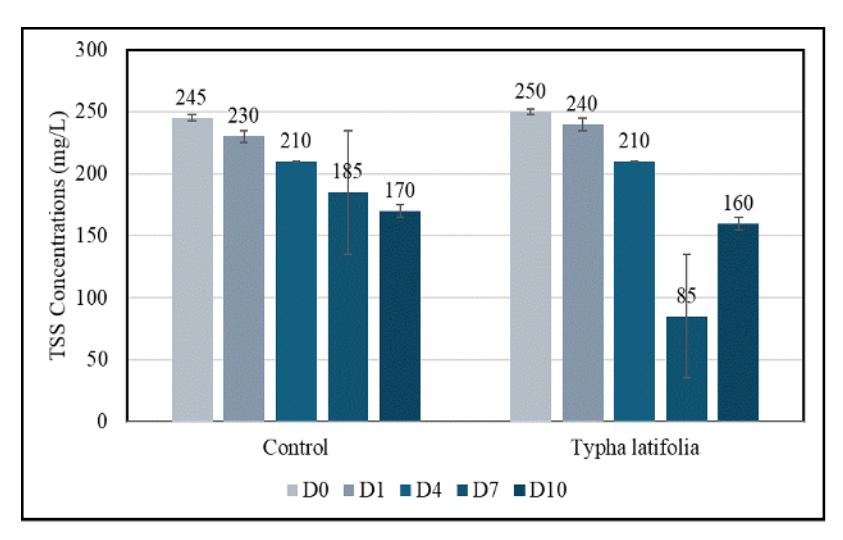
Figure 4. The mean ± standard deviation of TSS in control and FCW with T. latifolia measured during the ten days of experiments
to physical processes, namely sedimentation and filtration, which settle to the bottom of the reactor and form sediment (sedimentation process). In addition to sedimentation, TSS removal is influenced by microorganisms in plant roots and media. These microorganisms will use organic solid compounds as their energy source, leading to a decrease in solids [16].
3.4 pH Test Results
The pH parameter was measured as a supporting parameter in this study to determine the condition of acidity and water temperature in each reactor, which can affect biological processes such as the activity of microorganisms and plant absorption effectiveness. The initial pH of the river water was close to neutral, with values of 7.82 in the control reactor and 7.80 in the reactor planted with T. latifolia (Fig. 5). On day 1, the pH decreased slightly to 7.69 in the control and 7.55 in the planted reactor. During the subsequent treatment period, the pH gradually increased and remained relatively stable. In the control reactor, the pH increased to 8.16 by day 10, whereas the reactor with T. latifolia showed a more stable range of 7.55–7.90. Overall, the pH values in both systems remained near neutral throughout the experiment, indicating that the floating constructed wetland system did not significantly alter water pH during the treatment period.
Overall, the pH fluctuations were relatively small, indicating that the floating constructed wetland system maintained stable water conditions throughout the experiment. The control reactor showed a similar trend, with pH values slightly higher at the end of the experiment. No clear correlation was observed between pH changes and nutrient removal during the treatment period, suggesting that reductions in nitrate and phosphate were mainly driven by plant uptake and filtration processes rather than by pH changes. One important parameter in the sorption process is pH, as it can determine the ion concentration in solution [17]. In this study, pH can regulate deionisation and protonation of functional groups, which can play an important role in phosphate and nitrate adsorption.
The increase in pH levels is due to microorganisms that facilitate the decomposition of organic matter in river water [18]. The pH value also affects microbial activity. If water is too acidic (low pH) or too alkaline (high pH), it can inhibit the growth of microorganisms, especially those involved in organic matter degradation. Most decomposer microbes function best in neutral pH conditions (around pH 6–7), although some can thrive in extreme pH environments [19].
3.5 Temperature Test Results
The temperature changes recorded in this study (Fig. 6) are due to solar radiation entering the reactor; therefore, the temperature figures in all reactors tend to be the same because they are in the same environment. Temperature
plays a role in the photosynthesis process: when temperature increases, energy production tends to increase; however, if the temperature is too high, it can denature enzyme proteins, affecting the absorption of minerals in plants. Meanwhile, if the temperature is too low, it can slow or even stop plant growth, as enzyme activity is affected by temperature [2].
The initial temperature of the river water was approximately 29.9 °C in both reactors. During the 10-day treatment period, the temperature in the control reactor ranged from 28.25 to 29.95 °C, while the reactor planted with T. latifolia ranged from 28.75 to 29.9 °C. Slight fluctuations were observed throughout the experiment; however, the variations were relatively small. The planted reactor showed water temperatures comparable to those in the control reactor, indicating that T. latifolia did not significantly affect water temperature. Overall, the temperature remained relatively stable during the treatment period.
3.6 Analysis of Plant Fresh Weight and Dry Weight
The fresh and dry biomass of T. latifolia was measured to evaluate plant growth and its potential contribution to nutrient uptake in the floating constructed wetland system. The results (Table 2) showed differences in biomass between the plant treatments, indicating variations in plant growth performance during the experimental period. Higher biomass values suggest greater plant growth, which may enhance the system's nutrient absorption capacity.
Based on the calculation results, the water content in T. latifolia plants was 93% on the tenth day. This value is considered normal for aquatic macrophytes, which generally have a high water content of about 85% to 95% of their fresh weight. The high water content is related to the physiological characteristics of aquatic plants, which possess specialized tissues and large intercellular spaces that facilitate water storage and gas exchange in a wet environment.
The percentage of dry biomass indicates the accumulated nutrients, such as phosphate and nitrate, in T. latifolia plants. The calculated total dry biomass in T. latifolia plants was 6% on the tenth day. The calculation of dry biomass aims to measure biomass production during the study period, thereby evaluating plant growth without being affected by fluctuating water content. Furthermore, it can be used to calculate nutrient absorption or plant biomass growth rate.
3.7 Statistical Test Result
The results of the Levene's test on phosphate concentrations (p-value=0.013) showed that the data variances were not homogeneous; therefore, the option "equal variances not assumed" was used. The t-test results (p-value=0.037) showed a significant difference between the control group and the T. latifolia treatment group. Based on the mean values, the
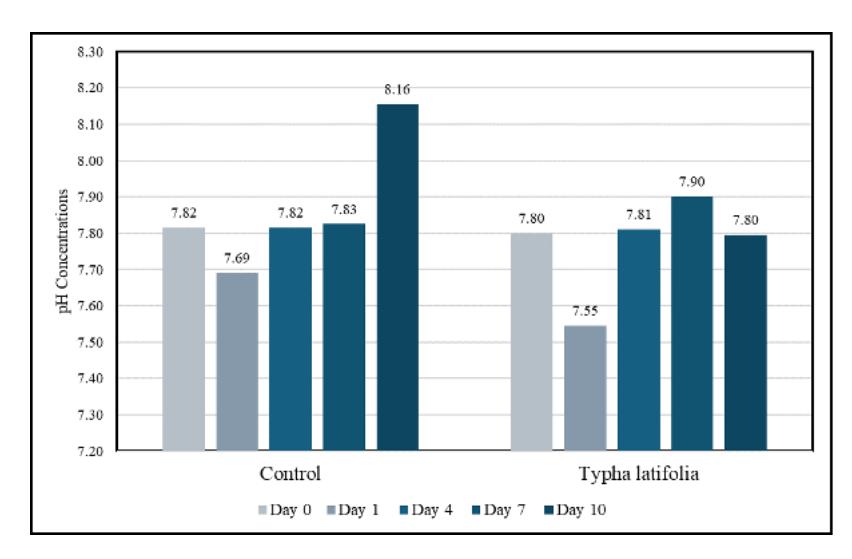
Figure 5. The measured pH in control and FCW with T. latifolia during the ten days of the experiment.
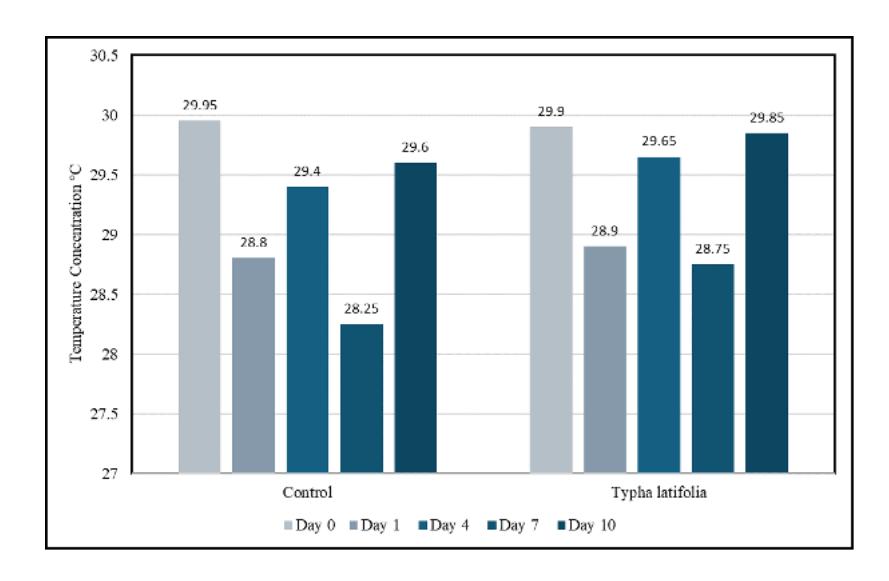
Figure 6. The measured temperature in control and FCW with T. latifolia during the ten days of the experiment
Table 2. Estimated Fresh weight and dry weight of T. latifolia
| Reactor | Control | Typha latifolia | ||||||
|---|---|---|---|---|---|---|---|---|
| Last day (Day 10) | ||||||||
| Fresh weight | ||||||||
| Roots (g) | - | 17.3367 | ||||||
| Leaves (g) | - | 13.2353 | ||||||
| Total (kg) | - | 0.03 | ||||||
| Dry weight | ||||||||
| Roots (g) | - | 1.5287 | ||||||
| Leaves (g) | - | 0.8408 | ||||||
| Total (kg) | - | 0.002 | ||||||
phosphate concentration in the control group was 1.191 mg/L, while in the T. latfolia treatment group it was 0.928 mg/L. These results indicate that the T. latifolia treatment reduced phosphate concentration by 0.263 mg/L compared to the control group.
Similar to phosphate, the variance of nitrate data was not homogeneous (Levene's Test p-value=0.014). The t-test results showed no significant difference between the control and T. latifolia treatment groups (p-value=0.070). Based on the mean values, the nitrate concentration in the control group was 0.913 mg/L, while in the T. latifolia treatment group it was 0.762 mg/L. Although a descriptive decrease in nitrate concentration of 0.151 mg/L was observed, this reduction was not statistically significant.
4. Conclusion
A 10-day study using a floating constructed wetland (FCW) planted with T. latifolia demonstrated its potential to improve river water quality, with reductions of 40% in phosphate, 27% in nitrate, and 36% in TSS. These results indicate that T. latifolia can contribute to nutrient removal and suspended solids reduction in polluted river water. The increase in fresh and dry biomass of T. latifolia during the experiment indicates that this plant showed positive growth in the floating constructed wetland system, supporting its role in nutrient uptake and pollutant removal. Therefore, the FCW system shows potential as an environmentally friendly alternative for improving water quality in urban rivers receiving domestic wastewater.
Acknowledgements
The authors would like to thank the Supervisor for their invaluable advice and assistance during the project, as well as Institut Teknologi Sepuluh Nopember (ITS) for providing financial support under Contract No. 2874/PKS/ITS/2025.