

1. Introduction
The rising global energy demand, driven by population growth and rapid industrialization, remains heavily dependent on fossil fuels such as petroleum [1]. Nevertheless, the issues of security, sustainability, and climate change have increased the interest in alternative renewable sources of energy. Among these alternative sources of renewable energy is the production of bioenergy. This is because the biomass and the biodegradable wastes have been poorly utilized and have been discarded through non-value-added processes. This has resulted in environmental degradation. However, the bioenergy industry has provided the biomass and waste value, as they can be used to produce economic and environmental
benefits. In addition, the adoption of biofuels and biogas not only reduces the dependence on fossil fuels but also enhances security and rural development, aligning with the circular economy concept [2,3].
Biodiesel, a renewable fuel derived from biological sources, is widely recognized as one of the most viable alternatives to conventional fossil fuels due to its lower greenhouse gas emissions, scalability, and broad applicability [4]. While conventional biodiesel feedstocks, such as palm oil and soybean oil, dominate the industry, concerns over food security and land-use competition have prompted a shift toward non-food, underutilized feedstocks. One promising alternative is rubber seeds, which are currently regarded as agricultural waste despite their high oil content [5].
The annual of rubber seed yields can reach up to 1,200 kg/ ha, with fresh seeds comprising 42–48% shell and 52–60% kernel [6]. The kernel contains approximately 40–50% oil and 17–20% protein [7–9], making it a promising raw material for biodiesel production. Given these characteristics, the estimated oil yield from rubber seeds can reach up to 300 kg/ha/year. The utilization of rubber seeds for biodiesel production offers dual benefits: supporting renewable energy development and generating additional income for rubber farmers through value-added processing.
South Sumatra Province, especially Banyuasin Regency, has the largest area of rubber plantation in Indonesia, covering 101,661 ha and yielding an average of 103,594 tons of rubber per year. Smallholders produce 91 % of the total rubber in Indonesia, while the remaining 9 % is owned by private and state-owned plantations [10,11]. Despite the region's significant plantation area and production capacity, rubber farmers face persistent challenges, including declining natural rubber prices, crop pests, and climate variability [12]. These factors will negatively affect the livelihood of the farmers, thus showing the importance of having alternative sources of income. The conversion of rubber seeds to biodiesel is an economic opportunity for small-scale farmers and provides an alternative source of income.
A comprehensive techno-economic analysis is crucial to evaluate the feasibility of biodiesel production from rubber seeds, considering both technical and financial aspects [13]. Assessing the entire value chain from rubber farmers and processing facilities to biodiesel production is essential for optimizing economic benefits and ensuring long-term sustainability [14]. This study aims to assess the technoeconomic viability of biodiesel production from rubber seed in Banyuasin Regency. Specifically, this study assesses the value chain, production cost, profitability, and the potential impact on farmers' income. This study is a holistic assessment of the role of rubber seed in advancing sustainable biodiesel technology, thereby promoting rural economic development.
2. Methodology
2.1. Data Collection
The study was conducted from November 2022 to January 2023 in Banyuasin Regency, South Sumatra, Indonesia, an area known for its extensive rubber plantations spanning 101,661 hectares [15]. Sampling methods included snowball sampling for stakeholders involved in the rubber seed value chain and stratified random sampling techniques to assess rubber seed prices. Snowball sampling involved interviewing a small group of informants and expanding sequentially to ensure comprehensive information was gathered [16]. All key informants were from Banyuasin Regency, South Sumatra, Indonesia, which included 5 farmer group leaders, 1 collector, 3 representatives from rubber companies, 100 rubber farmers, 3 village officers, and 2 local government officials.
Stratified random sampling was conducted based on the productivity of rubber latex (high, medium, and low), obtained from the plantation department records. This approach aimed to capture diverse perspectives on seed prices based on the economic conditions of rubber farmers, as indicated by their latex productivity. The sample size was determined using the proportional stratified random sampling formula outlined by Ferdinand [17] in Equation 1.
\[n_h = \frac{N_h}{N} n\] (1)
With represent sample size using proportionate stratified random sampling, represent the total stratum population, N represent the total population, and is the sample size (100 respondents, calculation result using the Slovin formula). The calculation showed the following distribution: 30 respondents from the Sembawa sub-district with high productivity of rubber latex, 55 respondents from the Muara Padang subdistrict with medium productivity, and 15 respondents from the Muara Sugihan sub-district with low productivity, totaling 100 respondents.
2.2. Value Chain Analysis
Value chain analysis was conducted using a descriptive method to provide a factual representation of the phenomenon based on the framework developed by Kaplinsky and Morris [18]. A value chain map was created to visually illustrate value chain activities, facilitating a clearer understanding of the process. Additionally, the value added of rubber seeds was calculated using the Hayami method. Value chain governance relationships were analysed following the framework proposed by Gereffi et al. [19], which conceptualizes governance as the authority that shapes the allocation and flow of financial, material, and human resources along the value chain. The literature on global value chains (GVC) identifies five governance structures: market, modular, relational, captive, and hierarchical. These structures are influenced by factors such as the complexity of information exchanged between actors, the ability to codify production-related information, and the competence level of suppliers [19,20].
To further assess the value chain participation in the economy, the calculation of the value added was carried out based on the method proposed by Hayami et al. [21], which has three main elements: i) output/input/price, ii) receipts/ profit, and iii) reply service owner of production factors (Table 1). This method enables the in-depth analysis of the distribution of profit and the level of efficiency in the rubber seed value chain.
Table 1. Calculation of Value Added Using Hayami Method
| No | Variable | Formulation | ||
|---|---|---|---|---|
| Output, Input and Price | ||||
| 1 | Output (kg) | A | ||
| 2 | Input (kg) | B | ||
| 3 | Labor | C | ||
| 4 | Conversion factor | D = A / B | ||
| 5 | Labor coefficient (Labor/kg) | E = C / B | ||
| 6 | Output price (IDR/kg) | F | ||
| 7 | Labor wages (IDR/TK) | G | ||
| Receipts and Profit | ||||
| 8 | Raw material prices (IDR/kg) | H | ||
| 9 | Other input contribution (IDR/kg) | I | ||
| 10 | Output value (IDR/kg) | J = D x F | ||
| 11 | a. Value-added (IDR/kg) | K = J – H – I | ||
| b. Value-added ratio (%) | L = K / J x 100 | |||
| 12 | a.Direct labor income (IDR/kg) | M = E x G | ||
| b. Share of labor (%) | O = K -M | |||
| 13 | a. Advantages (IDR/kg) | O = K – M | ||
| b. Profit rate (%) | P = O / K x 100 | |||
| Reply Service Owner of Production Factors | ||||
| 14 | Margin (IDR/kg) | Q = J – H | ||
| a. Profit (%) | R = O / Q x 100 | |||
| b. Direct labor income (%) | S = M / Q x 100 | |||
| c. Other input contribution (%) | T = I / Q x 100 | |||
2.3. Techno-Economic Analysis
The technological aspect was analysed based on two processes: the oil extraction process and the biodiesel production process using the transesterification method (Figure 1). The preliminary design for biodiesel production was estimated to supply 0.1 % of Indonesia's total biodiesel demand of 13,148,594 tons, as stated in the Decree of the Minister of Energy and Mineral Resources Number 205.K/ EK.05/DJE/2022. This production requires a total of 59,826 tons of rubber seeds per year and to produce 27,160 tons of biodiesel annually, as suggested by Abduh et al. [22]. An economic analysis was then conducted, encompassing capital and operational costs. Furthermore, a benefit-cost ratio (BCR) was calculated using Equation (2) to assess whether the implemented technology provided economic viability [23].
\[\frac{B}{C} = \frac{\sum_{t=1}^{n} \frac{B_{t} - C_{t}}{(1+i)^{t}}}{\sum_{t=1}^{n} \frac{C_{t} - B_{t}}{(1+i)^{t}}}\](2)
With is benefit, is cost, is year, is projection duration, is discount rate. In this study, the projection duration and discount rate were set at 10 years and 8%, as suggested by Abduh et al. [13].
3. Results and Discussion
Based on a survey of 100 rubber seed farmers in Banyuasin Regency, South Sumatra, Indonesia, 5% owned less than 1 ha of land, 70% had between 1 and 2 ha, 16% owned between 2 and 4 ha, and 9% had more than 4 ha. Regarding land ownership status, 93% of farmers owned their land, while 7% operated on leased land. Most farmers derived their primary income from rubber farming, with 59% earning between IDR 1,400,000 and IDR 2,900,000/month. Meanwhile, 52% of farmers reported non-rubber farming incomes of less than IDR 700,000/month. The study findings indicate that non-rubber farming income levels were generally low, highlighting that rubber remains the primary source of livelihood for plantation farmers in Banyuasin Regency.
However, 39% of rubber farmers in Banyuasin Regency, South Sumatra, Indonesia, did not have any additional occupations. The three most common alternative income sources were labour work (18%), cultivation or farming of other crops (15%), and entrepreneurship (8%). Among farmers with supplementary income outside of rubber farming, the majority were engaged in agricultural activities or wage labour. Household expenditure patterns among rubber farmers were primarily in the range of IDR 1,400,000–2,900,000 (42%), followed by IDR 700,000–1,400,000 (22%), IDR 2,900,000– 3,600,000 (18 %), more than IDR 3,600,000 (11%), and less than IDR 700,000 (7%). These results indicate that while rubber farming remains a dominant source of income with many farmers still face economic vulnerability due to limited alternative income opportunities.
3.1. Value Chain of Rubber Seeds to Biodiesel Production
Value chain mapping of the distribution process of the rubber seed involves a structured approach to understanding the distribution process of the product, starting from the rubber farmers to the ultimate consumer of the seeds. Kaplinsky and Morris [18] define the process of value chain mapping as a process consisting of three fundamental components: mapping of the fundamental processes, identification of fundamental actors, and examination of the governance structures
governing business operations. The process of the rubber seed value chain is sequential, consisting of three fundamental developmental stages based on plant growth cycles (Figure 2).
The immature phase, which ranges from 0 to 5 years, is the period during which the rubber plants are still growing and have not yet reached seed production. At this stage, all activities are centered on providing the plants with agricultural inputs and production facilities, as well as plantation management. The mature phase comes after five years, at which point the rubber trees are ready for seed production. Harvesting, sorting, and collection of the seeds take place during the seed production season, which lasts for about three months every year. There is also fertilization, pruning, and pest control, which take place every six months to one year, impacting seed production efficiency.
These include the provision of input and production facility provision, cultivation, harvesting and sorting, collection, distribution, and processing in biodiesel production facilities. After the process of collection and distribution, the seeds go through the industrial processing facility, where they are refined into biodiesel. The flowering and seed production of the trees depend on the geographical and climatic conditions [24]. However, seed production reaches its peak once a year, yielding a substantial quantity of seeds. The structure of the value chain to produce the seeds is determined by different actors who have unique roles to play in the transformation of the raw materials into biodiesel (Figure 3).
The main players in the value chain include the rubber farmers, who are in charge of cultivating, harvesting, and processing the rubber seeds; the Crumb Rubber Processing

Figure 1. Technology Scheme for Biodiesel Production
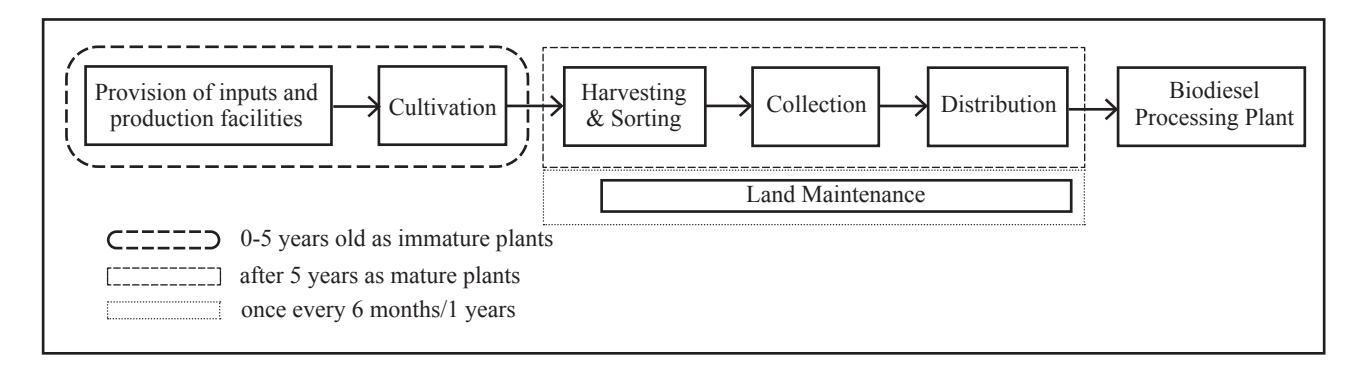
Figure 2. Core Process of Rubber Seed Value Chain
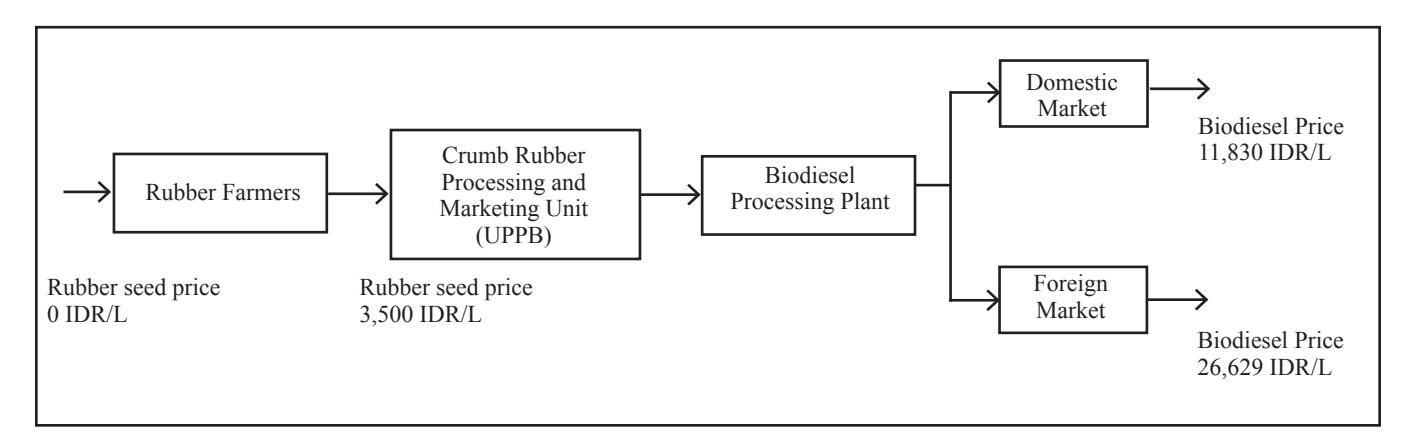
Figure 3. The Key Actors of Rubber Seed Value Chain
and Marketing Unit (UPPB) in Banyuasin Regency, which provides support in the collection of the seeds; the biodiesel factories, which process the rubber seeds using the transesterification method; and the consumers, both domestic and international, who consume the biodiesel produced from the seeds. The value chain is structured in a flow from the rubber farmers to the UPPB Banyuasin Regency, then to the biodiesel factories, and finally to the consumers. The chosen value chain model is intended to maximize economic benefits, mainly for the farmers, by minimizing the involvement of middlemen in the chain. This is because a shorter structure in the chain is beneficial in maximizing economic benefits, mainly by minimizing transaction costs, making prices transparent, and improving income distribution. The farmers, being the most vulnerable in the chain, benefit from the minimization of middlemen, thereby making them economically stable and decreasing poverty levels [25]. A more efficient agricultural marketing chain yields several economic benefits, which lower trade costs, reduce trading system margins, decrease consumer prices, and increase producer earnings [26]. In this regard, the rubber seed value chain meets economic criteria, thereby enhancing the welfare of the farmers while promoting the sustainability of biodiesel production.
3.1.1. Rubber Farmer
The rubber seed value chain meets the economic criteria, thereby enhancing the welfare of the farmers while promoting the sustainability of biodiesel production. Rubber farmers are the key players in the rubber seed value chain, playing a crucial role in creating product value for biodiesel fuel production. As the main input providers, rubber farmers are the ones who provide the raw materials, namely the seeds, for the processing of the product. From the results of the study using a scale of 1 to 5, ranging from very disinterested to very interested, most farmers showed their willingness to sell the rubber seeds if there is a market for them. Out of the total respondents, about 68 % showed their preference in selling the seeds, 16 % showed no response, while 16 % showed reluctance in selling the seeds. This showed that most farmers are very interested in using the previously unused rubber seeds as an additional source of income.
Besides the willingness of the farmers to sell the seeds, the data on the price preferences was also collected. From the results of the questionnaires, the price range was quite diverse, ranging from IDR 500 to IDR 28,000/kg. This is because the questionnaires enabled the farmers to state the price they want to sell the product without any influence from other people. Therefore, the price estimate from the questionnaires was based on the value of the farmers themselves. However, the most popular price estimate was IDR 3,500/kg. This price was determined by the farmers based on the price they would like to receive from selling the seeds compared to the highest
price paid for the sale of the palm fruit per kg during the study period from December 2022 to February 2023. This is because the farmers perceived that they would be able to make profits from the sale of the seeds at least the same as the profits from the sale of the palm fruit. Therefore, the pricing behavior of the farmers is consistent with the competitor-based pricing because the farmers compared the price of the product with the price of other products [27].
The rubber farmers encounter a few challenges, mainly concerning diseases affecting rubber plants, such as leaf fall. Secondly, rubber tree rejuvenation poses several problems for rubber farmers. Rejuvenation entails planting new rubber trees in place of old ones, but this activity requires high capital for land clearing and results in a loss for rubber farmers since rubber trees take about five years to start yielding. In a bid to curb these economic barriers for rubber farmers, they have resorted to intercropping different crops such as beans, chilies, sweet potatoes, and pineapples. All these act as a substitute for income for rubber farmers during the rubber tree rejuvenation period [28].
3.1.2. Crumb Rubber Processing and Marketing
The Crumb Rubber Processing and Marketing Unit, hereinafter referred to as UPPB, is a business entity established by two or more farmer groups to facilitate technical guidance, processing, temporary storage, and marketing of crumb rubber. As a key player in the crumb rubber supply chain, UPPB imposes handling service fees of approximately IDR 325/ kg. These fees cover various operational costs, including cash contributions, building rent for UPPB offices, waste disposal, night guard services, weighing services, transportation, and member savings. The specific details and fees may vary depending on the type of UPPBs since they are based on the agreements between the members of the sub-district in Banyuasin Regency. Accordingly, the estimated price for the sale of the rubber seeds at the UPPB level is IDR 3,500/kg.
Within the value chain of the production of biodiesel from the rubber seeds, the UPPB association in Banyuasin Regency has the potential to act as the main aggregator that is responsible for the collection and supply of the seeds to the processing plants. The reason why the UPPB association has been chosen to act as the main aggregator in the value chain is that it is legally recognized by the Regency and has communication channels with the unified district forum. In the value chain, to improve value creation, the UPPB association in Banyuasin Regency is responsible for the activities related to the loading and unloading of the seeds, as well as the transportation of the seeds to the next level in the value chain.
The UPPB can coordinate all UPPBs in the Banyuasin Regency, which means there will be an organized and structured supply chain. The Indonesian Ministry of Agriculture has set regulations that state that the minimum area required for the
UPPB plantation is 100 ha and/or the production capacity must be at least 800 kg of latex every 3 days. From these requirements, it is projected that the UPPB can accommodate 100 or more members, which is quite significant and can be seen as an efficient first-tier distributor in the supply chain. However, the main logistical challenge that can be identified is the distance between the biodiesel processing plant and the Banyuasin Regency. The plant is not necessarily located in the same region as the Banyuasin Regency; hence, there is a need to invest in transportation logistics and the management of shipping costs.
3.1.3. Biodiesel Processing Plant
The biodiesel factory is the main consumer of the seeds, and the value-added activities include the process of extracting, transesterification, and purifying the seeds. This improves the economic and functional value of the seeds. The price per kg of biodiesel at the domestic level is IDR 10,620 as of August 2023, and the purchase price per kg is IDR 26,629 as it is sold to international consumers [29]. There may be some issues that can occur in the domestic biodiesel market due to the high level of competition faced by the biodiesel extracted from crude palm oil, which has been actively promoted and marketed by the government.
However, for international distribution, the regulatory issues related to the export of biodiesel and the determination of the appropriate storage facilities for export purposes create additional challenges. In the value chain analysis of the production of bioenergy, the feasibility and sustainability of the utilization of the rubber seeds as a biofuel can be assessed by policymakers and the relevant stakeholders. In order to build a solid basis for decision-making, it is critical to develop a theoretical model that covers the entire supply chain from the acquisition of the raw materials to the distribution of the product. This study is aimed at contributing to the development of the appropriate theoretical model that can be used to optimize the logistics and support the decision-making processes in the bioenergy industry [30].
3.2. Global Value Chain
The analysis of the value chain governance relationship seeks to identify how coordination, regulation, and control in the rubber seed value chain can be achieved. Understanding this can be beneficial in grasping how the rules affect the chain's behavior. The mapping of the governance relationship is based on a model presented by Gereffi et al. [19], which identified five forms of global value chain governance: market-based, modular, relational, captive, and hierarchical governance structures. The potential framework for the rubber seed value chain in Banyuasin Regency for the biodiesel processing plant is presented in Figure 4.
Figure 4. Value Chain Governance Relationship
The analysis shows that the rubber seed value chain for biodiesel production in Banyuasin Regency has a market governance structure. This can be seen from a wide range of prices offered by farmers, where a price-driven system can be identified in which farmers sell their products to collectors who offer the best price for their products. Market forces in the form of supply and demand dominate this type of governance. Market governance occurs when transactions can be easily codified, where the specifications of the products are clear, and where suppliers can meet the demands without interference from buyers in a significant investment in specific assets [19]. However, despite the important role played by the farmers, the suppliers/collectors, and the UPPB, the relationship between them is restricted to the forces of the market. This can be understood in the context of the buying and selling of the rubber seeds between the various stakeholders in the value chain, such as the farmers, the suppliers/collectors, the UPPB, and the consumers. In this context, the forces of the market are the ones that dictate the value chain of the rubber seeds.
3.3. Added Value of Rubber Seeds
The calculation of added value was conducted exclusively for the stage from rubber seed planting to its sale as a raw material for biodiesel (Table 2). The added value was assessed over a one-year period. The input requirement for a single harvest cycle was determined based on half the fertilizer needs recommended by the Rubber Research Centre [31] in Banyuasin Regency, amounting to 24,399 ton of fertilizer. This input was estimated to yield approximately 359,360 tons of rubber seeds. According to the data by Directorate General of Estate Crop, there are more than 32,000 farmers in Banyuasin Regency who rely on rubber plantation as a source
Table 2. Calculation of Added Value of Rubber Seeds
| No | Variable | Value | ||
|---|---|---|---|---|
| Output, Input and Price | ||||
| 1 | Output (kg) | 359,360,000 | ||
| 2 | Input (kg) | 163,508,800 | ||
| 3 | Labor | 75,623 | ||
| 4 | Conversion factor | 2.20 | ||
| 5 | Labor coefficient (Labor/kg) | 0.0004625 | ||
| 6 | Output price (IDR/kg) | 3,500 | ||
| 7 | Labor wages (IDR/TK) | 48,500 | ||
| Receipts and Profit | ||||
| 8 | Raw material prices (IDR/kg) | 2,755 | ||
| 9 | Other input contribution (IDR/kg) | - | ||
| 10 | Output value (IDR/kg) | 7,692 | ||
| 11 | a. Value-added (IDR/kg) | 4,937 | ||
| b. Value-added ratio (%) | 64 | |||
| 12 | a.Direct labor income (IDR/kg) | 22 | ||
| b. Share of labor (%) | 2 | |||
| 13 | a. Advantages (IDR/kg) | 4,915 | ||
| b. Profit rate (%) | 100 | |||
| Reply Service Owner of Production Factors | ||||
| 14 | Margin (IDR/kg) | 4,937 | ||
| a. Profit (%) | 100 | |||
| b. Direct labor income (%) | 0 | |||
| c. Other input contribution (%) | - | |||
of livelihood [32]. The farmers will be involved in collecting rubber seed to increase their income. If one farmer could collect 22 kg per hour, working 7 hours per day for 24 days per month over a 3-month harvest period, an estimated 32,410 farmers would be required to meet the demand of rubber seeds as a raw material for producing biodiesel. Hence, almost all farmers in the Banyuasin Regency would be involved in the collection of rubber seeds for the 3 months period which can increase their income.
The added value of rubber seed processing for biodiesel was determined by deducting the costs of raw materials and other inputs from the total product value. The raw material prices were determined using fertilizer costs, which averaged IDR 2,755/kg, and the market price of rubber seeds, which was IDR 3,500/kg [33]. Hence, this study estimates an added value of IDR 4,937 per kg and a value-added ratio of 64%. According to Kipdiyah et al. [34], this percentage falls into the high category, where an added value below 15 % is considered low, 15 –40 % is medium, and above 40 % is high. The optimization of added value can be achieved by integrating
industrial models with family farming and agricultural enterprises [35]. The value chain of rubber seeds has the potential to increase farmer earnings by approximately IDR 3,850,000 per year or IDR 320,833 per month. Improving productivity is essential for enhancing added value, which may be achieved by workforce development programs. Training programs on selection criteria for rubber seeds in biodiesel production may further improve the economic feasibility.
3.4. Techno-Economic of Biodiesel Production
The estimated techno-economic analysis of biodiesel production at a capacity of 13,461 tons per year falls in the intermediate-scale category and hence involves a considerable amount of investment. The economic feasibility of biodiesel production was estimated based on total capital investment (TCI) and total production cost (TPC). The total capital and production cost estimates were calculated using the cost estimation procedures as discussed in Garett [36]. However, the overhead costs, research costs, financing costs, as well as the distribution and marketing costs, were not included in the calculation of the total production cost. One of the main elements that make up the TCI is the adoption of the screw press and transesterification technologies, which form part of the total equipment costs. As illustrated in Figure 1, the total equipment costs were estimated at IDR 23,228,745,792 (Table 3). The cost estimates were based on the online prices and literature sources [13,37].
The TCI for the biodiesel production facility was estimated at IDR 100,294,337,750 (Table 4). This amount includes the sum of the fixed capital investment (FCI) and working capital investment (WCI), which were assessed separately. The direct cost (DC) of biodiesel production includes expenses for purchasing equipment, acquiring land, installing electrical systems, and constructing production buildings. Additionally, indirect costs (IC) must be considered to cover supervision
Table 3. Estimated Total Equipment Cost of Biodiesel Production
| Item | Quantity (pcs) | Cost (IDR) |
|---|---|---|
| Dehuller Diesel 2 ton/h | 16 | 240,129,792 |
| Screw-press Diesel 750 kg/h | 22 | 655,116,000 |
| Transesterification Machine | 3 | 22,333,500,000 |
| Total Equipment Cost | 23,228,745,792 |
Total biodiesel production = 13,461 ton/year
Table 4. Estimated Total Capital Investment of Biodiesel Production
| Item | Cost (IDR) | ||
|---|---|---|---|
| Direct Cost (DC) | |||
| Equipment Cost | 23,228,745,792 | ||
| Instrumentation and Control (0.4E) | 9,291,499,000 | ||
| Electrical Distribution System (0.1E) | 2,322,875,000 | ||
| Establishment of Equipment (0.45E) | 10,452,936,000 | ||
| Building (0.4E) | 9,291,499,000 | ||
| Land | 60,000,000 | ||
| Total DC | 54,647,554,792 | ||
| Indirect Cost (IC) | |||
| Technical and Supervision (0.15DC) | 16,394,267,000 | ||
| Unexpected Expenses (0.15FCI) | 12,536,793,000 | ||
| Total IC | 28,931,060,000 | ||
| Fixed Capital Investment (FCI) | |||
| FCI = DC + IC | 83,578,614,792 | ||
| Working Capital Investment (WCI) | |||
| WCI = 0.2FCI | 16,715,722,958 | ||
| Total Capital Investment (TCI) | |||
| TCI = FCI + WCI | 100,294,337,750 | ||
Total biodiesel production = 13,461 ton/year
expenses for ensuring that the construction and equipment meet industry standards for biodiesel production [38].
The TPC for the biodiesel facility was estimated at IDR 223,030,935,908 (Table 5). The largest portion of the TPC, approximately 94%, is attributed to raw material costs, which were estimated at IDR 3,500/kg. The preliminary design of the facility includes key personnel such as dehuller operators, screw-press operators, transesterification operators, supervisors, security staff, and cleaning personnel. Employee salaries are determined based on the Governor's Decree on the Minimum Wage for Banyuasin Regency in South Sumatra Province in 2022, set at a minimum of IDR 3,400,000 per month. The utility system in this preliminary design consists of water, electricity, and fuel. Water is supplied by PDAM Tirta
Table 5. Estimated Total Production Cost of Biodiesel Production
| Item | Cost (IDR) | |
|---|---|---|
| Variable Cost (VC) | ||
| Raw materials/year | 209,391,000,000 | |
| Employees' salary/year | 541,900,000 | |
| Utility cost/year | 2,232,813,908 | |
| Maintenance (0.01 FCI) | 835,787,000 | |
| Total VC | 213,001,500,908 | |
| Fixed Cost (FC) | ||
| Administration cost (0.02 TPC) | 1,671,573,000 | |
| Depreciation (0.1 FCI) | 8,357,862,000 | |
| Total FC | 10,029,435,000 | |
| Total Production Cost (TPC) | ||
| TPC = VC + FC | 223,030,935,908 | |
Total biodiesel production = 13,461 ton/year
Raharja at IDR 3,977/m3, with a total cost of IDR 16,353,908. Electricity is sourced from PLN, with an industrial tariff for the medium voltage category set at IDR 1,300/kWh, with a total cost of IDR 12.480.000. The diesel fuel cost used in this preliminary design follows PT. Pertamina's pricing, which is IDR 16,500/L, with a total cost of IDR 2,215,680,000.
The total of TCI and TPC for biodiesel production was estimated at IDR 100,294,337,750 and IDR 223,030,935,908, respectively. The projected annual revenue from producing 23,930 tons or 27,193,181 L of biodiesel, based on a domestic market price of IDR 11,830/L, is IDR 321,695,331,000. Furthermore, BCR analysis was conducted with a 10-year projection with 8% fixed discount rate; the present value of benefits over the project period was estimated at approximately IDR 2.16 trillion, whereas the present value of costs, including both capital investment and discounted operating costs, was about IDR 1.60 trillion, resulting in a BCR of approximately 1.35. Theoretically, a BCR greater than 1 indicates that a business is profitable [23].
A sensitivity analysis was performed to check the robustness of the biodiesel production project in the case of an increase in operating costs under the same conditions. If the annual TPC is taken as IDR 223.03 billion as the base case, three different scenarios of an increase in TPC by 3%, 5%, and 10% have been taken into consideration. If the TPC increases by 3%, the annual operating cost will be IDR 229.72 billion; the PV of operating costs will be around IDR 1.54 trillion, and the total PV of costs will be around IDR 1.64 trillion. In this case, the BCR will be 1.31. If the TPC increases by 5%, the annual operating cost will be IDR 234.18 billion; the PV of operating costs will be around IDR 1.57 trillion; the total PV of costs will be around IDR 1.67 trillion, and the BCR will be 1.29. In a more conservative scenario, a 10% rise in TPC results in an increase in the annual operating expenses to IDR 245.33 billion, yielding a PV of operating expenses of approximately IDR 1.65 trillion and a total PV of costs of approximately IDR 1.75 trillion, thereby reducing the BCR to 1.23. Although the rise in production expenses harms the economic performance of the project, the BCR is still greater than one in all scenarios, thereby showing the economic feasibility of the project.
To put the current techno-economic results into perspective, a brief overview of the relevant results from the previously reported biodiesel and biofuel studies is provided. A number of techno-economic studies have proven that the operating costs, especially the feedstock-related costs, form the majority of the total production costs in biodiesel production systems, even exceeding the capital-related costs regardless of the type of feedstock used or the configuration of the process [39,40]. This is in line with the current results, as the total production cost far exceeds the capital investment cost.
Typically, the reported BCR value for biodiesel production systems based on low-cost feedstock sources or residue-based feedstock sources varies between 1.1 and 1.5 depending on the size of the biodiesel production plant and the prevailing market and policy incentives, as reported in recent research studies on biodiesel production from waste oil feedstocks [40,41]. Under these circumstances, the base-case BCR value of 1.35 obtained in the present study is within the range reported in the literature, thus implying that the economic premises used in the analysis are not overly optimistic or overly conservative. Moreover, the trend observed for the reduction in the BCR value with the increase in the production cost scenarios ranging from 3 to 10 percent is consistent with the sensitivity trends reported for similar biodiesel systems, in which the economic viability is still attainable but sensitive to the escalation of production costs. Therefore, the technoeconomic performance of the proposed biodiesel production system is comparable to the existing biodiesel feedstocks and biofuel systems based on residues.
Based on the above findings, it can be concluded that the production of biodiesel using the seeds of the rubber plant offers an economic opportunity that is viable and attractive to investors while at the same time providing the much-needed stability to the supply chain of the rubber seed farmers. At the moment, there are 19 biodiesel plants in Indonesia, which is an indication that there is great growth potential in the industry [42]. This means that the emerging economic opportunity will be able to provide the rubber seed farmers with sustainable economic benefits.
4. Conclusion
The value chain of the rubber seed to produce biodiesel consists of key actors like the rubber farmers, UPPB, the biodiesel factories, and the consumers. However, the governance of the value chain is based on the market system, as the price mechanism is the main force governing the value chain. In addition, the analysis indicates that the value chain of the product has the potential to produce an added value of IDR 4,937/kg, while the ratio of the added value is 64%, thus classifying the product as a high value commodity. In addition, the value chain of the product has the potential to increase the income of the farmers by IDR 3,850,000 annually. The technoeconomic analysis indicates the feasibility of intermediatescale biodiesel production in Banyuasin Regency and the value addition potential from rubber seeds. This estimation provides a strategic opportunity for UPPB to improve its position in the value chain and increase returns for farmers who cultivate rubber seeds. This will be a great addition to the economy and renewable energy in the country.
Acknowledgements
This study was financially supported by Varo Energy, the Netherlands. The authors would like to thank all the farmers who participated as respondents, UPPB, Sembawa Rubber Research, and the government of Banyuasin Regency for their support and cooperation in this study.